
The human-animal bond (HAB) is, for many veterinary professionals, a key driver in their work. Every day, the work you do serves to help deepen that bond between the pets you treat and the families who love them. That’s a pretty incredible reason to keep showing up, even when times are tough, right?
Below, you’ll find a few recent real-world examples of how the HAB is impacting our world, and we hope it gives you a boost of inspiration. And, if you come across a story or study about the HAB, we hope you’ll reach out to share it with us at [email protected]. We’d love to hear about it!
HAB gets legal
The human-animal bond isn’t only real—it’s now legally recognized as a social determinant of health in Colorado. With the signing of HB26-1229, a bipartisan bill sponsored by Representatives Rick Taggart and Lisa Feret along with Senators Judy Amabile and Janice Rich, Colorado Governor Jared Polis officially acknowledged the ways that pets benefit human health.
This outcome is a direct result of the research conducted by the Center for Pet Family Well-Being at the University of Tennessee and AlignCare Health, Inc., which may ring a bell for anyone who caught our podcast episode with access-to-care expert Michael Blackwell, DVM, MPH. The bill paves a path for state programs to provide funding for entities that support that bond.
Next, here’s hoping this remarkable move extends beyond state borders to impact states across the country.
Celebrating pet-inclusive housing initiatives
Whether you’re a housing provider, a member of an animal welfare organization, a legislative stakeholder, or simply a pet caregiver who recognizes the importance of having pet-inclusive housing available, you might want to check your calendars. On June 10, Michelson Found Animals’ Pet-Inclusive Housing Initiative (PIHI) is hosting the 2026 Pets and Housing Awards to celebrate the people and organizations going above and beyond to ensure people and pets have a place to call home.
The PIHI collects and provides data, research, technical assistance, and other resources focusing on addressing and removing common obstacles renters face when seeking pet-inclusive housing.
Interested in learning more about why pet-inclusive housing differs from pet-friendly? They’ve got you covered.
A furry treatment that works
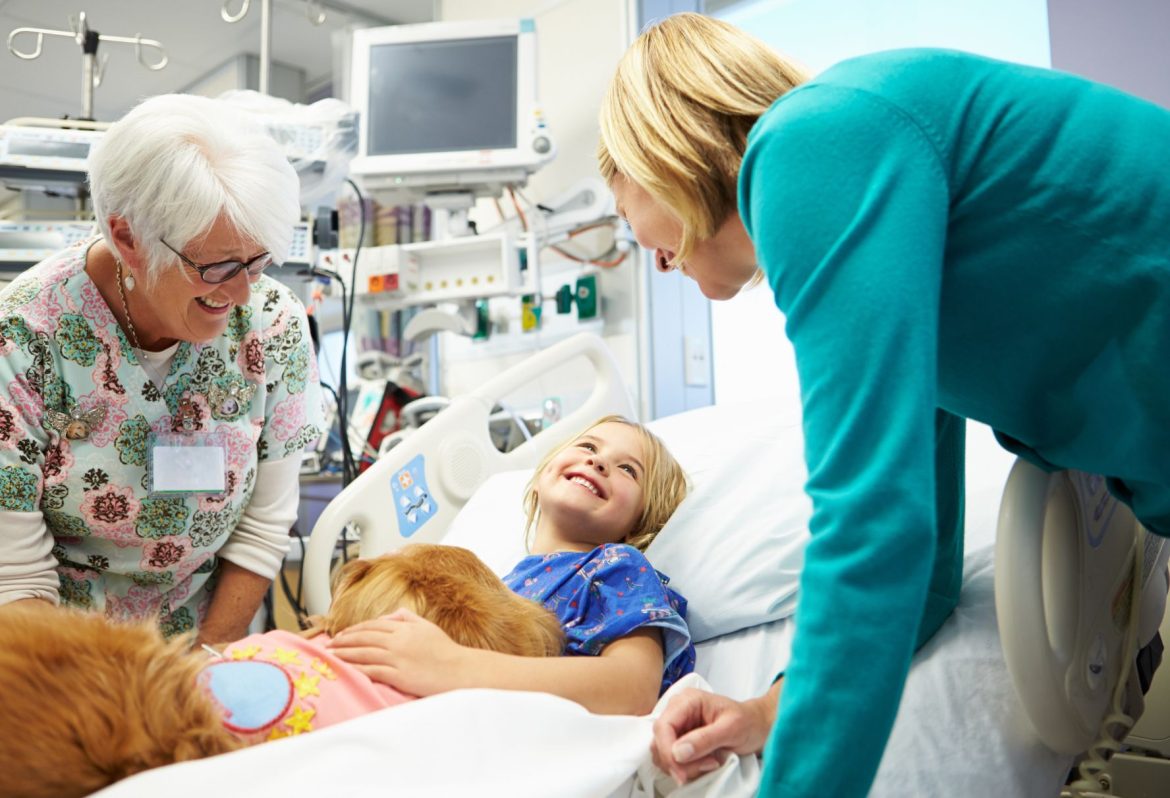
When we think of working dogs, we often think of canines with a very specific job—like sniffing for bombs at the airport—or who work with a specific person. But according to a recent story by the Associated Press, in children’s hospitals nationwide, specially-trained, full-time working dogs are hard at work supporting kids dealing with the stress and fear that comes with being sick and stuck in the hospital.
Many hospitals have full-time support dogs to provide emotional support to patients of all ages, but children’s hospitals have shown the most growth as established programs grow and new programs crop up. These dogs, which are generally provided by nonprofits like Canine Companions, help to reduce the children’s stress (including lowered cortisol levels and blood pressure) and can decrease the pain these patients feel. Research has even shown animal-assisted therapies to be beneficial to heart and lung function.
And, just as importantly, these dogs give some of these young patients an extra boost of motivation to move, play, and just feel like kids.
Photo credit: monkeybusinessimages/ iStock via Getty Images Plus
Disclaimer: Trends content is meant to inform, educate, and inspire by providing an array of diverse viewpoints. Any content published should not be viewed as an official stance, position, or endorsement by the American Animal Hospital Association (AAHA) or its Board of Directors.
