
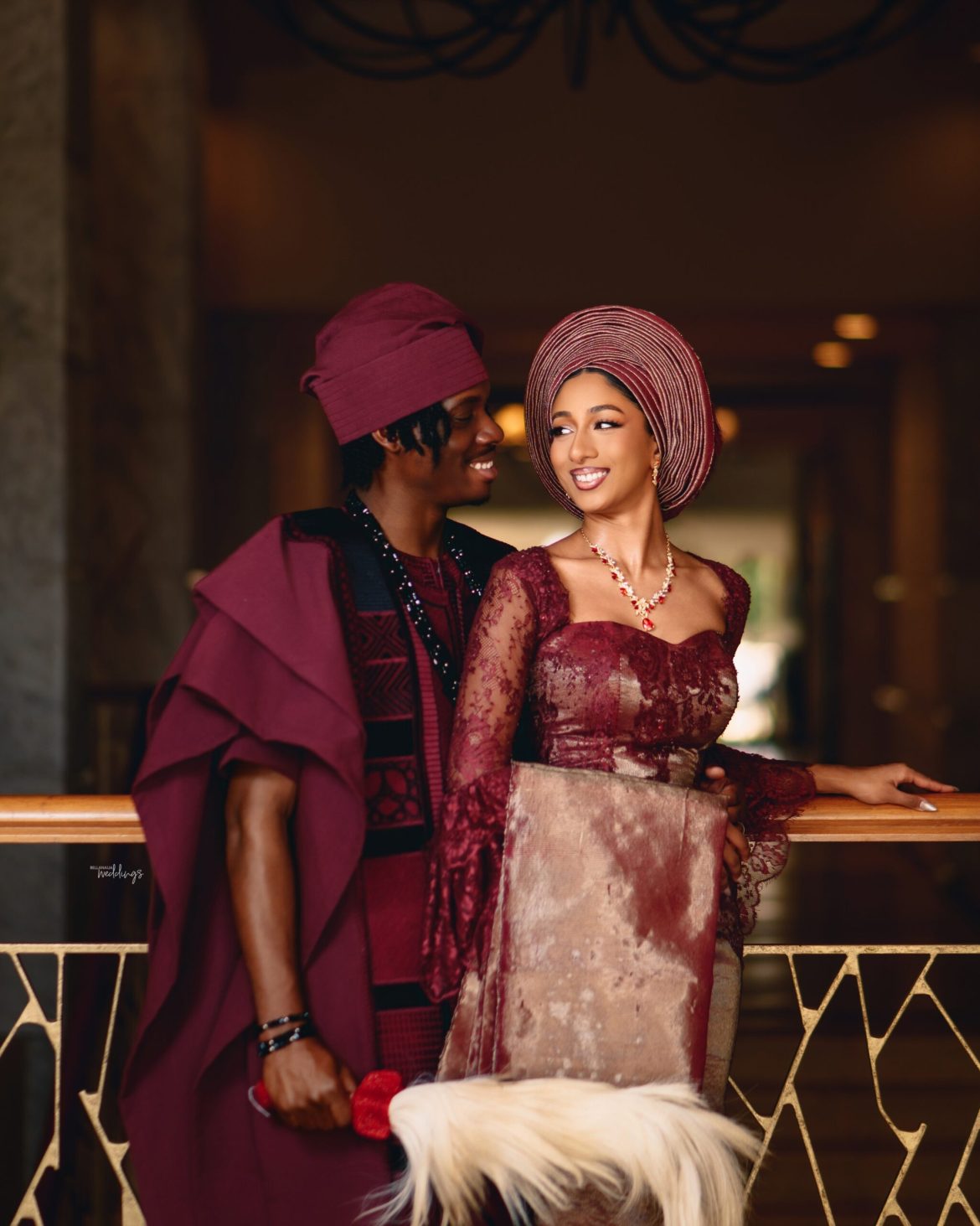
Who knew that among all the opportunities a new job could bring, it could also lead you to the love of your life? Megan met Teni on his second day at work, and what started as a simple effort to get acquainted soon blossomed into a beautiful love story.
Now, their love story has unfolded into a multicultural fairytale, where they beautifully celebrated both their Indian and Nigerian roots in an atmosphere filled with love, joy, and rich cultural traditions.
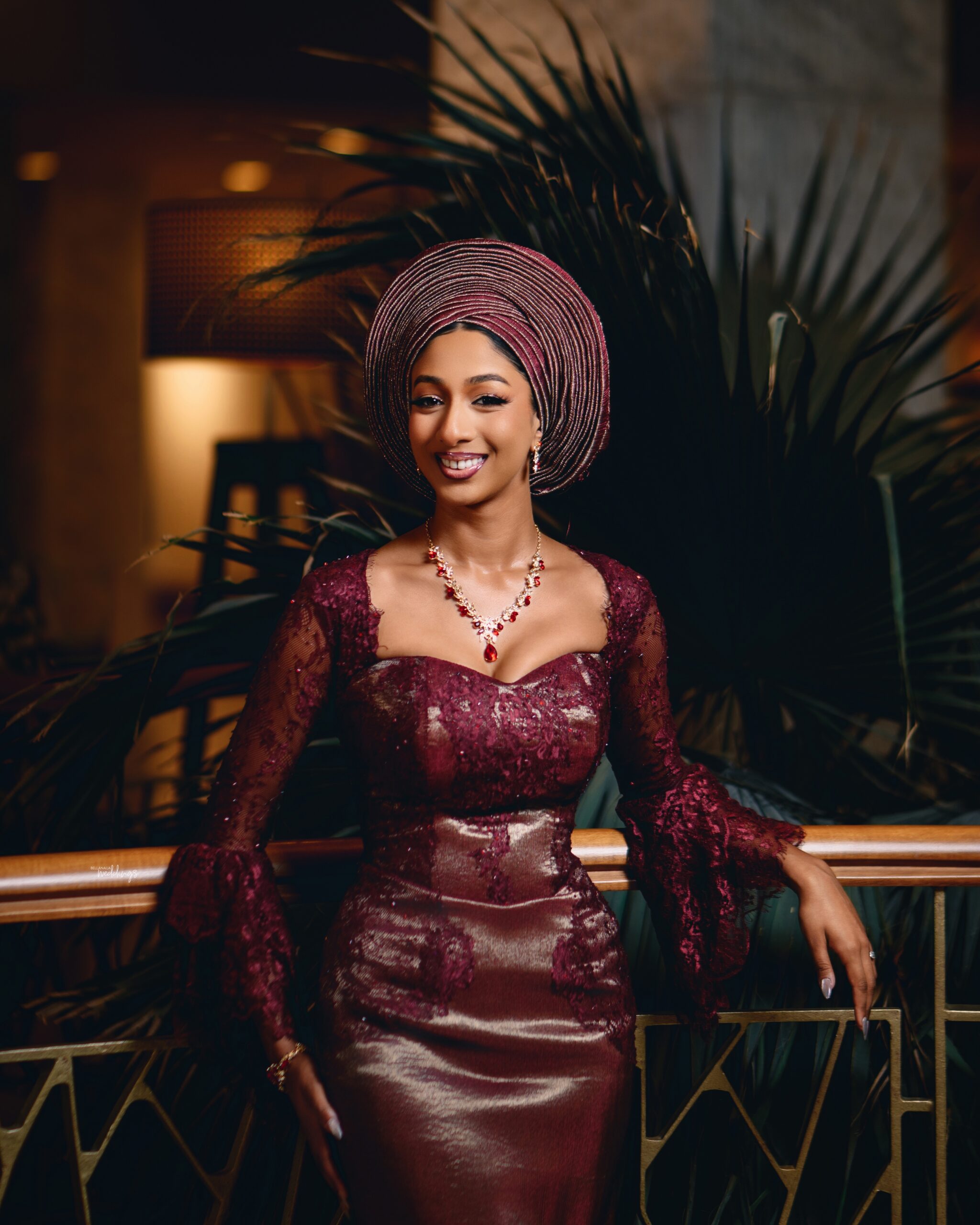
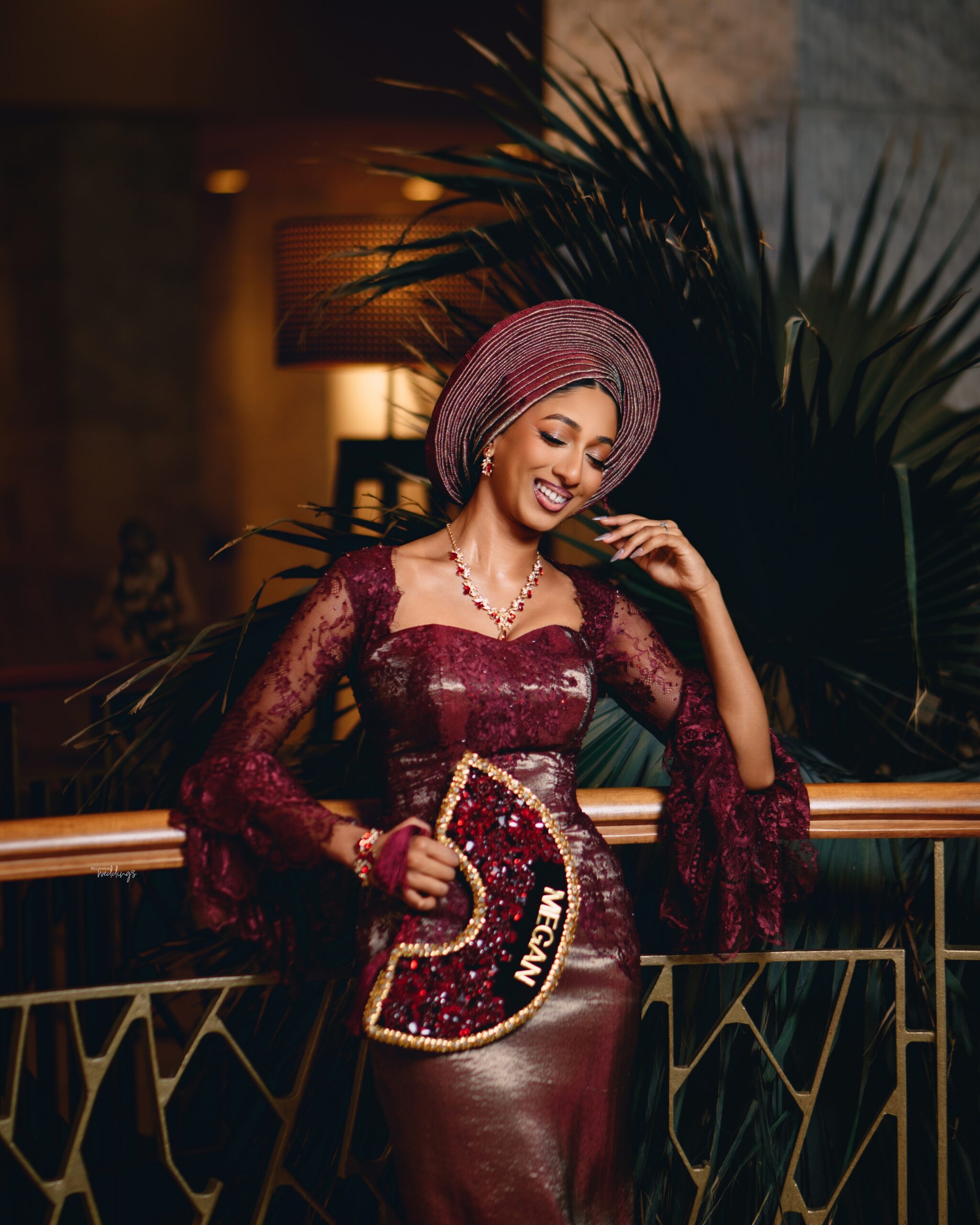
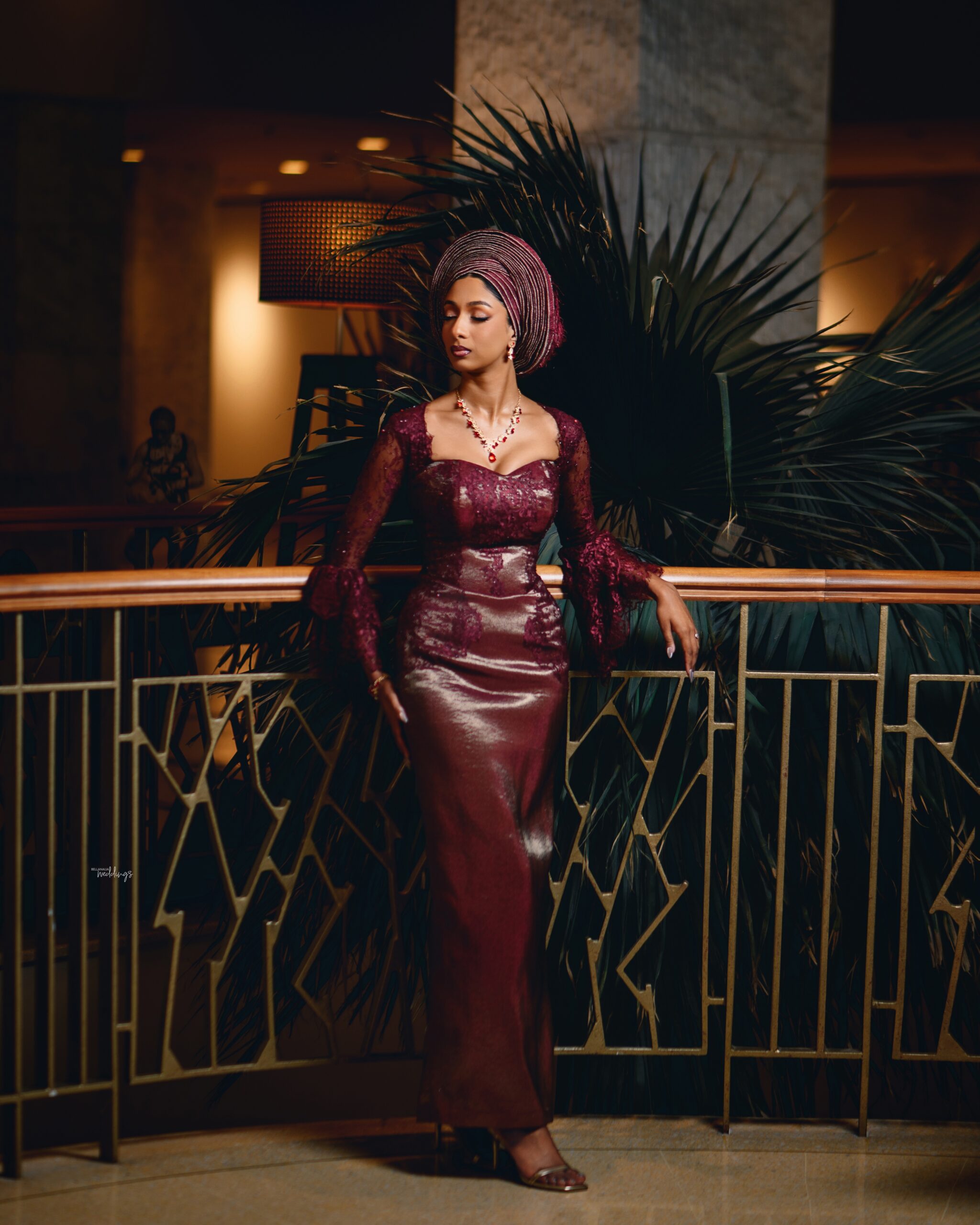
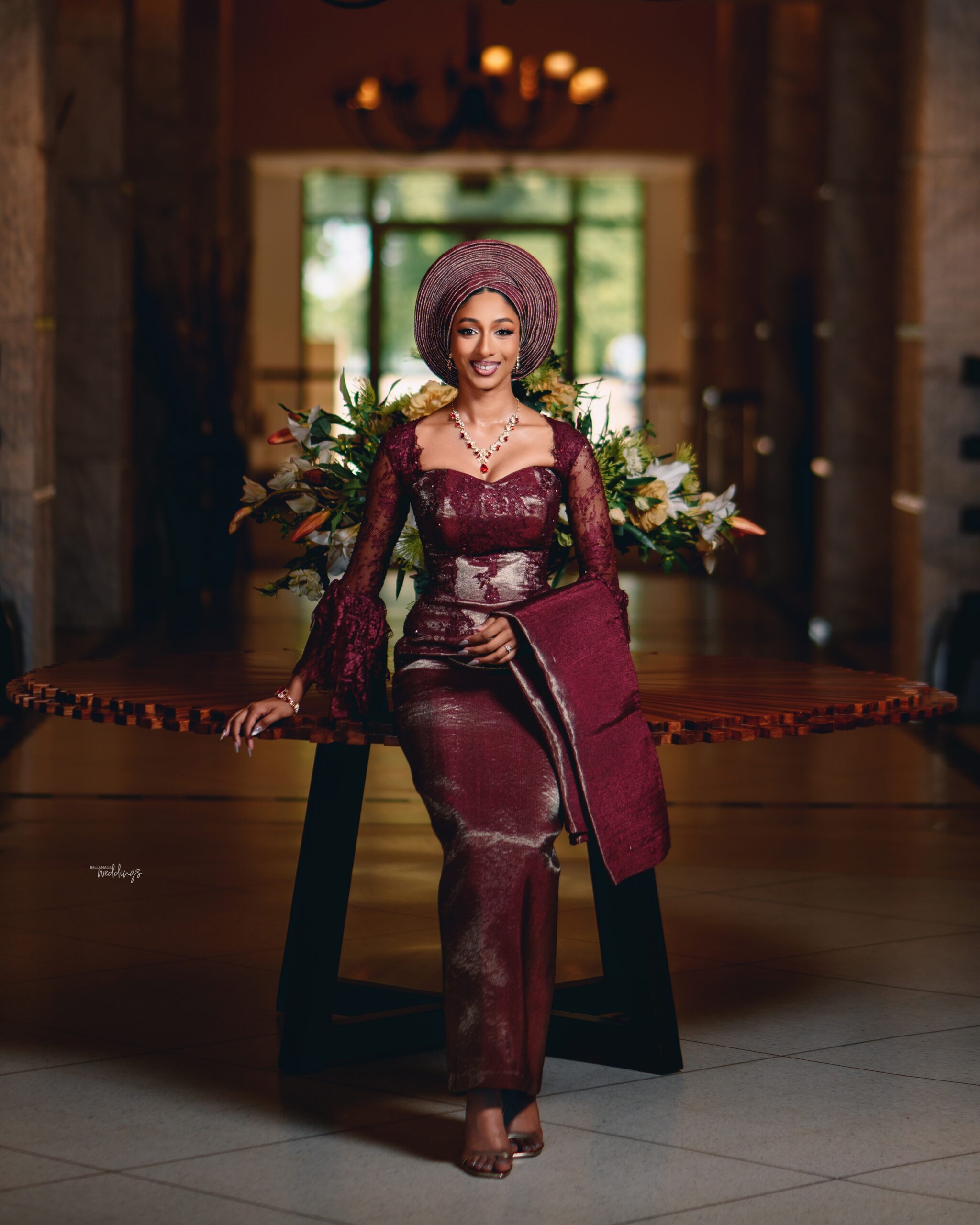
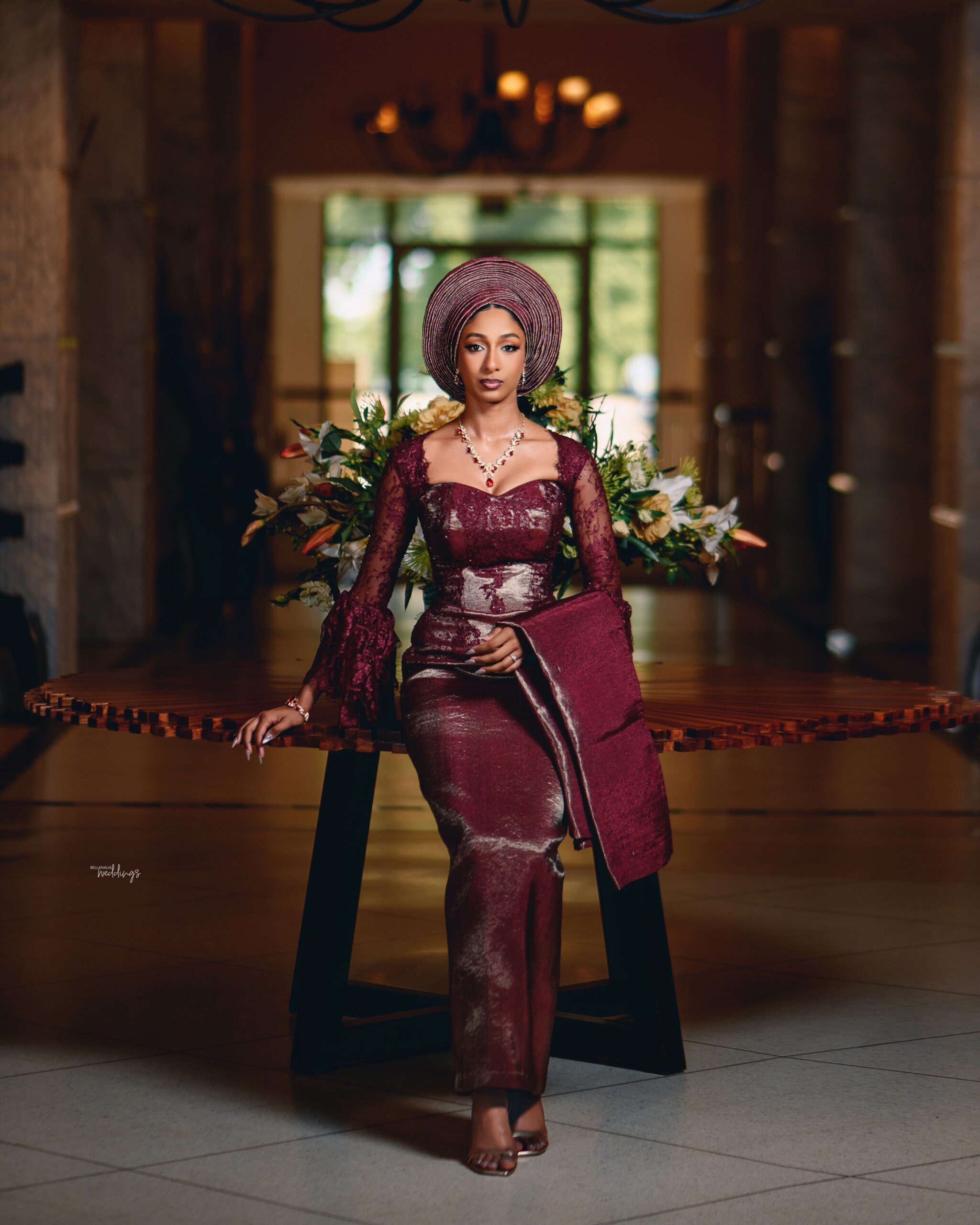
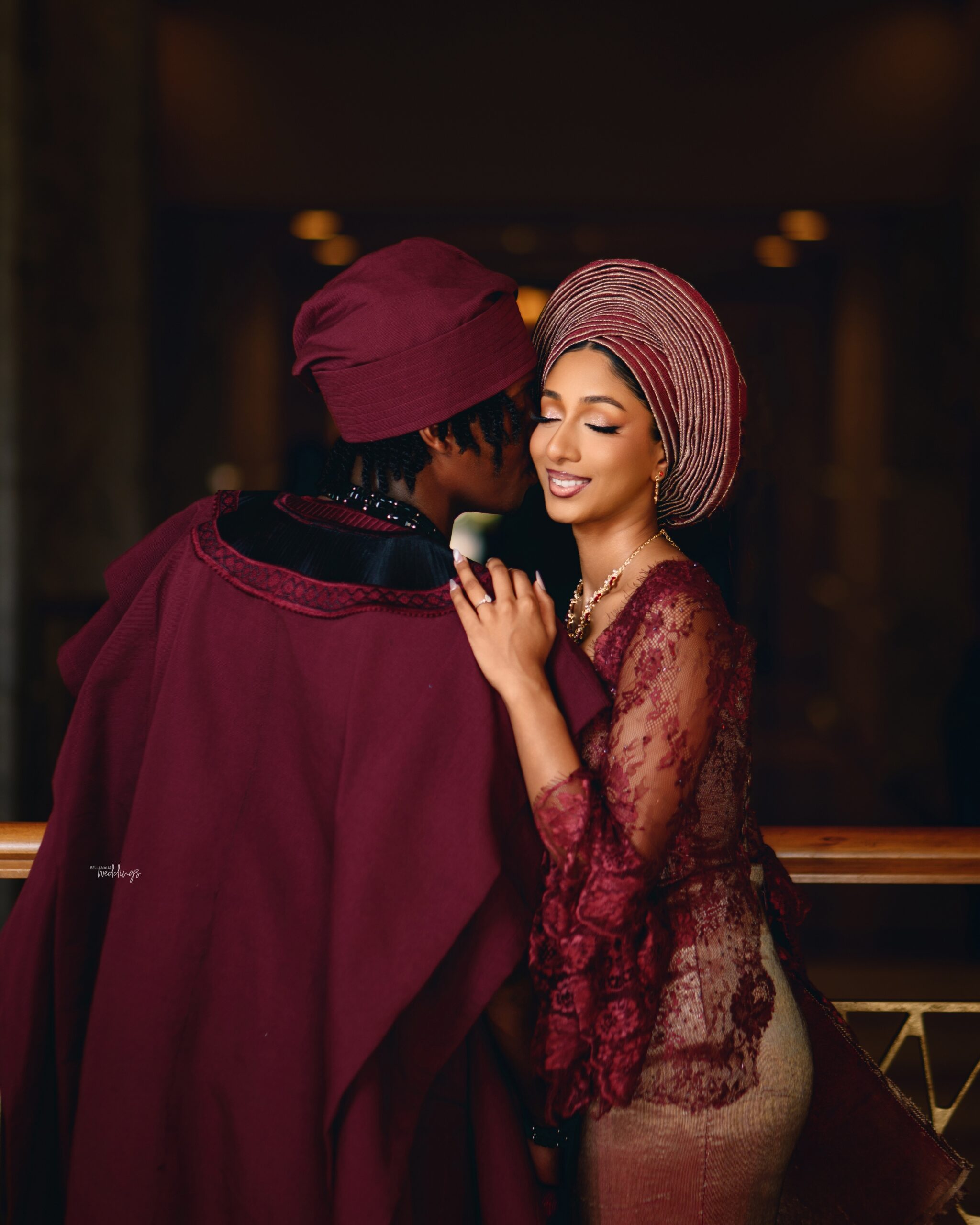
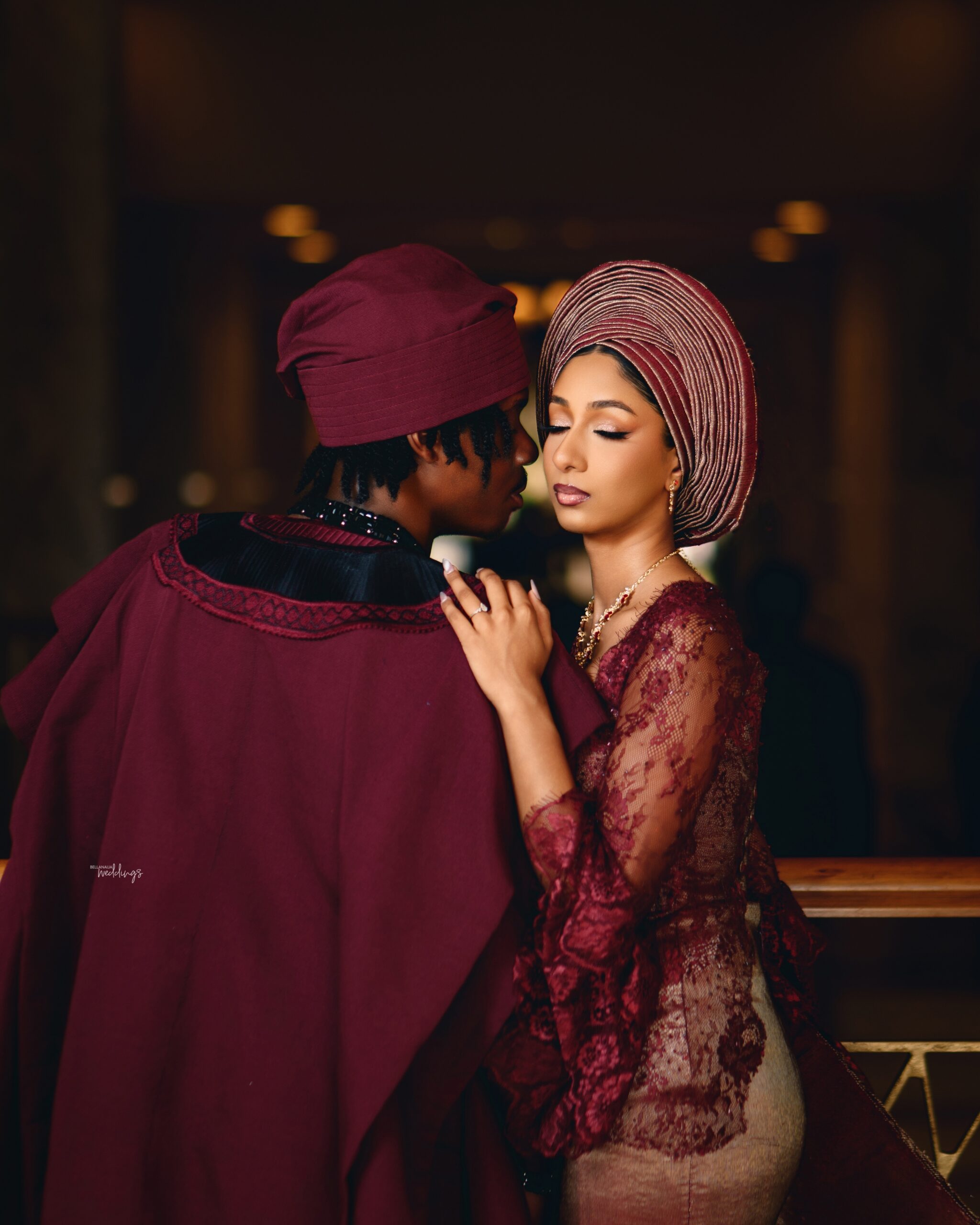
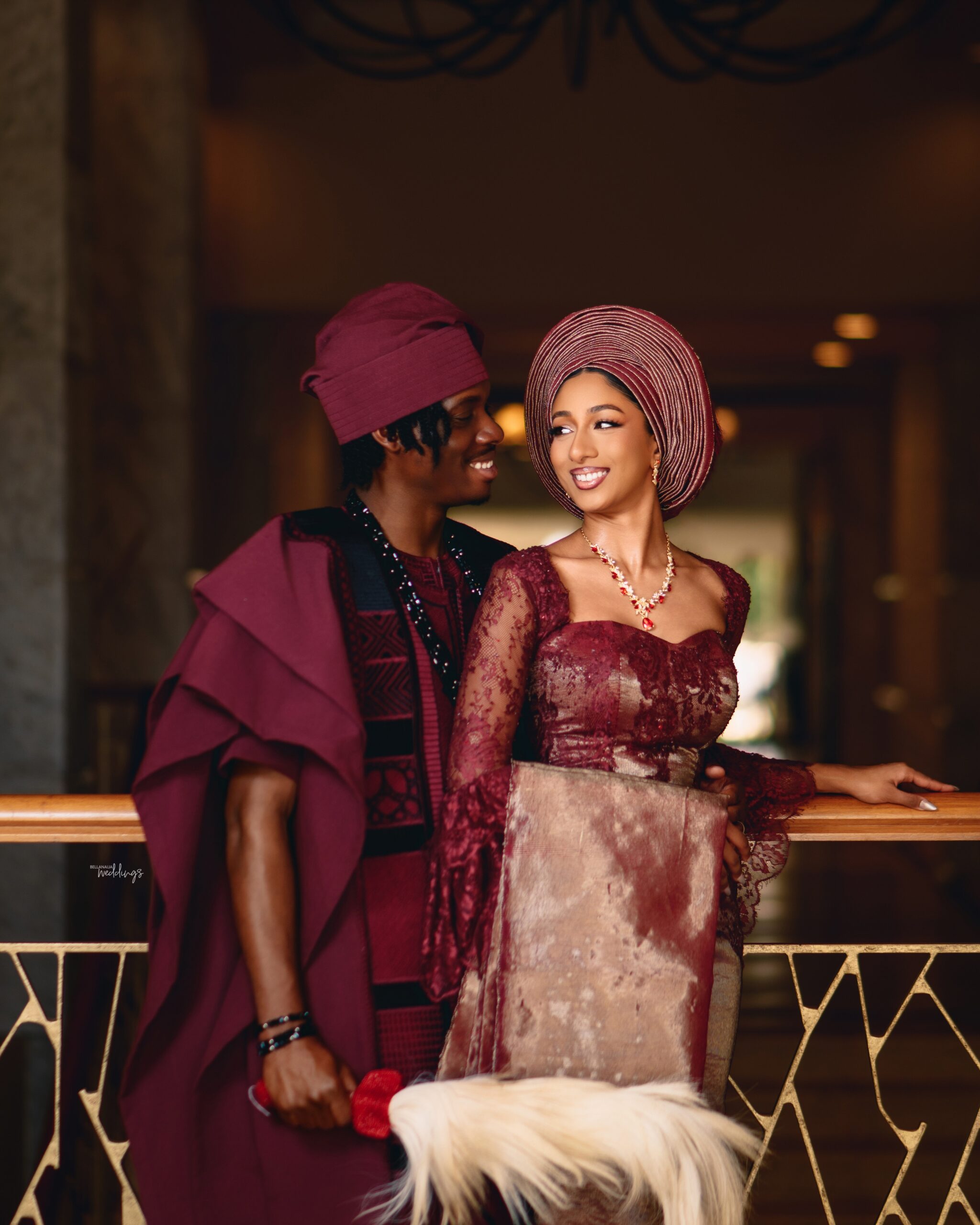
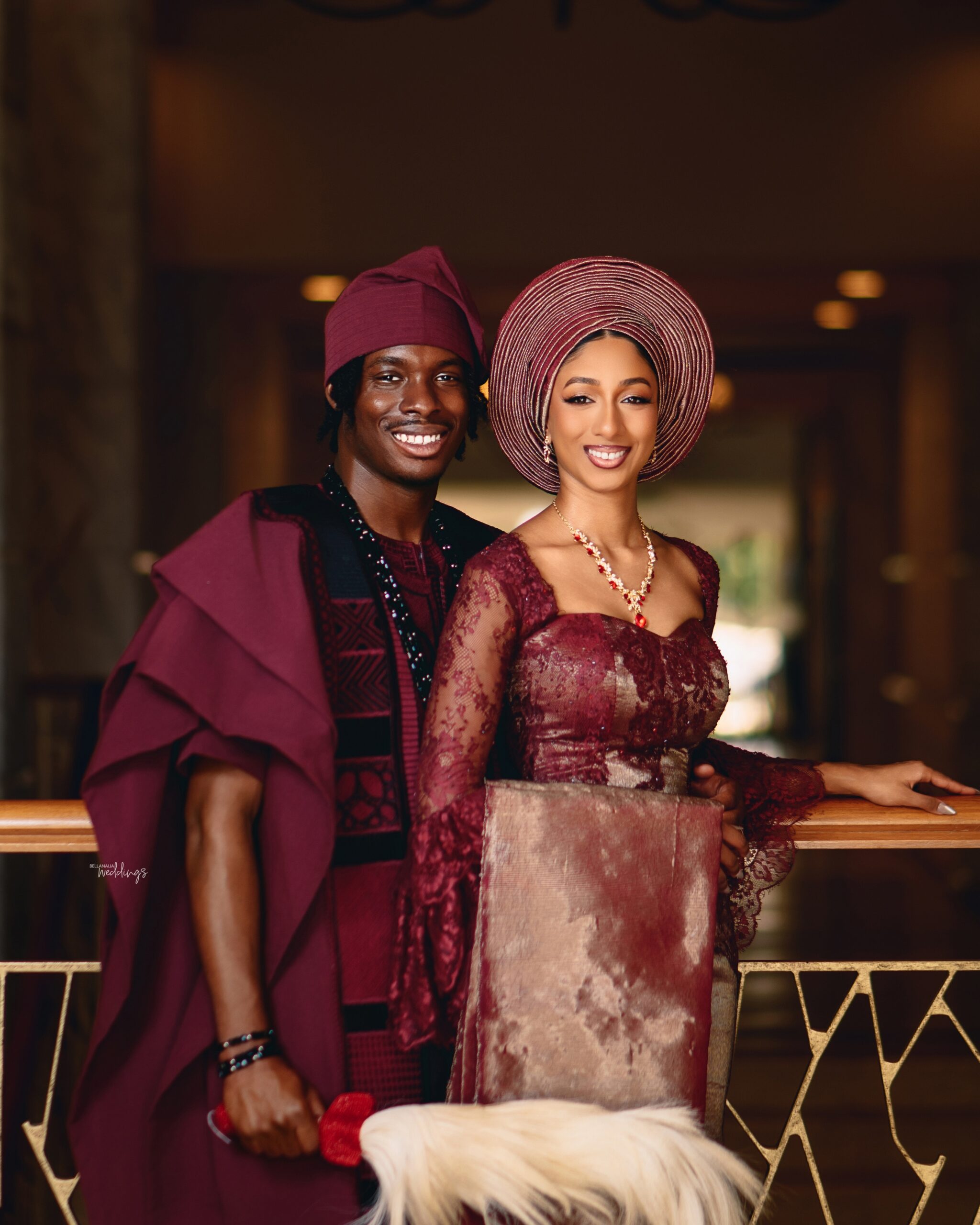
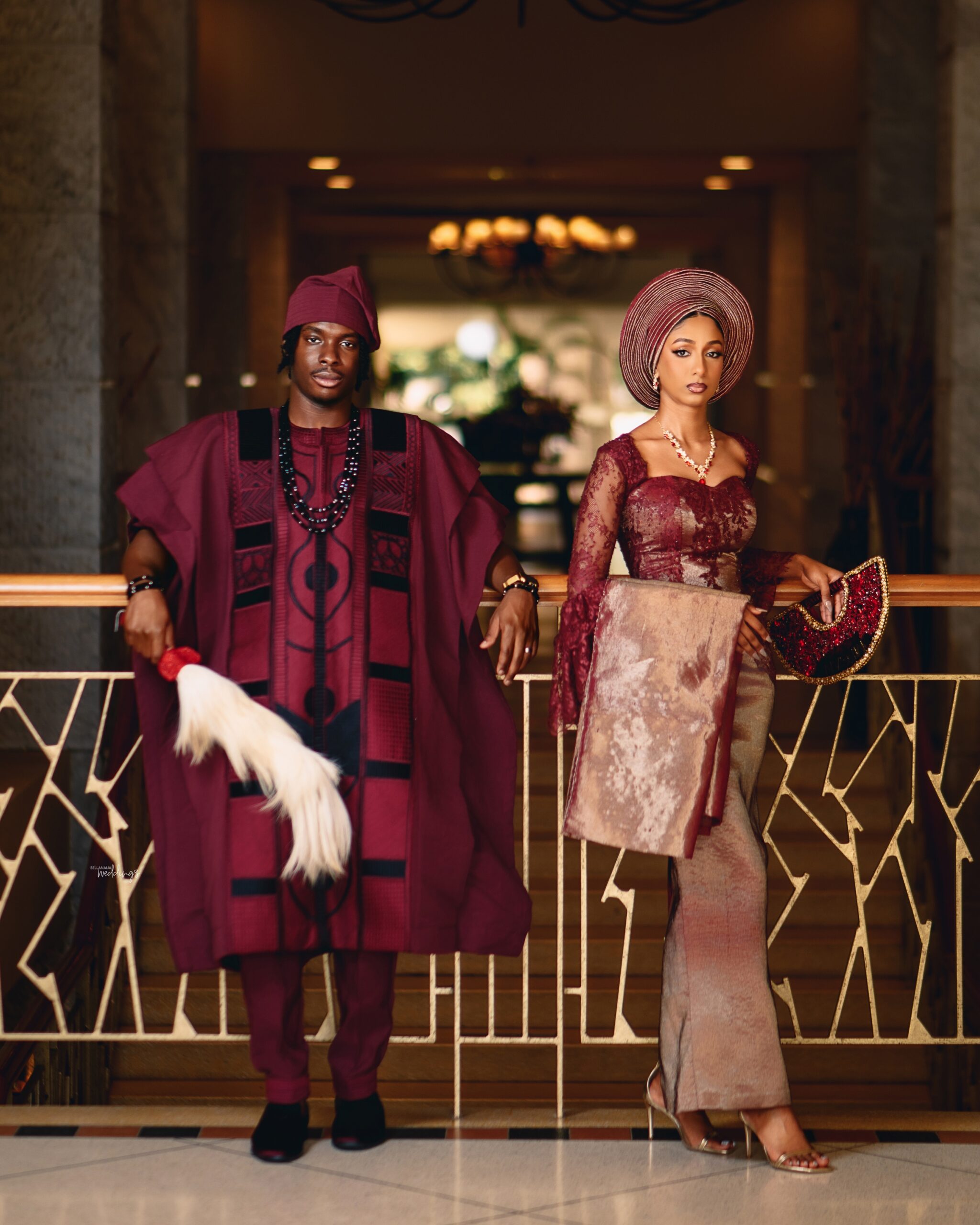
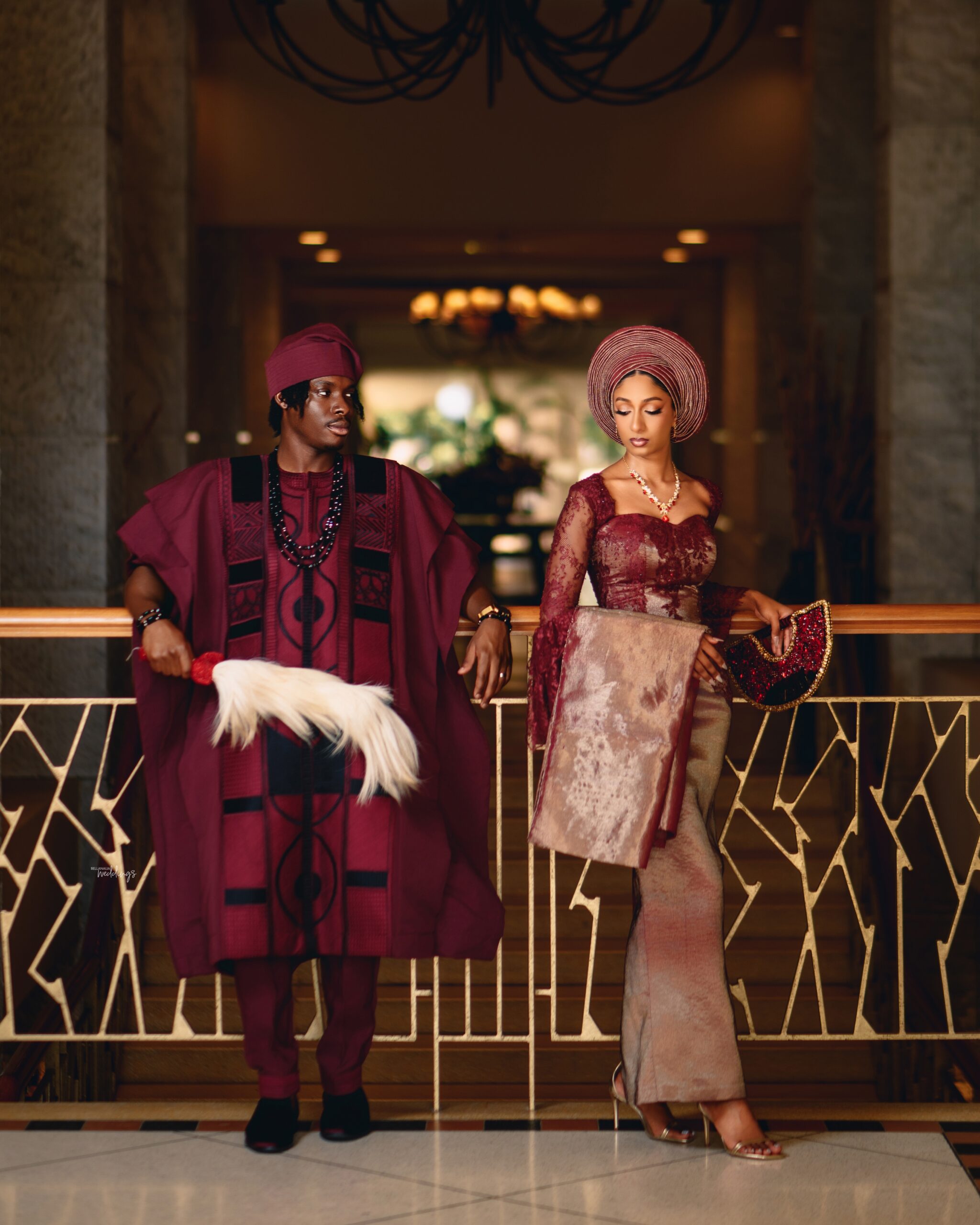
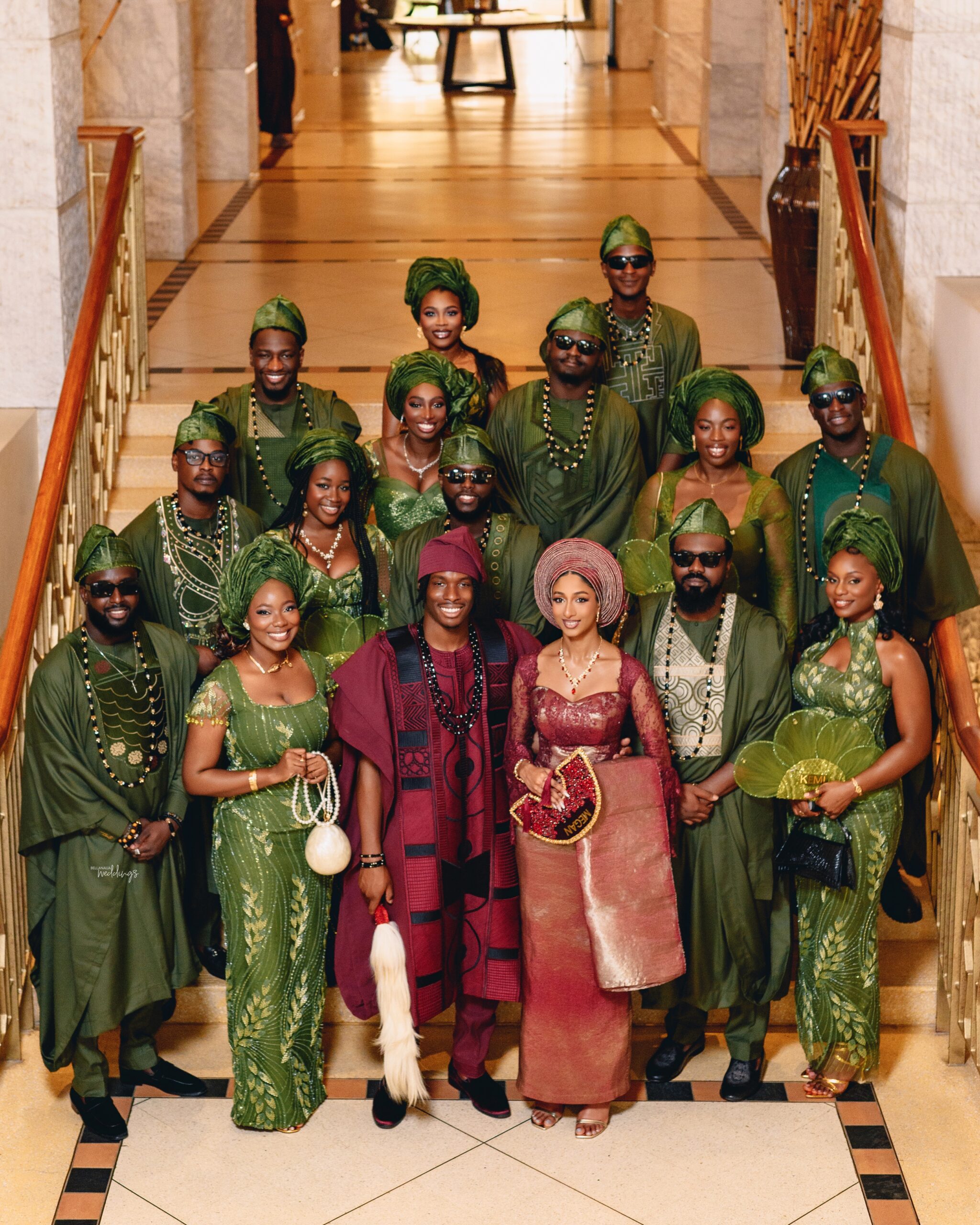
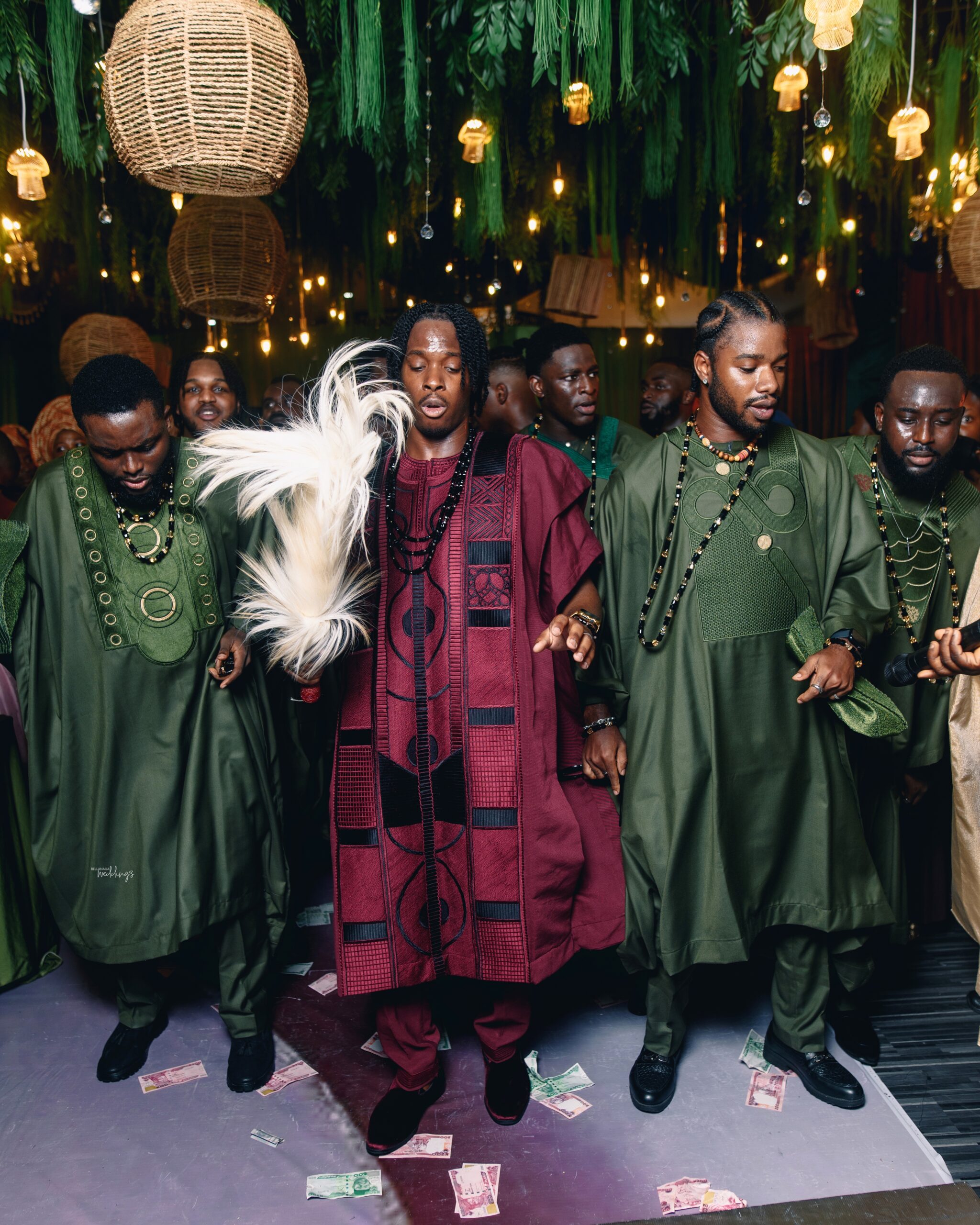
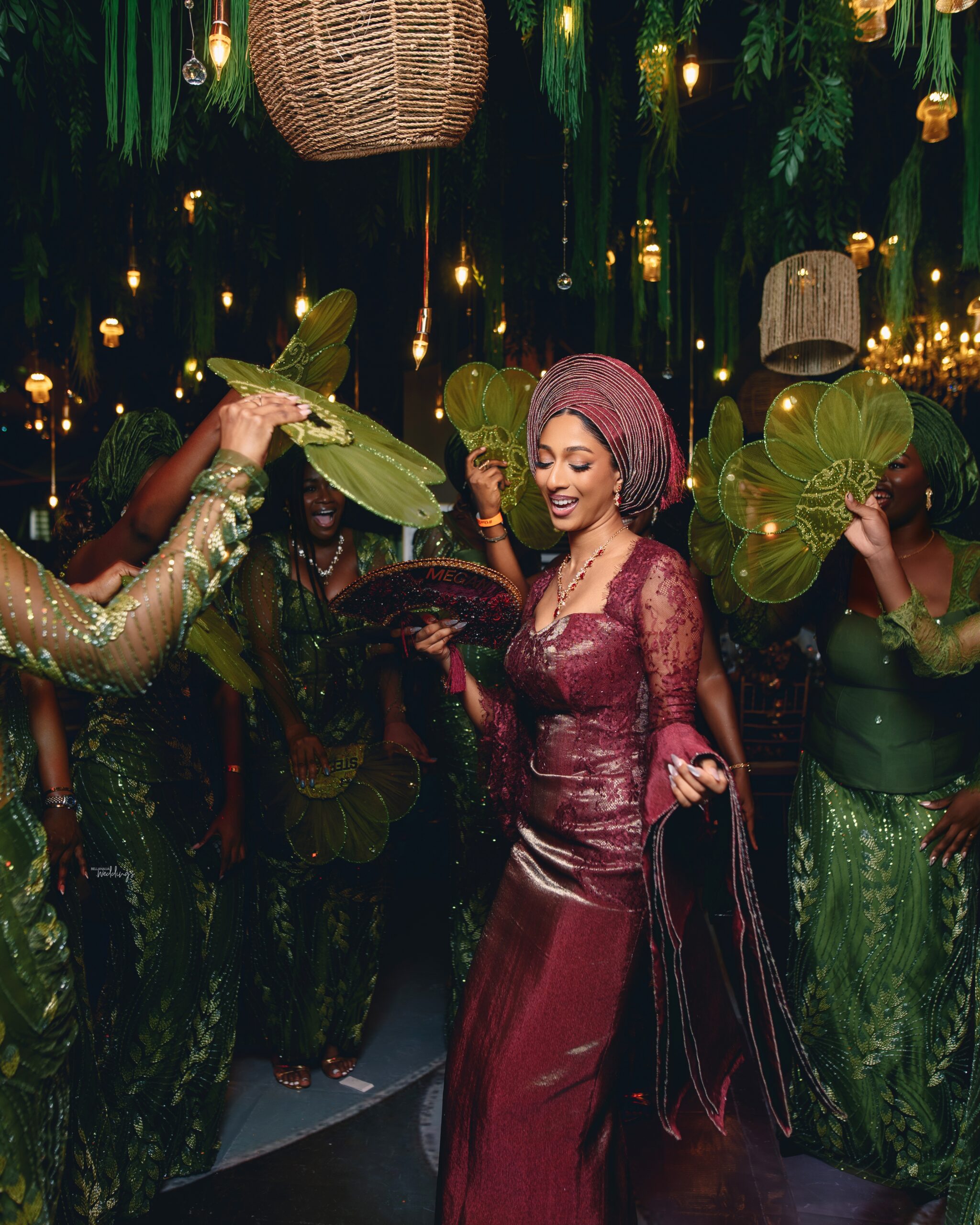
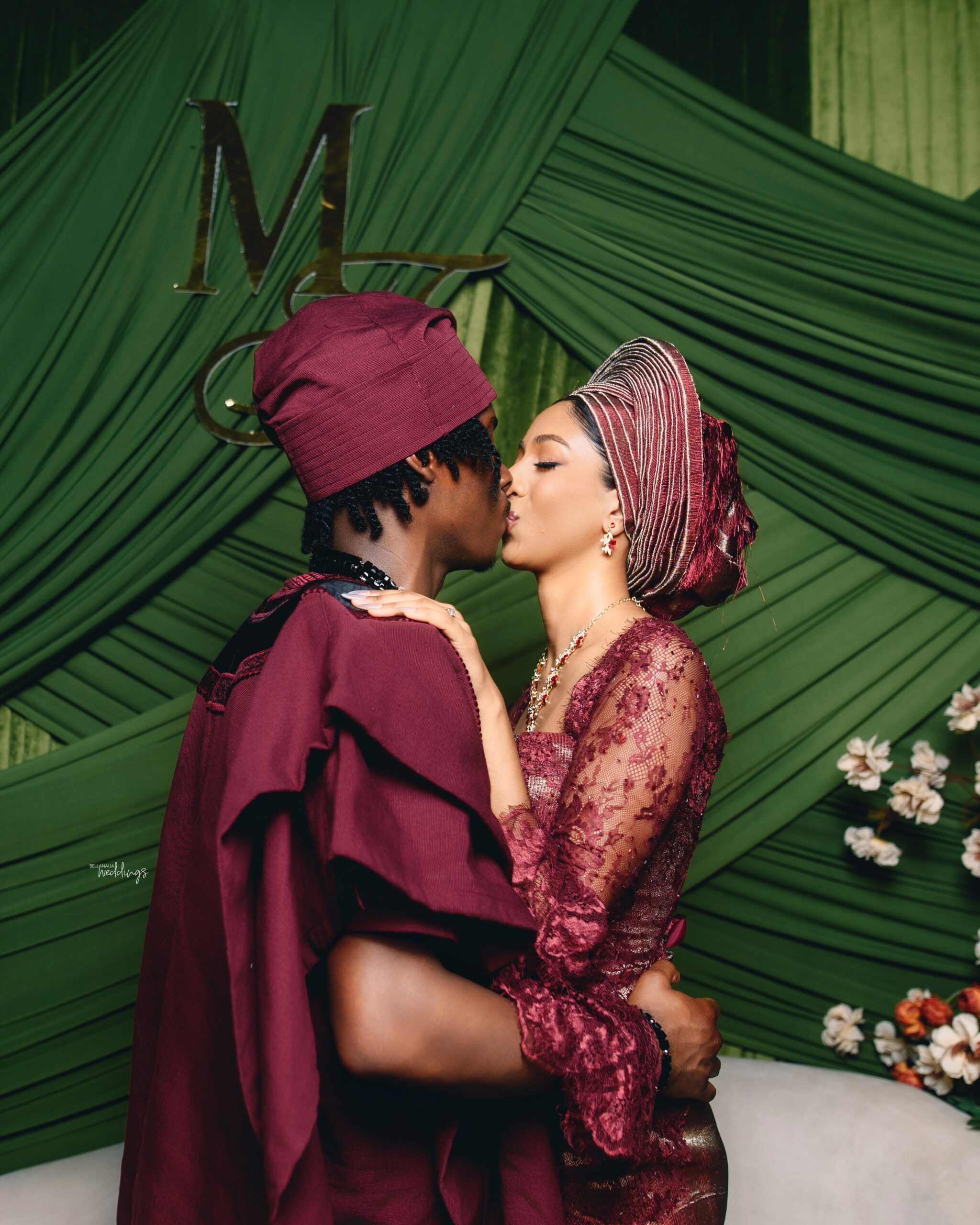
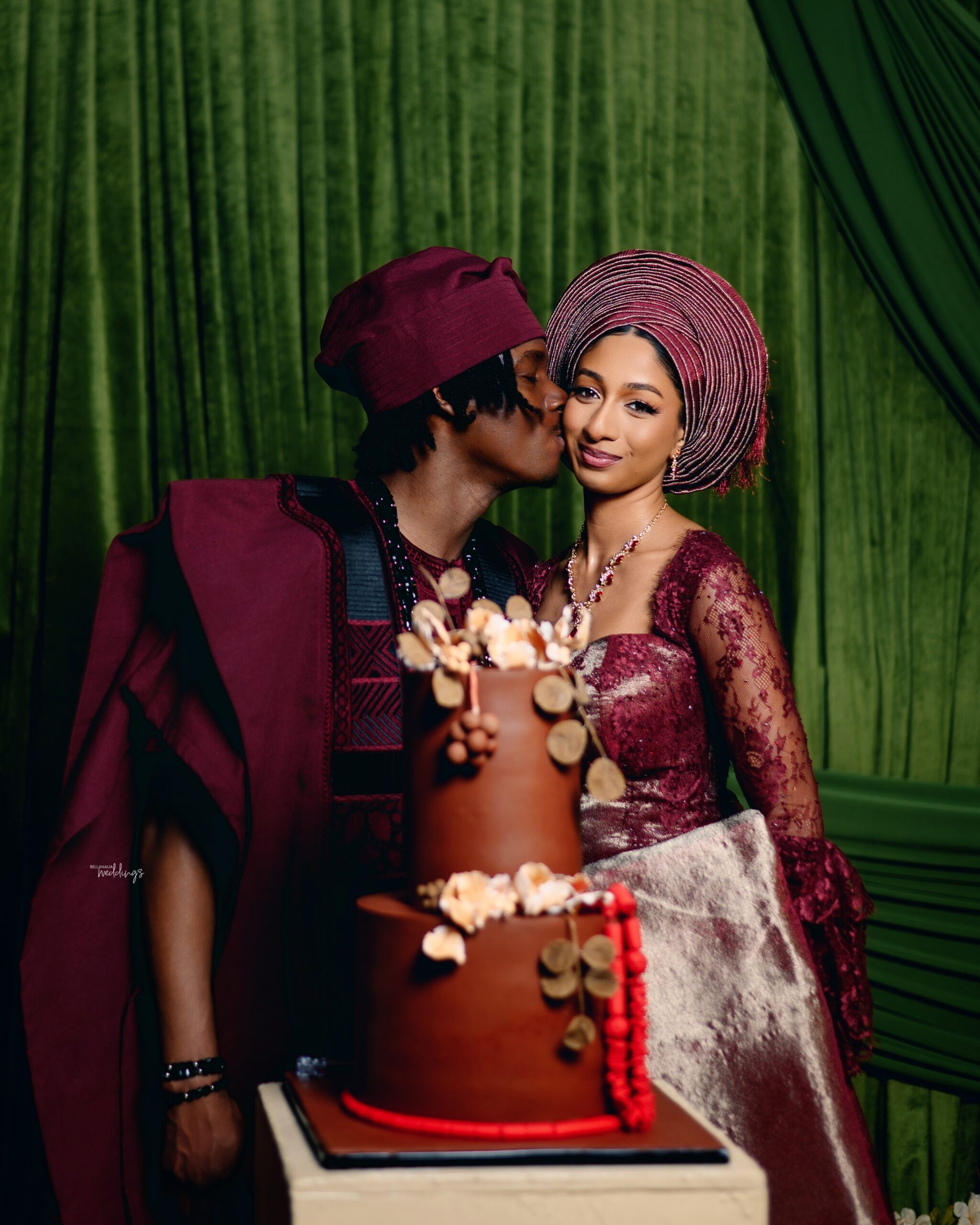
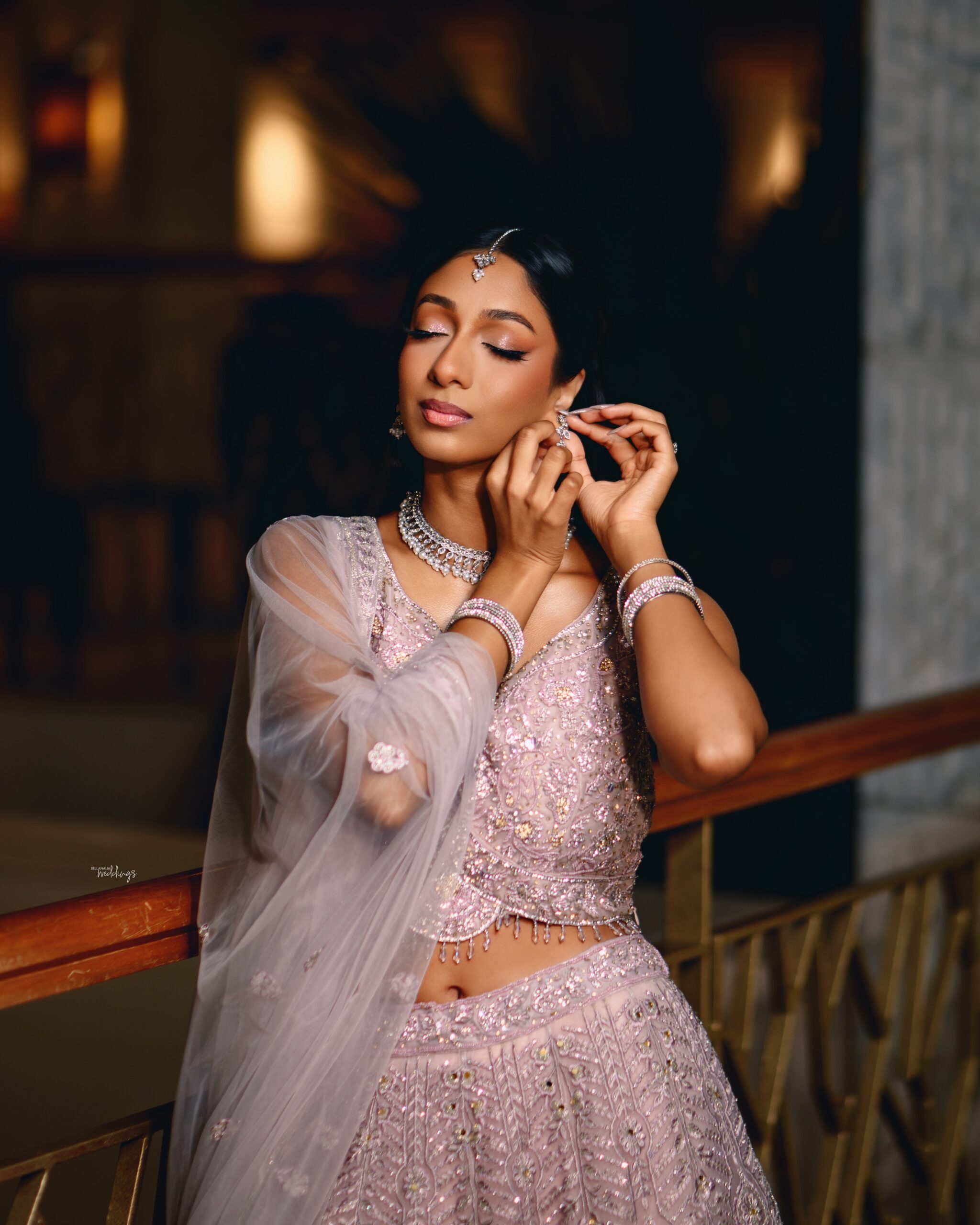
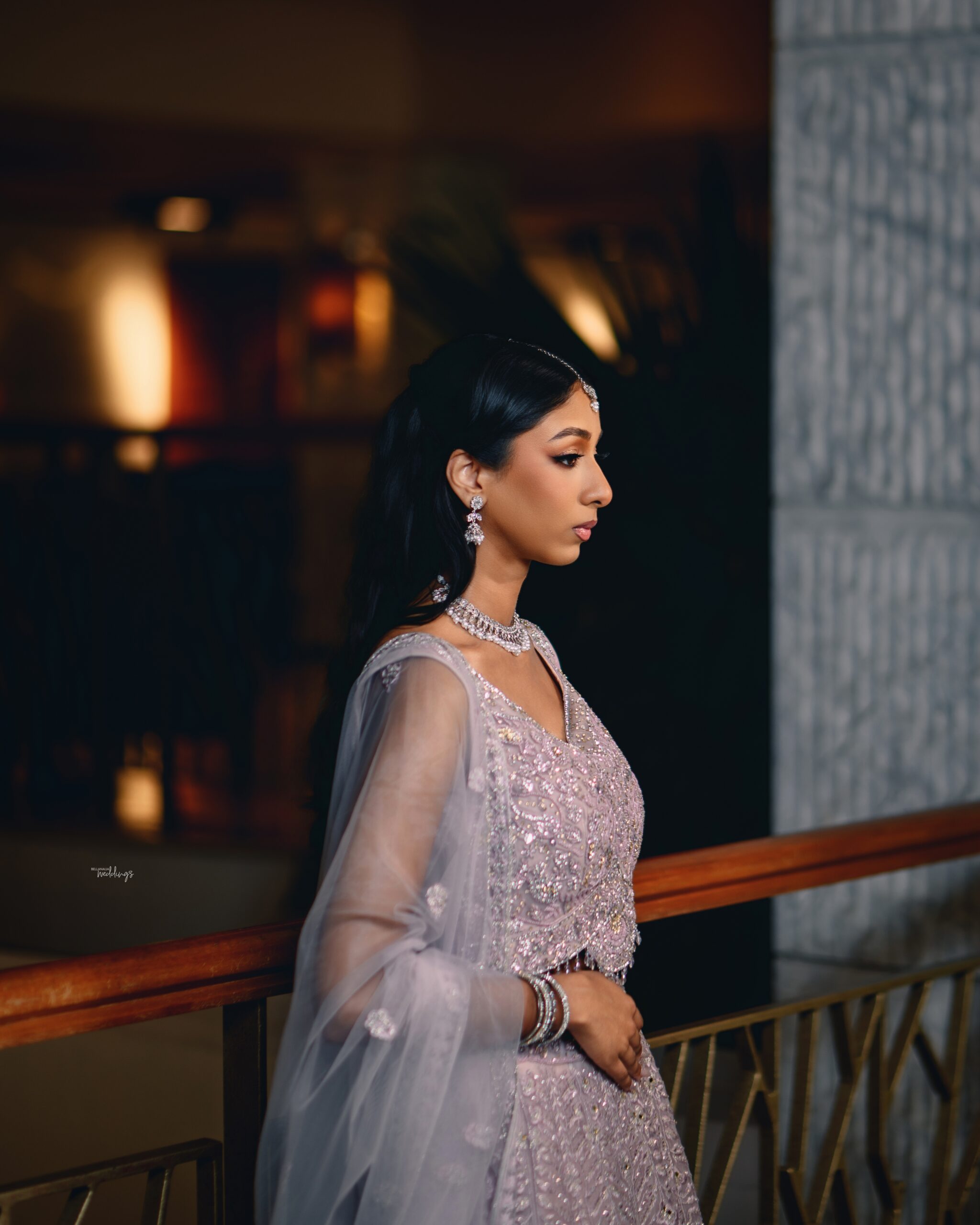
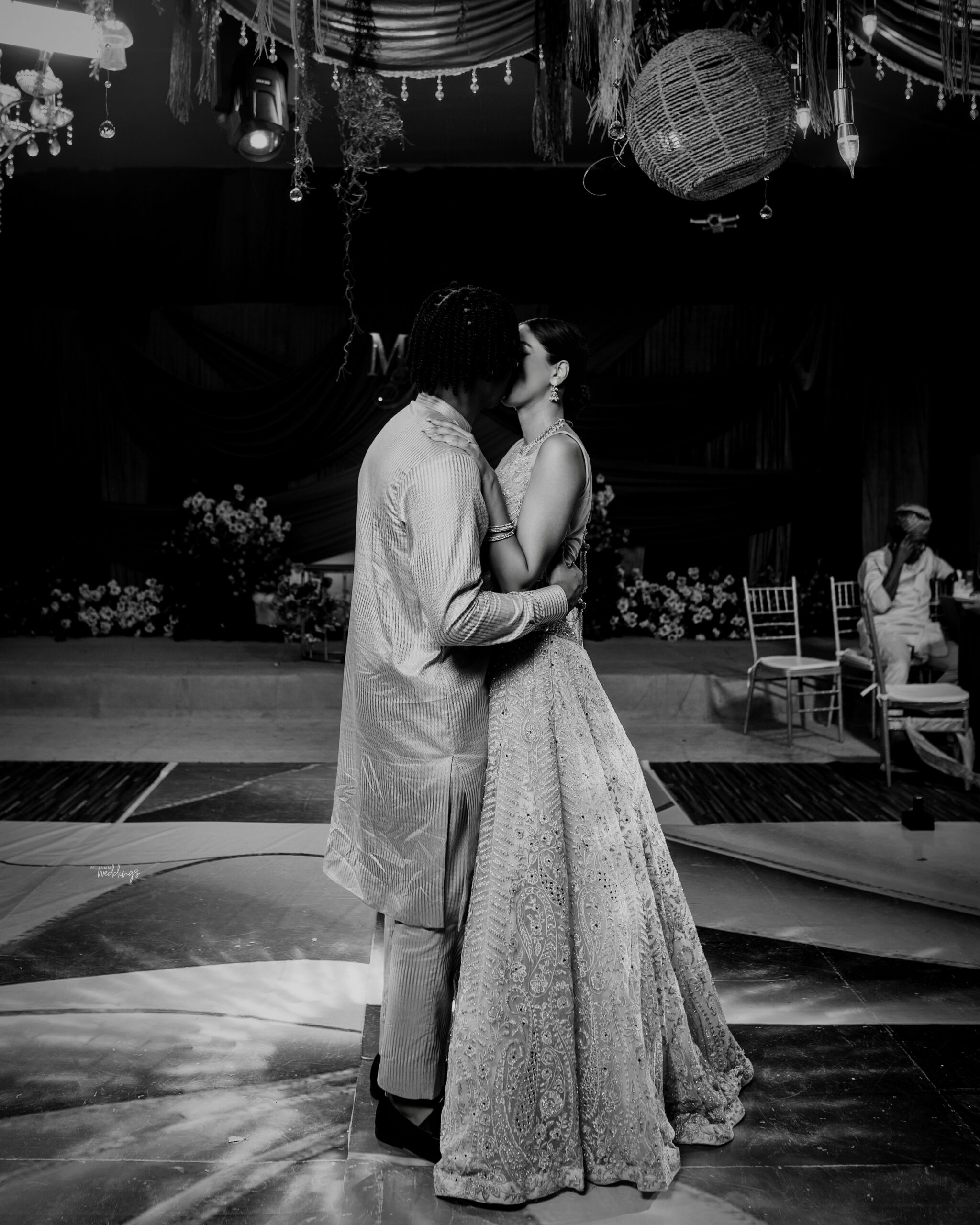
The couple first stepped out in stunning aso-oke outfits as they tied the knot according to Yoruba customs. Afterwards, they switched into breathtaking Indian ensembles for their reception, seamlessly blending both cultures. As they danced the night away, surrounded by family and friends, it was such a delight to witness the love and unity between both families. Their wedding was a beautiful reminder that love knows no boundaries and that when two cultures come together, the result can be nothing short of magical. ❤️
Enjoy their traditional wedding photos and love story below:
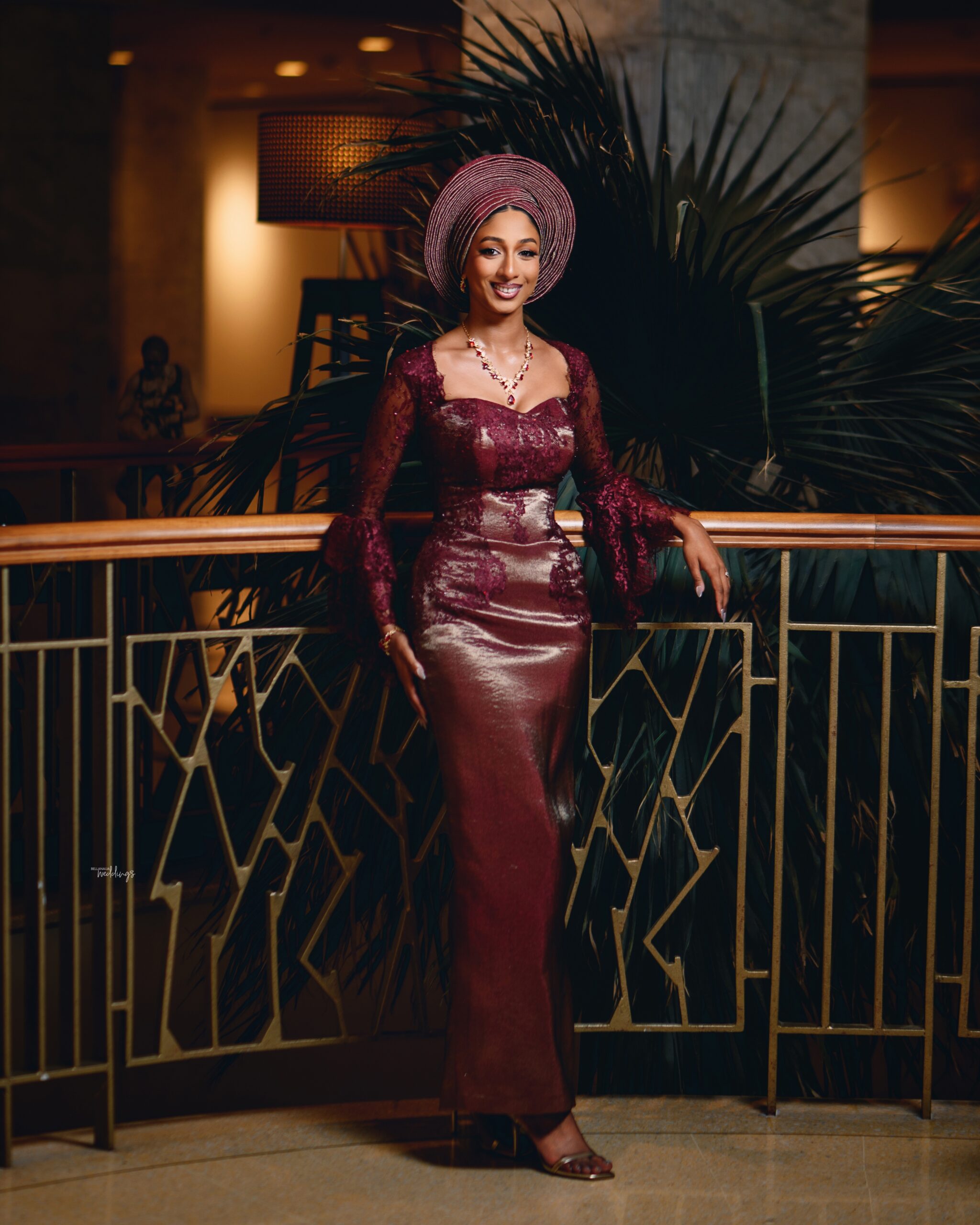
Their love story as shared by Megan:
The first time I met Teni, it was his second day at work. He seemed so quiet, shy and timid, and I immediately felt this urge to make sure he felt comfortable. I started with a simple question about where he was from, and before I knew it, I was talking his ear off, wanting to know everything about who he was- what he liked, what made him smile. Three and a half years later, nothing has changed. I still love learning every detail, every thought and every feeling.
Megan looks so regal in this asooke look 😍
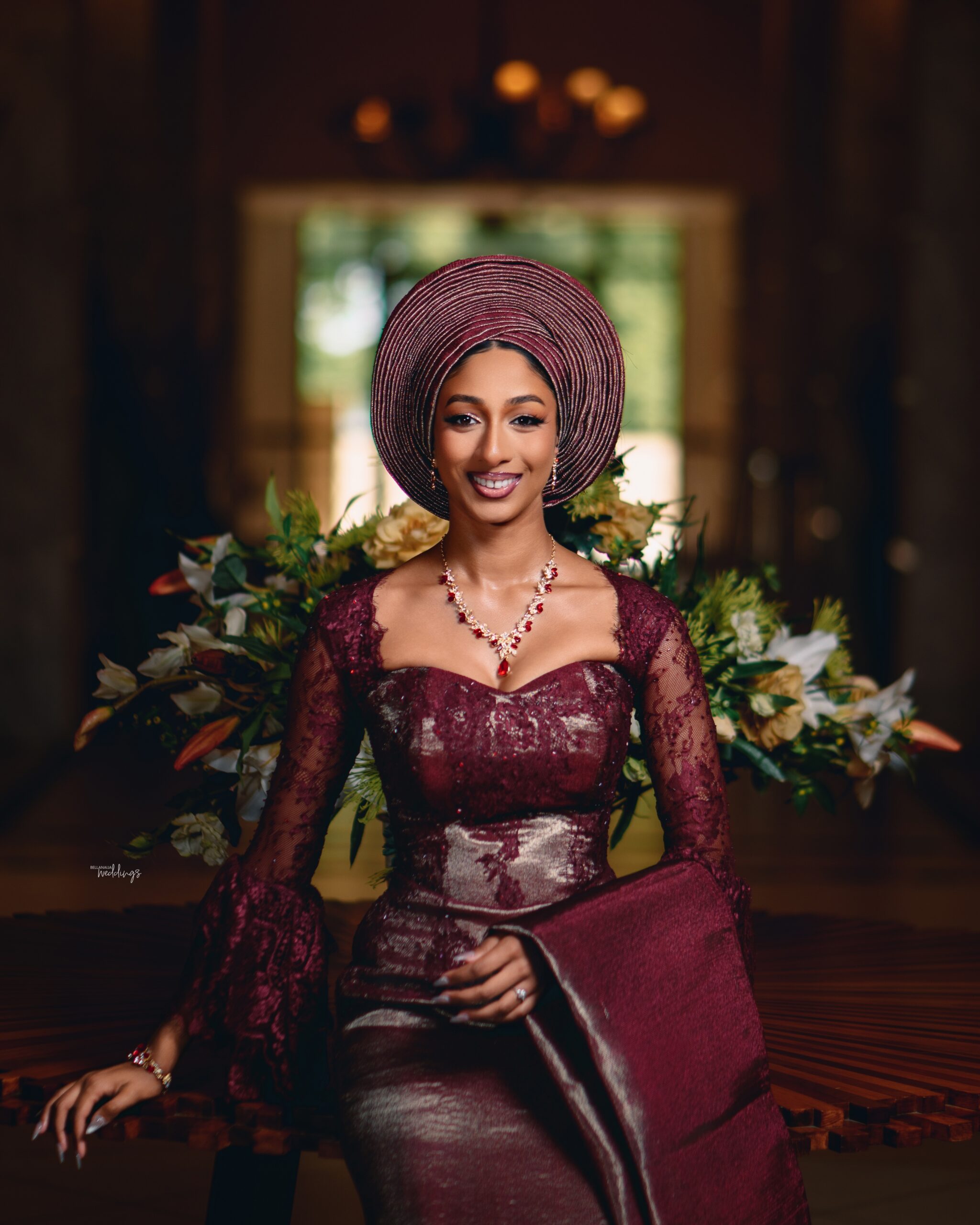
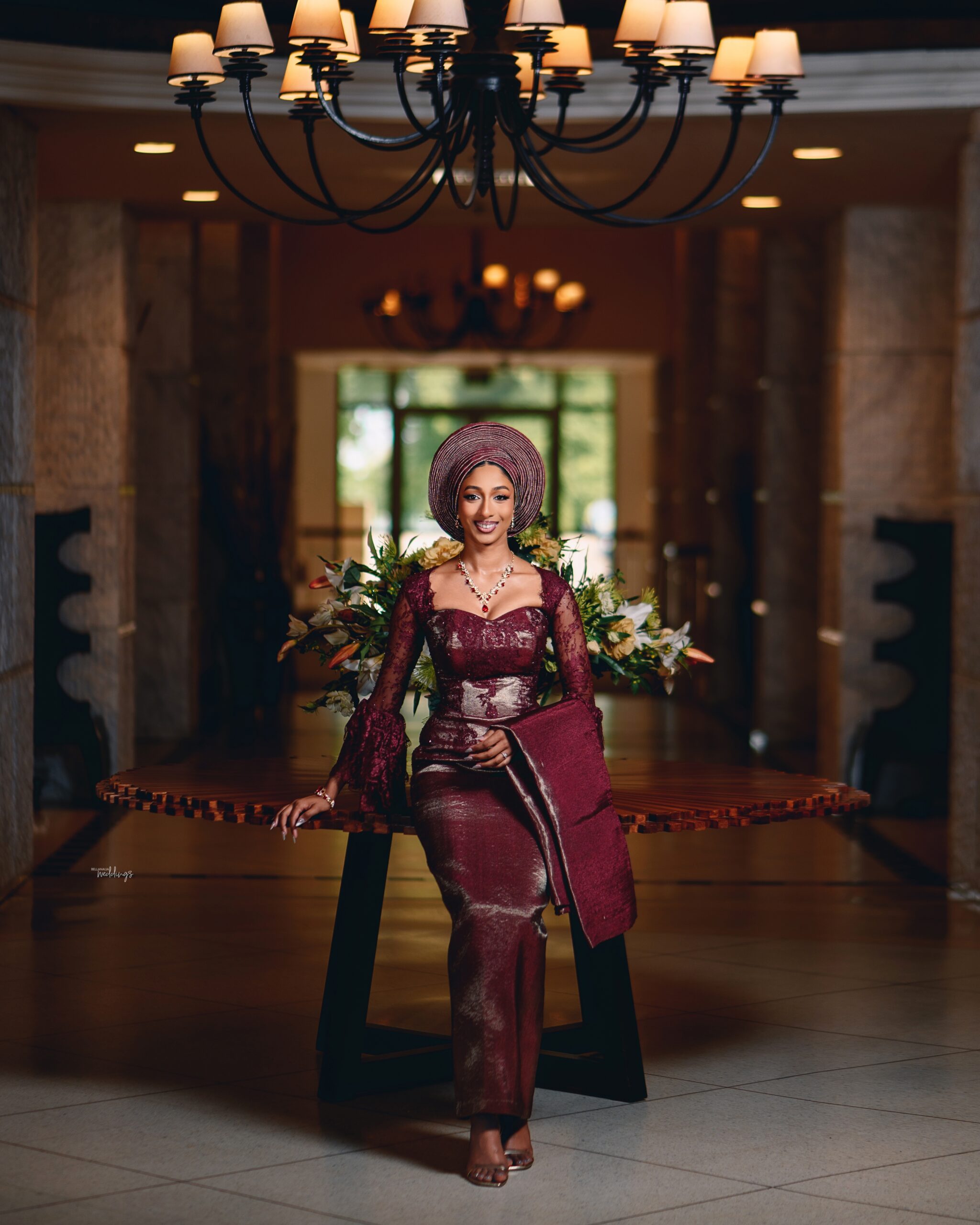
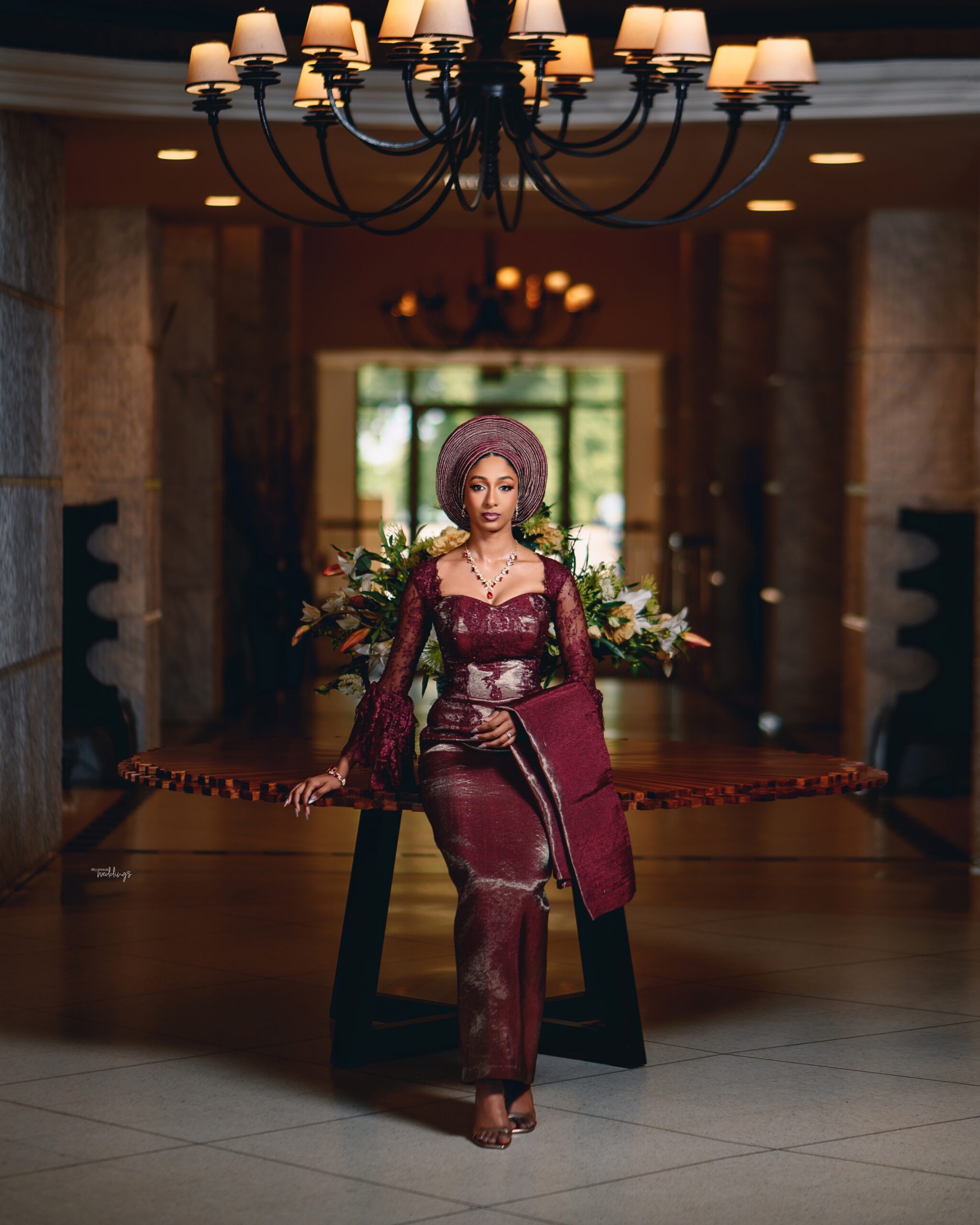
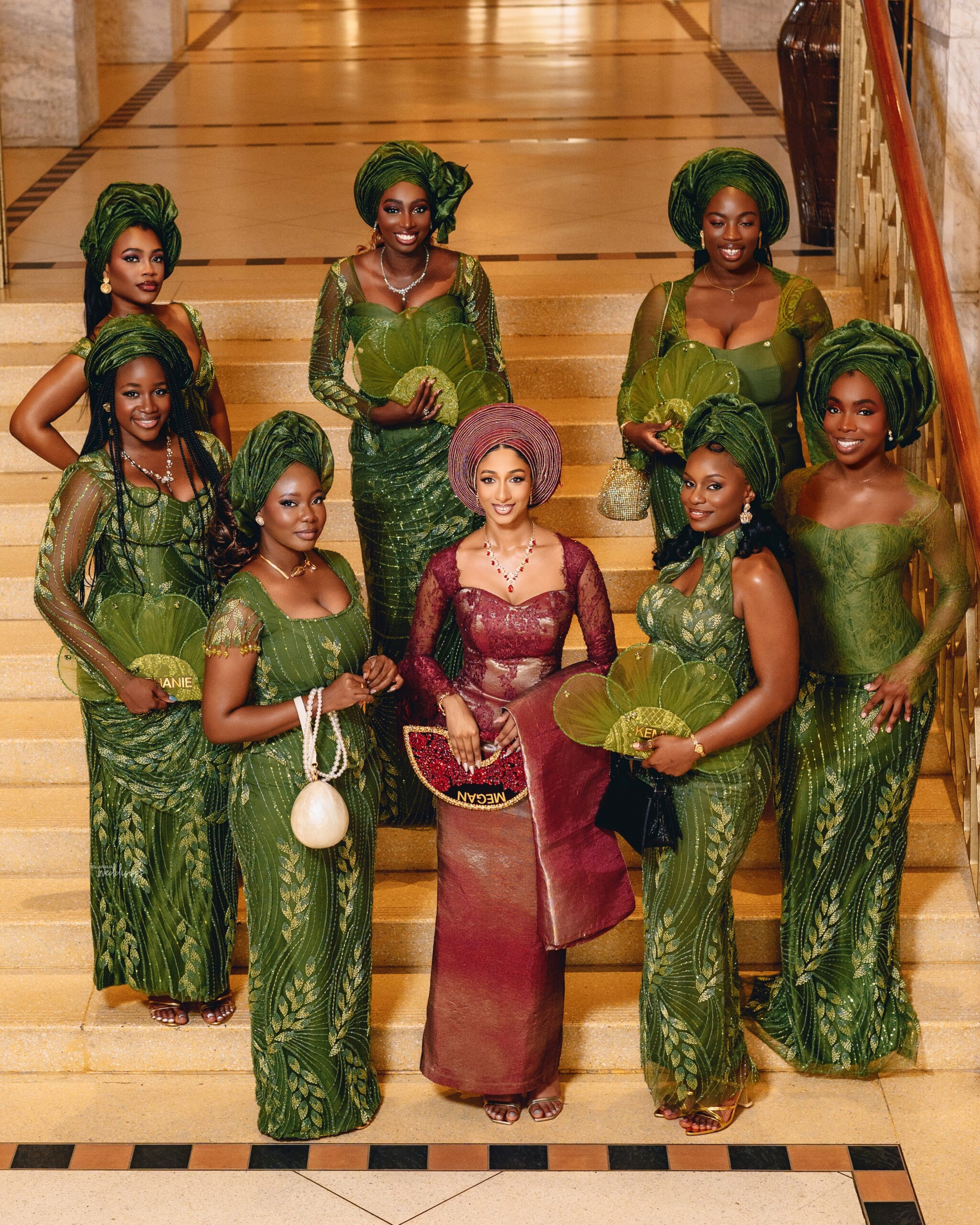
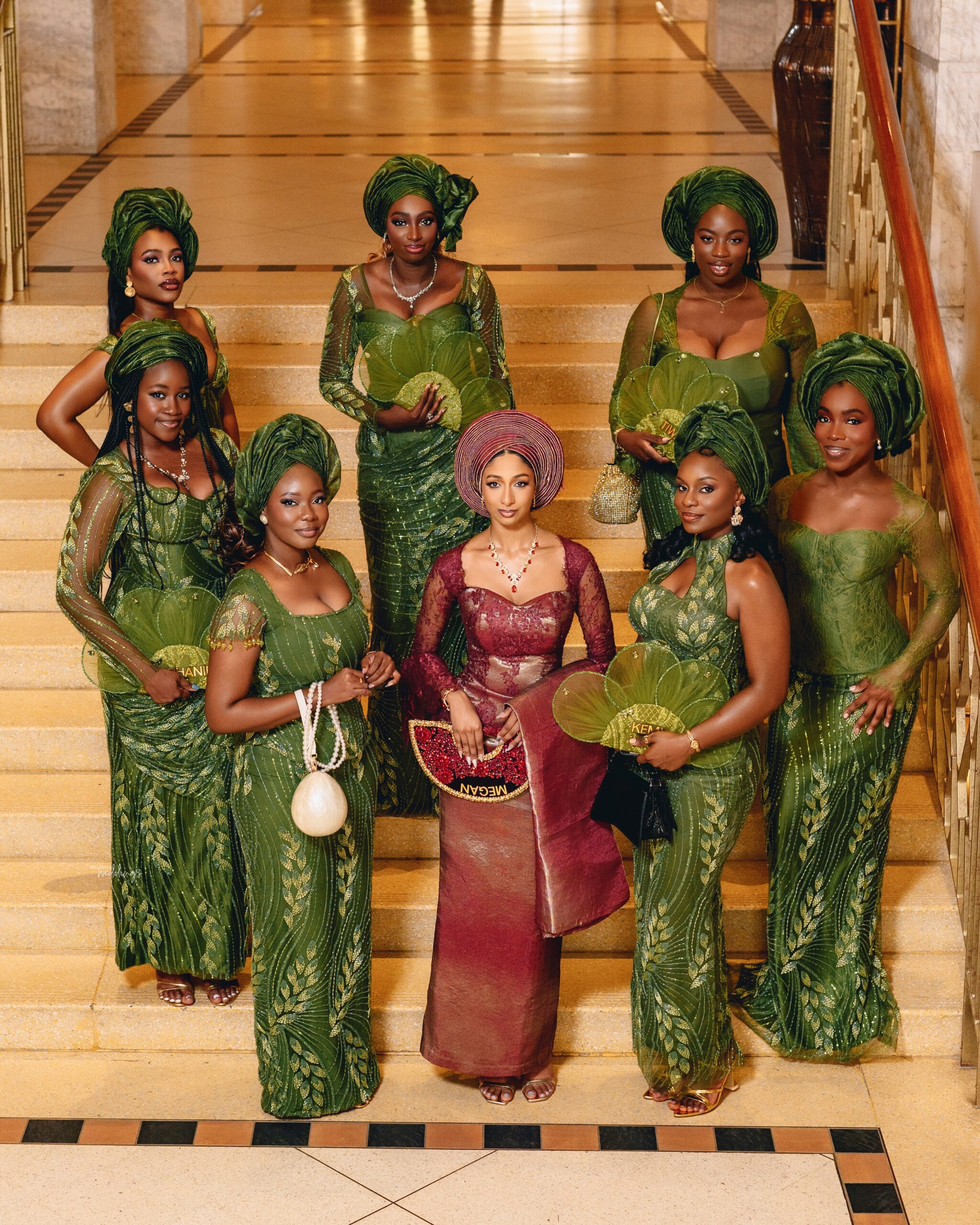
A stunning bride and her stunning squad
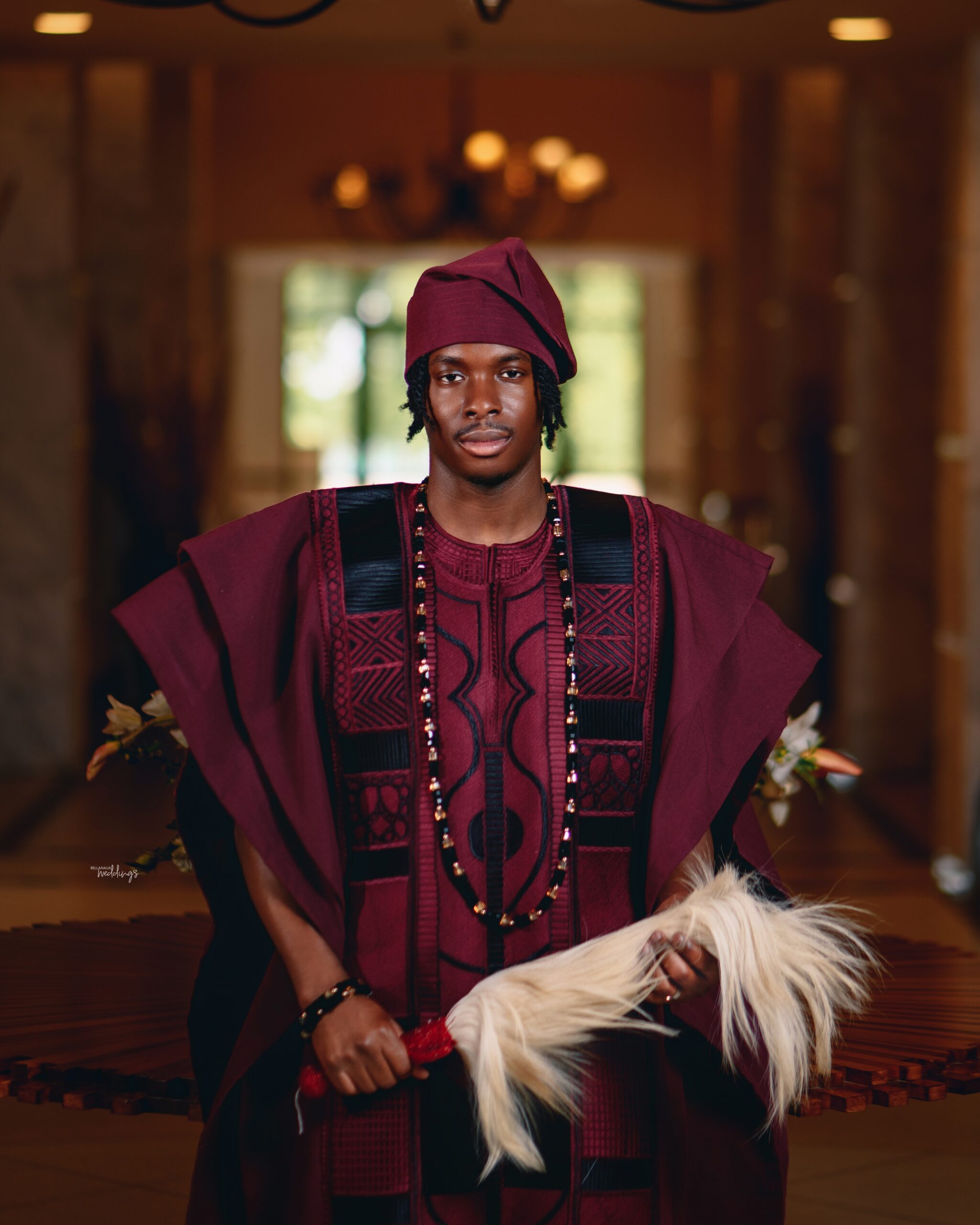
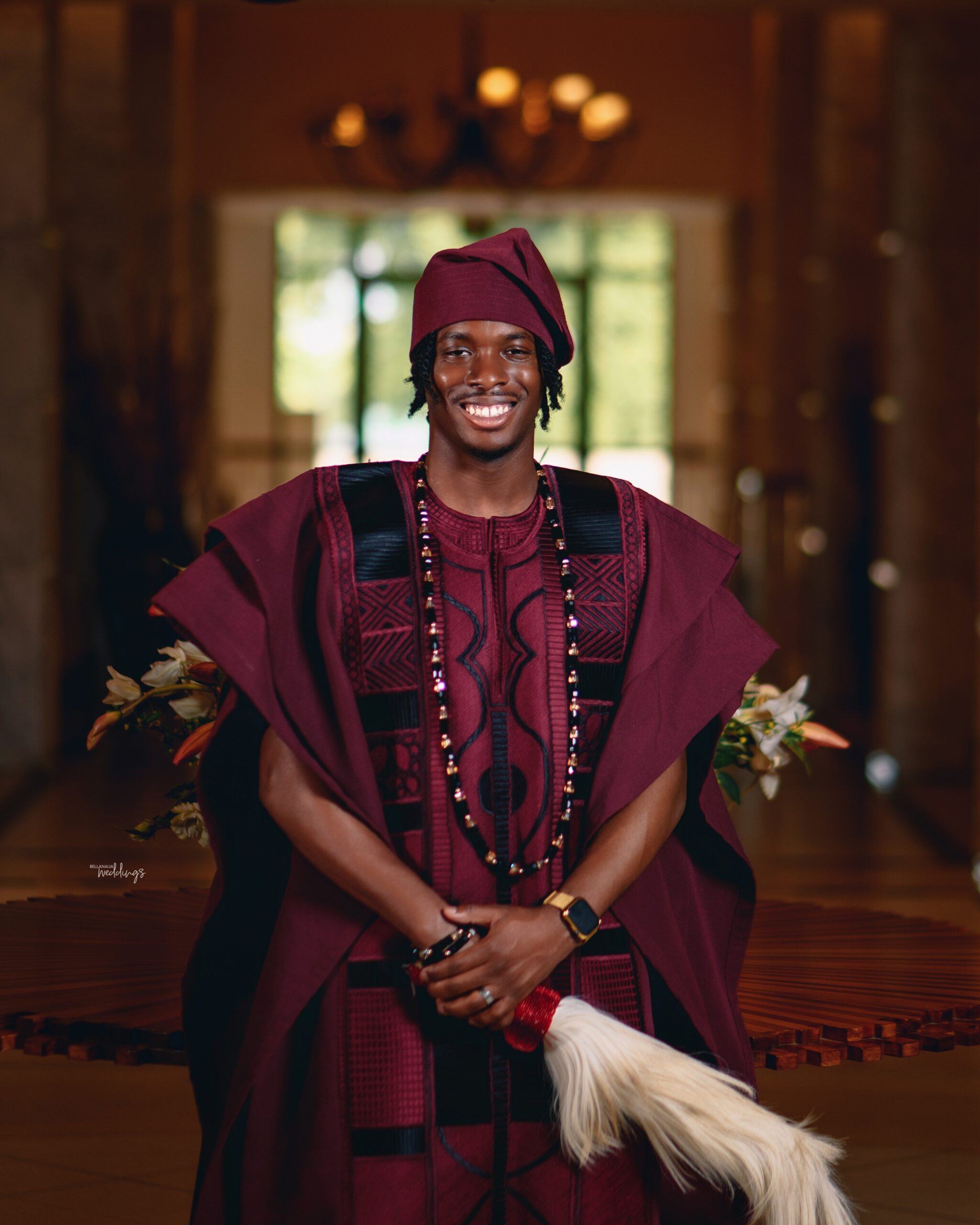
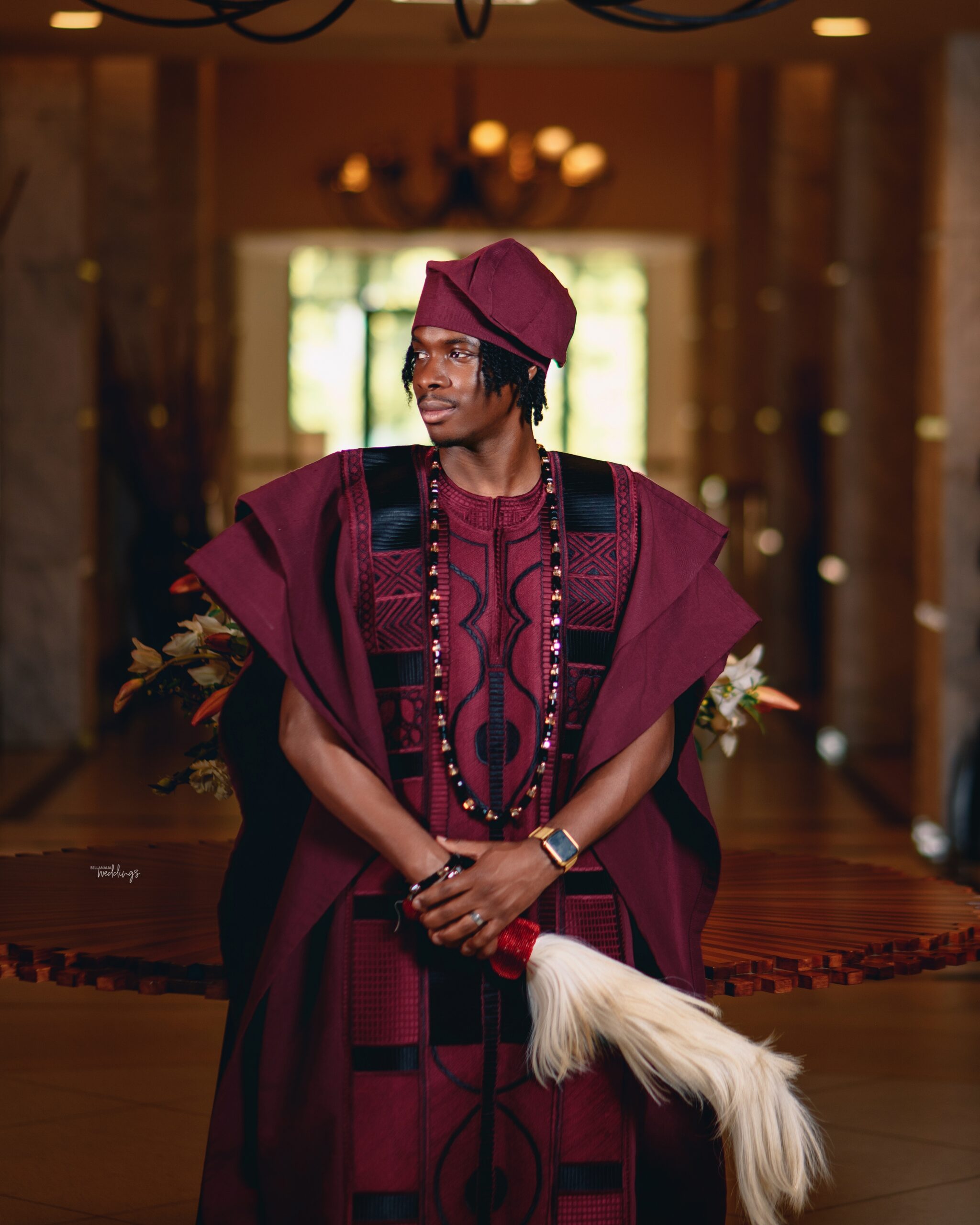
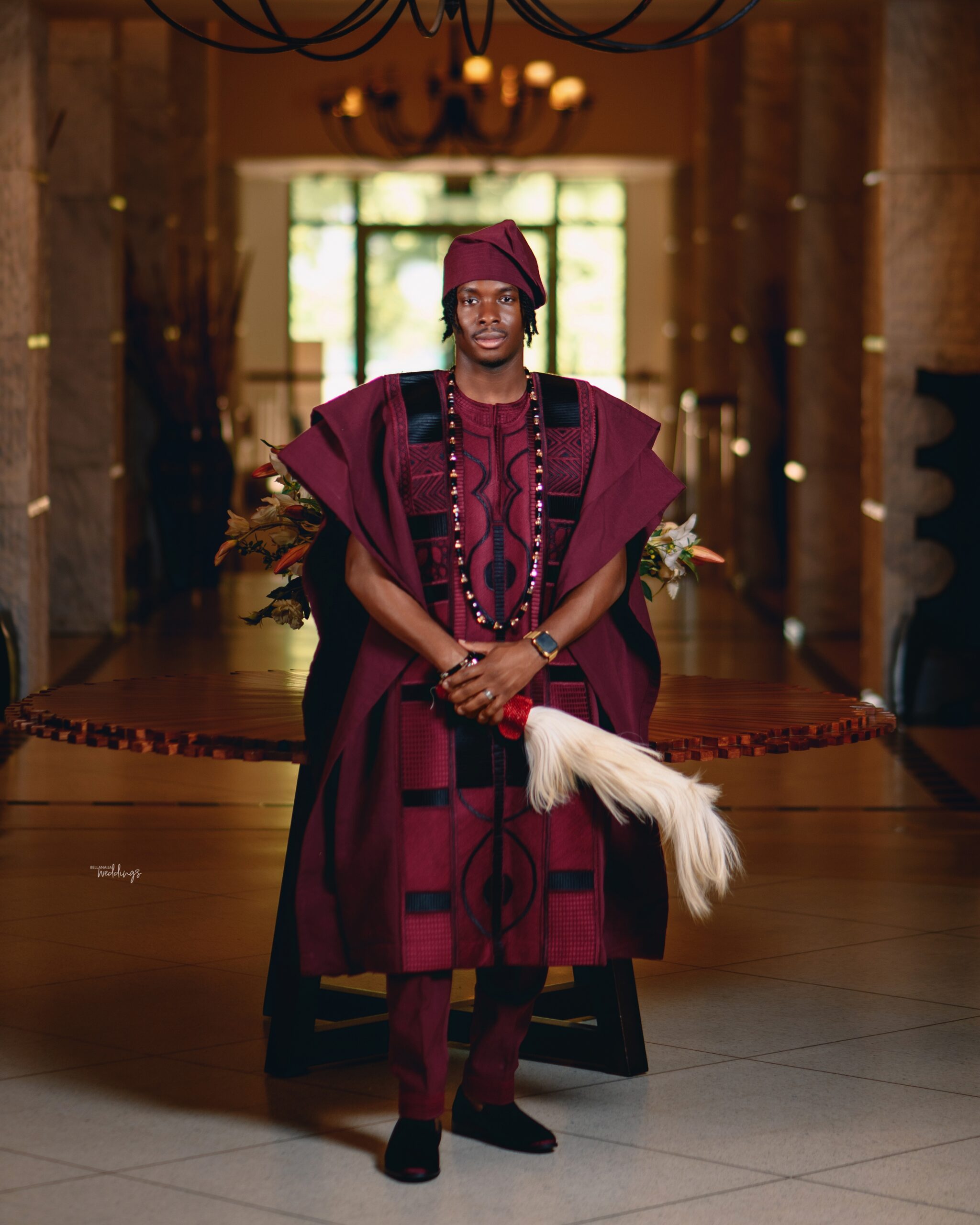
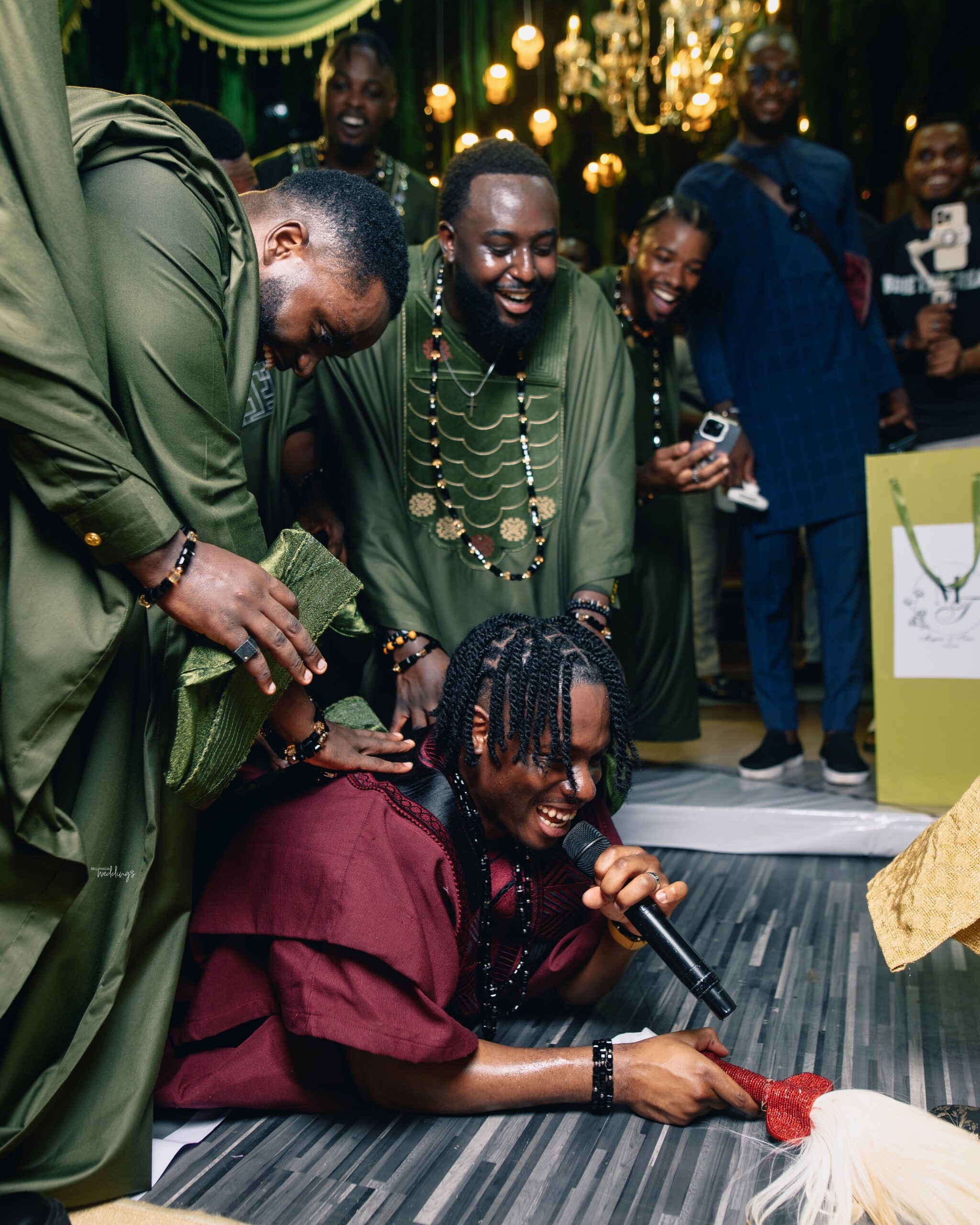
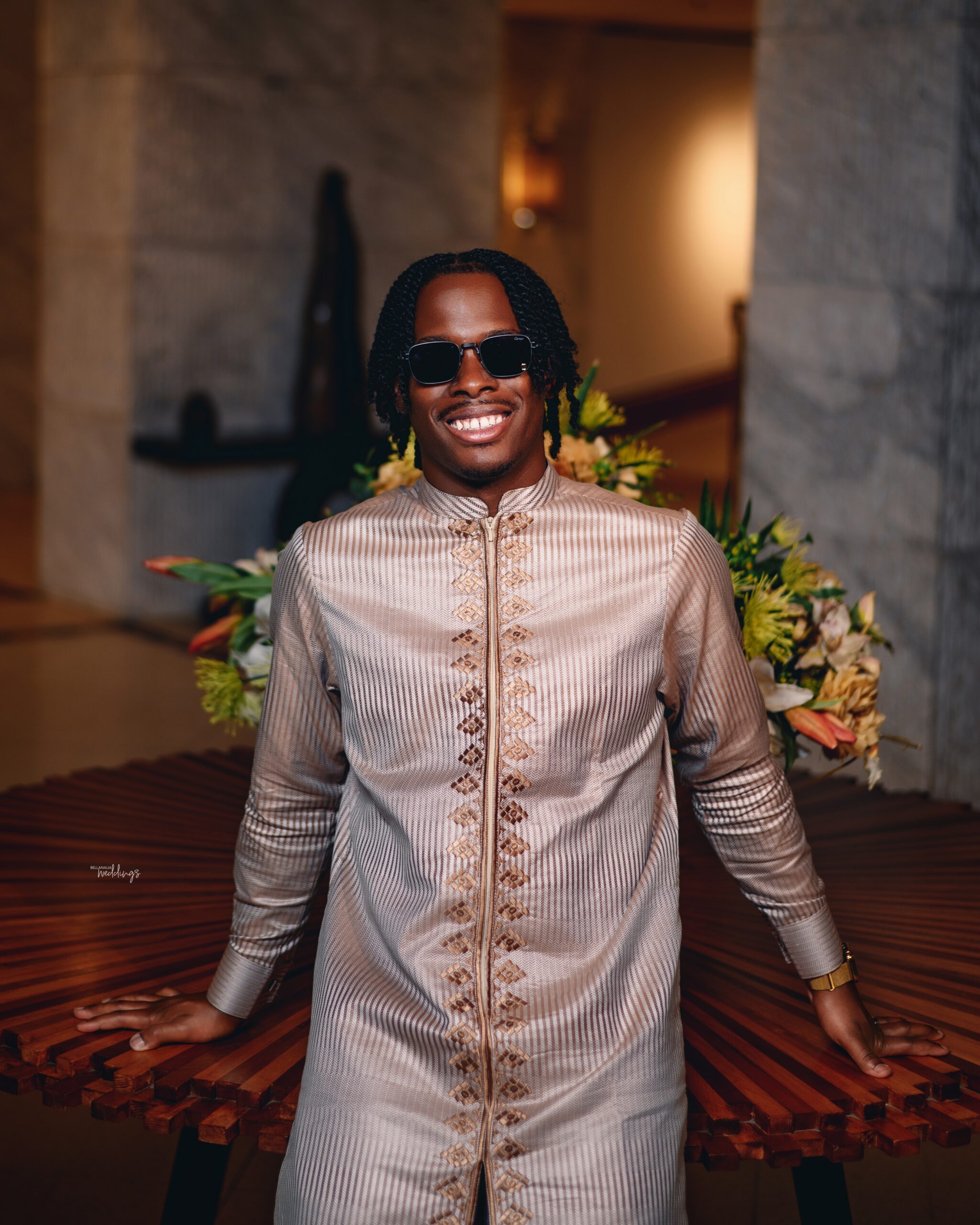
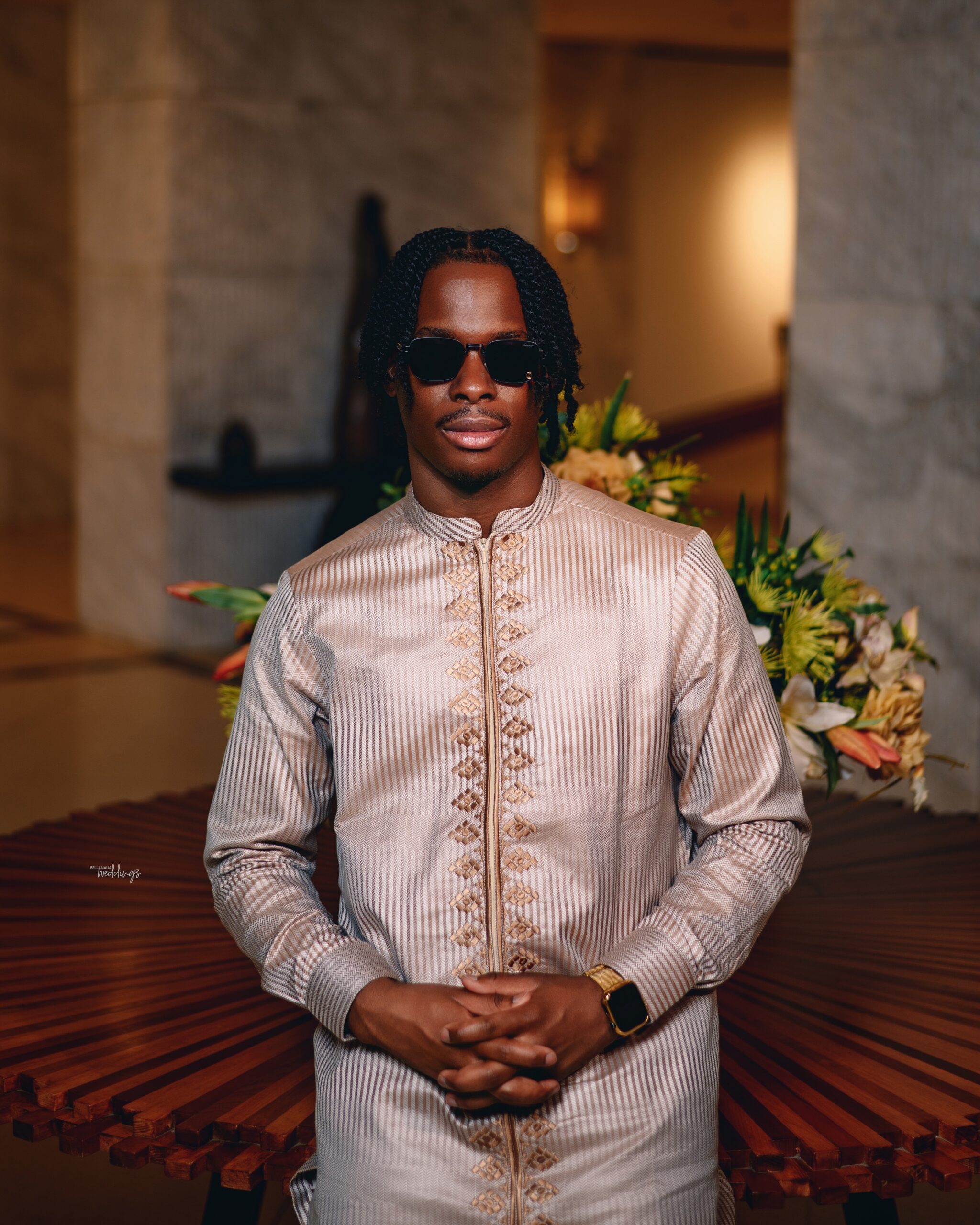
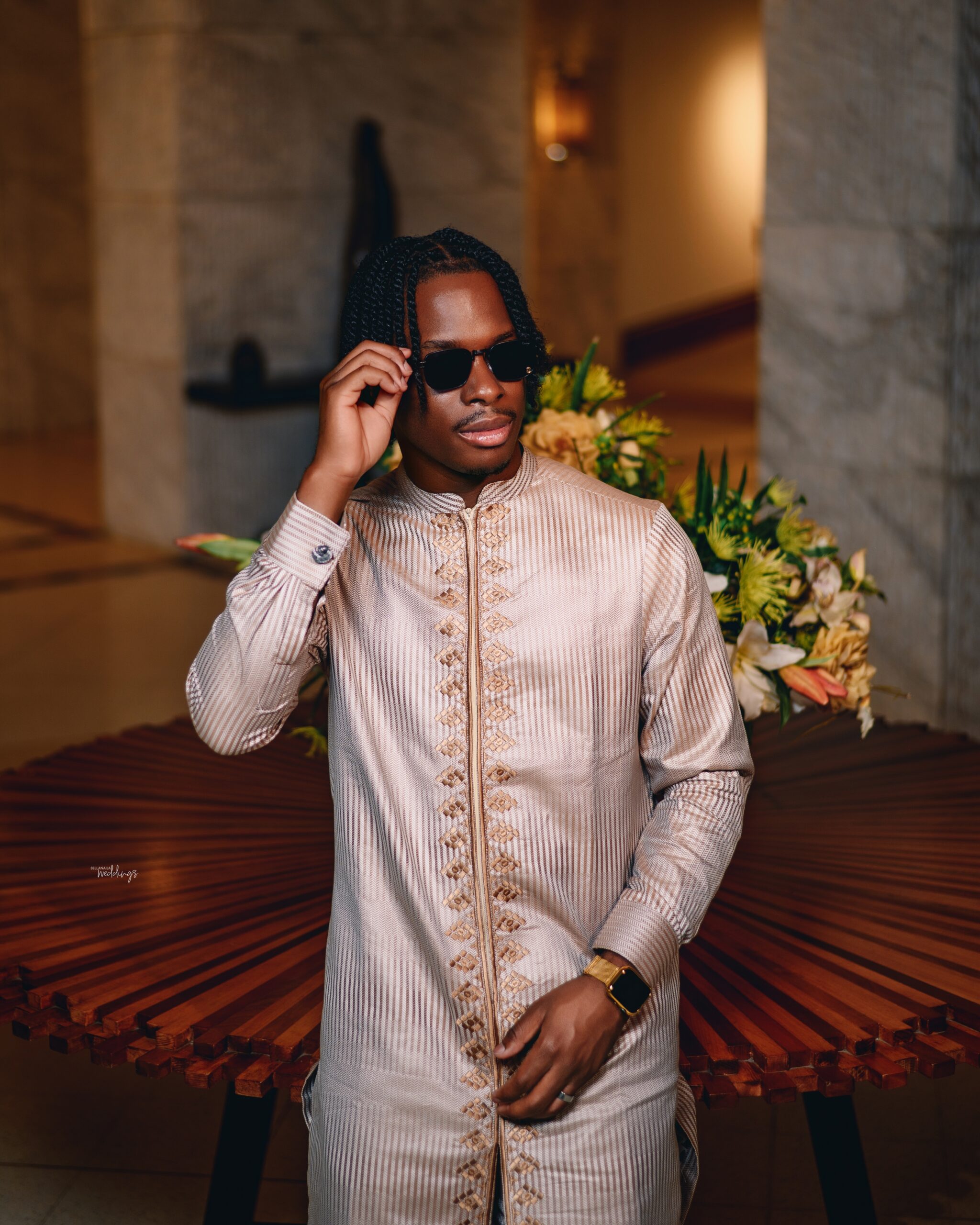
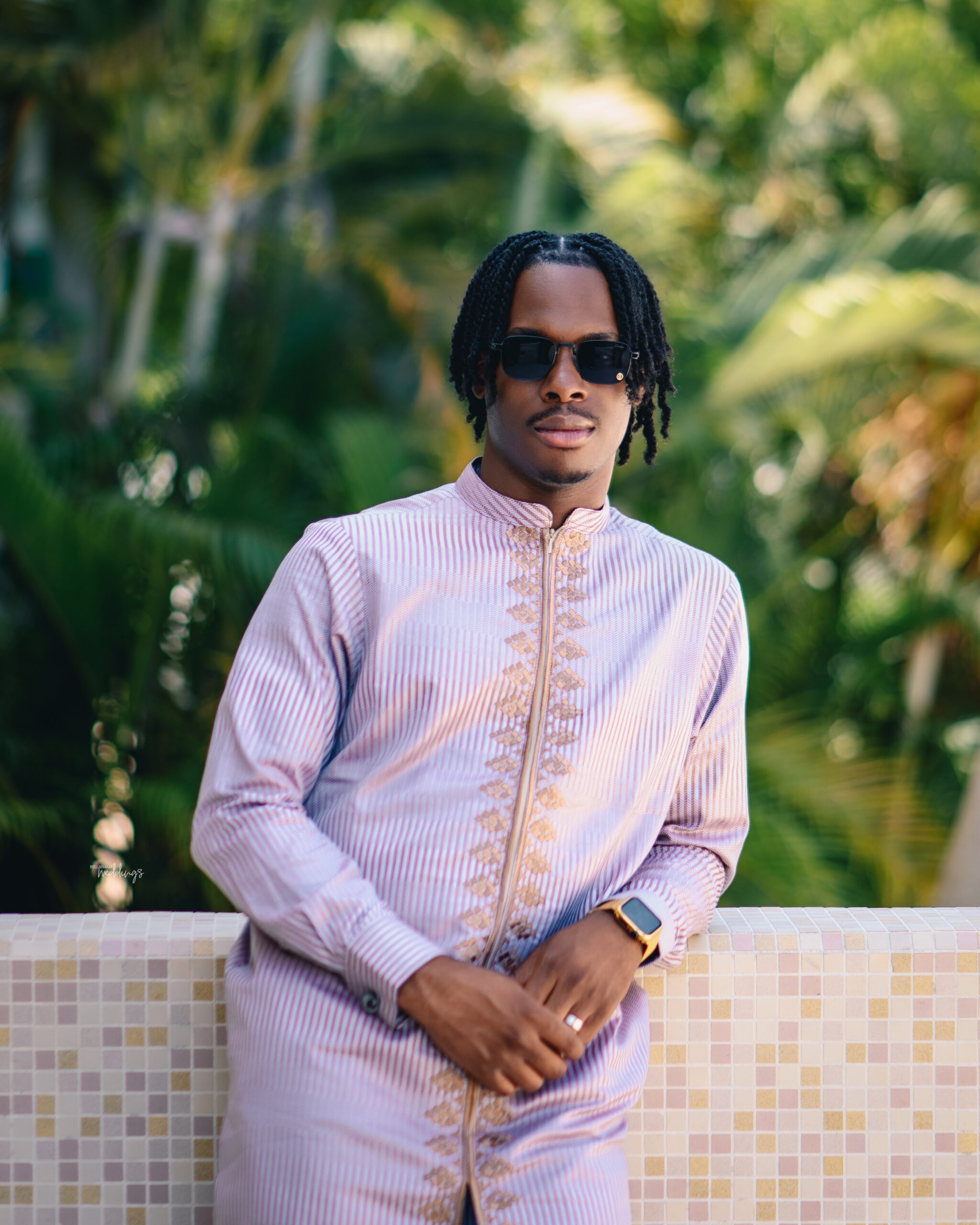
Teni made such a dapper groom!
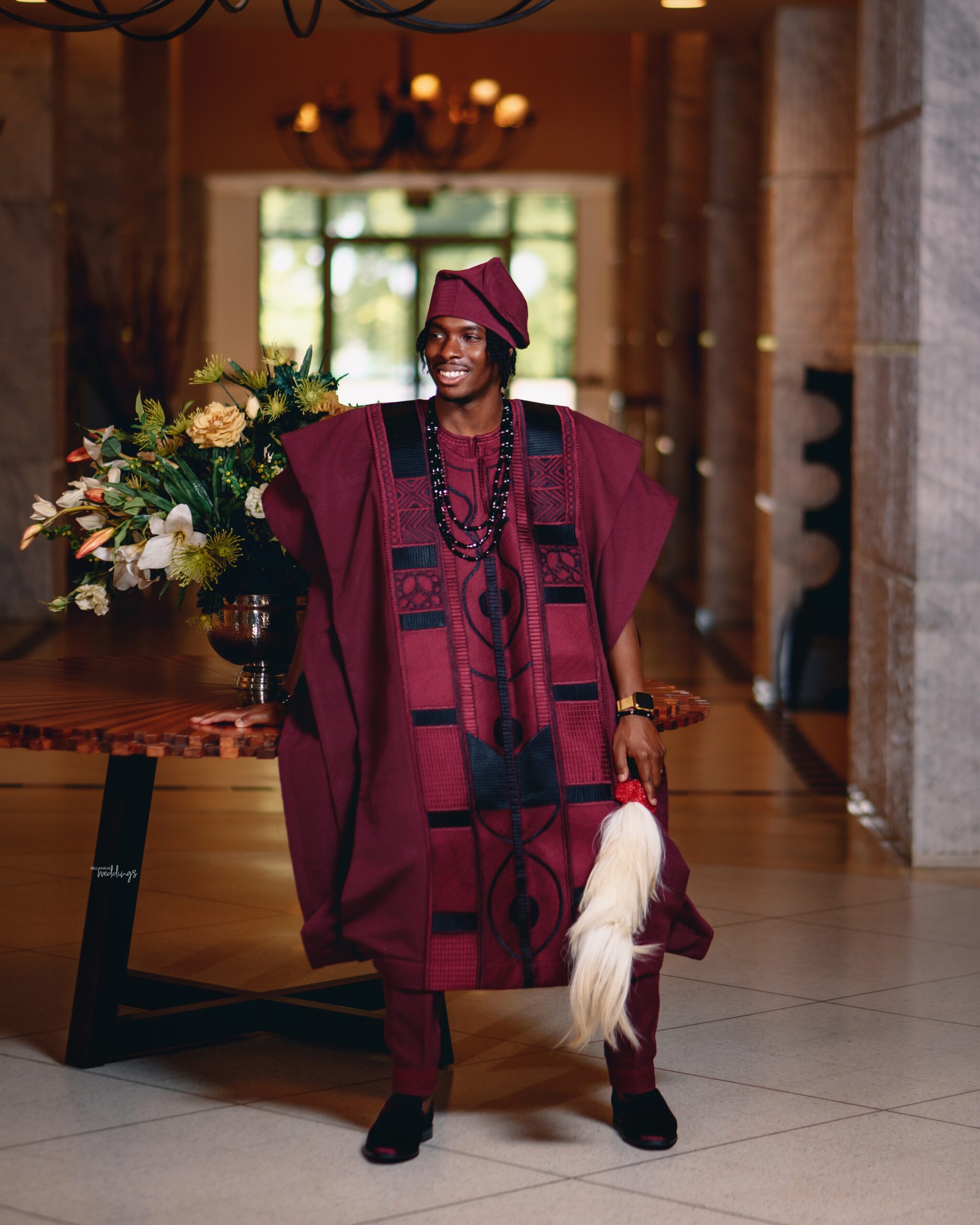
Did someone say lit squad?
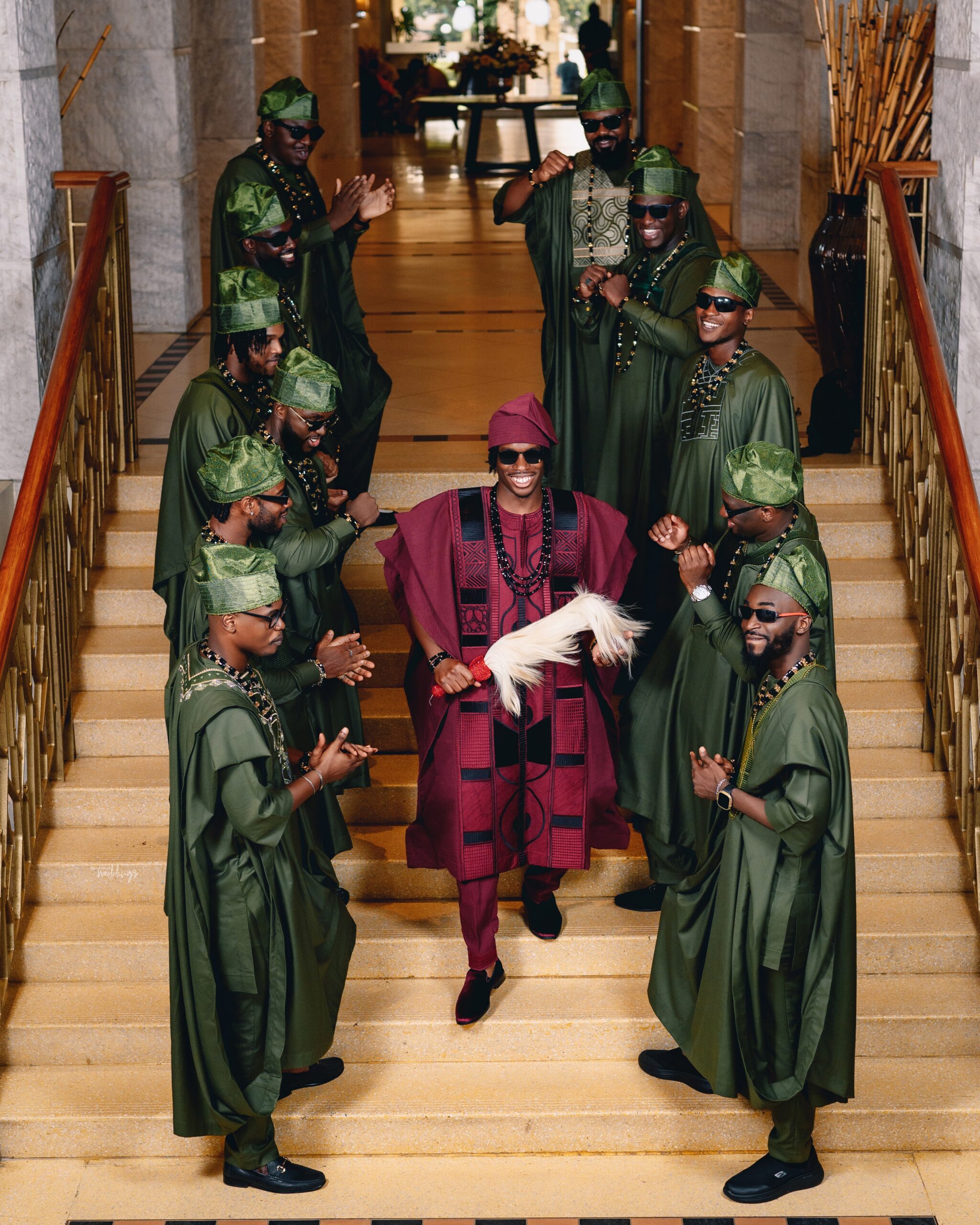
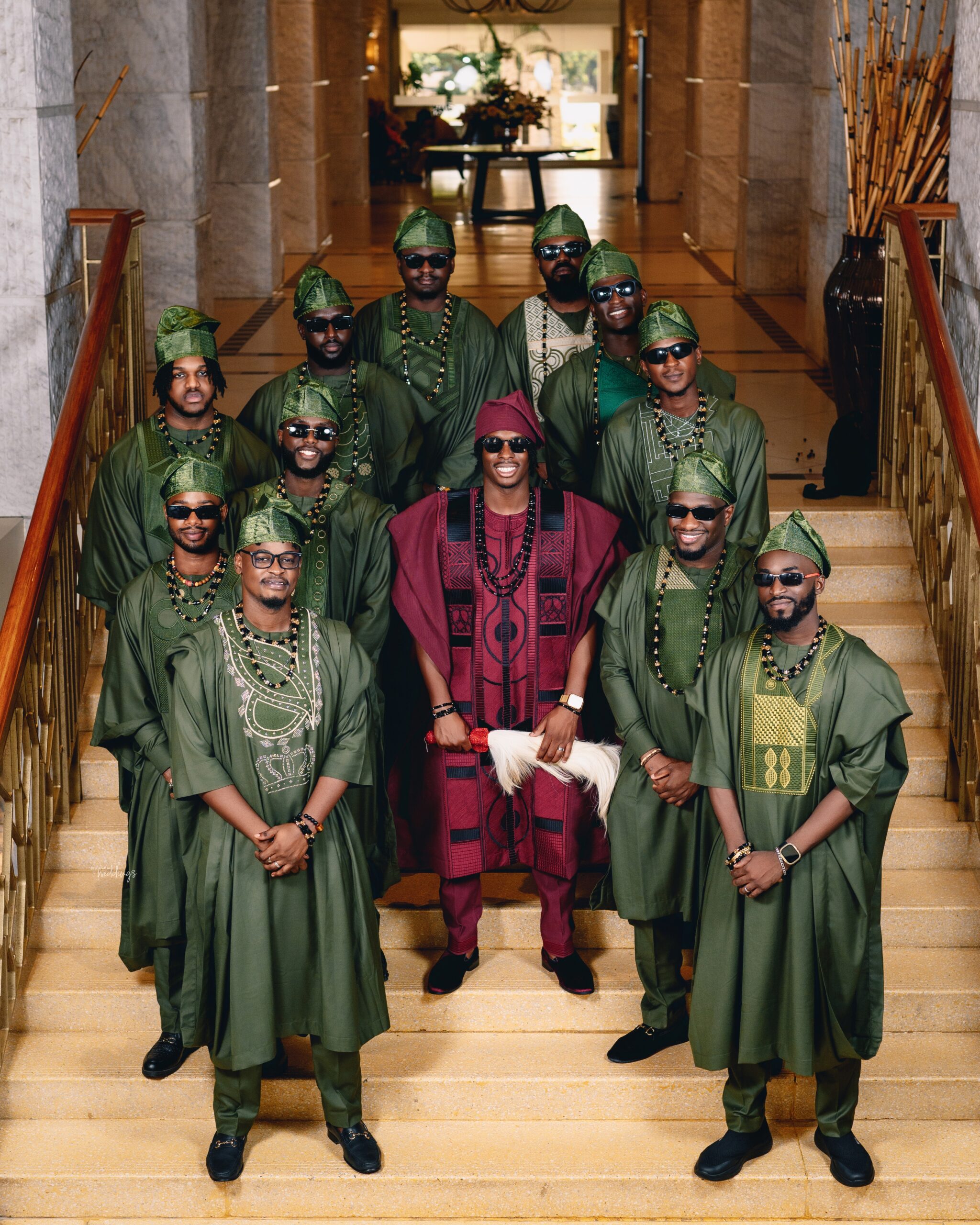
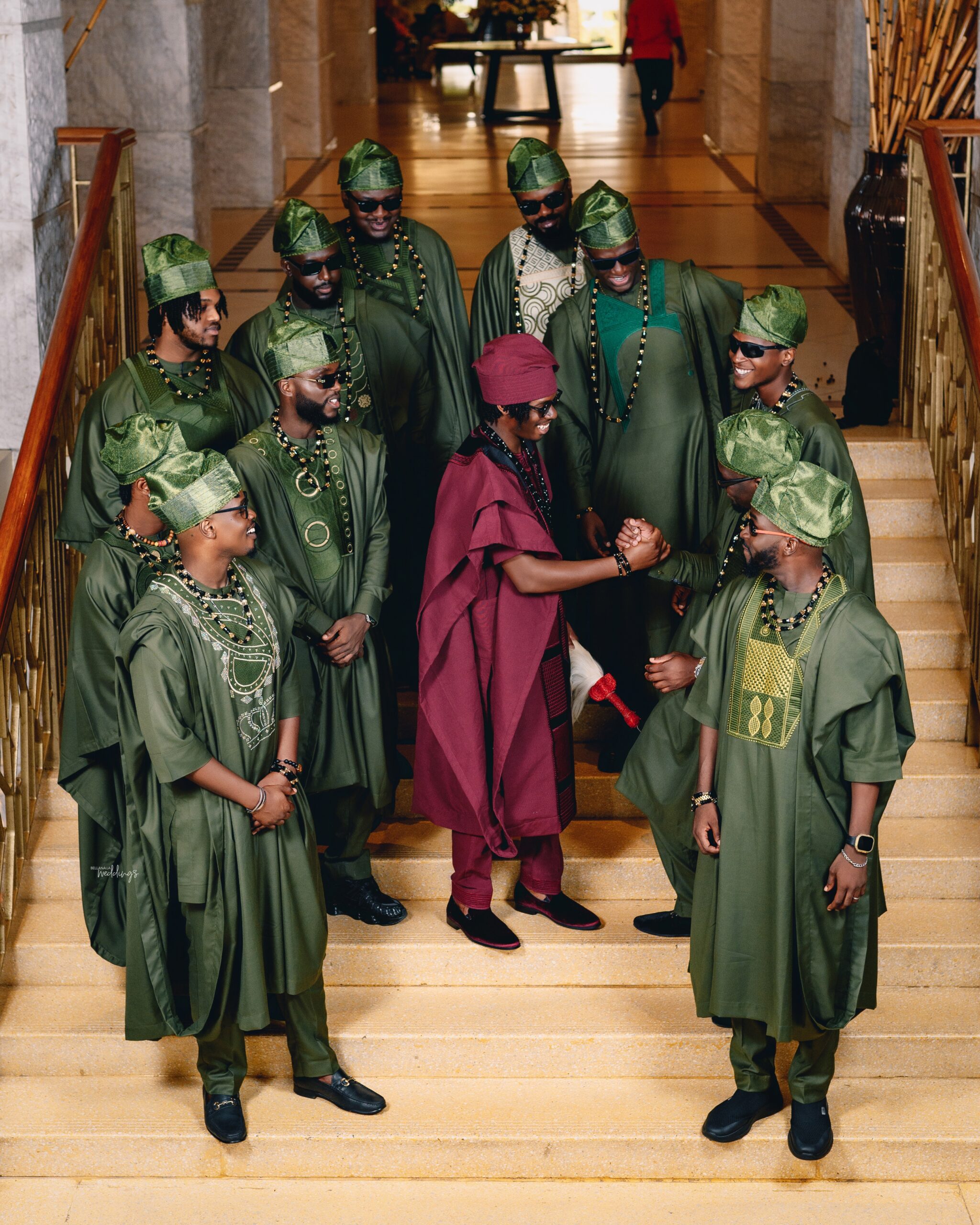
Of love and culture 😍
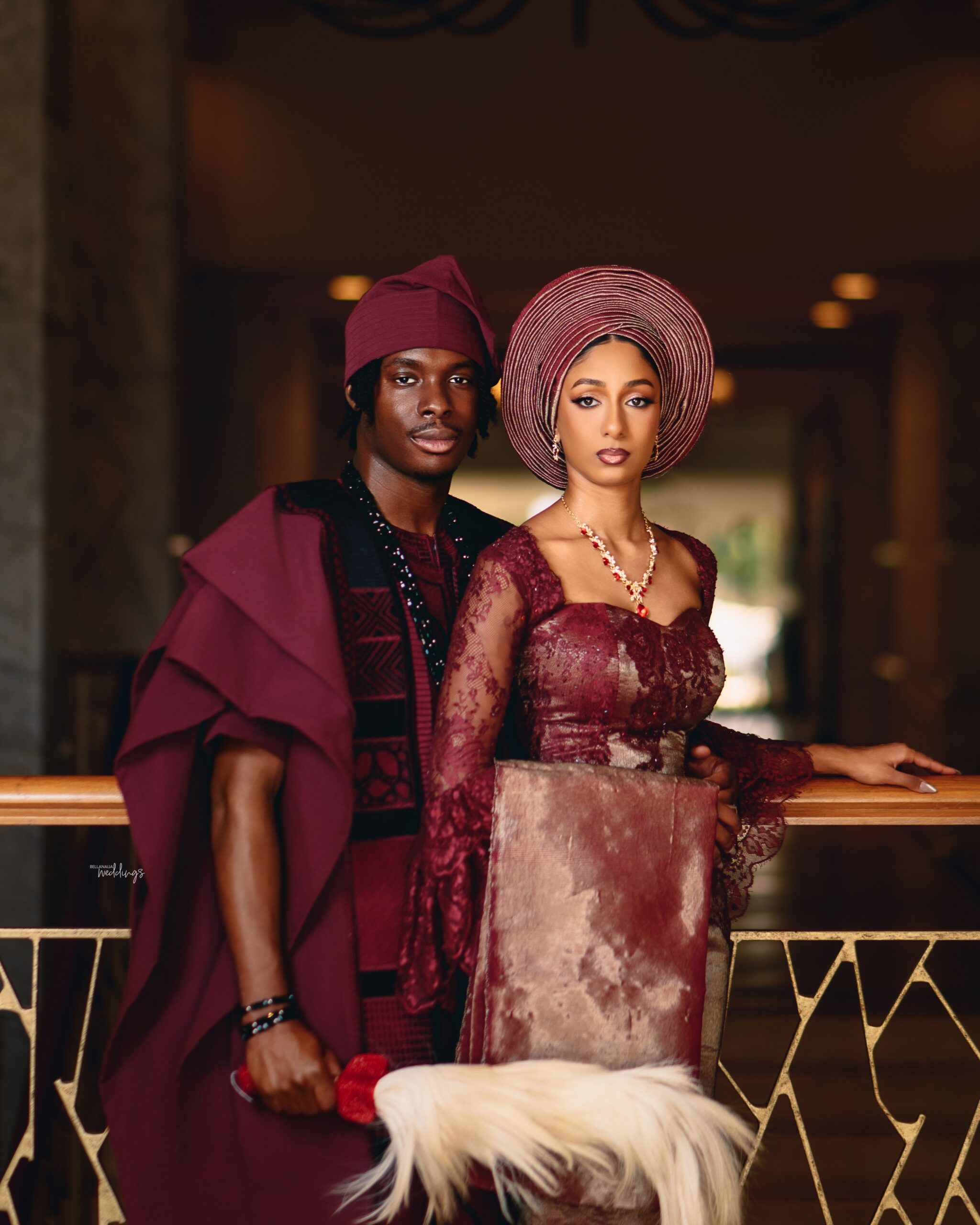
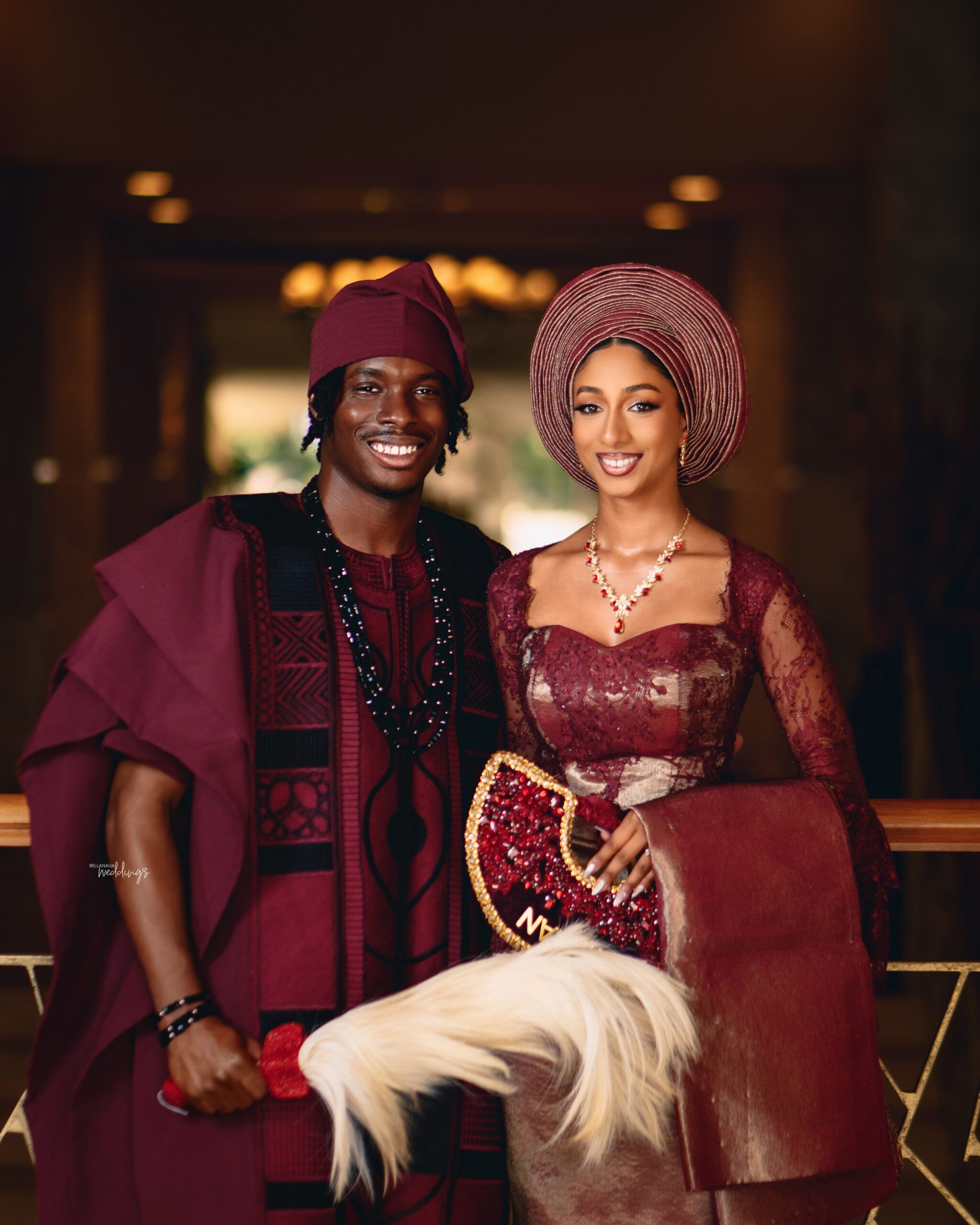
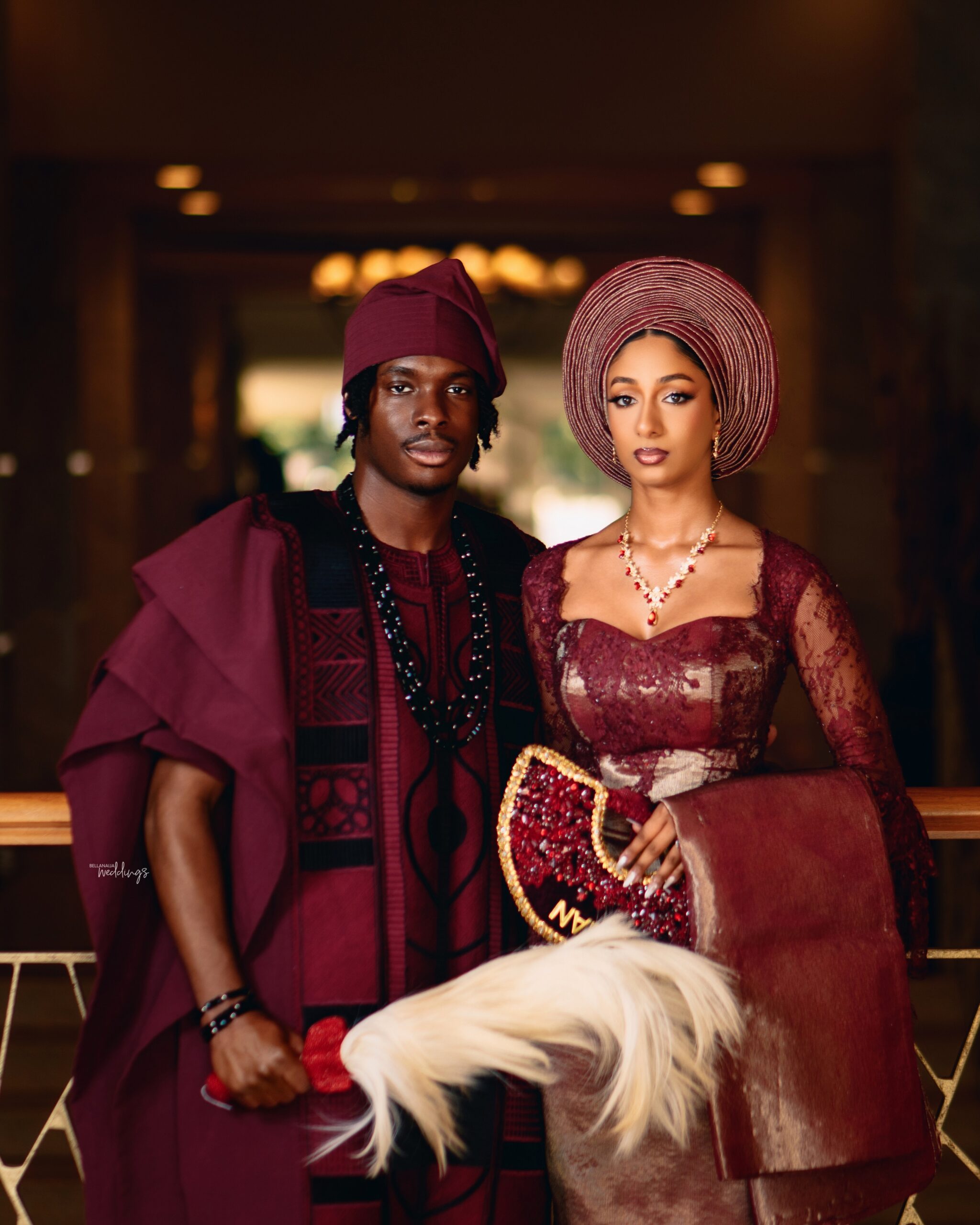
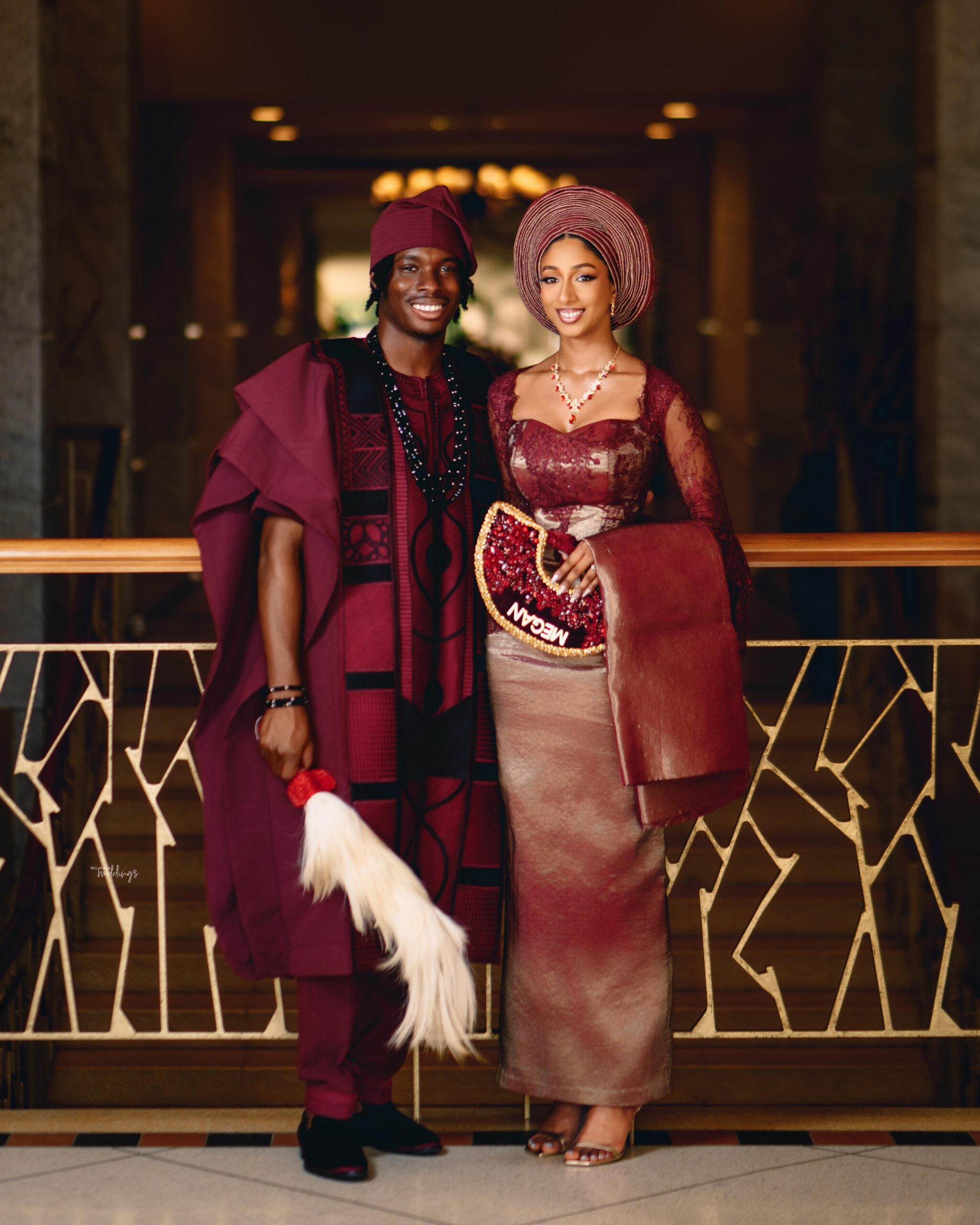
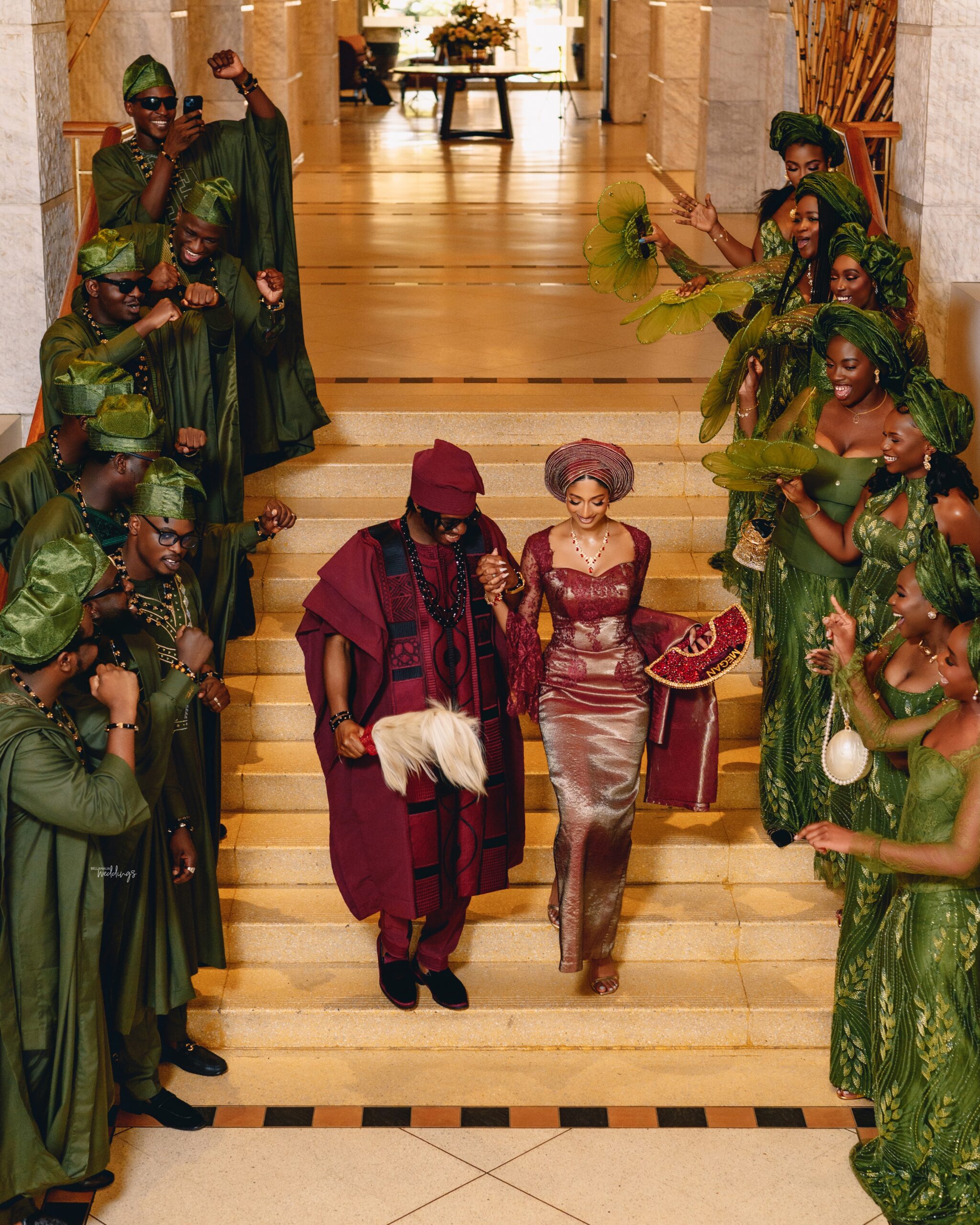
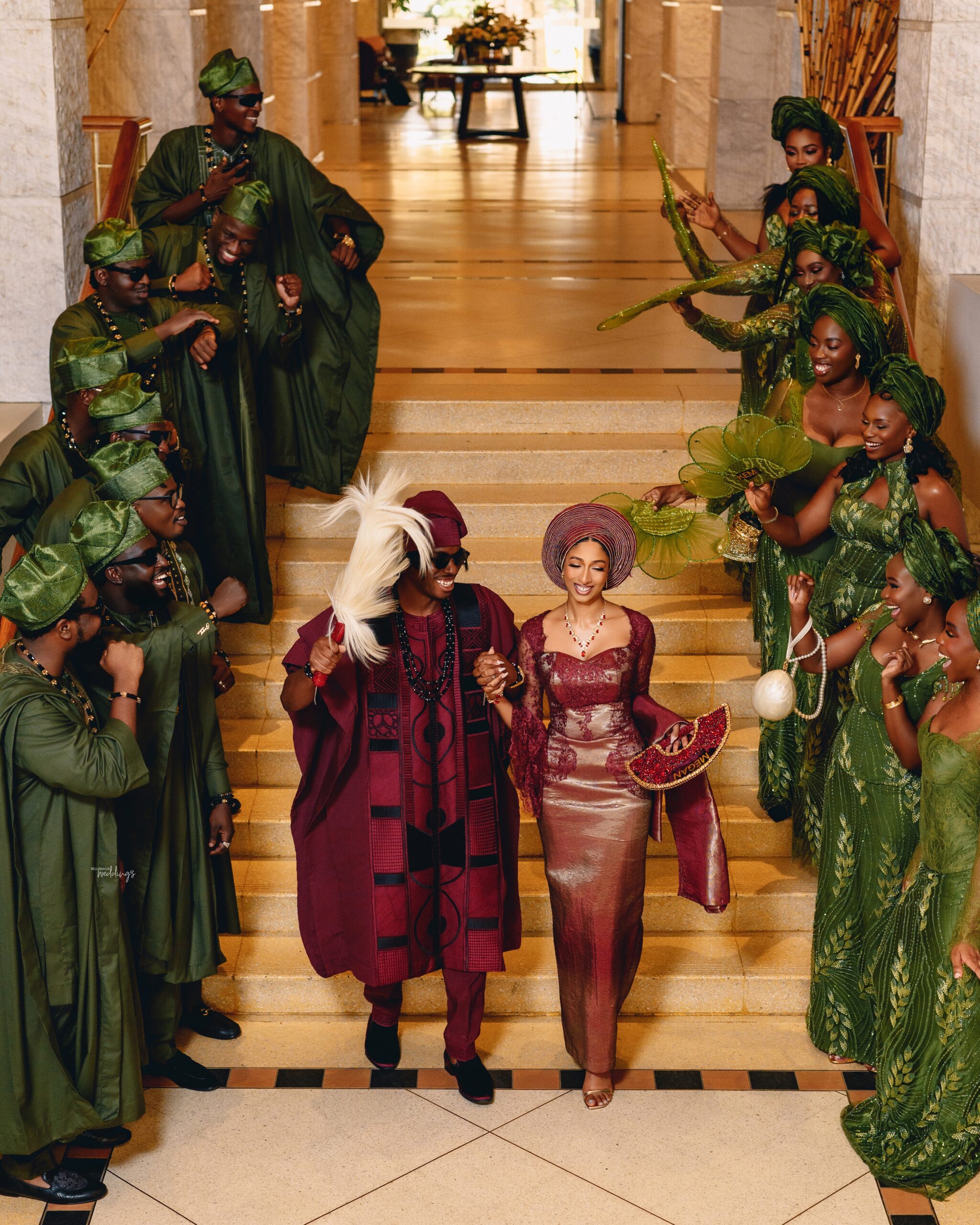
Teni is here for his bride!
Here she comes in all her beauty 😍
Sealed with a kiss!
Time to rep Megan’s Indian roots
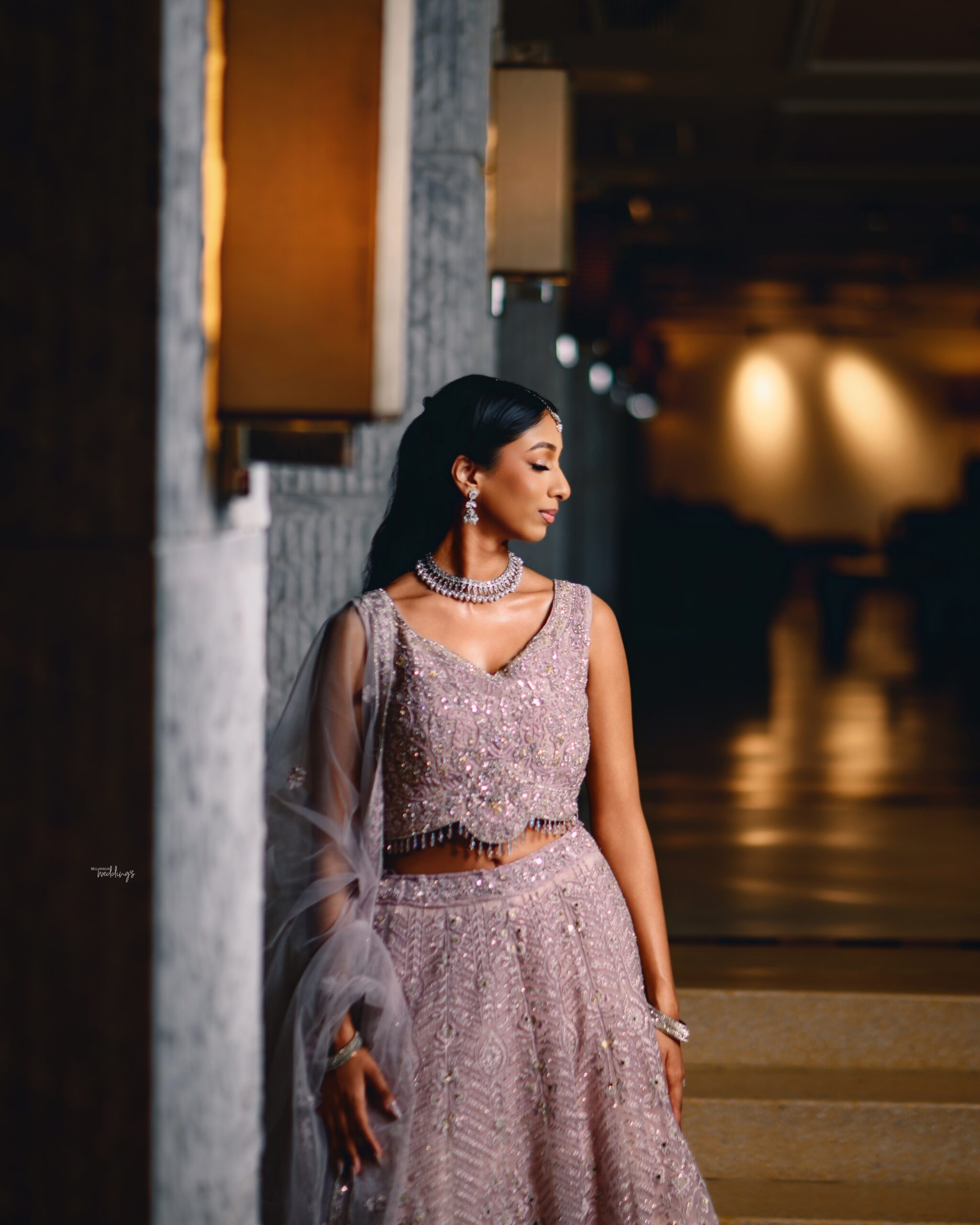
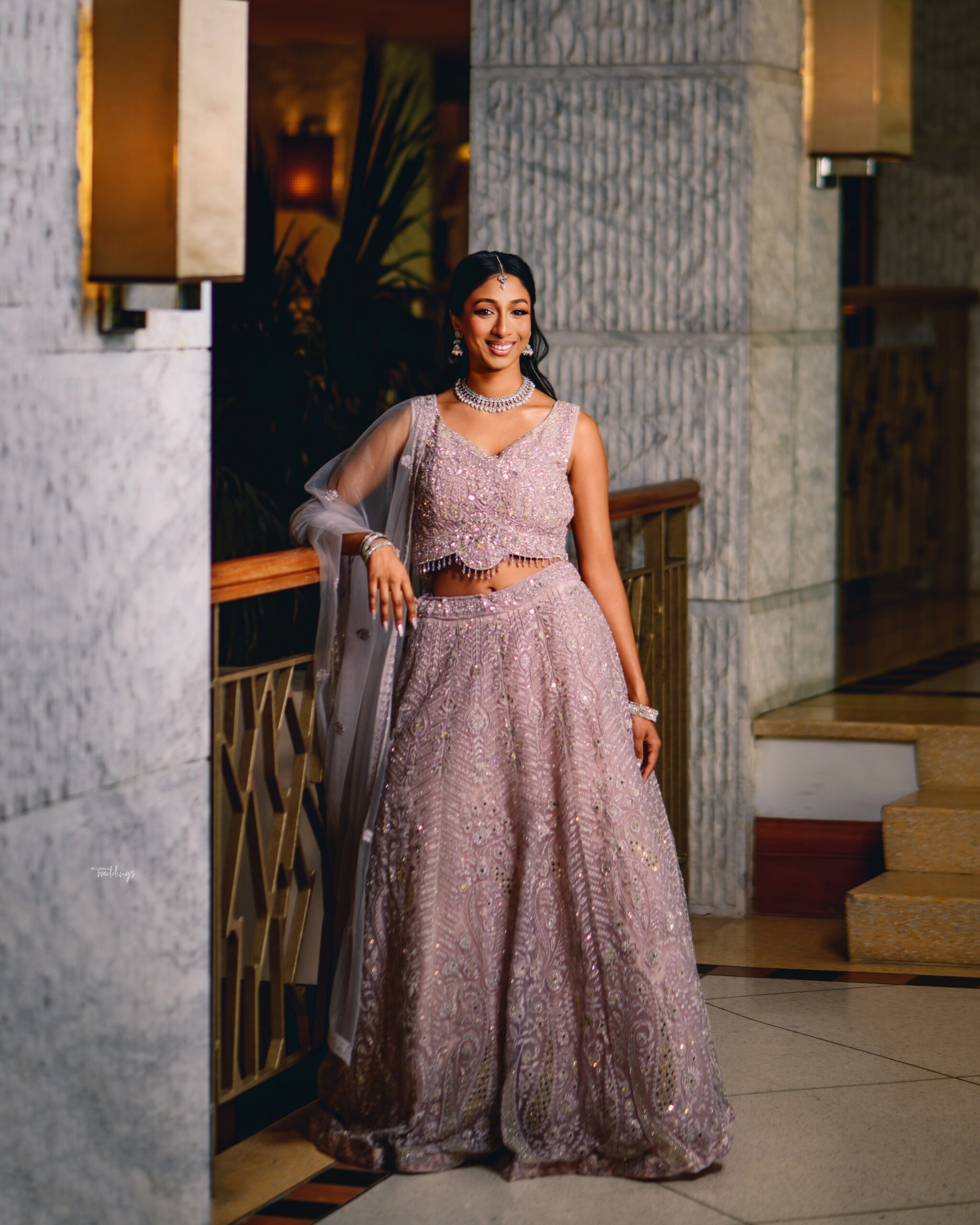
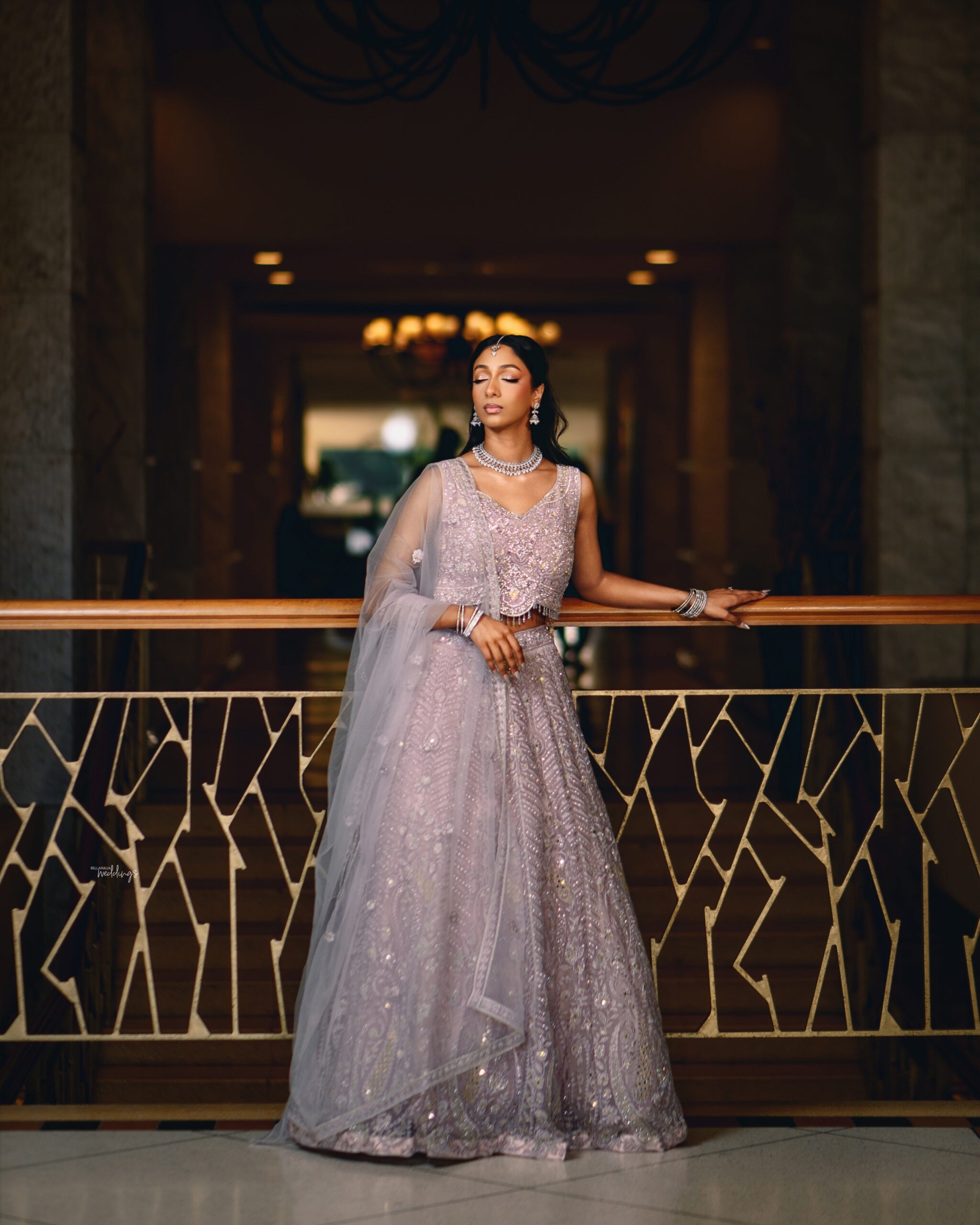
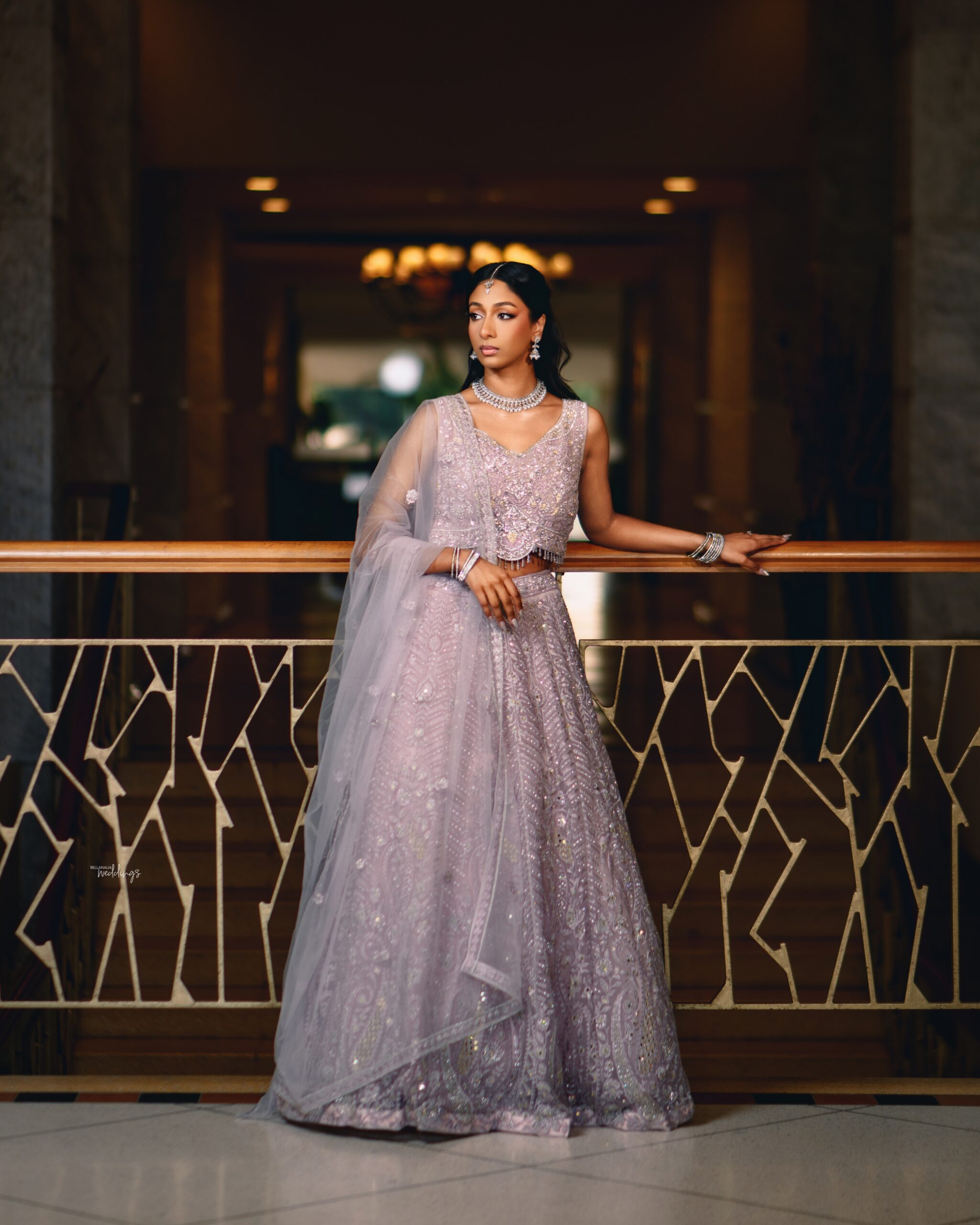
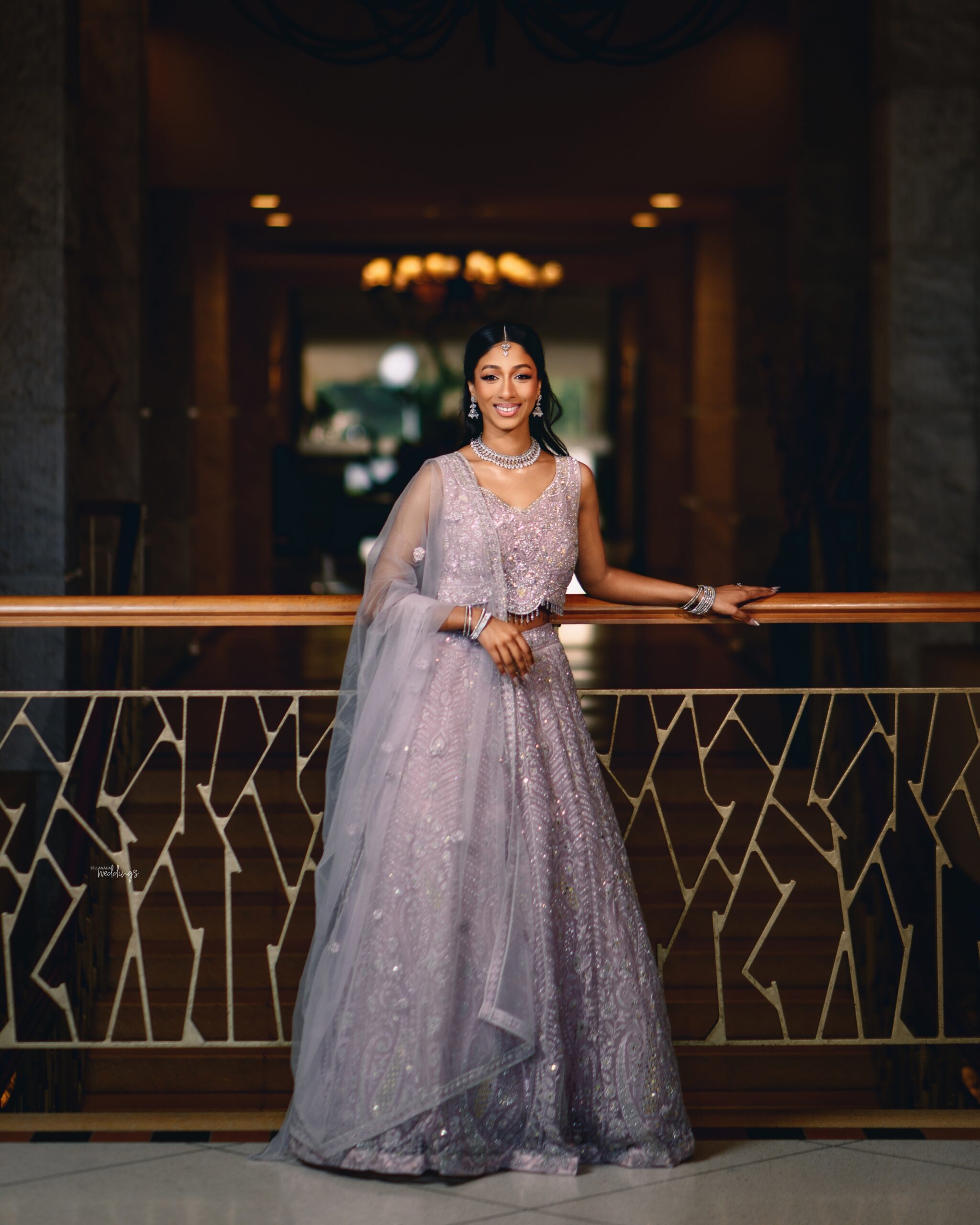
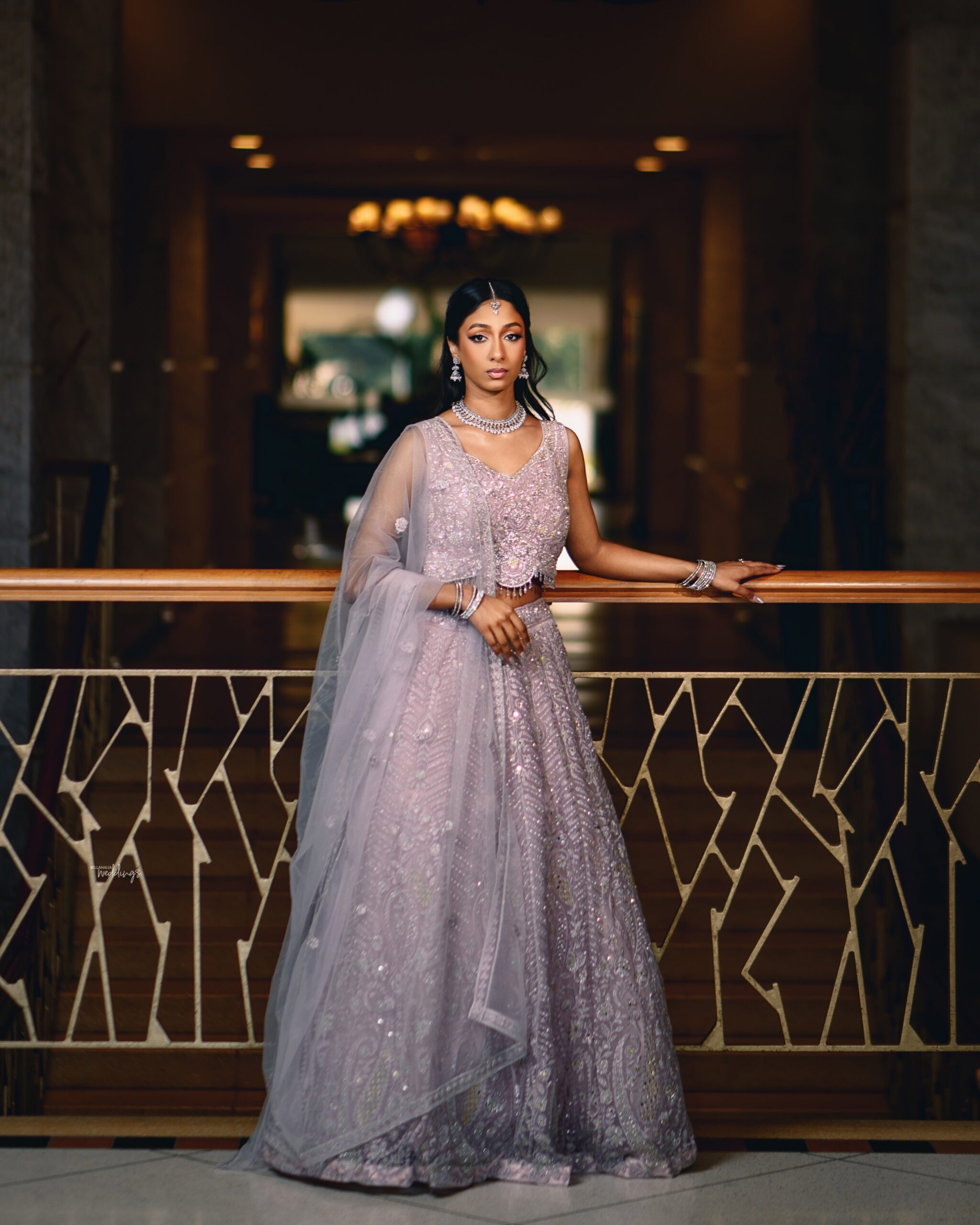
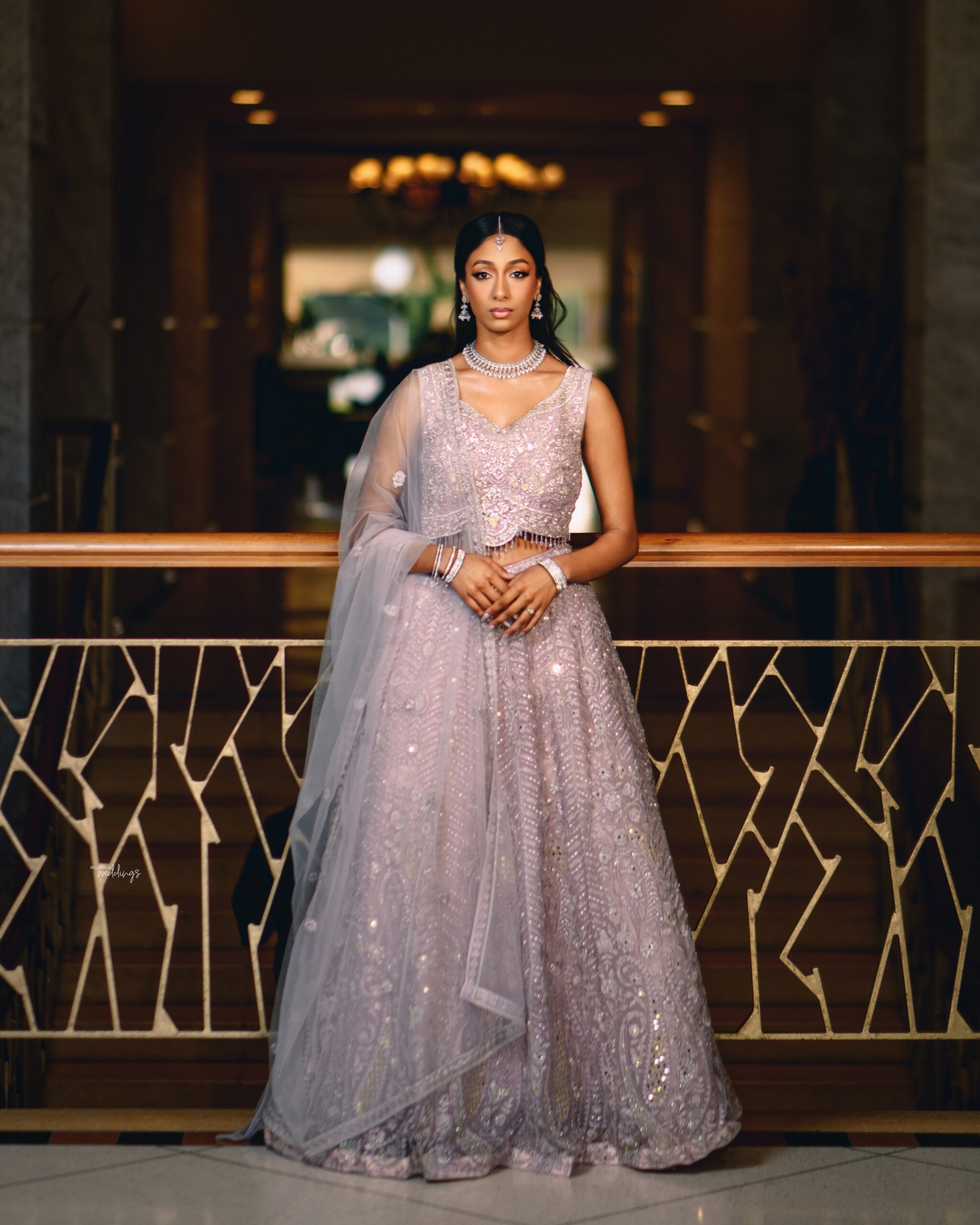
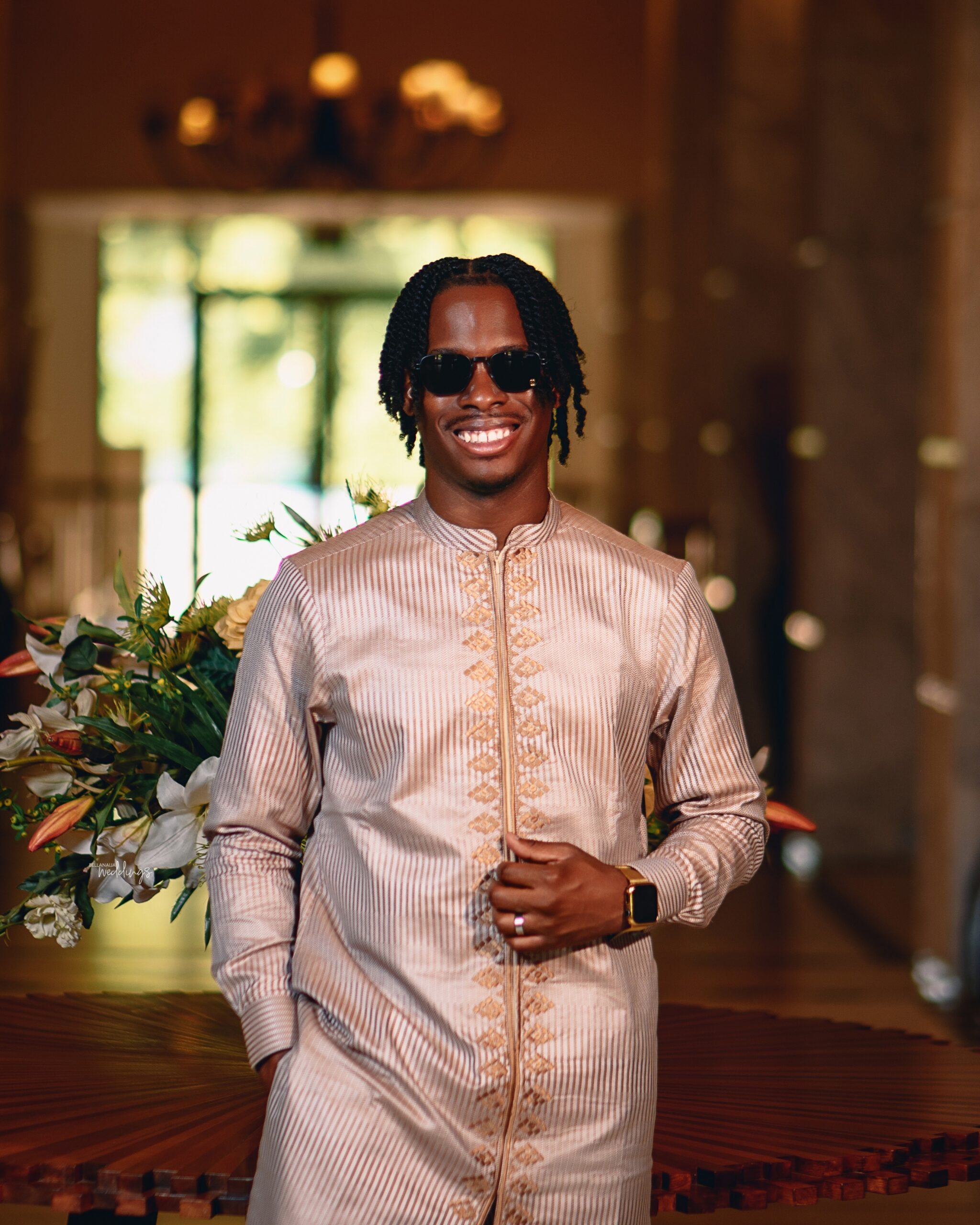
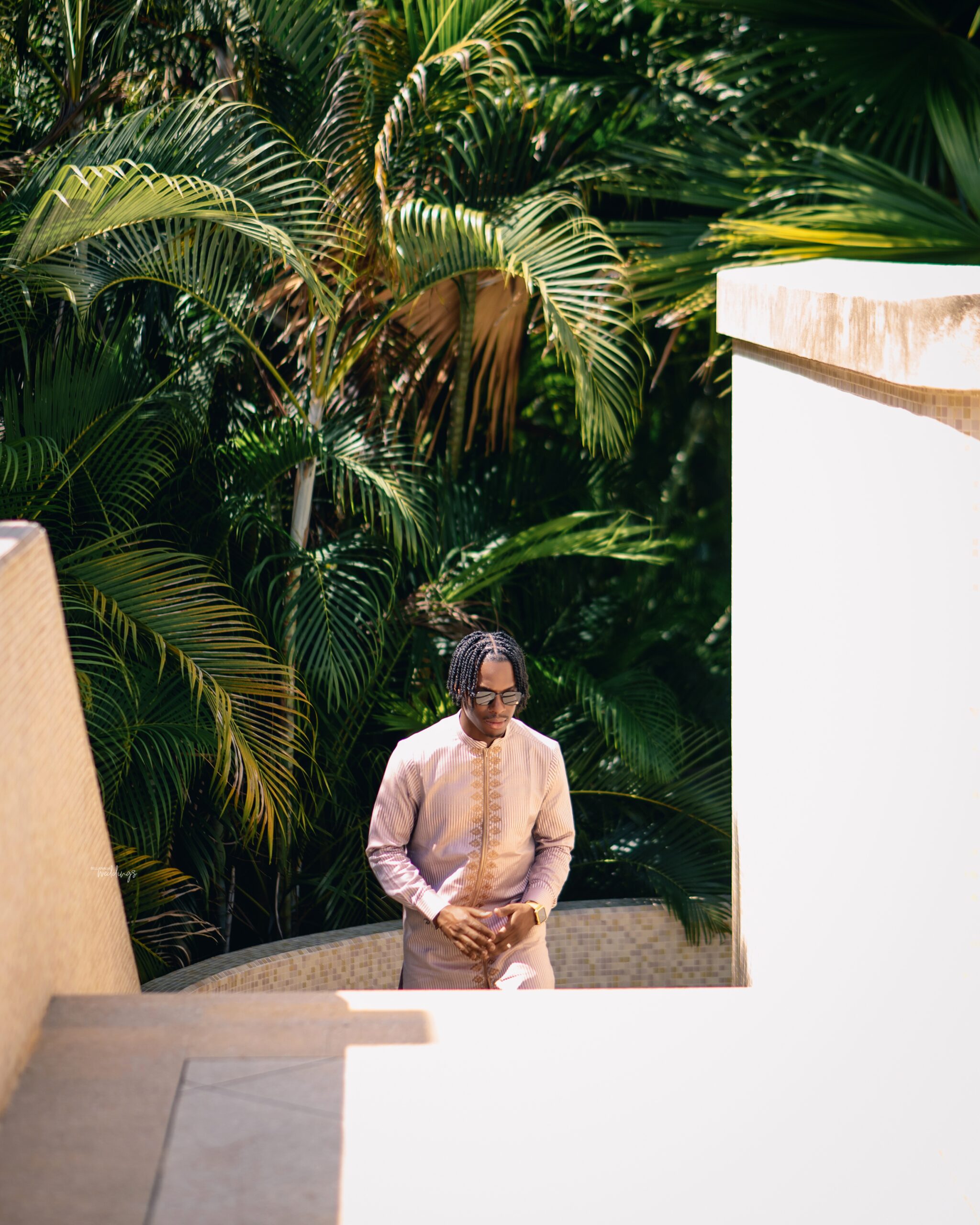
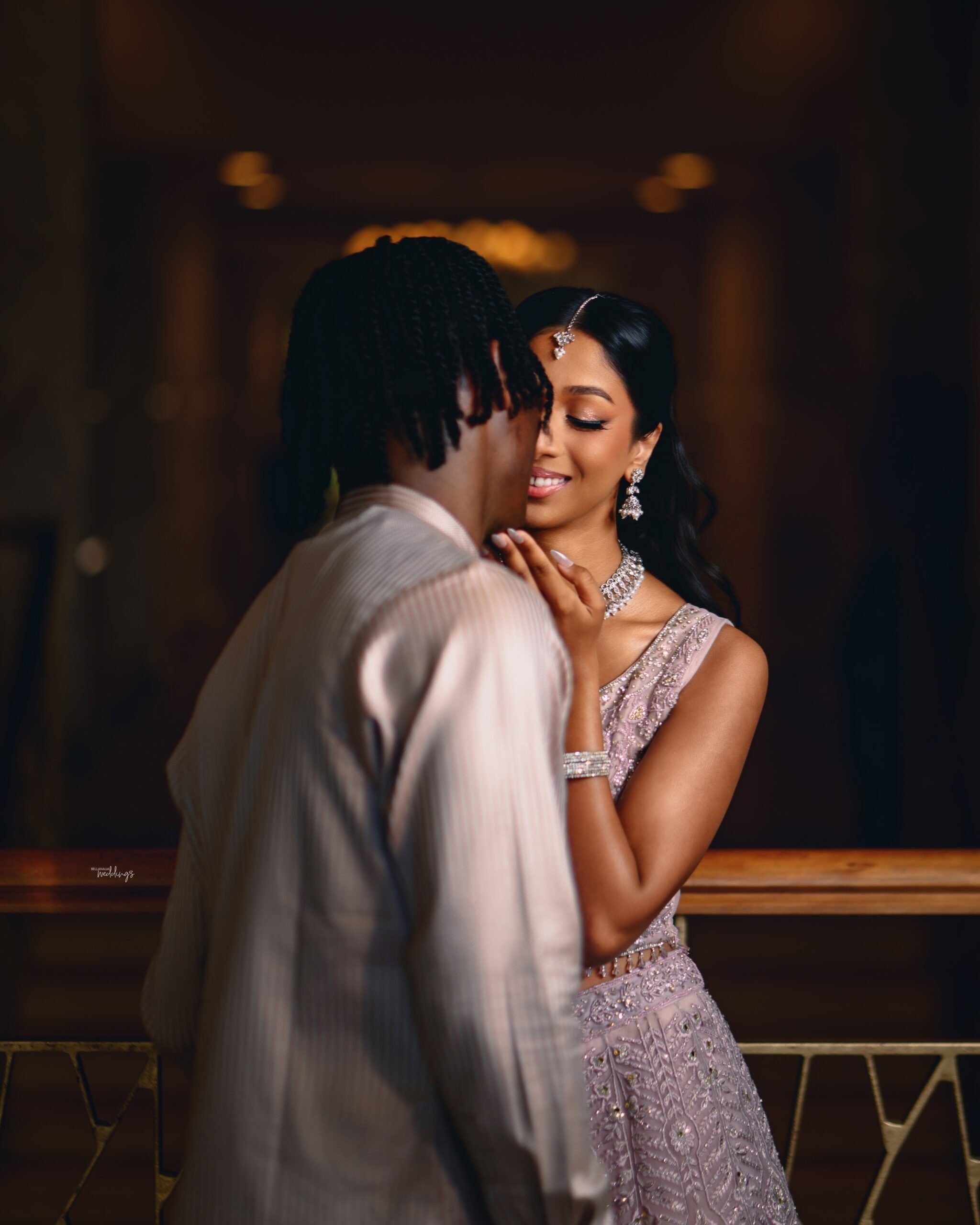
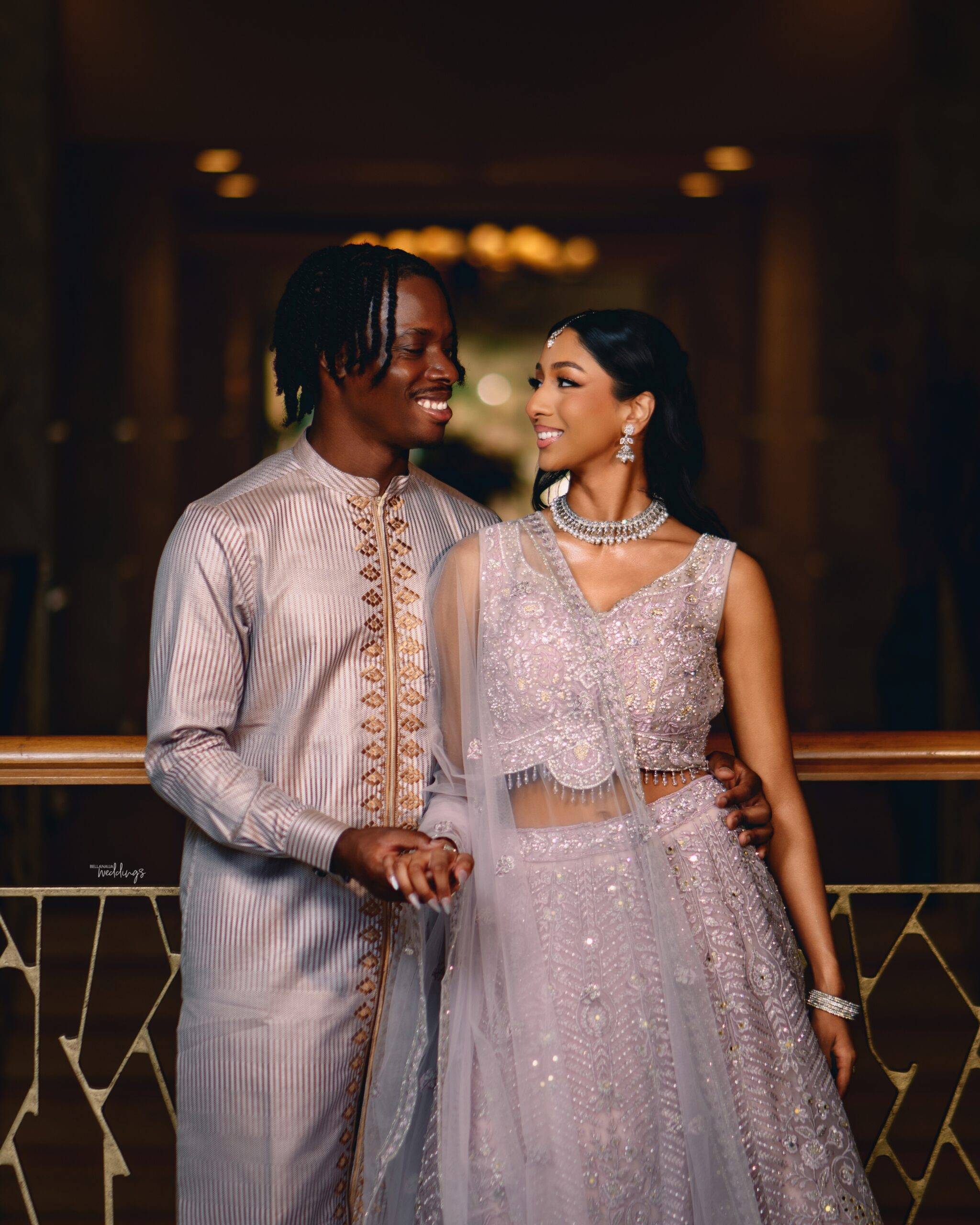
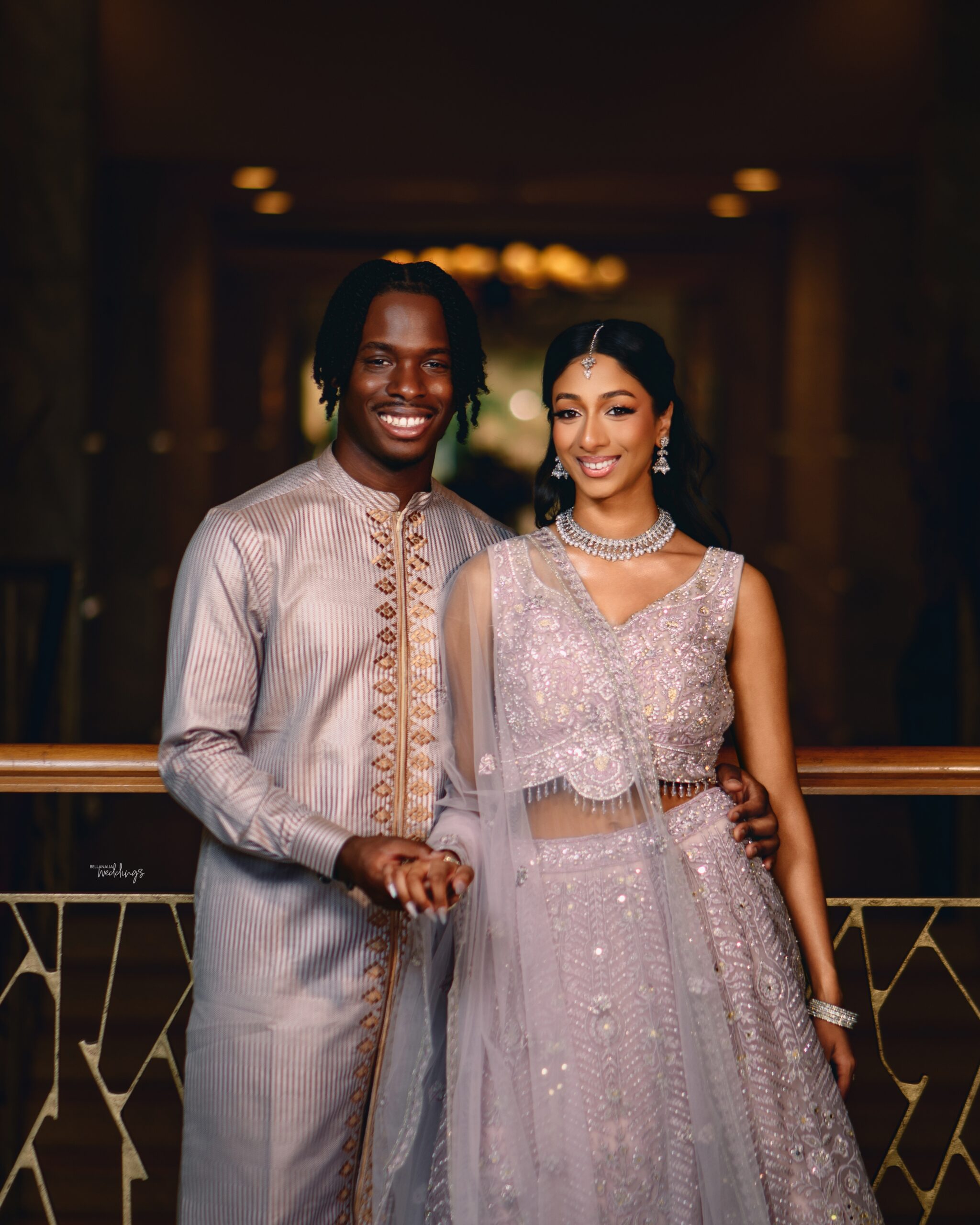
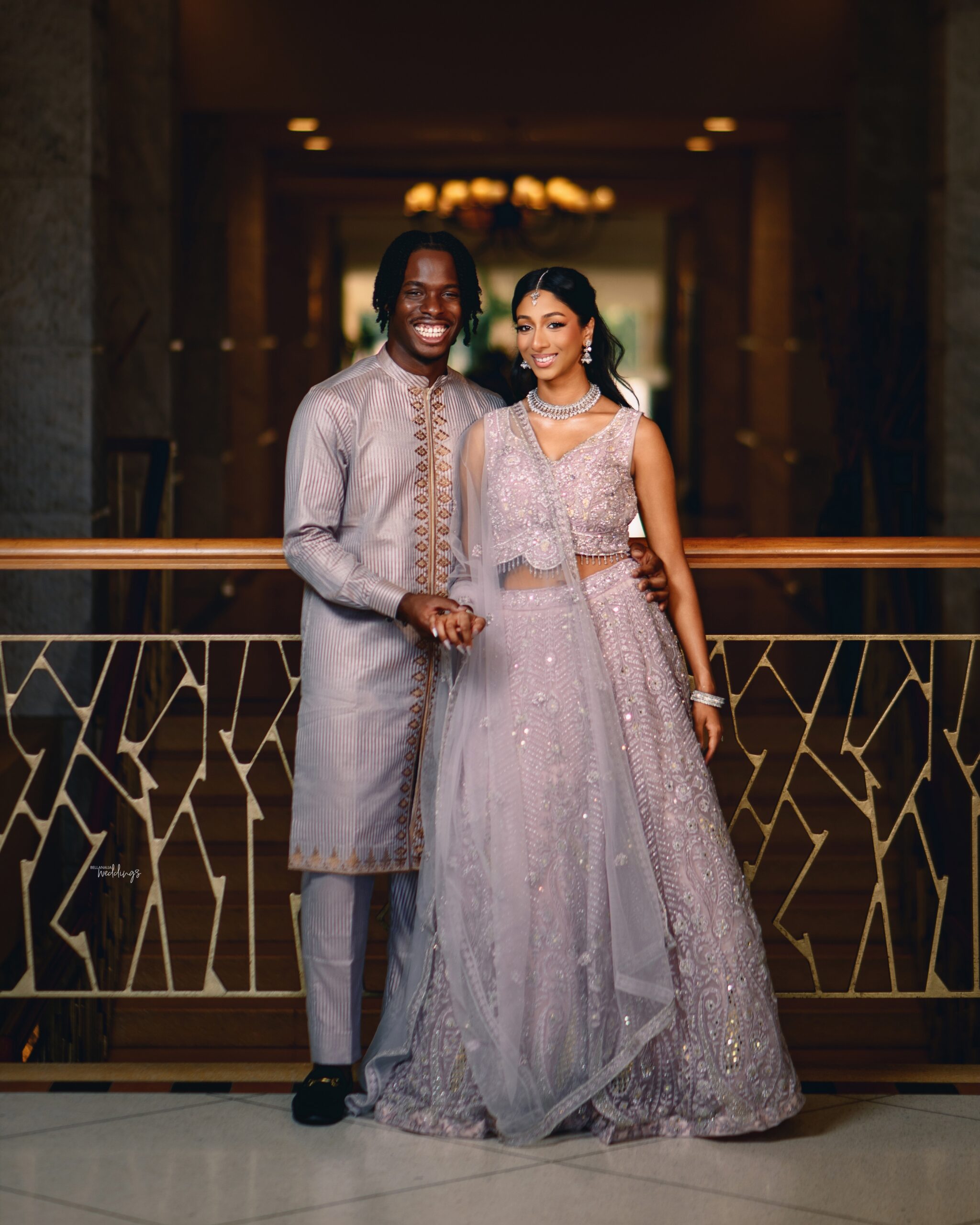
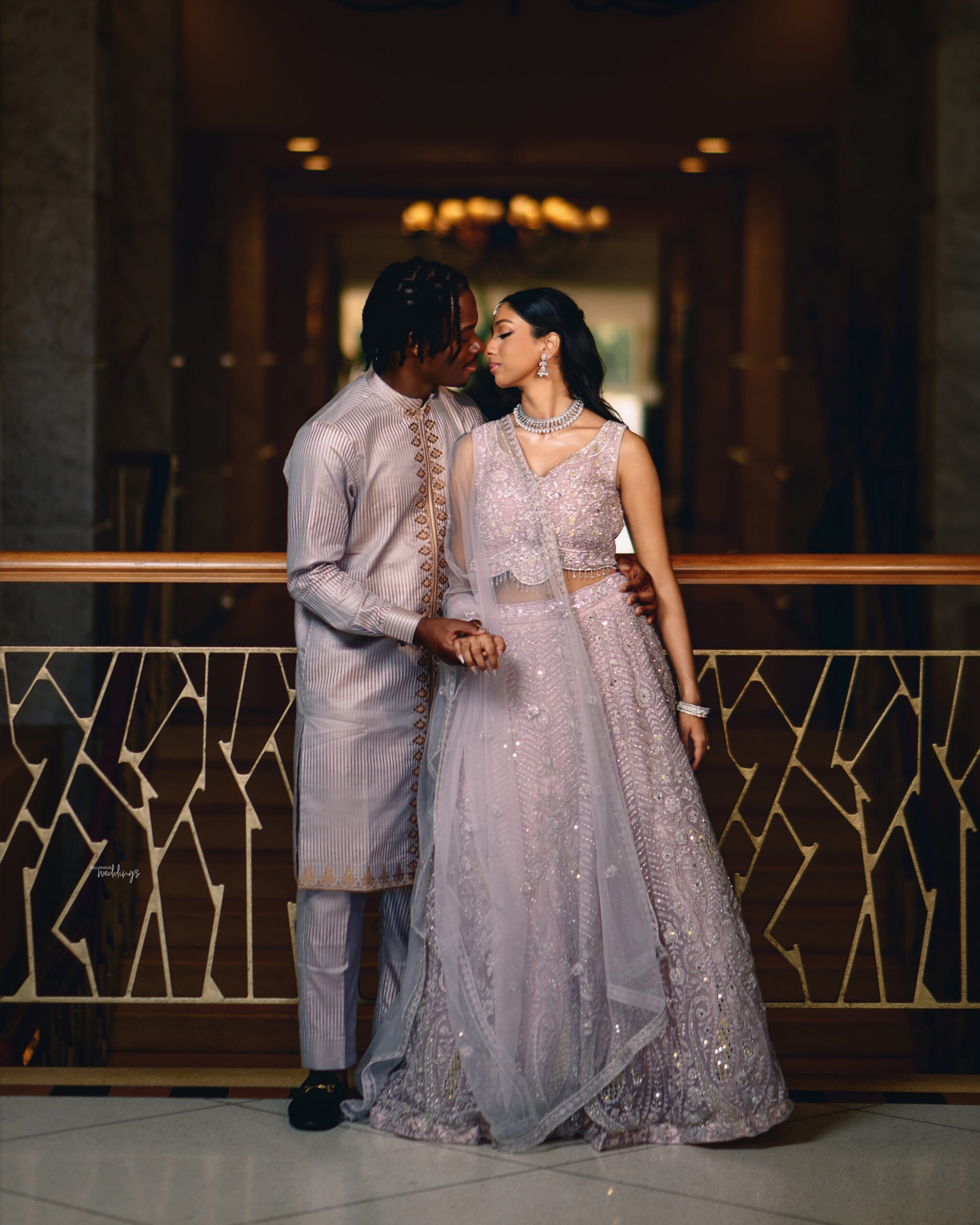
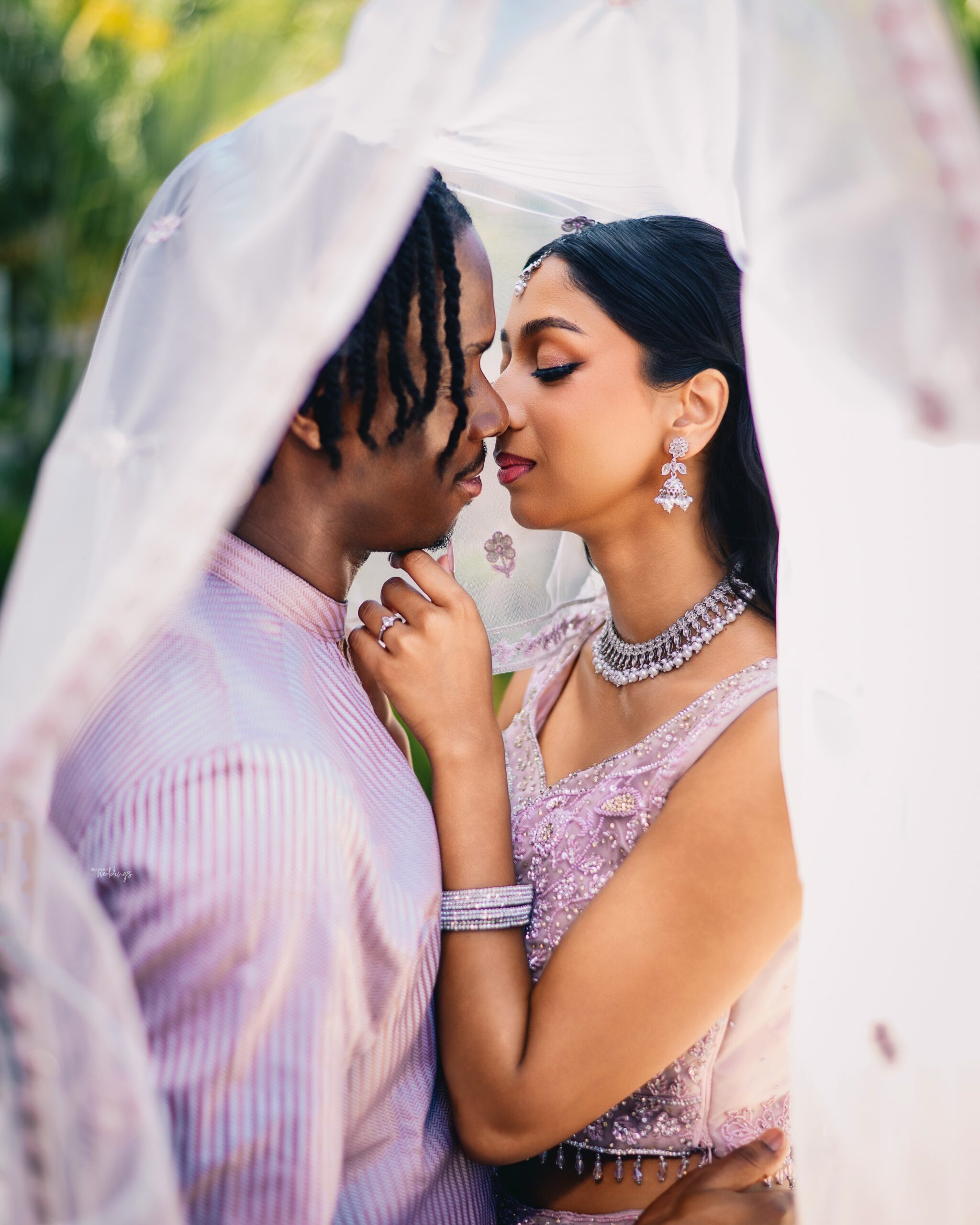
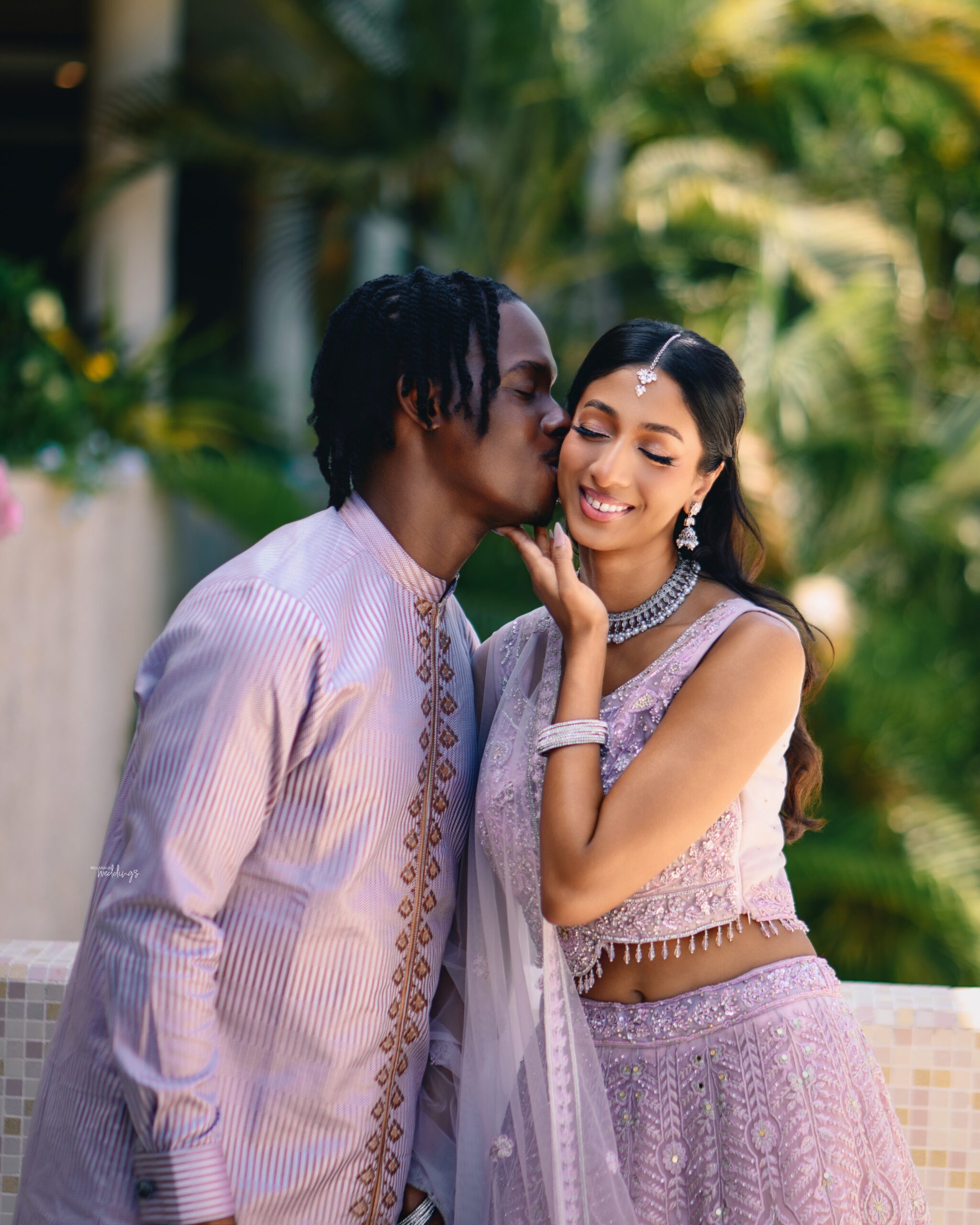
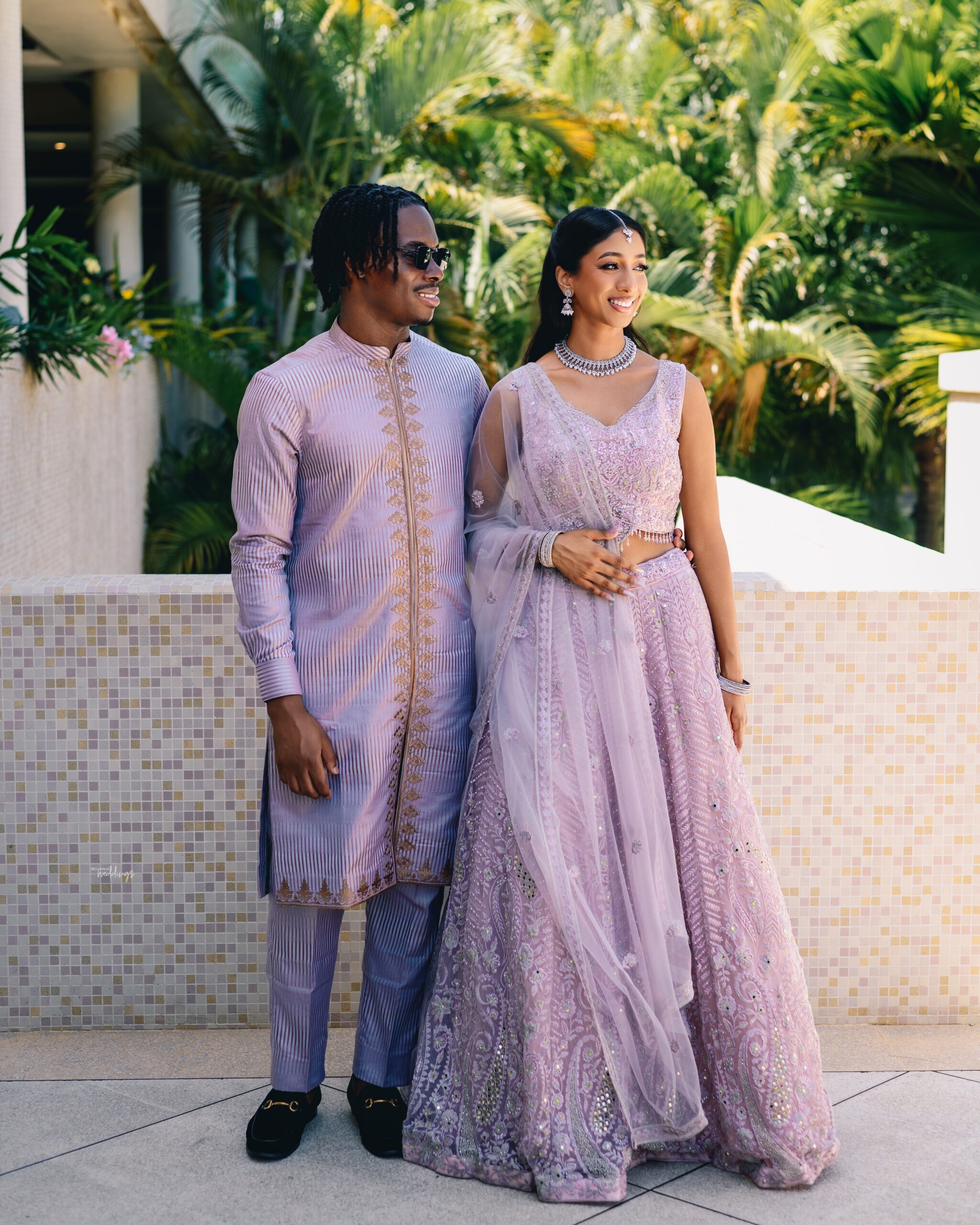
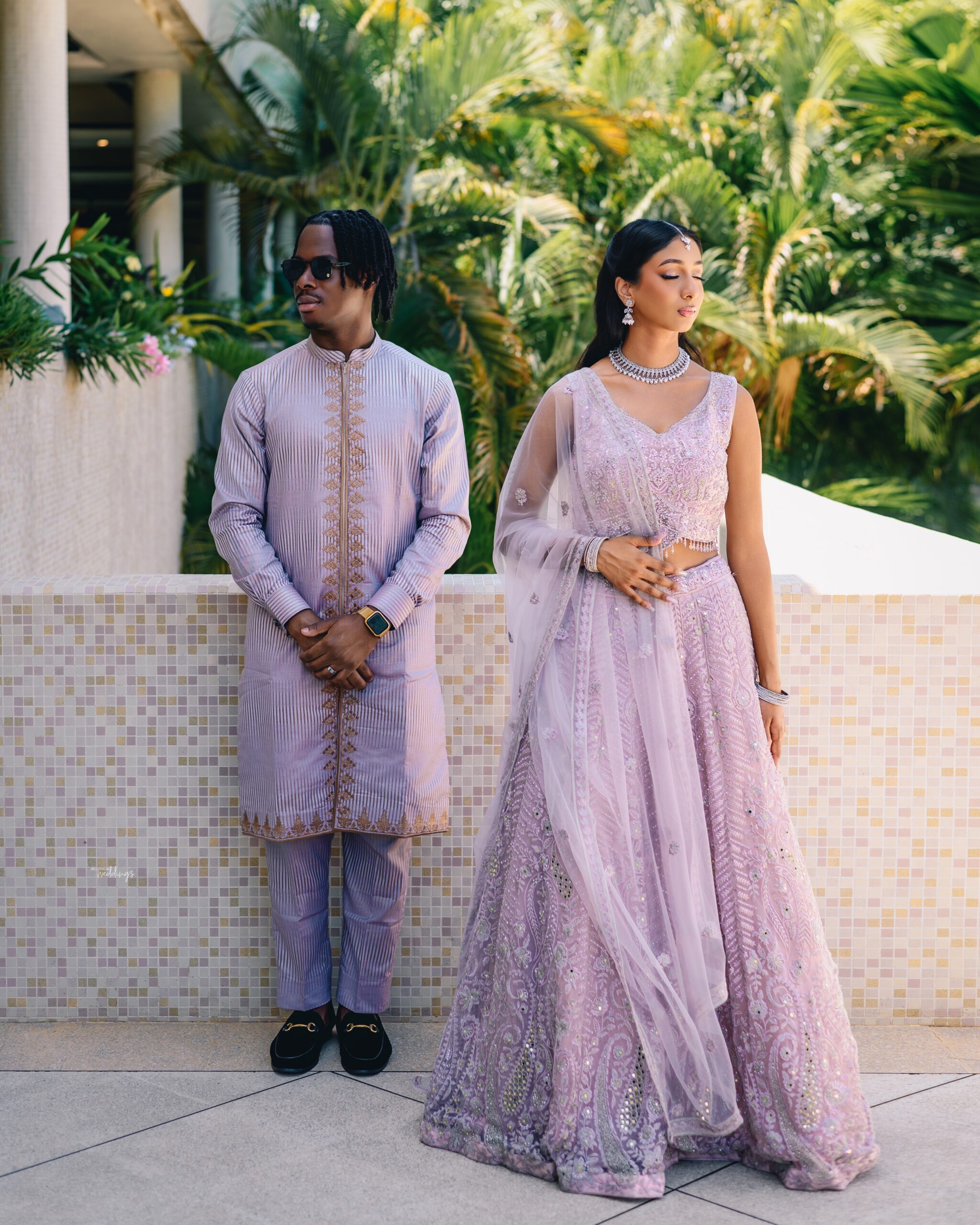
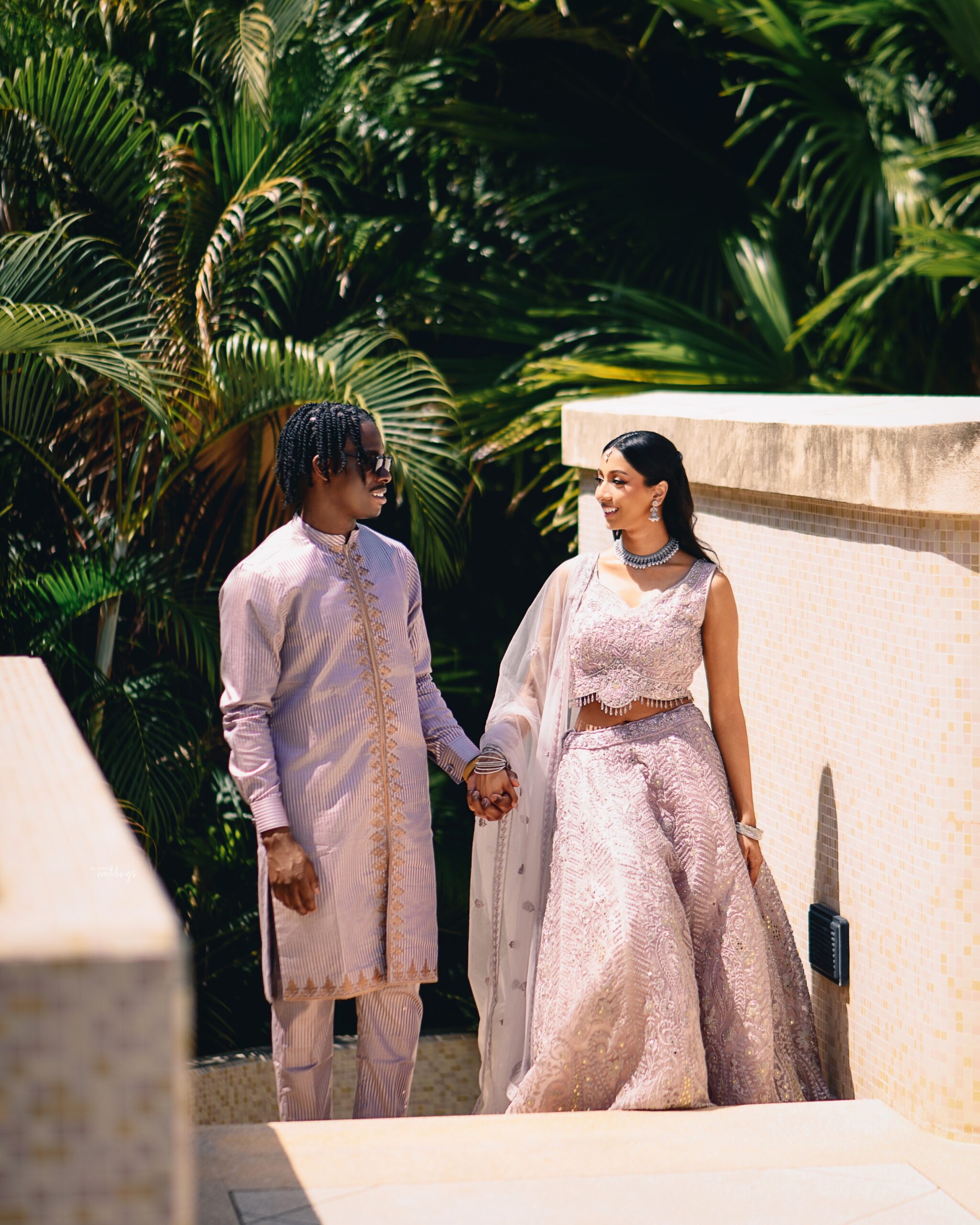
It’s wedding reception o’clock!
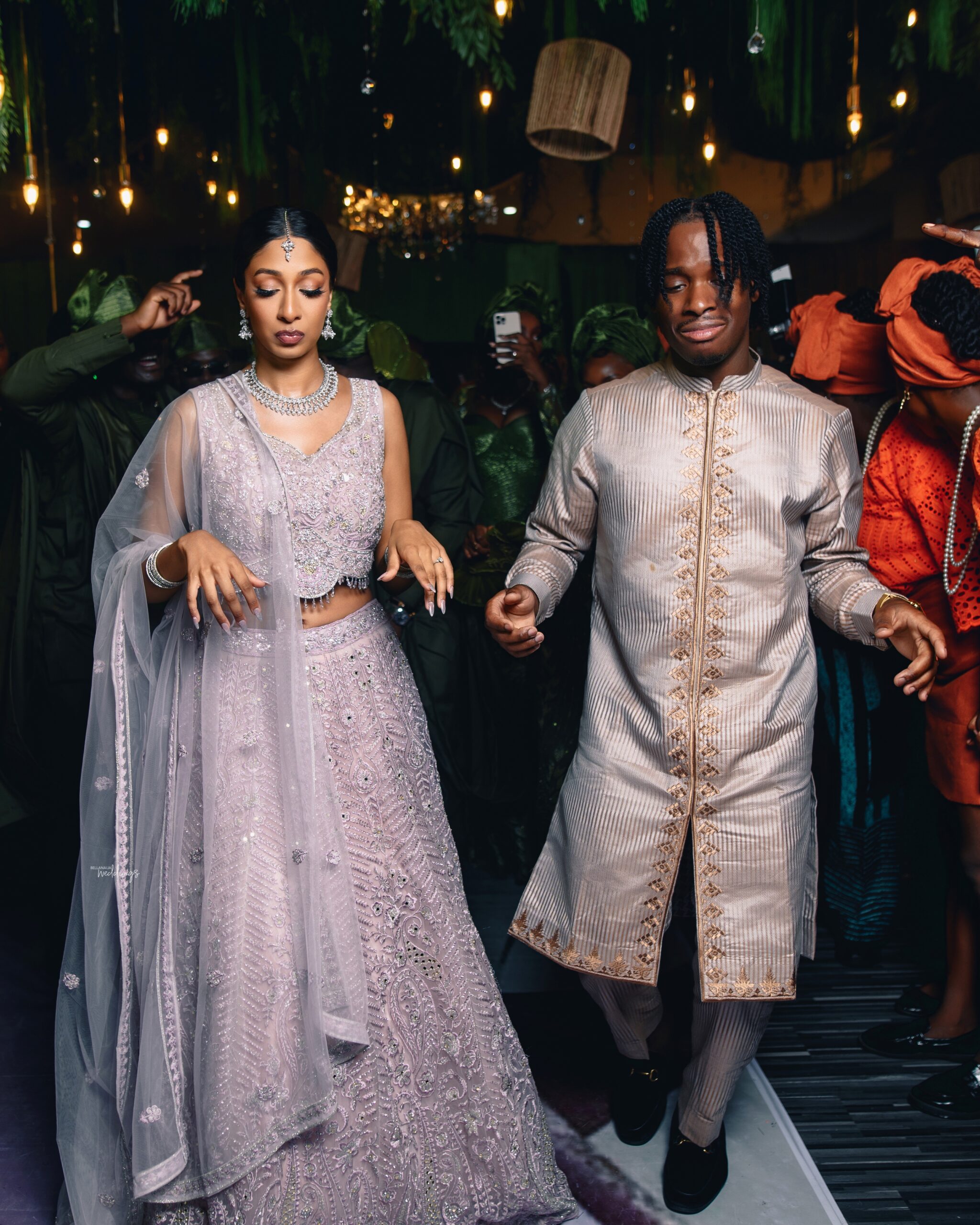
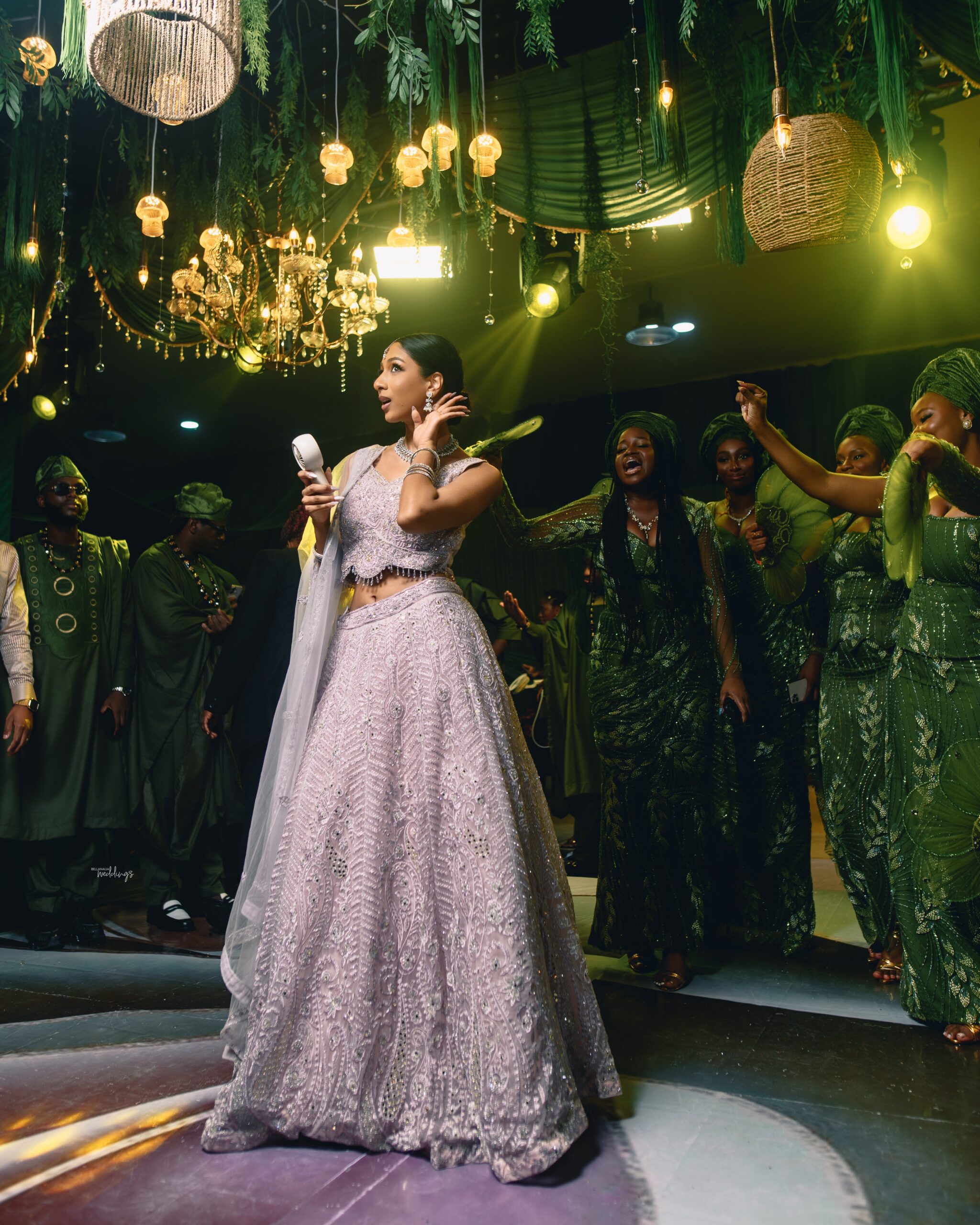
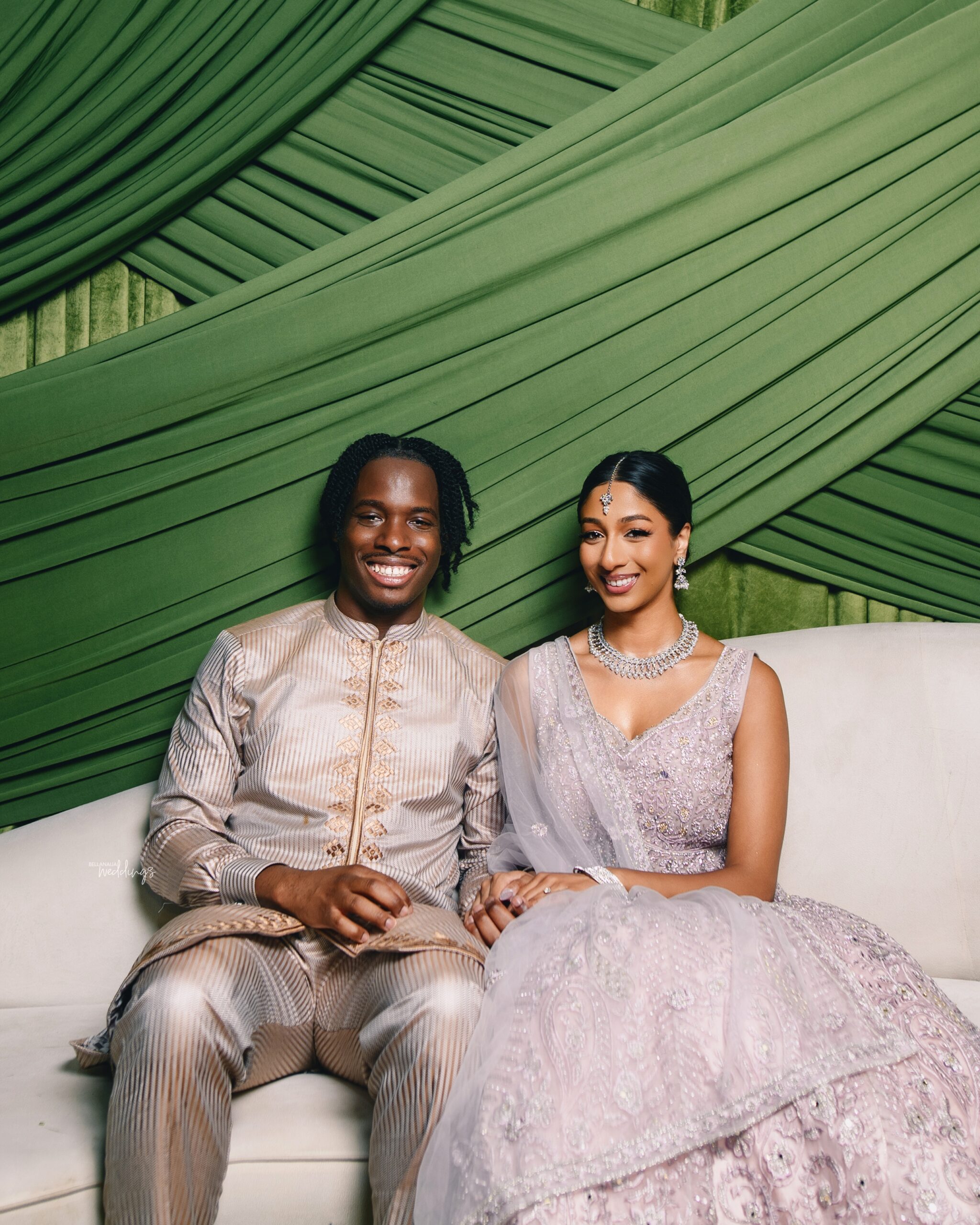
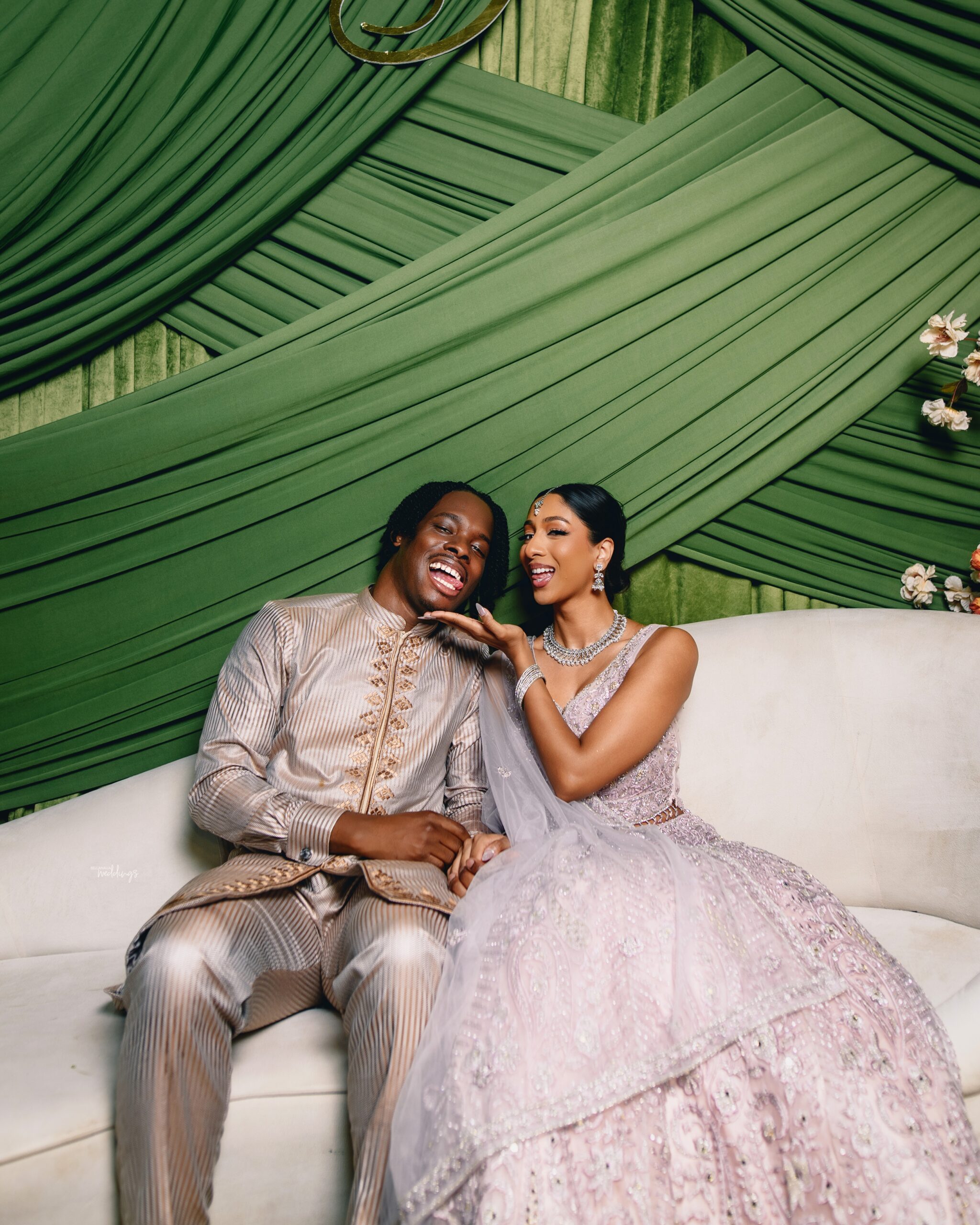
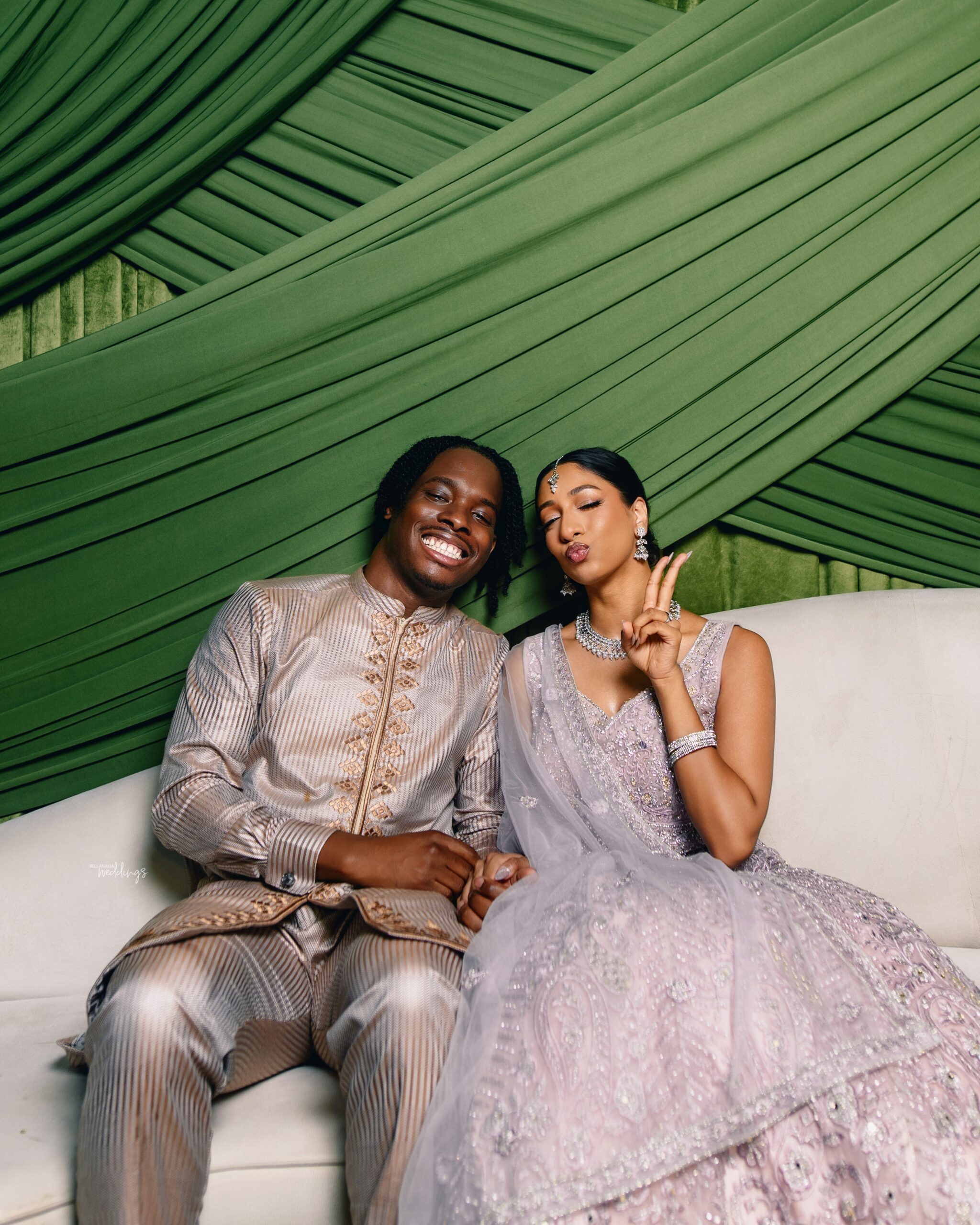
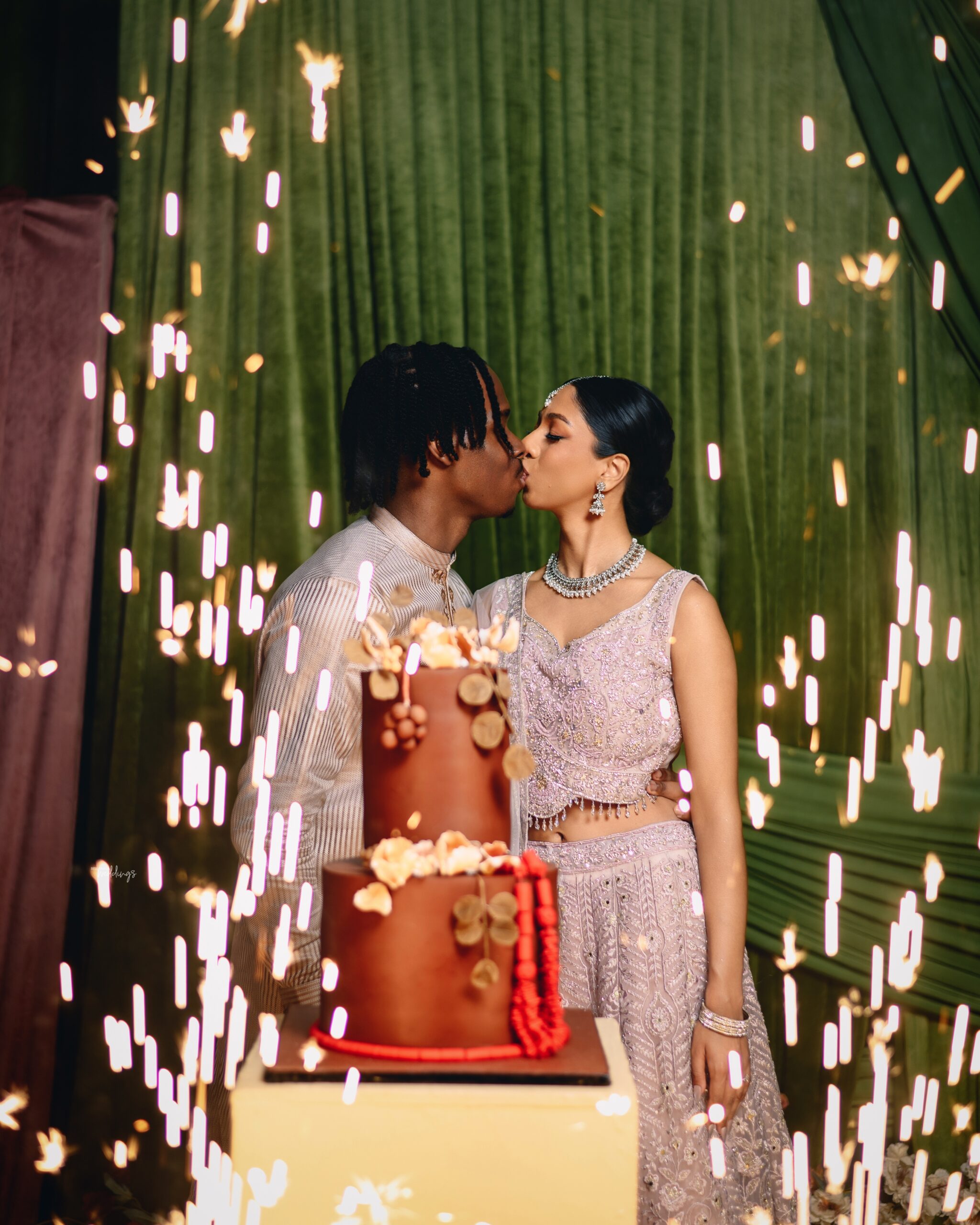
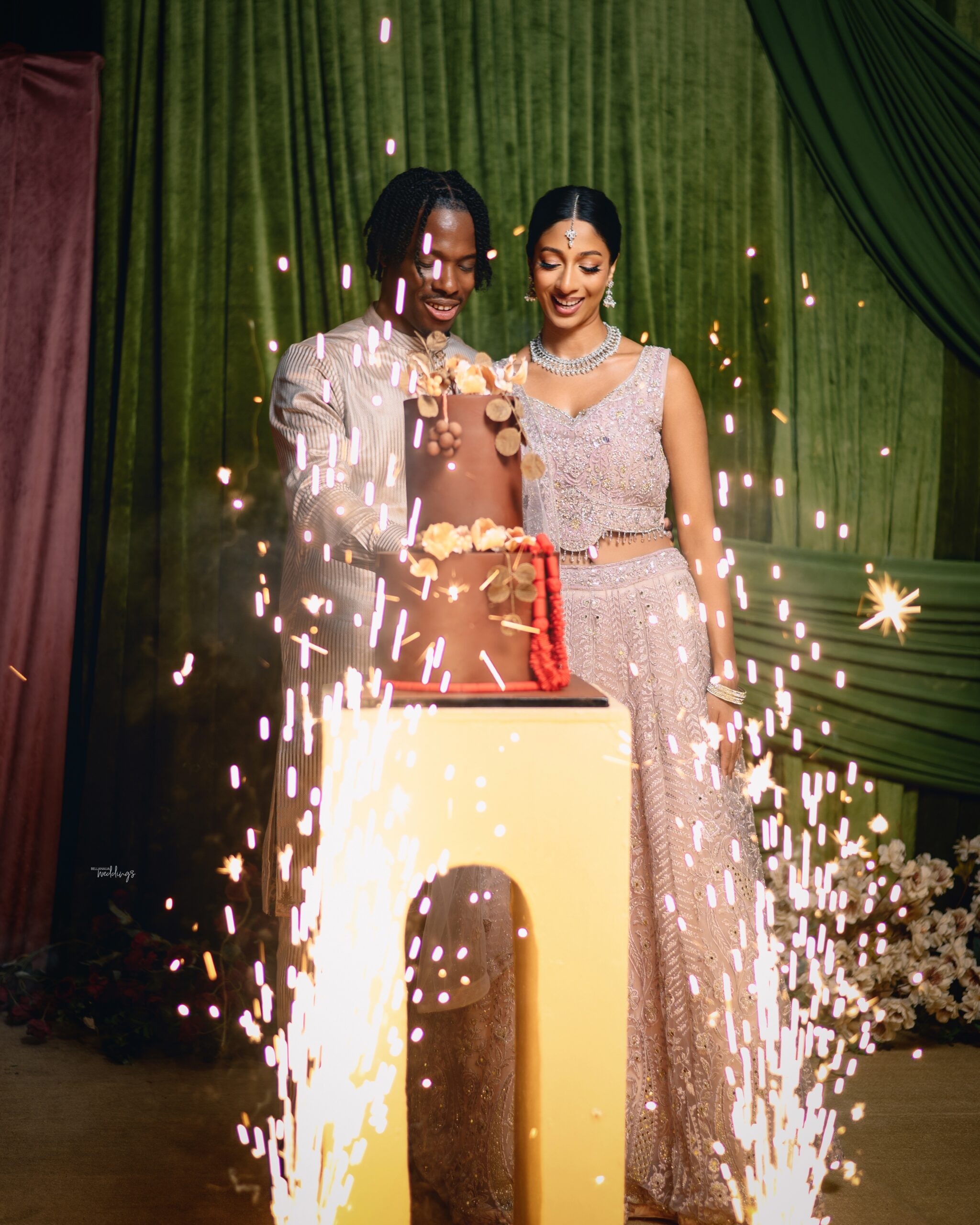
Here’s to happy ever after! 😍
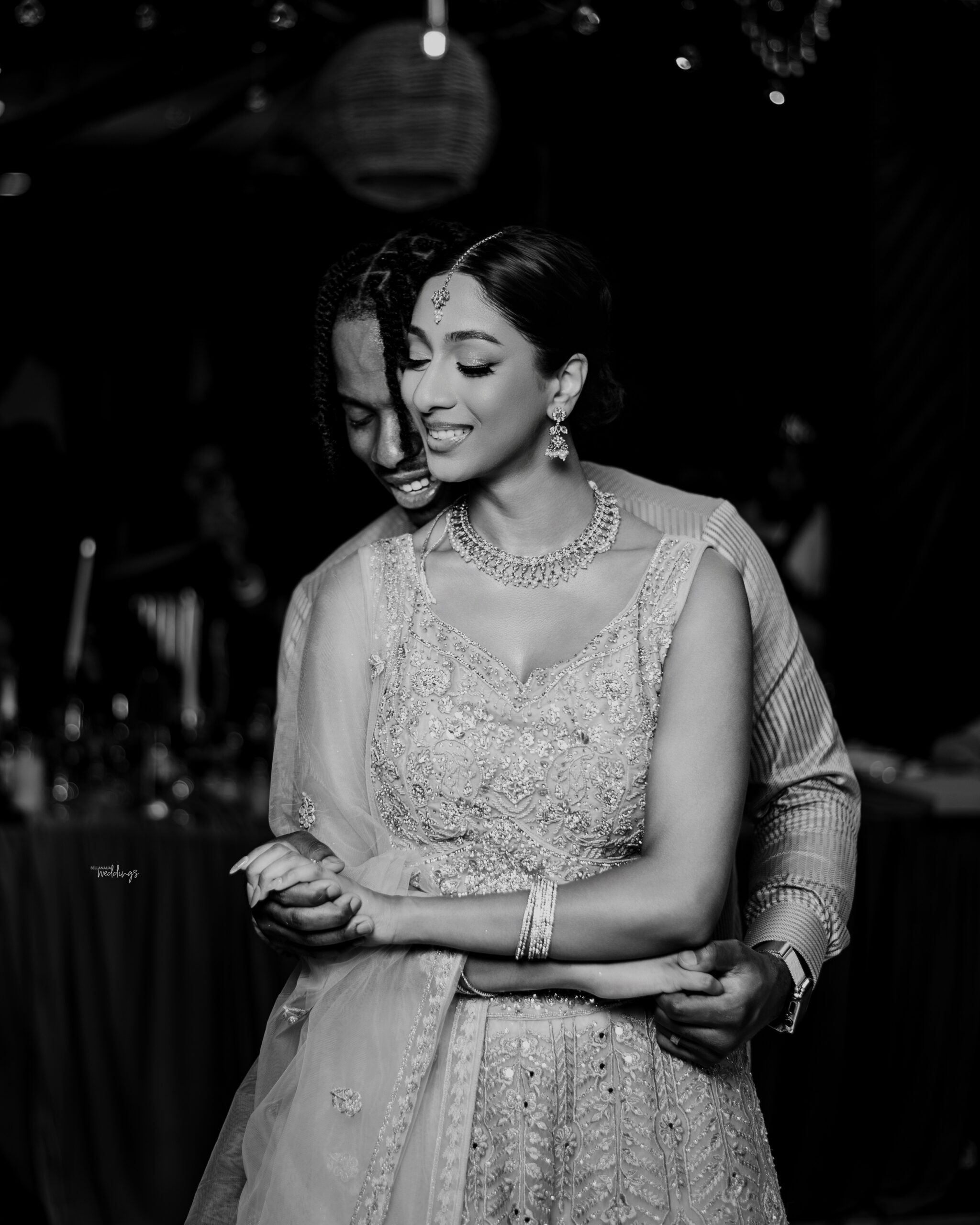
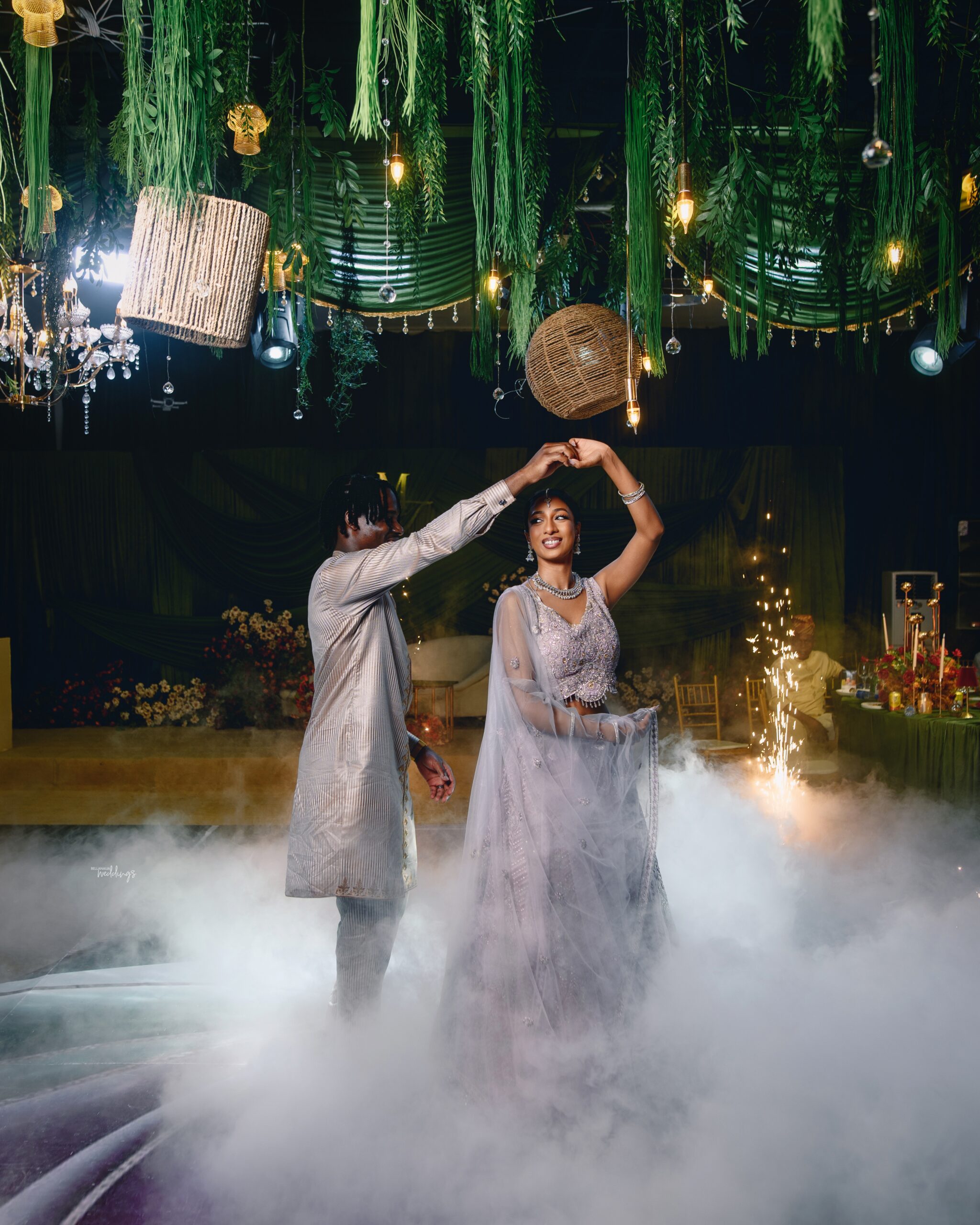
Credits
Bride: @meganmyriee
Groom: @teni__a
Planner: @_blueswanevents
Photography: @siphstudios
Makeup: @glowwithlilian
Content creator: @debbiethecreator
Hair stylist: @24hourbeautyhair
