
Diabetes management and digital health data
Continuous glucose monitoring (CGM) devices are a perfect example of the way body worn devices can provide means of accessing and communicating data while people go about their day. Smartphone apps will receive information about blood sugar levels straight from the device and notify users when insulin may need to be administered, meaning people with diabetes can be in control of their condition without needing to constantly take readings using the more traditional finger prick method.
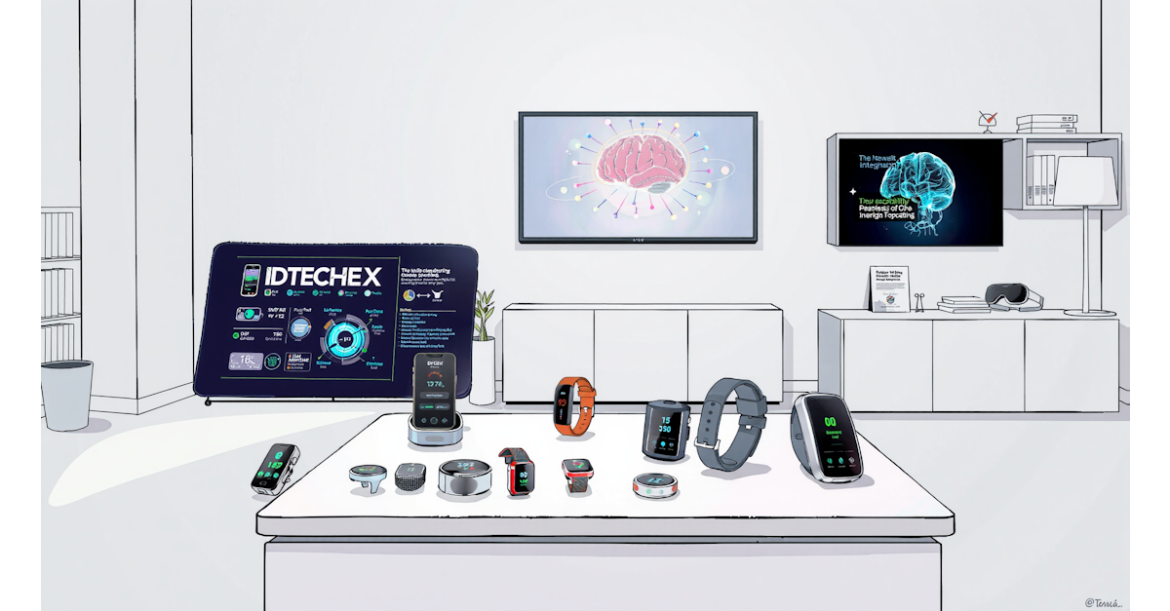
Smartwatches are one of the most common wearable devices, worn by anyone wanting to keep track of biometrics including heart rate, step count, or sleep quality. Similarly, smart rings can achieve a sleek aesthetic whilst accurately providing health data, including data on women’s fertility, through the use of a connected app.
IDTechEx predicts the wearable sensors market to stand at US$7.2 billion by 2035, growing at a combined compound annual growth rate of 5% between 2025 and 2035, showing an expected steady uptake of wearable devices into commercial spaces.
Peak accessibility with wearable devices
The large array of wearable devices available are also stretching to create new and more unique accessibility possibilities, with applications such as smart glasses that use augmented reality technology. Keeping up with conversations more easily may be possible with real-time narration features, where people who are hard of hearing could have text displayed on the lenses while someone talks to them to ensure no details have to be missed.
