
Counter space costs money, so every gadget better earn its spot. Some promise revolutionary shortcuts but deliver clunky disappointment. Others quietly transform tedious tasks into effortless wins. Testing reveals which tools genuinely save time without destroying your food—and which belong in the donation pile faster than yesterday’s leftovers.
This content may contain affiliate links. If you wish to support us and use these links to buy something, we may earn a commission.
14. Garlic Roller
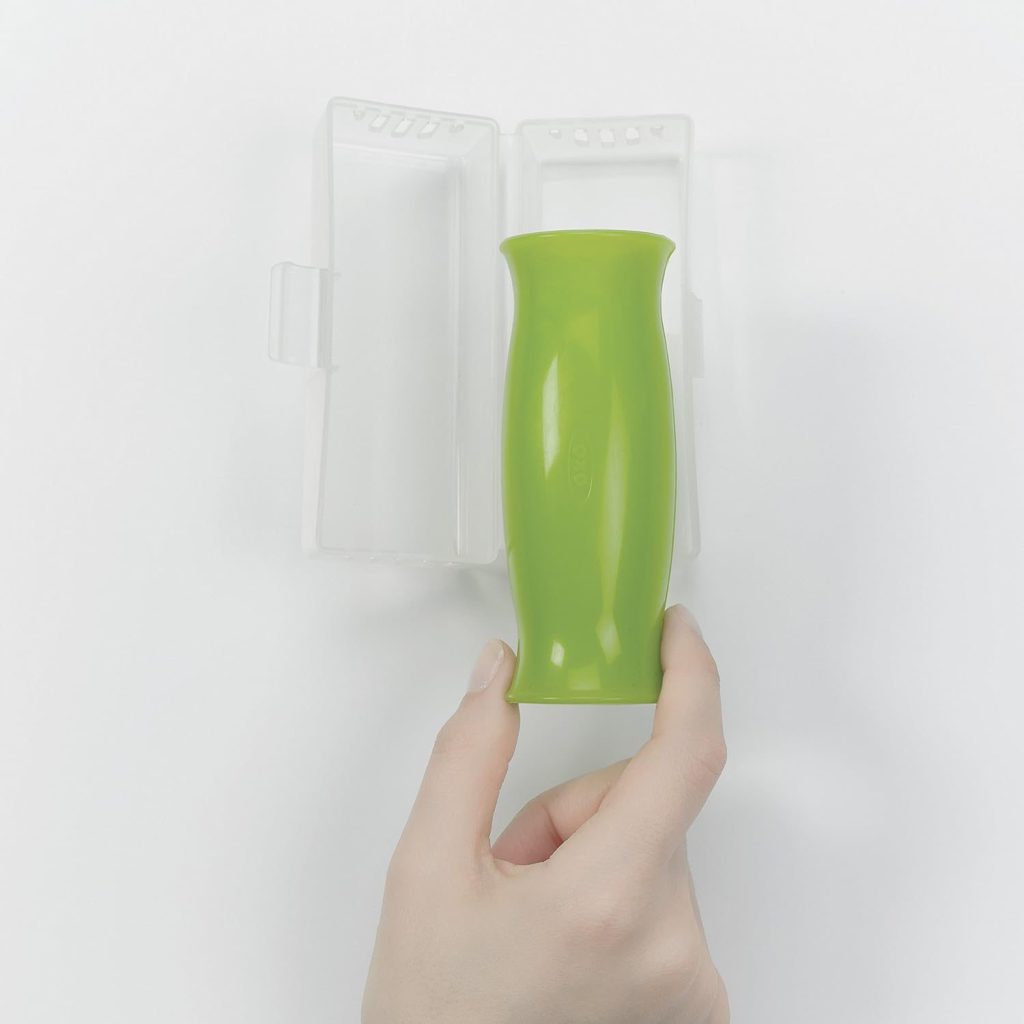
This simple silicone tube removes garlic skins through counter-rolling friction in seconds.
Place whole, unpeeled cloves inside this flexible food-grade silicone tube, roll it on the counter, and friction strips away skins faster than manual peeling. No knife work, no lingering garlic fingers, and dishwasher-safe cleanup for a gadget costing practically nothing. Two-clove tests consistently outpace hand-peeling, proving legitimate time savings.
Think of those squeegee tools for shower doors—not life-changing, but they smooth out annoying tasks. This garlic roller delivers exactly that: straightforward efficiency for anyone regularly cooking with multiple cloves. Simple gadgets sometimes prove smartest.
13. Rotato Electric Peeler
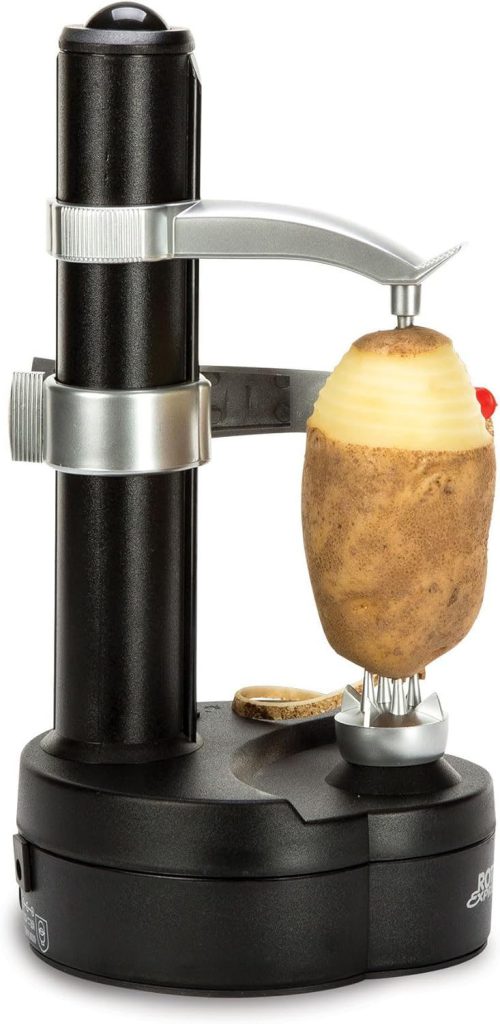
This battery-powered device spins produce on spikes while a traveling blade creates continuous peel ribbons.
The Rotato Express holds potatoes, apples, or mangoes on top and bottom spikes while a motor-driven blade travels down, creating satisfying ribbons of peel. It handles softer fruits like tomatoes with decent success, though patches often need manual touch-up. The real advantage emerges with bulk peeling—imagine prepping dozens of potatoes while multitasking other prep work.
It’s genuinely lazy in the best way: freeing hands for other tasks while producing acceptable results. The automatic stop function prevents over-peeling, and watching those continuous ribbons provides oddly therapeutic satisfaction. Efficiency beats perfection when you’re handling large quantities.
12. Newness Pineapple Corer
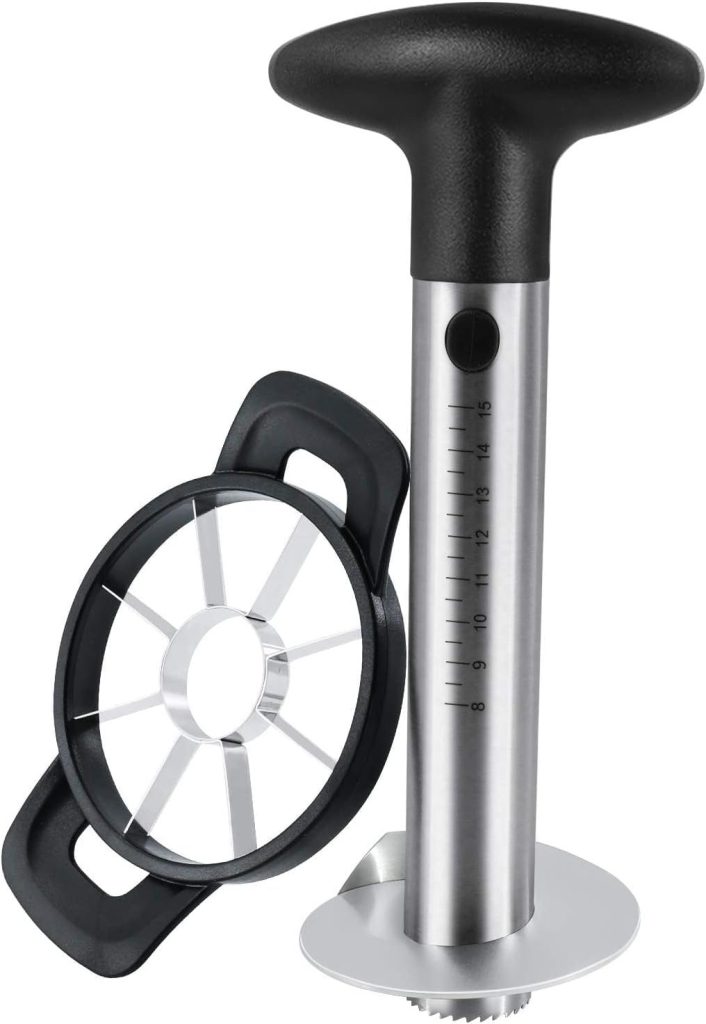
This stainless-steel spiral blade tool cores pineapples while cutting uniform rings.
Cut the crown, center this spiral-blade corer, and twist downward. The tool simultaneously separates the fibrous core while cutting continuous spiral rings, leaving a hollow shell perfect for serving drinks. It produces uniform results and reduces direct knife work for anyone uncomfortable with large blades.
However, significant fruit waste occurs near the skin, and functionality limits you to ring shapes only. The process demands considerable torque and strength. A basic paring knife achieves similar results with less waste and comparable speed once you develop basic skills. This tool feels more novelty than necessity.
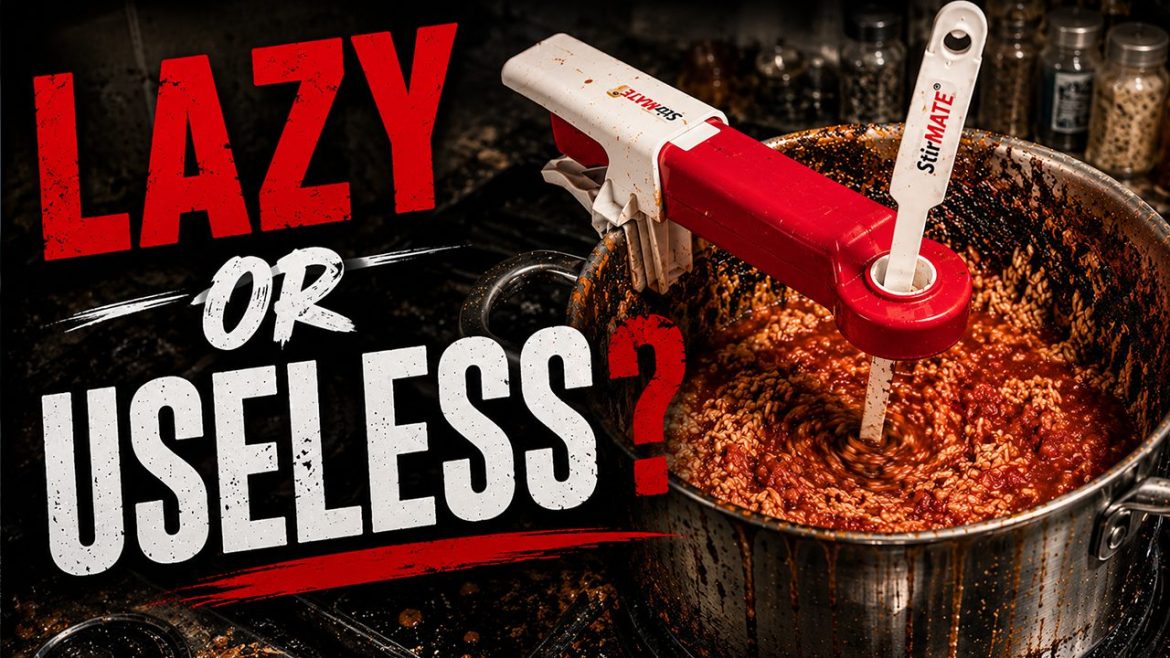
11. Auto Stirrer
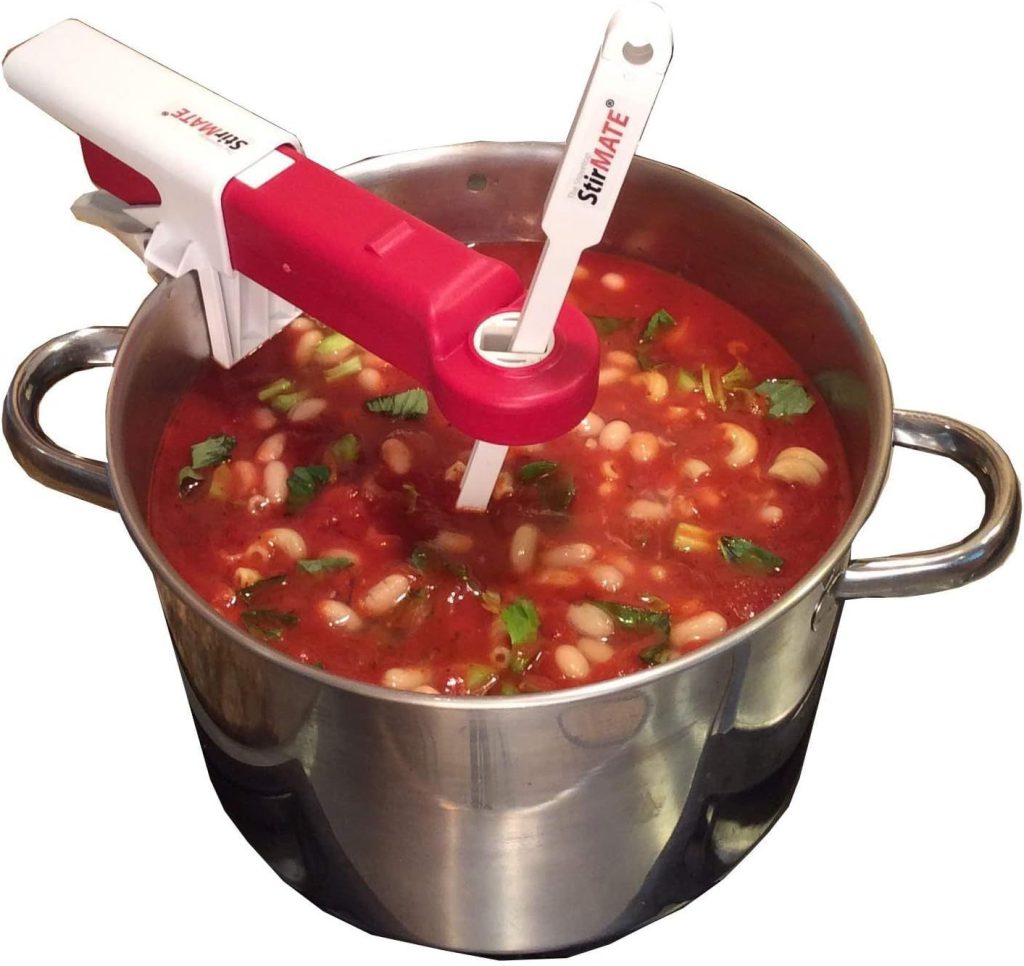
Battery-operated device with rotating feet designed for hands-free pot stirring.
Three rotating feet promise to agitate sauces and risotto automatically, preventing burnt-on rings while you handle other tasks. The concept appeals—set it, walk away, return to perfectly stirred results. Reality proves messier, with devices frequently missing pot edges and creating uneven heating patterns.
Risotto tests reveal unstirred rice rings around pot edges that over-toast while centers get proper agitation. It’s like asking a Roomba to file your taxes—decent concept, problematic execution. The inconsistent results and suboptimal textures mean you’re better off wielding a spoon personally. Save counter space and patience.
10. Bacon Wizard Microwave Cooker
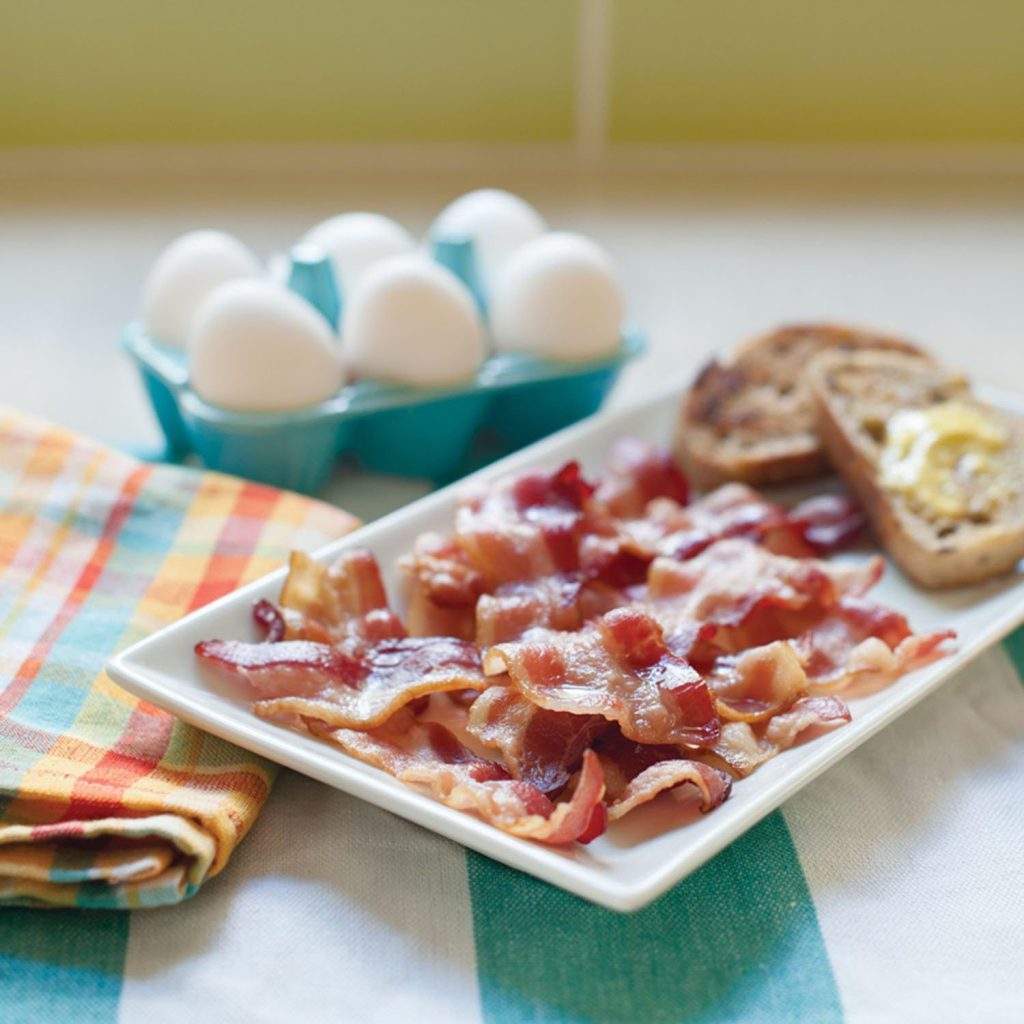
Vertical microwave setup designed to cook 6-8 bacon slices with fat drainage.
This vertical microwave bacon cooker suspends slices so fat drips away, promising crispier, less greasy results in 6-8 minutes. Marketing sounds appealing—who doesn’t want better bacon with less mess? Testing reveals soft, matte strips tasting more like budget buffet bacon than home-cooked perfection.
Pan-frying or oven-roasting delivers superior browning and flavor in comparable timeframes while handling larger batches. The Wizard’s limited capacity and mediocre results make traditional methods clearly superior. Sometimes shortcuts miss the mark entirely.
9. Slap Chop Manual Chopper

Spring-loaded device with crossing blades that creates rough dice through repeated pressing.
Crossing stainless-steel blades rotate with each press, creating functional chunks perfect for chili or rustic sauces. It’s not precision work—think aggressive efficiency over finesse. Testing shows decent results on onions and acceptable (if brutalized) performance on carrots.
The genuine benefit? Speed for non-experts. Anyone intimidated by knives can achieve usable chopping results efficiently. It genuinely accelerates rough prep work without demanding knife skills, proving that sometimes aggressive solutions work perfectly fine.
8. Fasta Pasta Microwave Cooker
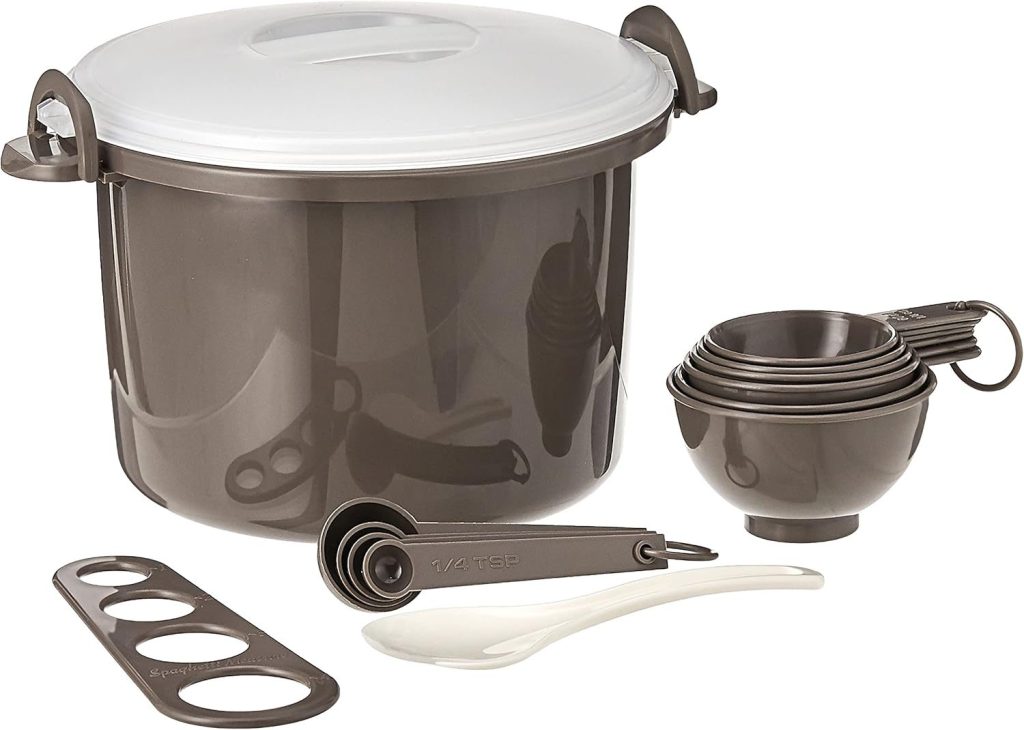
BPA-free container with vented lid for cooking and draining pasta directly in the microwave.
This rectangular container holds 2-4 servings of dry pasta with water to marked fill lines. Microwave according to timing, snap on the vented lid, and tilt to drain through built-in holes. No separate pot, no colander, significantly reduced cleanup.
Results emerge slightly overcooked but perfectly edible. The real magic? Toss sauce or butter directly into the container and eat from it. Dramatically reduced dish duty makes this genuinely helpful for students, solo diners, or anyone who detests cleanup. Sometimes simple solutions prove most effective.
7. Rice Cooker
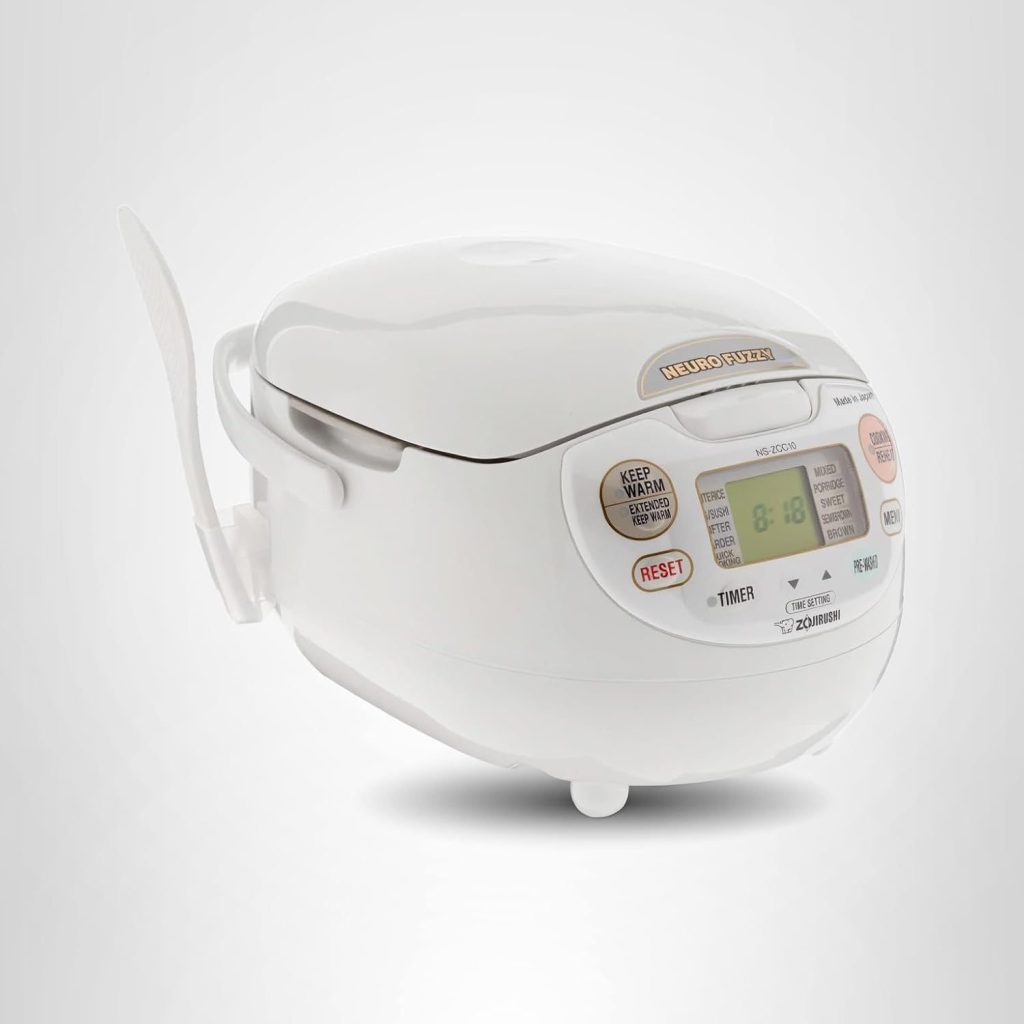
Electric appliance that automatically controls heat and switches to warm mode when rice finishes cooking.
Add rice and water, press cook, walk away. The thermostat senses when water absorbs and temperature rises, automatically switching to keep-warm mode. Even basic $30 models deliver consistently fluffy, perfectly cooked grains without monitoring or stirring.
This represents rare gadget perfection: better results with zero effort. Advanced versions use fuzzy logic or induction heating for finer control, but the core promise remains effortless consistency. It transforms potentially frustrating tasks into reliable simplicity, easily justifying counter space.
6. Sistema Microwave Egg Cooker
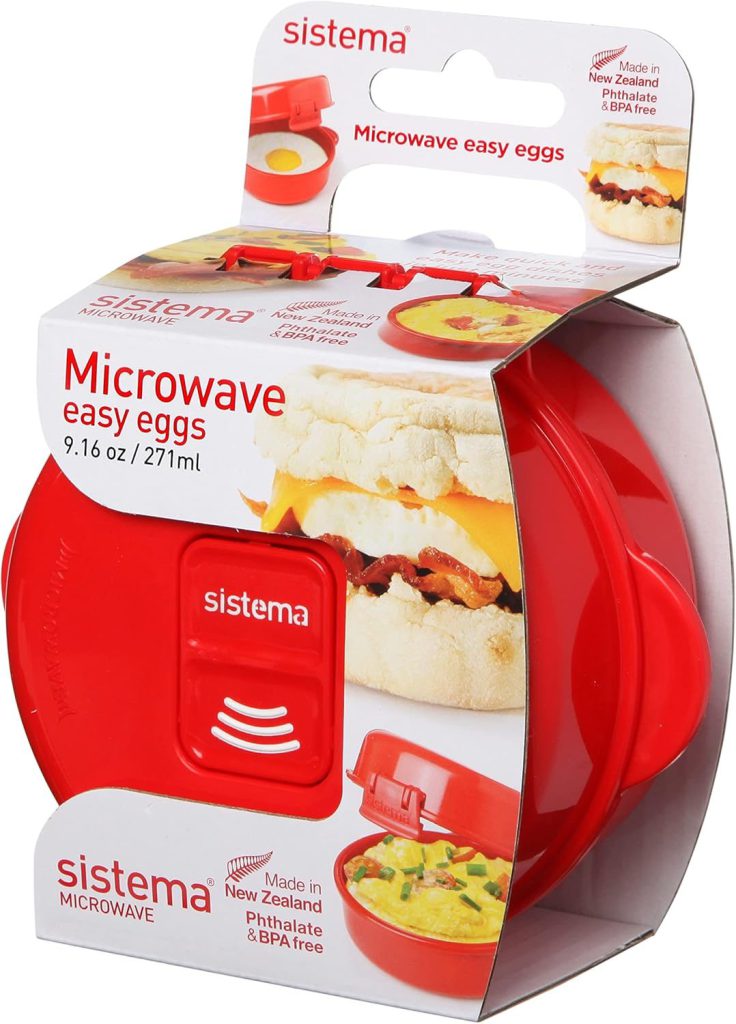
BPA-free plastic container designed for quick microwave omelets with steam vents.
Beat eggs with fillings, secure locking clips, vent properly, and microwave in short bursts with stirring. Despite following instructions precisely, results consistently emerge as rubbery discs requiring extra cooking time. The texture lacks any resemblance to fluffy, golden-brown stovetop omelets.
Microwaves heat water molecules uniformly, creating firm, slightly rubbery textures that sacrifice browning control for speed—except this device doesn’t even deliver on speed promises. You still dirty the cooker and whisk, negating cleanup benefits. Hospital-grade eggs aren’t worth the effort.
5. Veomatic 16-in-1 Chopper System
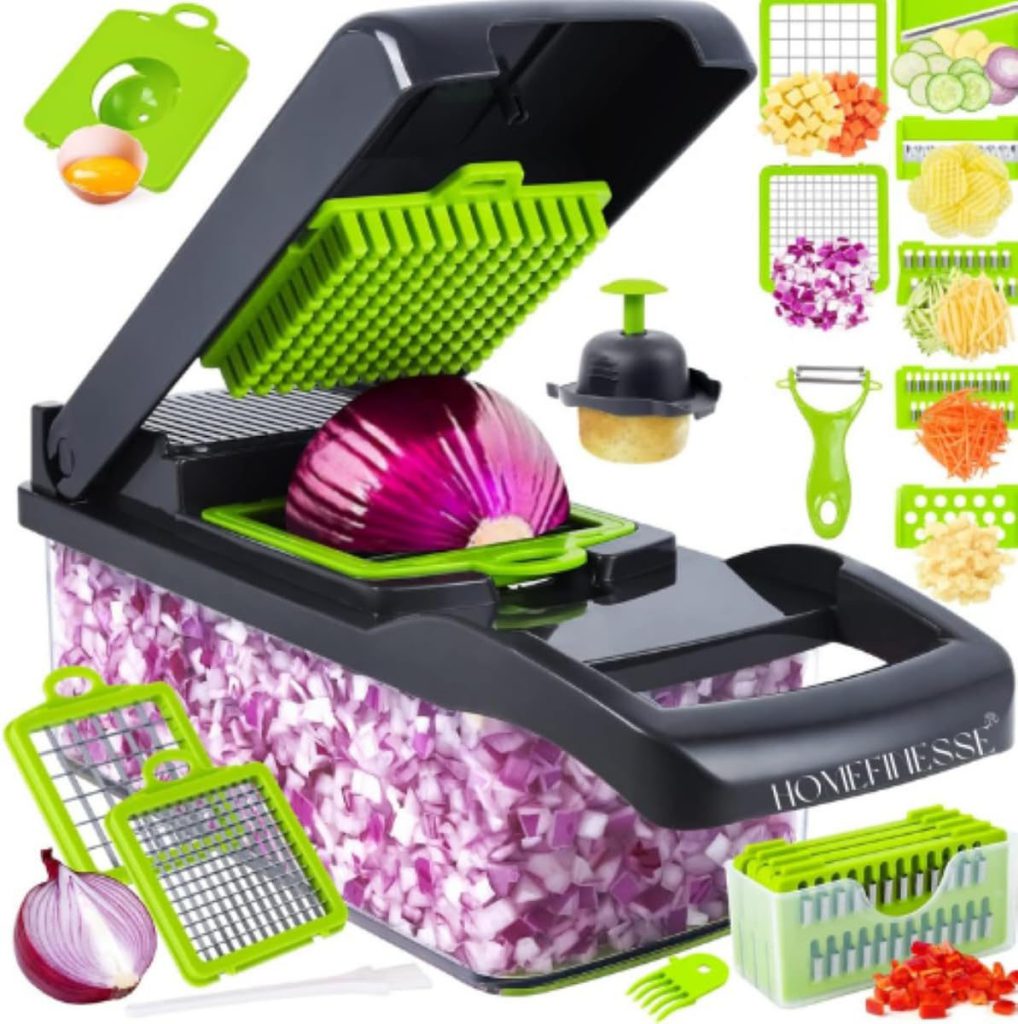
Multi-function vegetable chopper combining interchangeable blades with integrated catch container.
Sixteen cutting functions promise everything from uniform dicing to wavy potato slices. Interchangeable blade plates create consistent cubes and sticks efficiently, with integrated containers reducing prep mess. Fixed-thickness mandoline plates limit versatility compared to adjustable models, but basic functionality works adequately.
The serious problem? Safety design flaws that led to significant injury during normal use. Despite decent chopping performance, the blade exposure risk during routine tasks creates unacceptable hazards. Efficiency gains never justify emergency room visits.
4. Banana Slicer Attachment
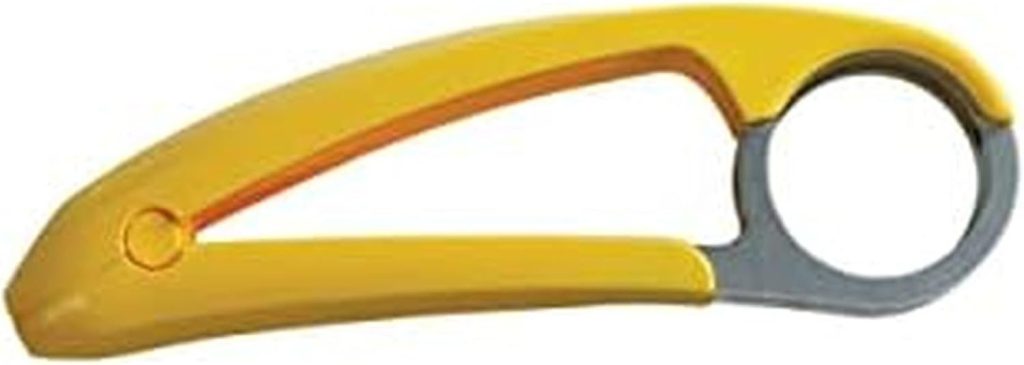
Curved, hinged blade tool designed to slice peeled bananas into uniform coins.
This single-use tool promises uniform banana coins with one press, appealing for households with kids or anyone avoiding knives. However, normal use resulted in serious thumb injury due to poor leverage design placing fingers directly over cutting edges.
Basic paring knives handle banana slicing in seconds without injury risks. This attachment proves that some tasks genuinely don’t need gadget solutions. When simple tools work perfectly and safely, complicated alternatives just create problems.
3. Air Fryer
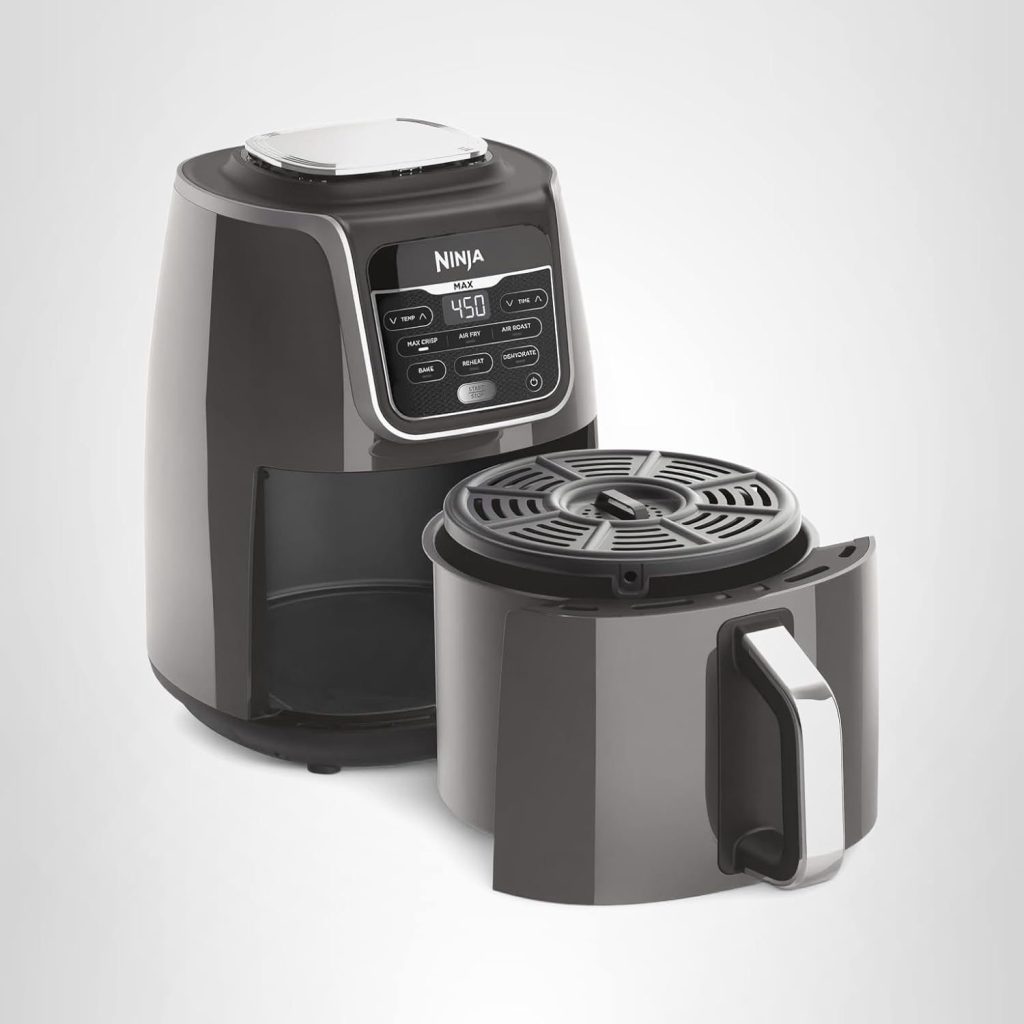
Countertop convection appliance circulating high-speed hot air for oil-free crisping.
Operating between 180-400°F, powerful fans circulate hot air around food, delivering restaurant-quality results with minimal oil. Ten-minute salmon tests produce moist interiors, crisp skin, and even coloring that rivals skilled skillet work—except the air fryer makes it almost insultingly easy.
This represents perfect lazy cooking: superior results with minimal skill requirements. Fast preheating, consistent performance, and healthier preparation methods justify the counter space completely. Sometimes being lazy produces better outcomes than trying hard.
2. Meatballer Forming Tool
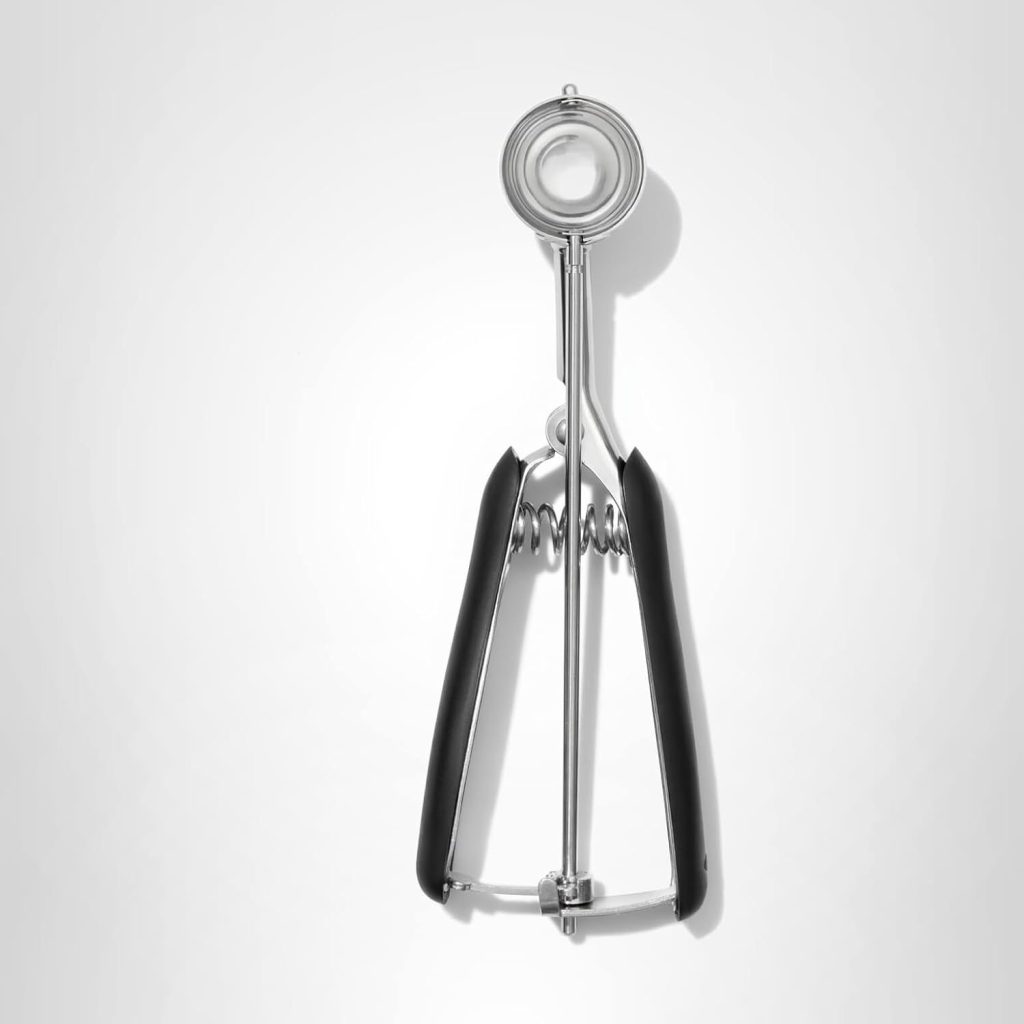
Hinged tool designed to shape ground meat into uniform spheres quickly.
Promising uniform meatballs with reduced mess and faster batch production, this hinged device requires packing meat mixture and squeezing to form balls. Testing reveals slower, messier results than hand-rolling, with sticky mixtures clinging to surfaces and demanding extra oil or flour for release.
Final products emerge poorly formed and irregular despite extra effort. The tool proves both inefficient and disappointing—a genuine kitchen gimmick adding work without payoff. Hand-rolling remains faster, cleaner, and produces superior results.
1. 3-in-1 Breakfast Sandwich Griddle
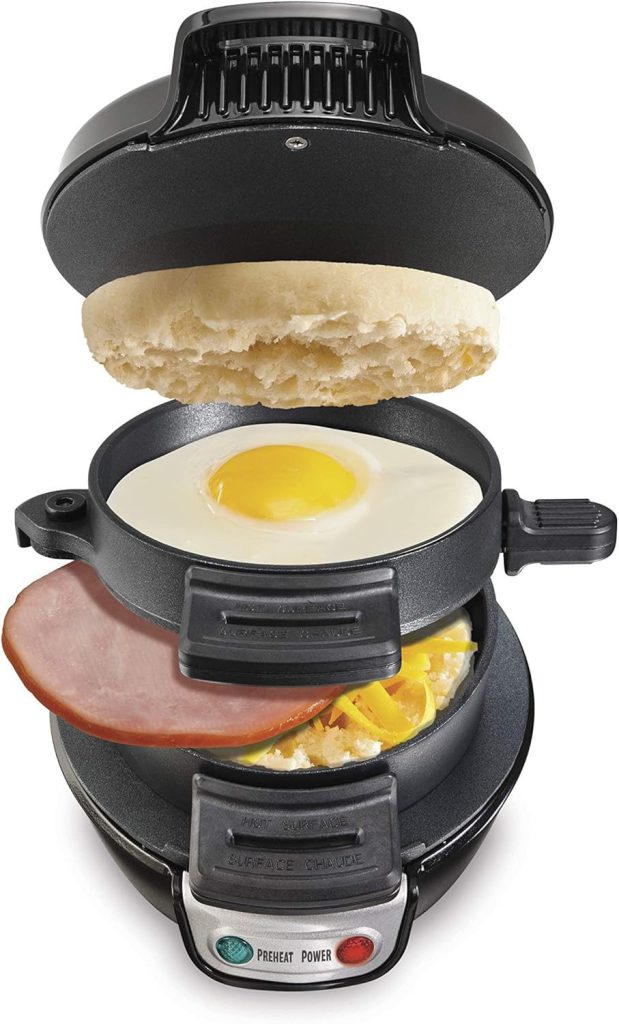
Compact electric griddle with separate zones for eggs, meat, and bread cooking.
Separate recessed areas promise complete breakfast sandwich assembly in one appliance. Fixed thermostat operation means no temperature control, and results depend heavily on ingredient cooperation. While finished sandwiches taste decent thanks to quality ingredients, cleanup becomes nightmarish.
Cheese and egg residue infiltrate every ridge and corner. A single large pan provides more flexibility with easier cleanup. For a device requiring dedicated storage space for one meal type, it creates more hassle than convenience.
