
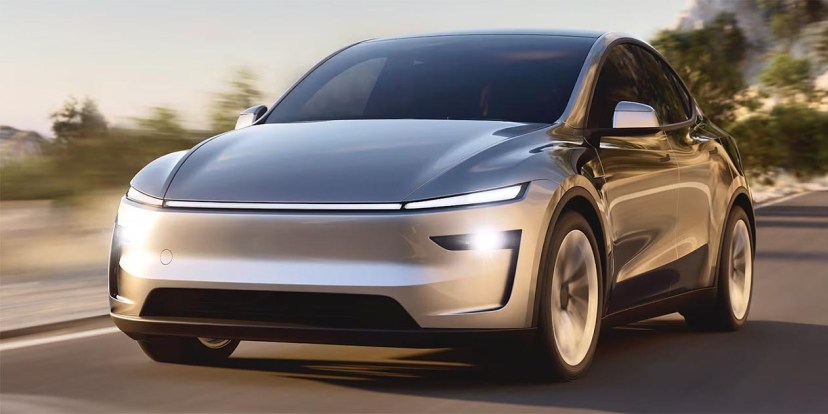
The auto market in the United Kingdom went through quite a shift in June 2026. Latest data shows that EVs captured almost 30% of the new car market during the month, with buyers snapping up 64,440 electric cars. That’s a huge 38% bump compared to the same period last year, with the new car market growing by 15% to 215,921 units. It seems that EVs are no longer a small niche – they are literally driving the growth of the entire British automotive industry.
There are a few obvious reasons why British drivers are buying more electric cars. Global oil shocks caused by the war in Iran have pushed fuel prices higher, making petrol and diesel vehicles more expensive to run. At the same time, the financial gap between buying an electric and a gas-powered car is closing. Gurjeet Grewal, the chief executive officer of Octopus Electric Vehicles, pointed out that many new electric models have reached price parity with traditional options, plus used electric cars are finally becoming even more affordable for the average consumer, making the switch practical.
Local policies also push car manufacturers to supply more clean vehicles. The UK government enforces a Zero Emission Vehicle (ZEV) Mandate, which requires automakers to hit an escalating percentage of zero-emission sales each year. But despite the impressive results in June, the industry still has a steep hill to climb. For the first half of the year, electric cars accounted for 24.9% of all new vehicle registrations in the country, leaving the market below the official government target of 33% for the year.
Even with the missed targets, the UK is moving much faster than its neighbors. Data from the European Automobile Manufacturers’ Association (ACEA) shows that the European Union, the European Free Trade Association, and the UK put together had an EV market share of just 19.7% through April. Britain’s ability to hit nearly 30% in June shows that its local market is adapting to electric mobility much quicker than the continental average.
A large part of the June success belongs to Tesla, which seems to be recovering from a difficult period in Europe. The American automaker sold 12,403 electric cars in the UK in June – that’s a 42% increase from the previous year. Although this is great news, the growth needs some context. Tesla spent the first months of 2026 struggling with a sales slump across the continent – in January, Tesla saw its UK sales drop by 57%, while its total European Union registrations fell by 17% even as the wider electric vehicle market expanded.
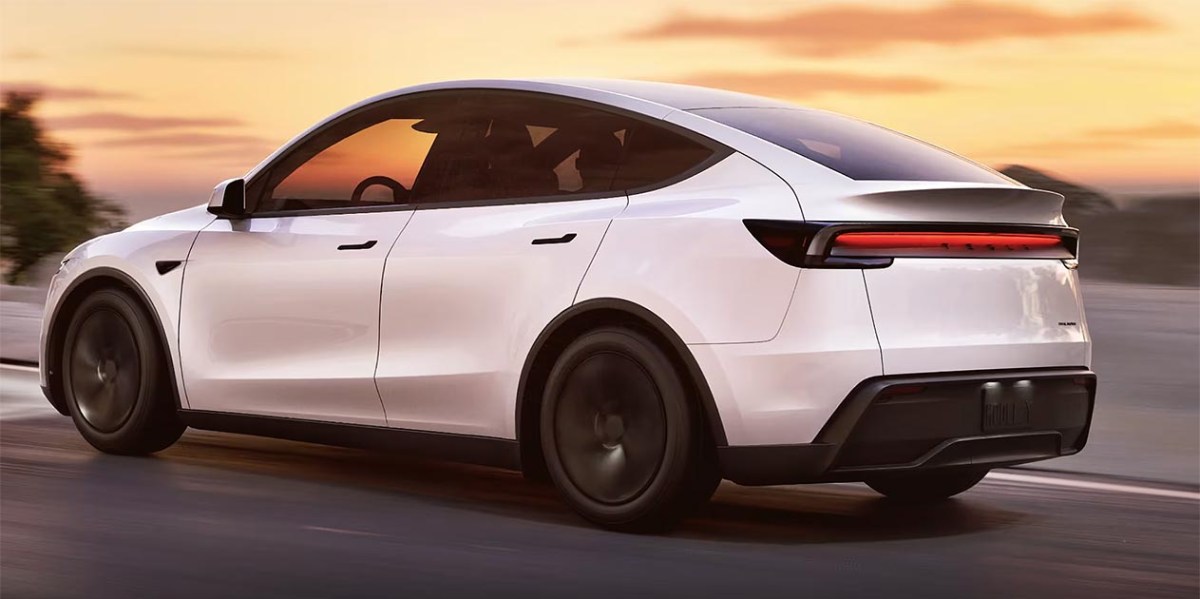
To reverse this downward trend, Tesla relied on a refreshed version of the Tesla Model 3 and Tesla Model Y lineup. The company went also with aggressive price cuts to attract buyers back to the brand. That 42% jump looks excellent on paper, but it mostly shows Tesla returning to its historical sales volumes rather than breaking new records. The company had damaged its brand reputation and faced an aging product line, meaning these heavy discounts were necessary to clear out unsold inventory.
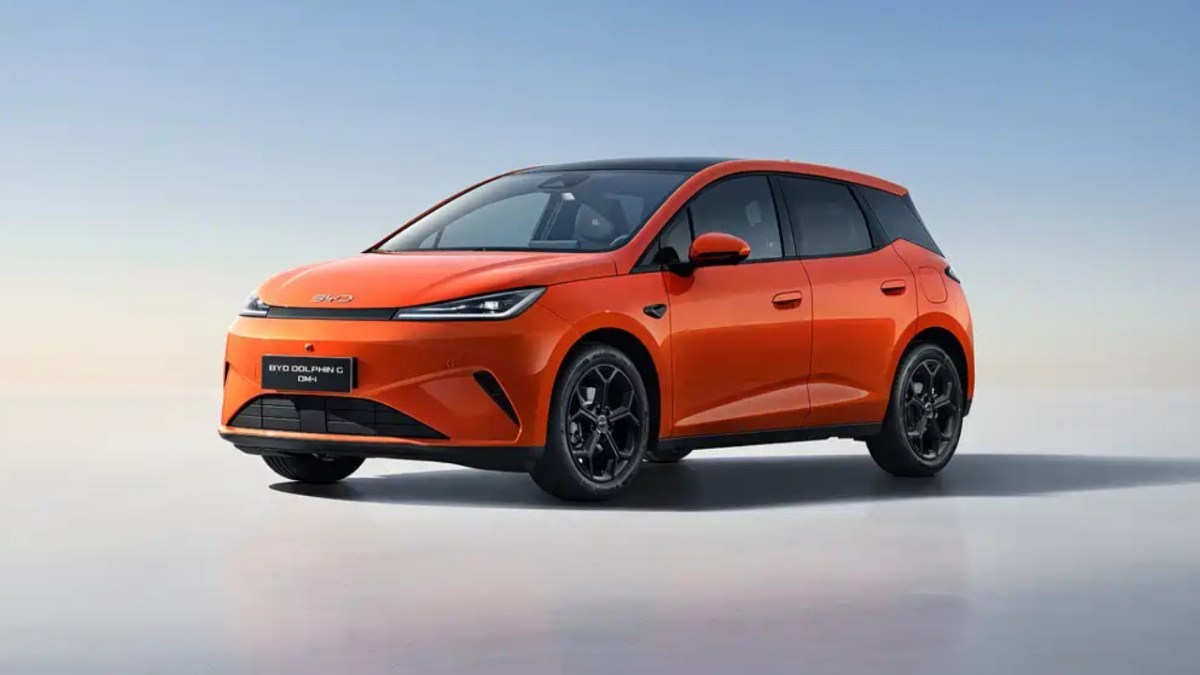
As Tesla is regaining its position, Chinese manufacturer BYD is learning that the UK market is a tough nut to crack. BYD registered 2,999 vehicles in the UK in June, which is a 9% increase compared to last year. Any growth is positive, but this single-digit increase is actually a slowdown from the triple-digit percentage gains BYD enjoyed earlier in the year. BYD has managed to outsell Tesla across mainland Europe during several months of 2026, but in the UK, Tesla still maintains a dominant position, outselling its Chinese rival four to one in June.
Demand for EVs is high, but British car manufacturing faces serious external risks. The Society of Motor Manufacturers and Traders (SMMT) issued a warning regarding post-Brexit trade rules. If the UK and the European Union do not resolve local content rules soon, British electric car makers could face tariffs totaling £1.4 billion. Because the European Union is the largest export destination for British-made vehicles, these trade penalties will hurt the local manufacturing sector. Tougher EU trade regulations scheduled for 2027 will only add to this pressure.
The data from June confirms that electric cars have properly entered the mainstream in the UK. The market share grew sharply from the 27% recorded in May, when registrations rose by 31%. Drivers are no longer buying electric options just because of government mandates – they are choosing them because of high fuel prices and better vehicle choices. If the industry can navigate the looming tariff disputes with Europe, the transition to electric transport will continue to alter the British automotive landscape.
