
Local buyers, not tourists, are driving the trend into jewelry as the yen’s weakness sinks deeper than in decades
-
By Yui Hasebe and Shirley Zhao / Bloomberg
Japanese shoppers are driving up luxury jewelry sales to a record as consumers seek a safe haven from inflation and the weakening yen.
Sales of gems, precious metals and artwork at Japan’s department stores climbed 19 percent in the first half of this year from a year earlier to ¥330 billion (US$2 billion), the highest sales for the period since records began in 2008, according to data from the Japan Department Stores Association.
Demand for jewelry comes as the Japanese yen weakens to almost ¥164 per dollar, its lowest level since the 1980s, while core consumer prices, excluding fresh food, rose 1.6 percent in June. The economic backdrop is prompting consumers to shift spending toward assets they see as better stores of value.
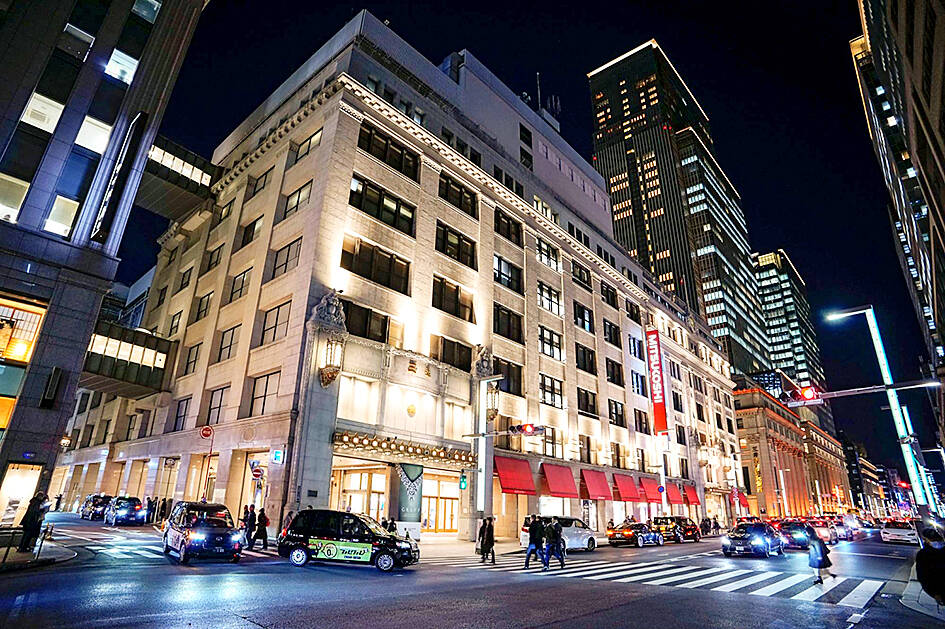
Photo: Bloomberg
“It’s becoming more normal for people to hold 5 percent to 10 percent of their assets in gold, rather than cash,” said Satoshi Maehara, president of Tokyo-based jeweler Happiness and D Co. “As the yen is losing value, people are increasingly turning toward gold. We’re seeing rising demand from that trend, and positioning ourselves to capture it.”
Happiness and D has traditionally focused on selling imported luxury brands and high-end watches, but in the past few years has shifted its business toward jewelry to capitalize on growing demand for gold and precious metals, Maehara said. Rising interest in holding gold as an asset has become a major tailwind for the company’s business, he added.
SHINY SALES
The gems and precious metals category has far outpaced overall department store sales, which grew 3.2 percent over the same period. Duty-free sales at department stores also rose 3.2 percent, suggesting the surge has been driven largely by domestic shoppers rather than tourists.
One such customer is Yuki Hayakawa, 33, an office worker who spent about ¥600,000 of her bonus on a diamond and gold necklace from Chaumet, which is owned by LVMH Moet Hennessy Louis Vuitton SE.
“Luxury brands keep raising their prices, so I thought it would be better to buy sooner rather than later,” Hayakawa said. “I save money where I can, but I also think it’s important to reward myself. If I’m going to use it for many years, I tell myself it’s worth the price.”
Japanese consumers are increasingly favoring branded jewelry over handbags as higher living costs make them more selective about discretionary purchases, according to Bloomberg Intelligence analyst Catherine Lim. “Some consumers could view these items as a possible source of appreciation, particularly as the yen weakens,” she wrote in a report.
Strong domestic demand for jewelry has helped lift the outlook for Japan’s luxury market as a whole. The sector has been facing headwinds including a slowdown in inbound tourism — its key growth driver — due to a sharp decline in Chinese visitors amid a political spat with Beijing.
It is set to benefit global luxury giants with a bigger jewelry portfolio, such as Cartier-owner Richemont. The Swiss company’s sales jumped 20 percent year-on-year in its last quarter, almost twice as much as analysts had projected. Japan saw the highest sales growth among all geographical regions, led by its jewelry segment, Richemont said. That compared with a decline for the country during the same period a year ago.
Gucci-owner Kering SA reported Japanese jewelry sales rose 57 percent in the first quarter, even as its fashion and leather goods business in the country declined 14 percent.
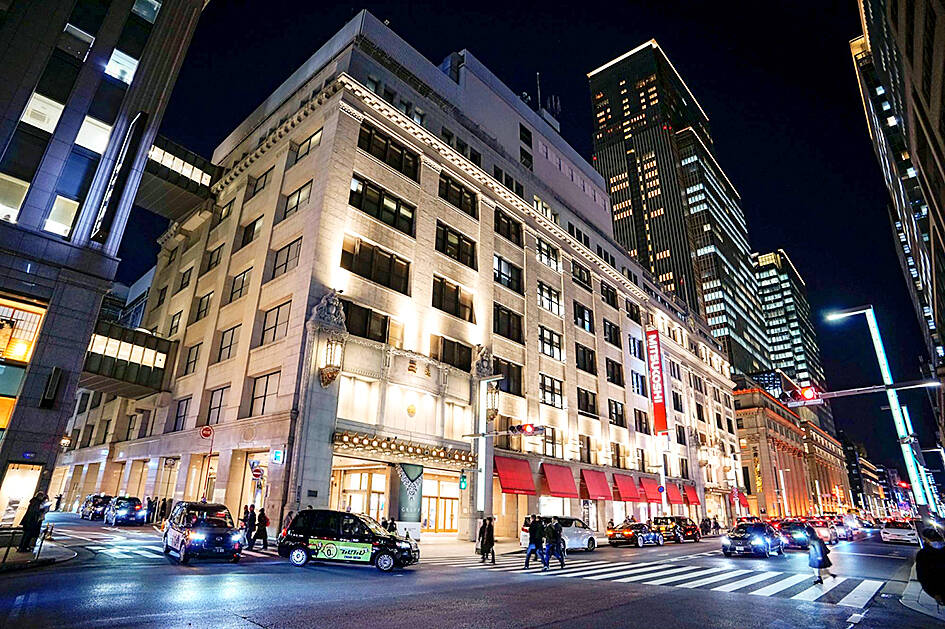
Isetan Mitsukoshi Holdings Ltd, Japan’s largest department store operator, saw jewelry and watches continue to lead domestic sales alongside handbags, cosmetics and food, according to a company spokesperson. The department store is expanding offerings aimed at consumers seeking higher-quality products and services.
Kaoru Perkins, a Tokyo-based partner at consultancy Bain & Co, said that while people are spending more on luxury goods, it reveals a polarization in the market, with consumers skimping on some products while splurging on high value, longer-lasting goods.
“There’s more interest in things that don’t lose value, and that’s part of the polarization — which is I don’t mind buying basic T-shirts but I want something that is a little more longer lasting, not necessarily like heirloom level, but something that you can keep as an asset for yourself,” Perkins said.
