
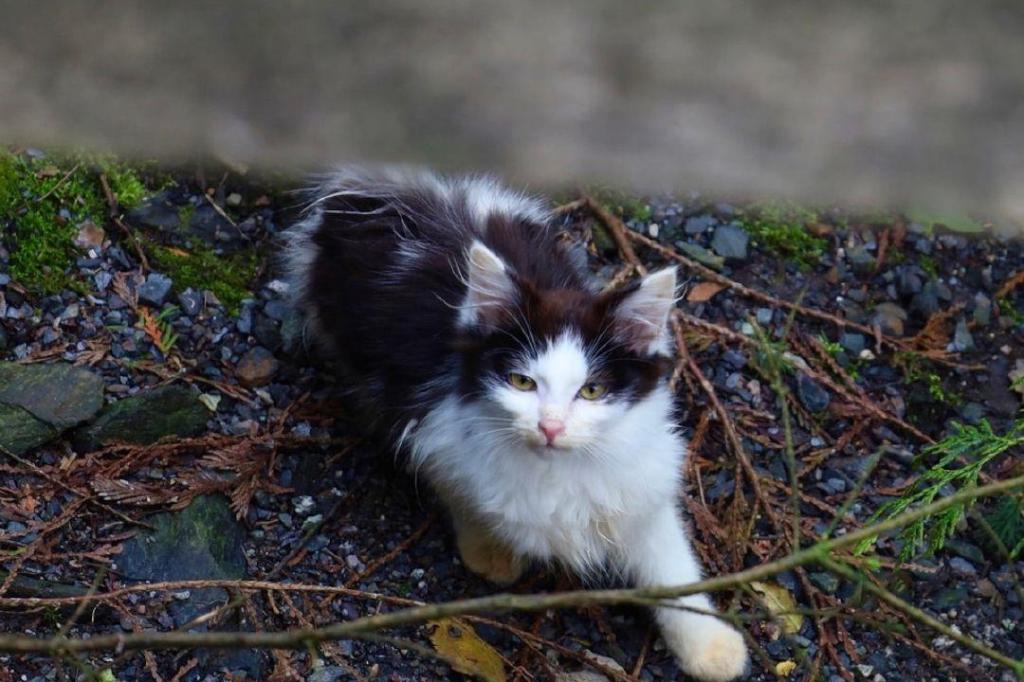
NIWRA: Outdoor cats are cute and cuddly but also deadly predators
Published 10:05 am Sunday, August 9, 2026
They may have lovely soft fur and be cute and cuddly when they feel like it, but cats have been largely responsible for the extinction of 33 bird species over many centuries. Scientists estimate free-roaming cats kill hundreds of millions of birds, small mammals, reptiles, and amphibians each year, including endangered species.
Cats are particularly deadly for birds. Even well fed, pampered cats will hunt and kill. Every year, domestic and feral cats kill millions of birds in Canada, leading some bird species to decline by up to 90 per cent.
Cat attacks are one of the primary reasons birds, especially smaller species, are admitted to the North Island Wildlife Recovery Centre (NIWRA) for treatment. A cat doesn’t have to kill the bird outright; even a small scratch from a cat can kill a bird. Bacteria found in the saliva and mouth of a cat can cause swift and fatal septicemia (infection in the bloodstream) in birds and small animals. Birds caught by cats need to be treated with specialized antibiotics by wildlife professionals, even if they don’t appear injured.
If you have a cat, how can you help?
Spay or neuter your cat at an early age, do not feed stray cats, never abandon a cat, and support the work of your local SPCA.
Keep your pet inside or supervised and on a leash, if outdoors. Have someone handy build an outdoor Catio (a secure outdoor enclosure) fit for your feline royalty. You will be keeping birds safer, and you’ll keep your pet safer, too. Outdoor cats can be exposed to many dangers, including motor vehicles, fights with other cats and wildlife, and diseases. Keeping cats from roaming freely also reduces human exposure to diseases such as toxoplasmosis.
Domestic cats that hunt can contract and spread avian flu. Some cats have been infected with the H5N1 virus after coming into contact with sick birds or their contaminated environments. Avian flu can have severe health implications for domestic cats. Cat owners should be vigilant and seek immediate veterinary attention if their pets show any signs of illness, especially if they suspect exposure to sick birds.
Domestic cats do have a reputation for liking things their way, but you will be doing them and birds and other small wildlife a big favour by keeping them safe indoors.
NIWRA, a non-profit organization, is situated in Errington and is open to the public daily for viewing of non-releasable animals. Visit their website at www.niwra.org to learn more about their programs, read stories about their animals, and learn how you can help care for wildlife.
