
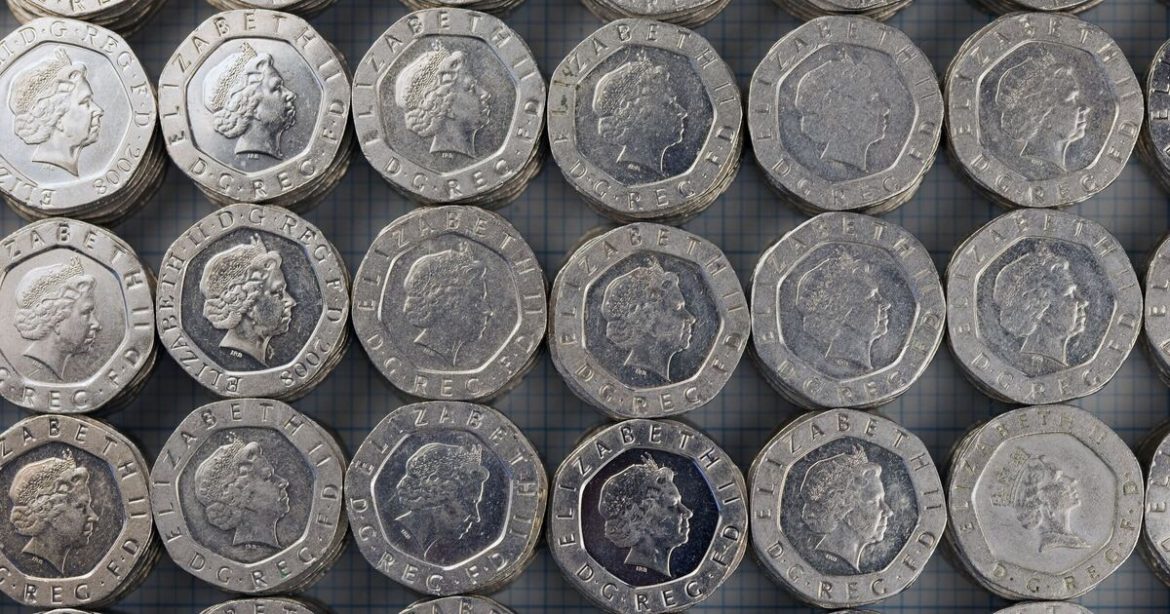

A 20p coin could help your car avoid failing (stock image) (Image: Getty)
Nobody wants their car to fail an MOT test, so it may be unexpected to learn that over 200,000 vehicles actually managed to flunk last year. It’s something all drivers have to endure to make sure their cars are safe to drive; however, sometimes it can lead to costly bills due to needed repairs.
Not to worry though, as there are some ways you can avoid the issue and it’s expert advice you don’t want to ignore. Making a simple few checks ahead of the test could help you pass and avoid big expense, and they’re pretty simply to carry out.
It’s not the only important update to be shared regarding MOTs either. Back in March, a warning about MOTs was also issued to UK drivers.
Failing an MOT over something you could have fixed weeks earlier is an expensive lesson. According to motoring industry expert Tina Newman at Just Tyres, which has hundreds of followers on social media, many drivers learn it every year, all because of one check they never think to do.
It’s not a nail, as one of the most common tyre-related MOT failures is wear on the inside edge of the tread. This is the part of the tyre that faces inward and stays hidden unless you know to look for it.
“Most drivers do a walk-around and think their tyres look fine,” Tina said. “But inside-edge wear is tucked out of sight. By the time it’s flagged at an MOT, it’s already too late.”
It typically develops when wheels are misaligned or suspension is off – neither of which drivers tend to notice day to day, as the tyre feels normal. There’s a reason why it hasn’t been picked up on before too.
Many drivers assume a recent service gives them a clean bill of health, but it doesn’t always. A full tyre inspection isn’t guaranteed at every service, which means problems can sit undetected right up until the MOT test.
“People are genuinely surprised,” Tina added. “They think someone would have mentioned it but, if your service and MOT dates don’t line up, there can be a long gap where nobody’s properly looked.”
What you need to do
Tina recommends checking tyres around four weeks before an MOT, and not the night before. That window gives enough time to book a replacement without the panic or the inflated cost of a rushed job.
Grab a 20p coin and press it into the main tread groove. If the outer band of the coin is visible, the tread may already be below the legal limit. Check all four corners, run a finger along the inner edge of each tyre and look for any bulges or cracking on the sidewalls. It takes two minutes.
Drivers who check their tyres once a month rarely get caught out at an MOT. The test stops feeling like a gamble and starts feeling like a formality.
Tina added: “A small check now saves a much bigger bill later.” So, that’s all there is to it.
According to Tina, a simple 20p coin could be the difference between an MOT pass or failure. It’s vital advice to pay attention to.
