
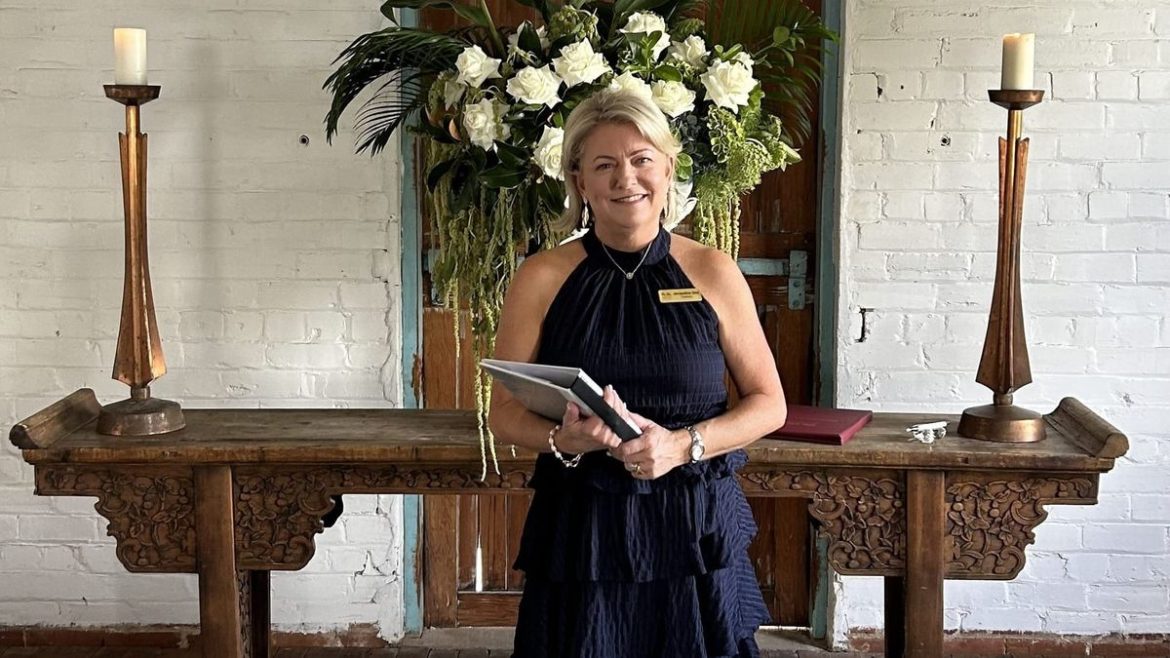
Discover the joy of a small wedding in this partner content provided by Coal Coast Micro Elopements (CC-ME)

Big weddings aren’t for everyone — which is why local marriage celebrant Jacqueline Dee created Coal Coast Micro Elopements (CC-ME).
Over her nine years as an authorised marriage celebrant, Jacqueline has witnessed a growing shift towards smaller, more intimate elopement-style weddings — a trend she believes strongly reflects the rising cost of living and changing priorities for modern couples. More and more people are choosing meaningful, relaxed celebrations over large-scale weddings that can quickly become financially and emotionally overwhelming.
Jacqueline says that CC-ME offers a beautiful alternative: affordable micro weddings set against some of the Coal Coast’s most breathtaking coastal backdrops. The concept combines all the essentials for a heartfelt wedding day into one thoughtfully curated package.
Having been part of the Helensburgh community for the past 28 years and an authorised marriage celebrant for the last nine years, Jacqueline has received multiple industry nominations and aims to consistently offer services that fit with changing times, she brings warmth, experience, creativity and genuine connection to every ceremony she delivers.
CC-ME is also proudly collaborating with a range of talented local Illawarra vendors and small businesses to create an authentic Coal Coast wedding experience for couples — supporting local while showcasing the beauty, creativity and relaxed coastal charm our region is known for.
At the heart of the concept is Jacqueline’s strong belief that marriage should feel accessible and meaningful for everybody — regardless of income, expectations or social pressure.
“As a celebrant, I believe everyone deserves the opportunity to celebrate their love in a beautiful and authentic way,” she says. “A wedding should never feel out of reach simply because of financial barriers.”
With her CC-ME package, couples will enjoy a personalised marriage ceremony, 1.5 hours professional wedding photography, beautiful florals provided by local florist Bear Trader, champagne (of course) to toast and celebrate, and all the meaningful touches that make a wedding feel truly special — without the stress of planning a huge event.
“Micro weddings allow couples to focus on what really matters,” says Jacqueline. “It’s about connection, authenticity, and creating a marriage ceremony that genuinely embodies the love, commitment, shared values and personal meaning behind a couple’s decision to spend their lives together.”
From clifftop ceremonies overlooking the ocean to relaxed beachside vows with a handful of loved ones, CC-ME is helping couples discover that smaller weddings can still be incredibly beautiful, romantic, and memorable. Sometimes, the simplest celebrations become the most meaningful of all.
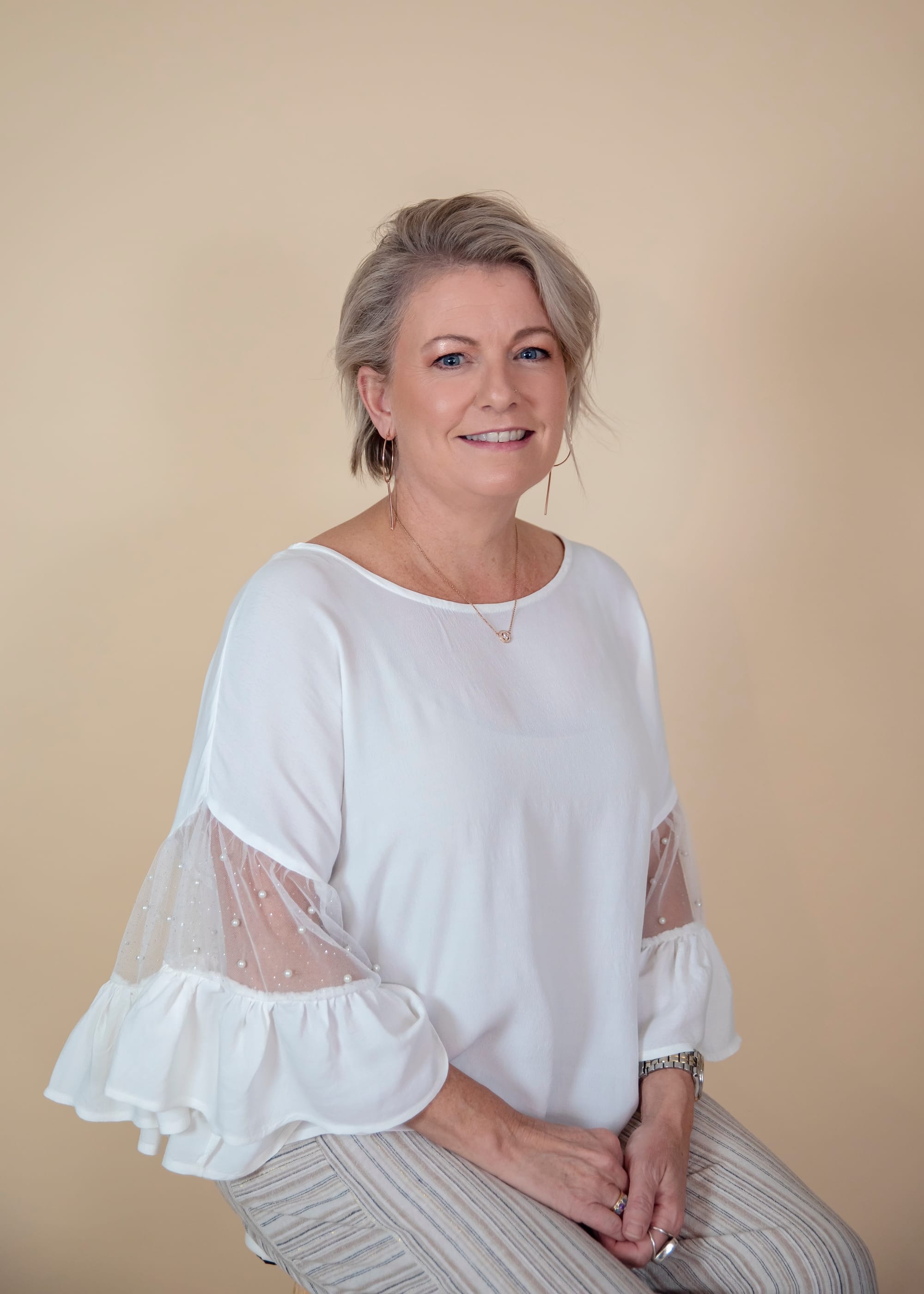
The $2599 Micro Elopement package includes:
- Deluxe ‘dream day’ wedding ceremony
- 1.5 hours professional wedding photography
- Beautiful bespoke bridal bouquet & buttonhole
- French champagne to toast and celebrate
- Signing table and chairs provided
- All legal paperwork & commemorative certificate
- Planning guidance and ongoing support
Note: a one month minimum notice is required for all legal wedding ceremonies. For more details, please contact Jacqueline Dee Celebrant on 0415 517 012, jacquelinedeecelebrant@gmail.com, www.jacquelinedeecelebrant.com or through her socials on Instagram and Facebook.
This partner content was provided by Coal Coast Micro Elopements (CC-ME)
