
WDWNT LLC may be compensated if you make a purchase using certain links in this article.
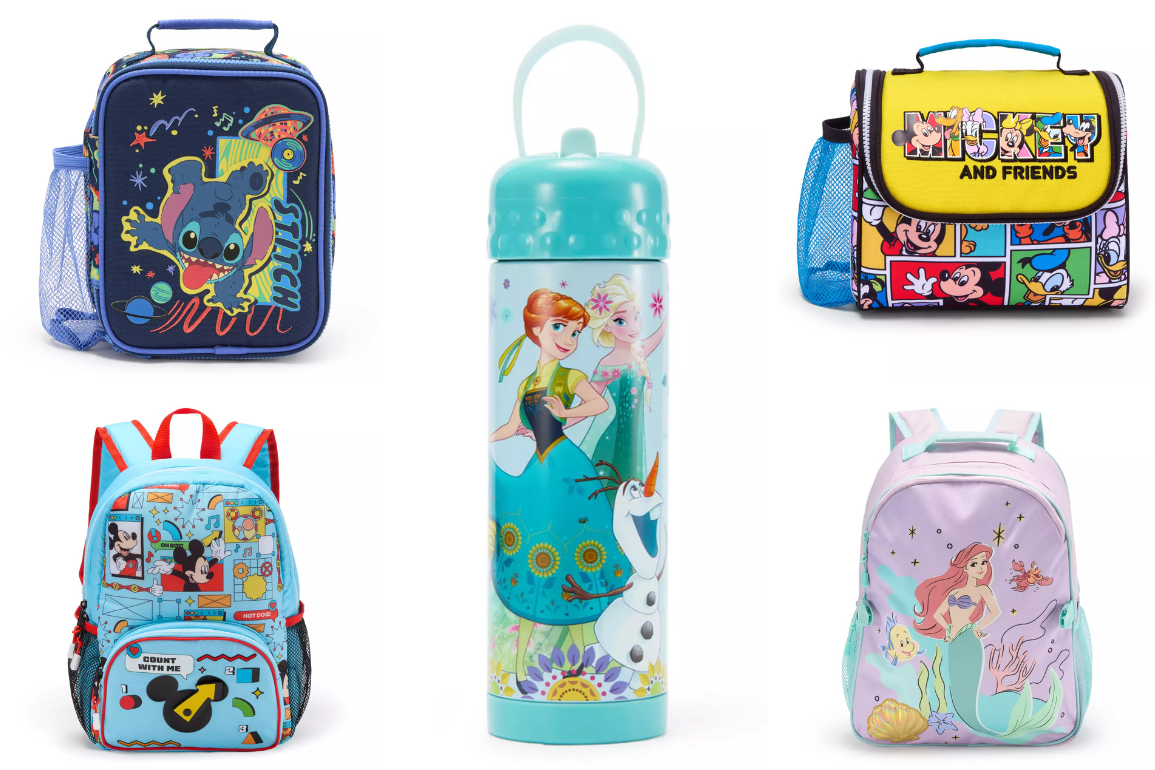
Several beloved Disney characters are represented in a ton of new school accessories online. These include lunch boxes, backpacks, stationery kits, and water bottles with Lightning McQueen, Frozen, Disney Princess, Spider-Man, and more favorite characters.
Disney Princess
Disney Princess Backpack – Personalized – $36.99
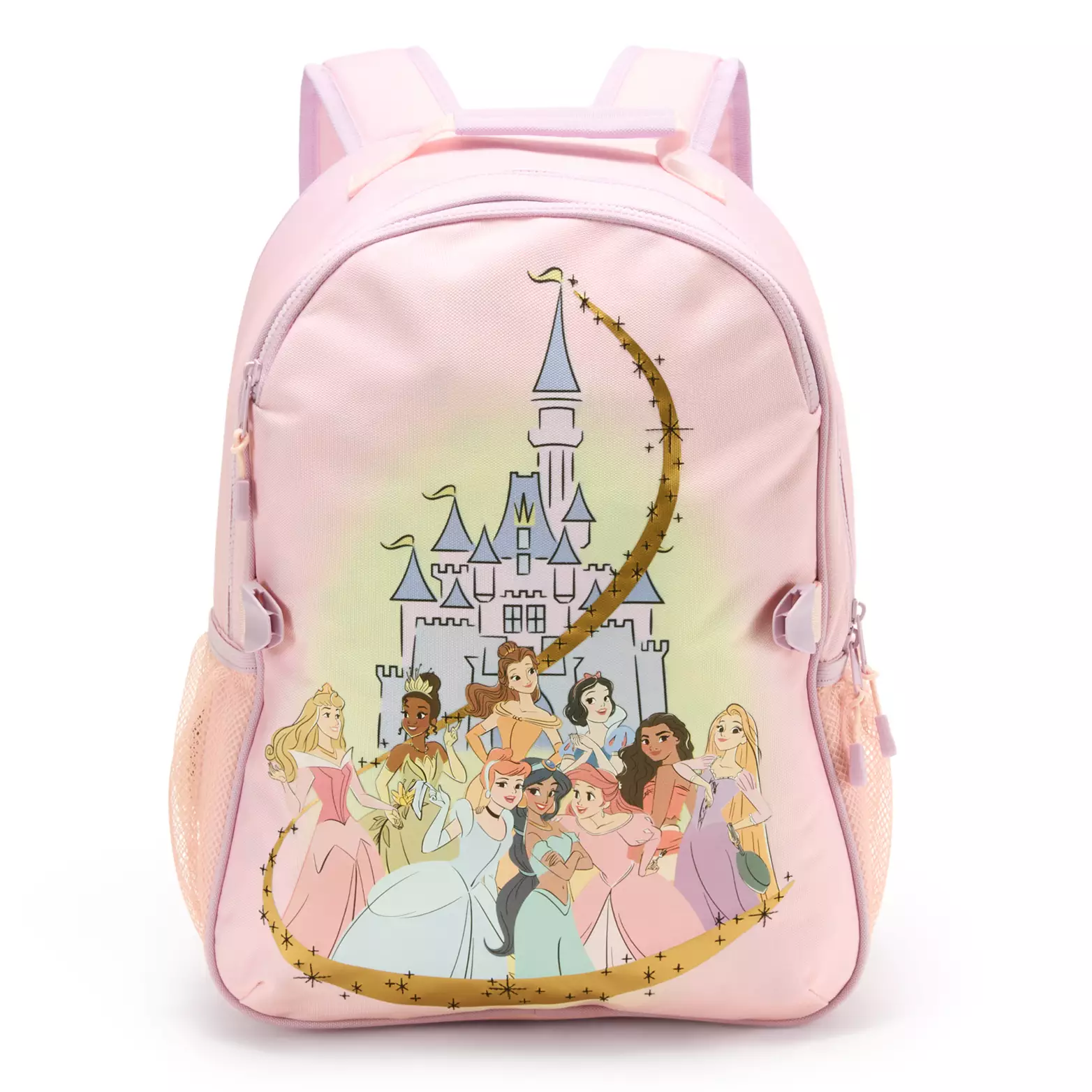
In light pink, this backpack shows nine Disney Princesses standing in front of a Fantasyland castle. Featured are Rapunzel, Belle, Moana, Ariel, Snow White, Jasmine, Cinderella, Tiana, and Aurora. There are mesh pockets on both sides.
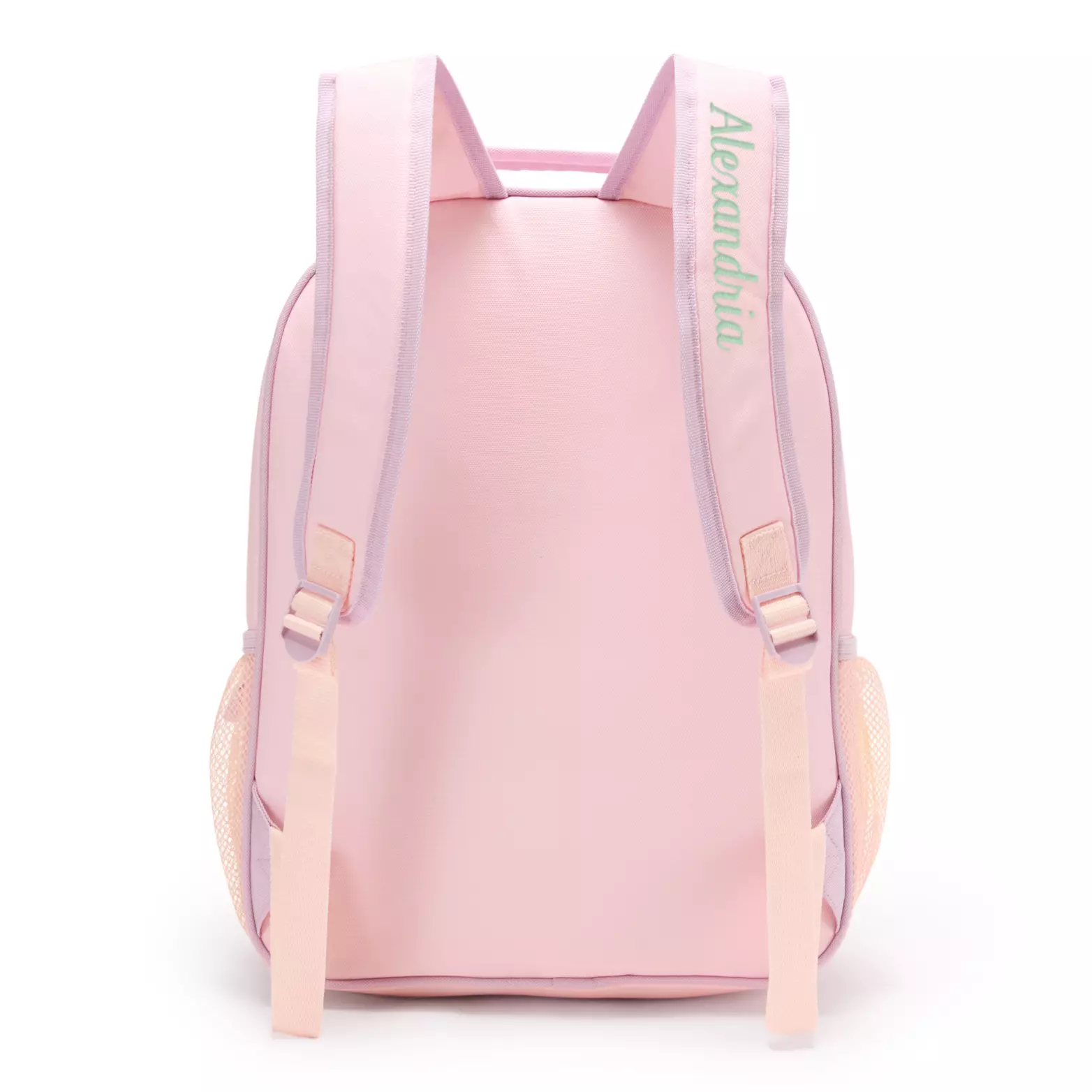
The left-hand strap of the bag can be personalized with a name.
Disney Princess Lunch Box – $26.99
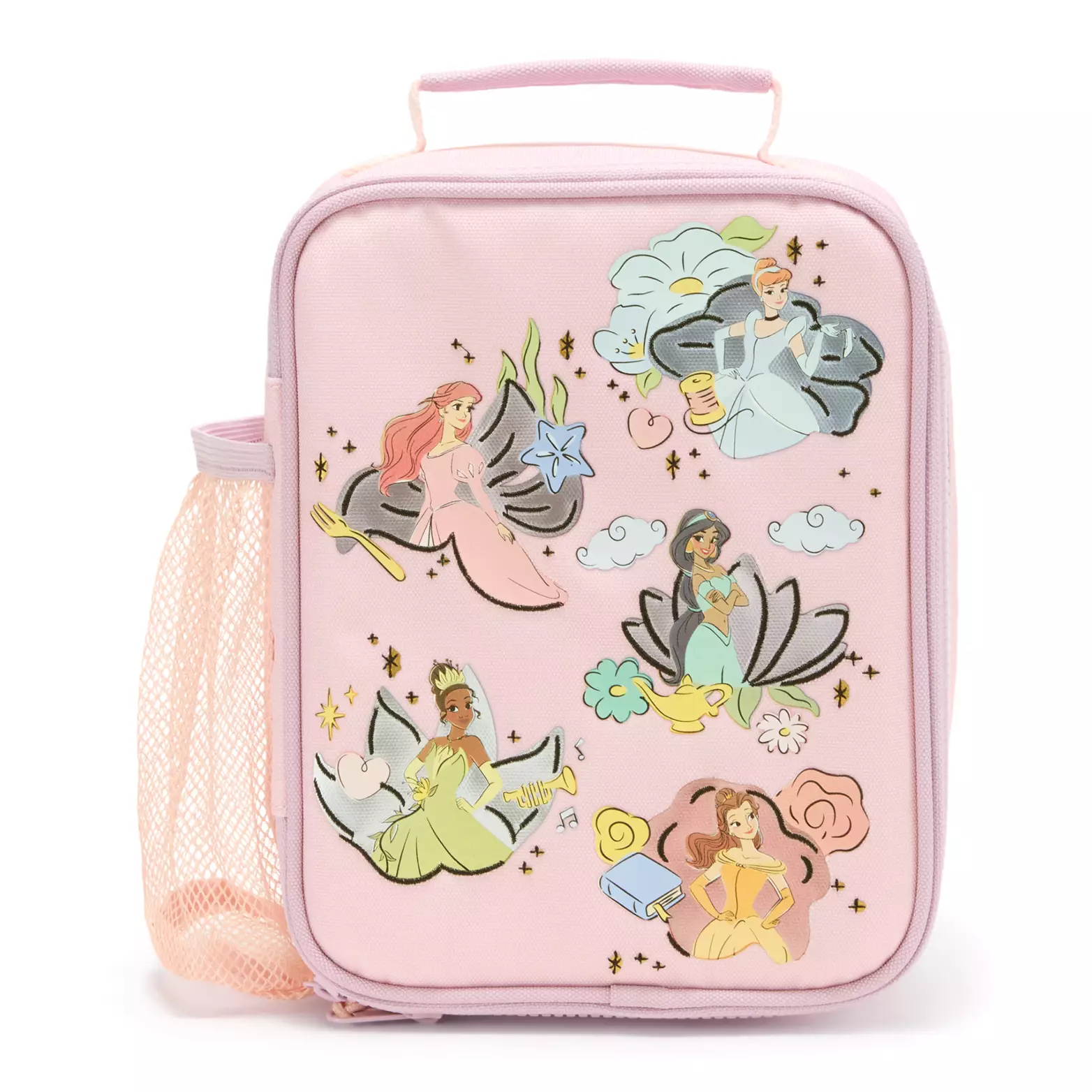
In the same color scheme, this lunch box shows just a few of the princesses on the front with iconography from their films behind them. These princesses are Cinderella, Ariel, Jasmine, Tiana, and Belle.
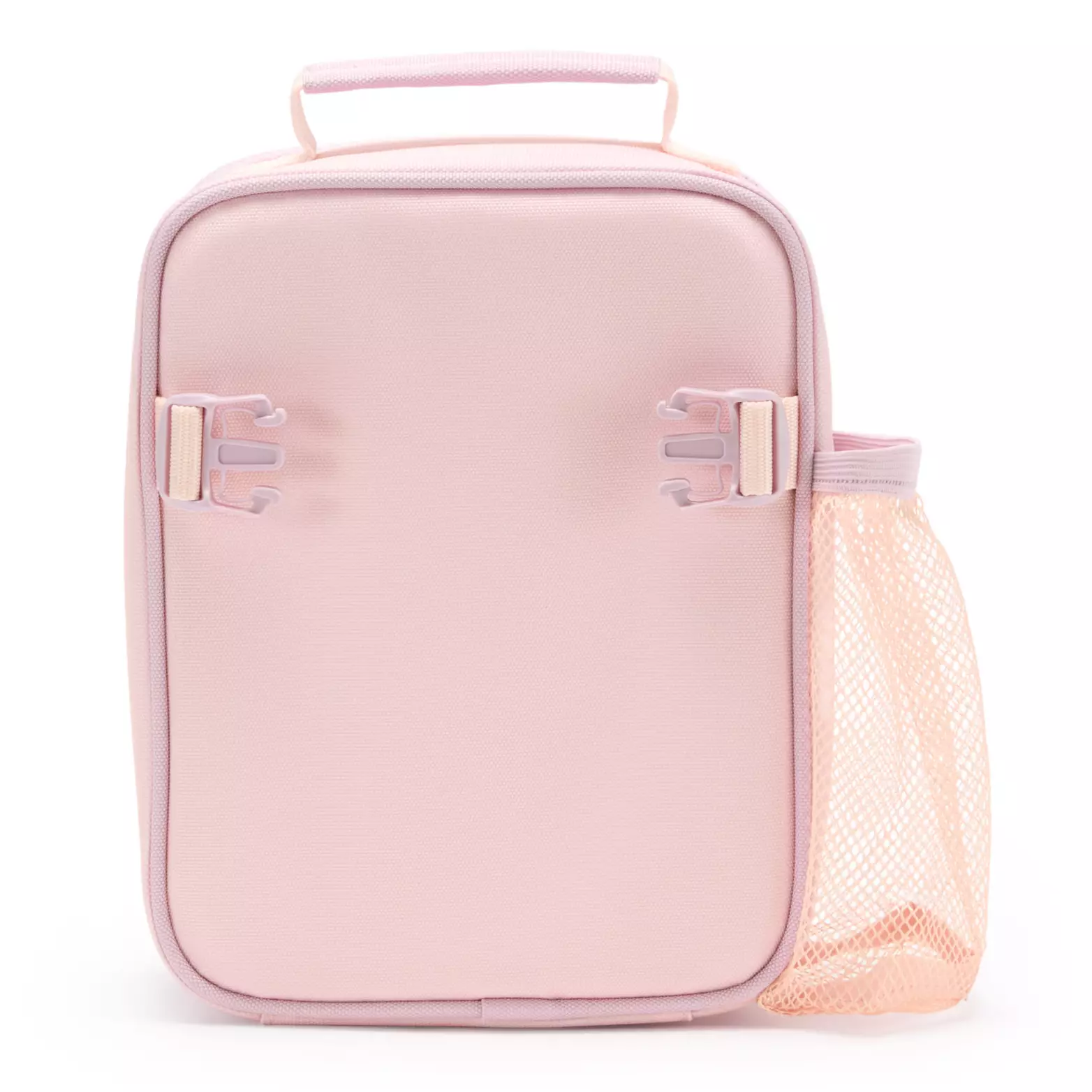
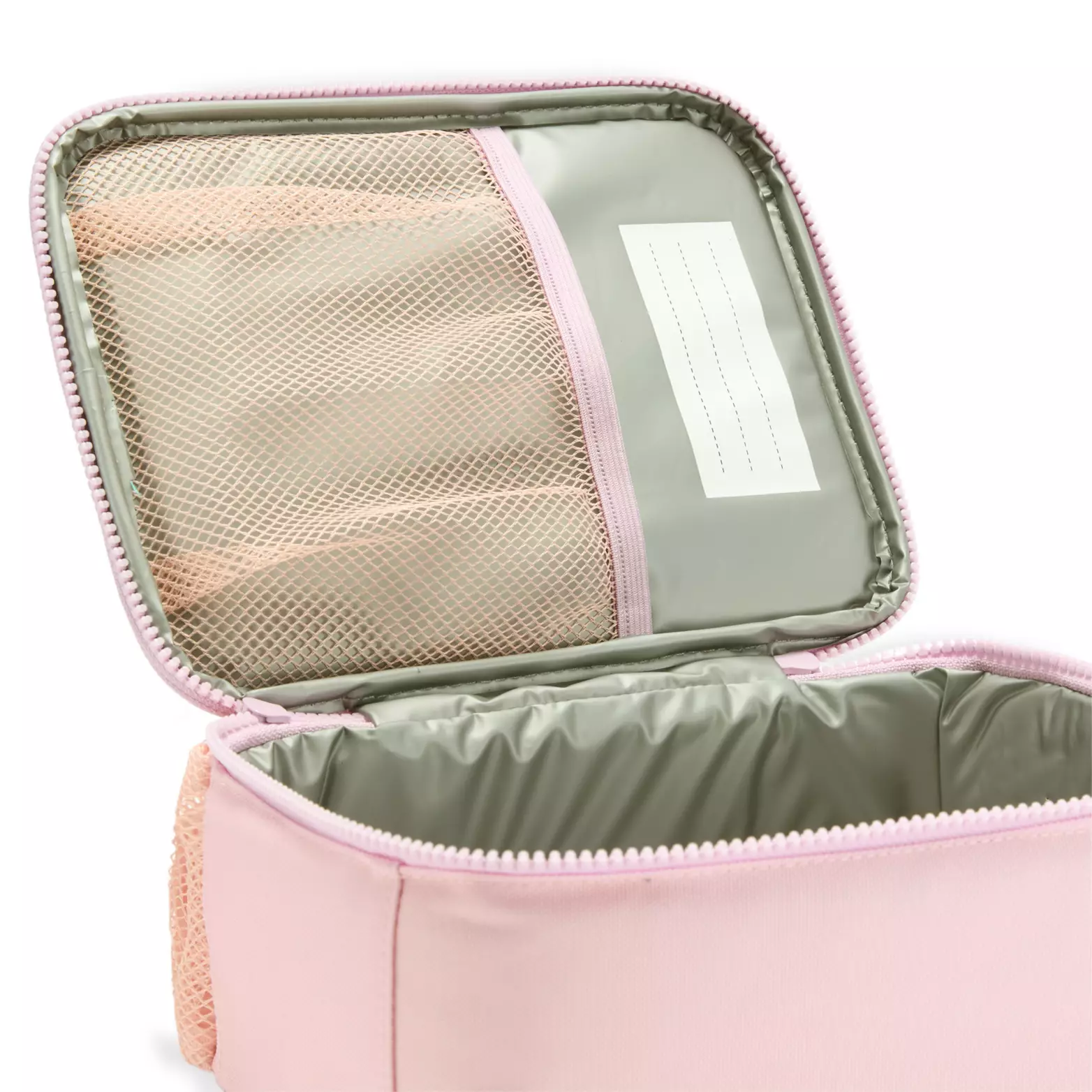
The lunch box has a water bottle pocket on the side and clips on the back to attach it to the backpack. The interior lid has a pouch for storage, too.
Disney Princess Zip-Up Stationery Kit – $24.99
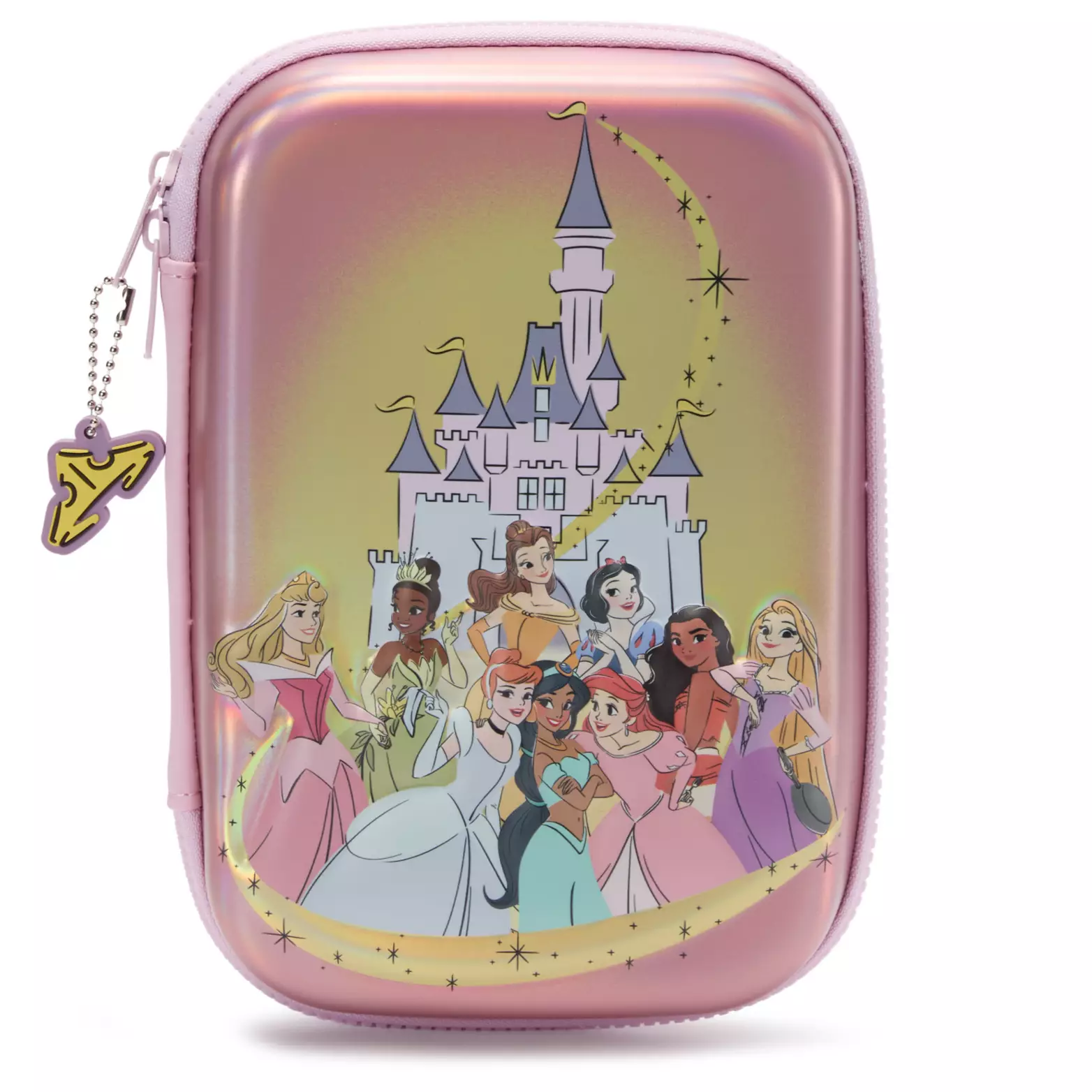
This stationery kit case has the same imagery as the front of the backpack. The zipper pull has a tiara on it, looking like the one worn by Aurora.
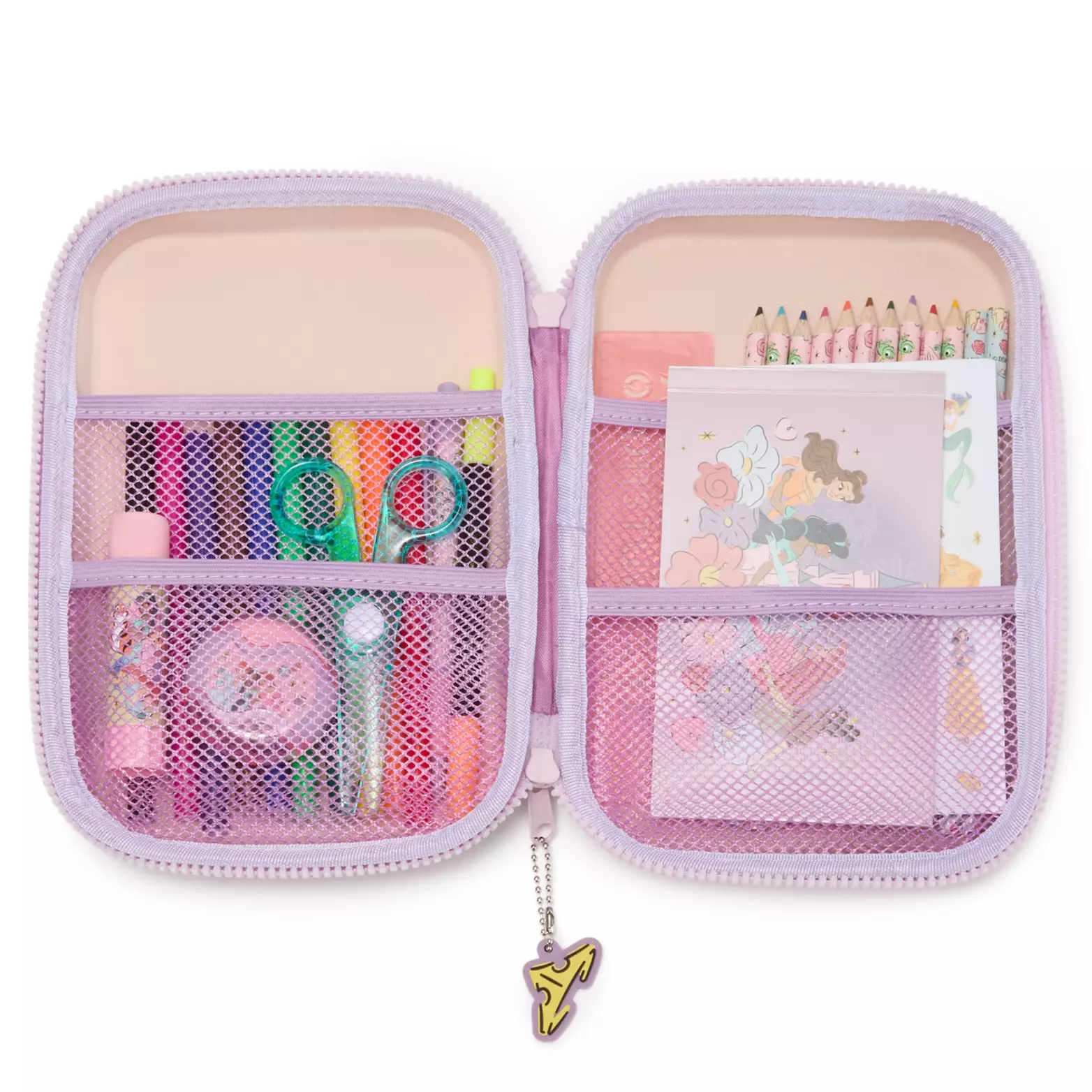
Inside, the kit has several storage pockets full of stationery supplies.
This kit includes:
- 10 color pencils
- 10 color markers
- Two HB pencils
- Two sticker sheets
- Ballpoint pen
- Double highlighter
- Eraser / Sharpener combo
- Stencil ruler
- Scissors
- Glue stick
- Notebook
Stitch
Stitch Backpack – Personalized – $36.99
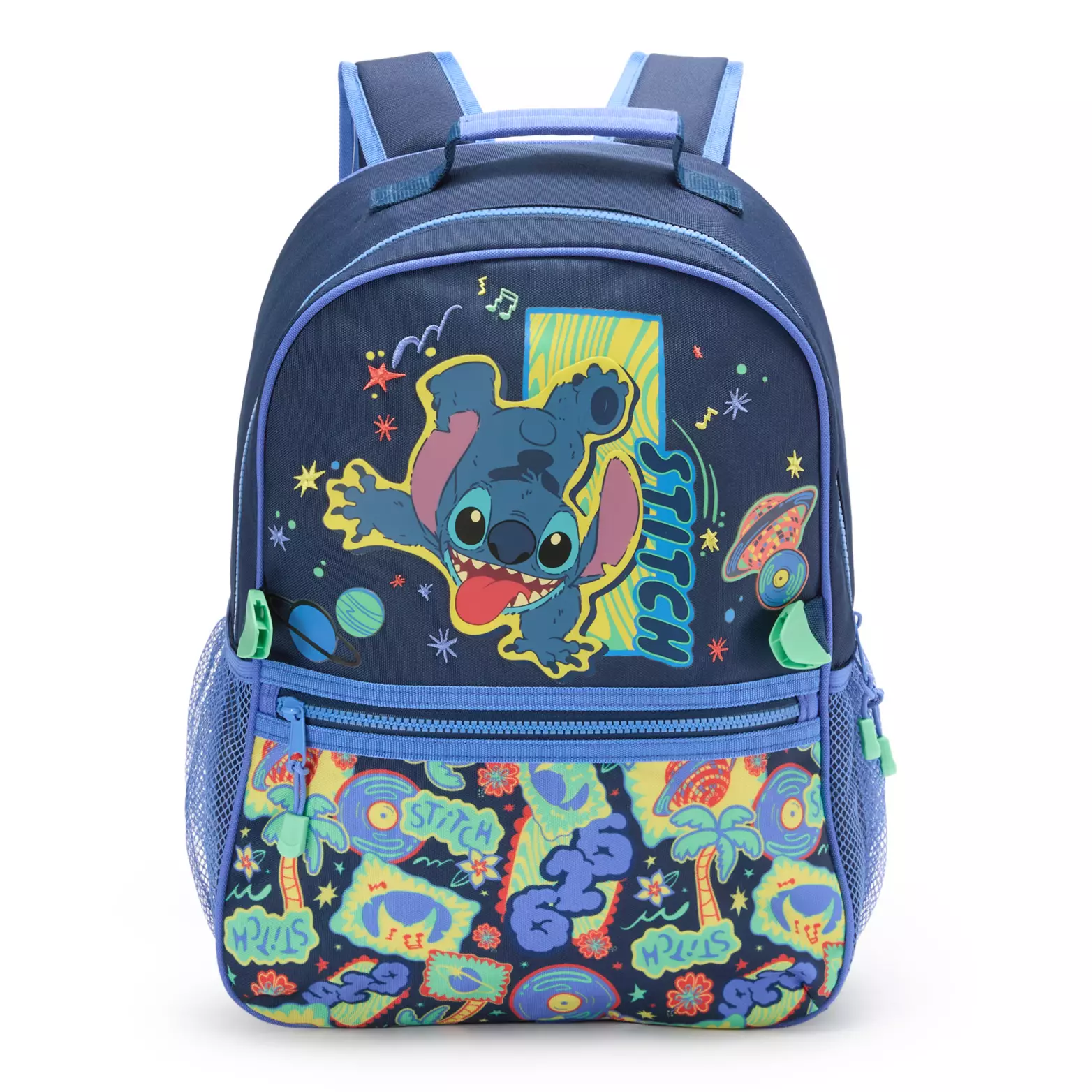
This Stitch backpack has mesh pockets and a blue color scheme throughout. Stitch is doing a handstand on the top section of the bag, surrounded by outer space iconography. His name is sideways beside him. The exterior zippered pocket has “626” imagery throughout, like palm trees and vinyl records.
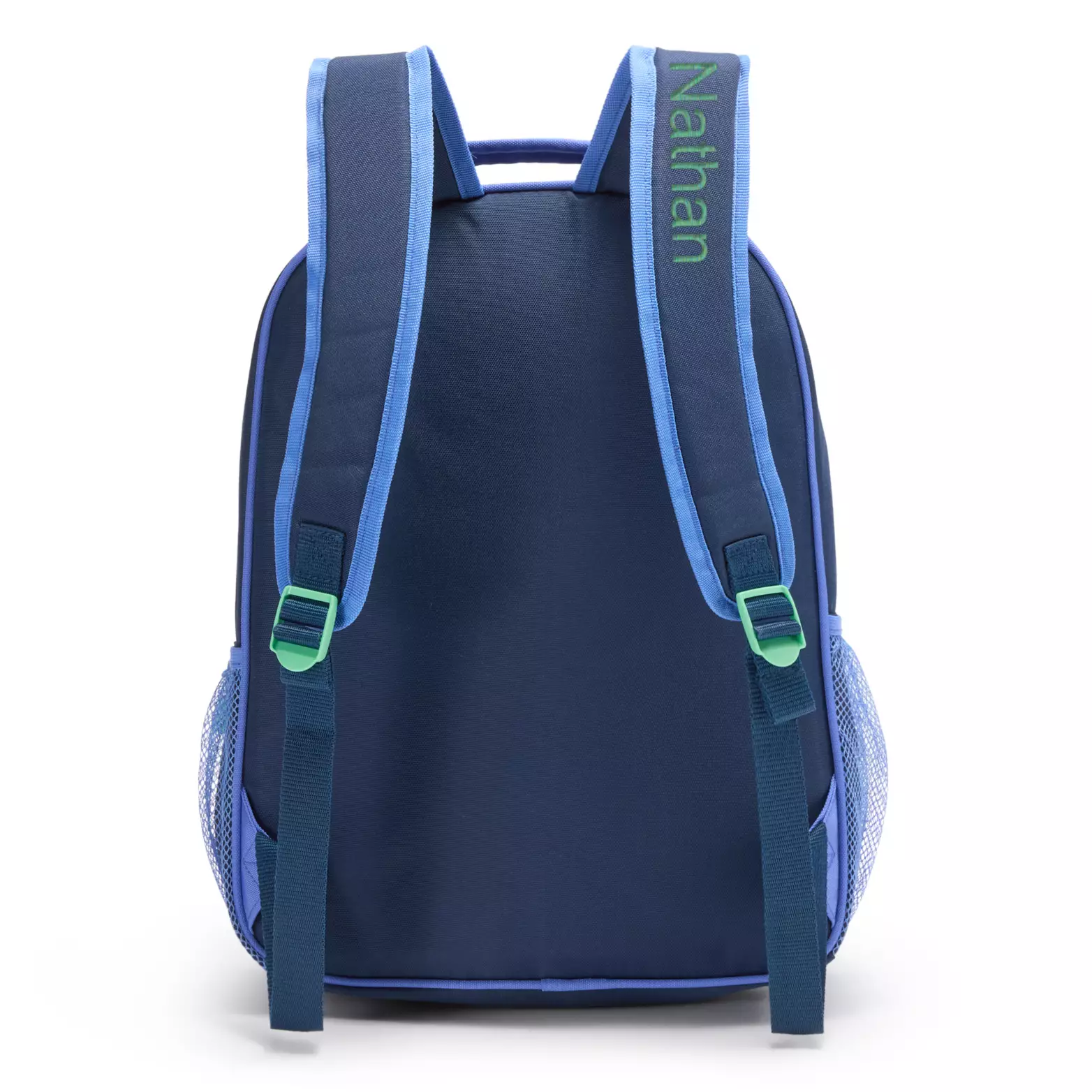
The left-hand backpack strap is personalizable.
Stitch Lunch Box – $26.99
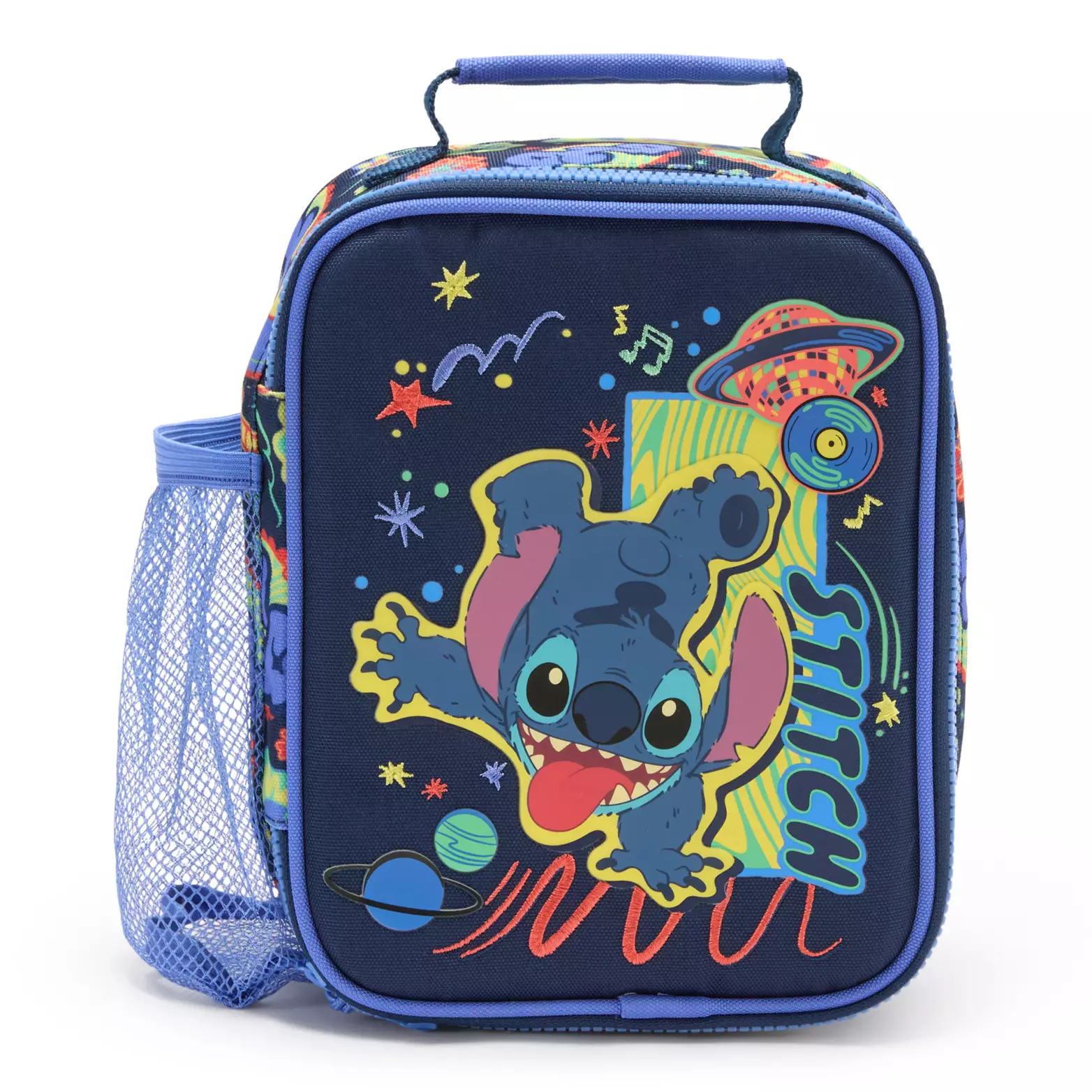
Stitch’s lunch box has the same imagery as the backpack above. The front of the lunch box has the image of Stitch doing a handstand. There is a mesh pocket on the right side.
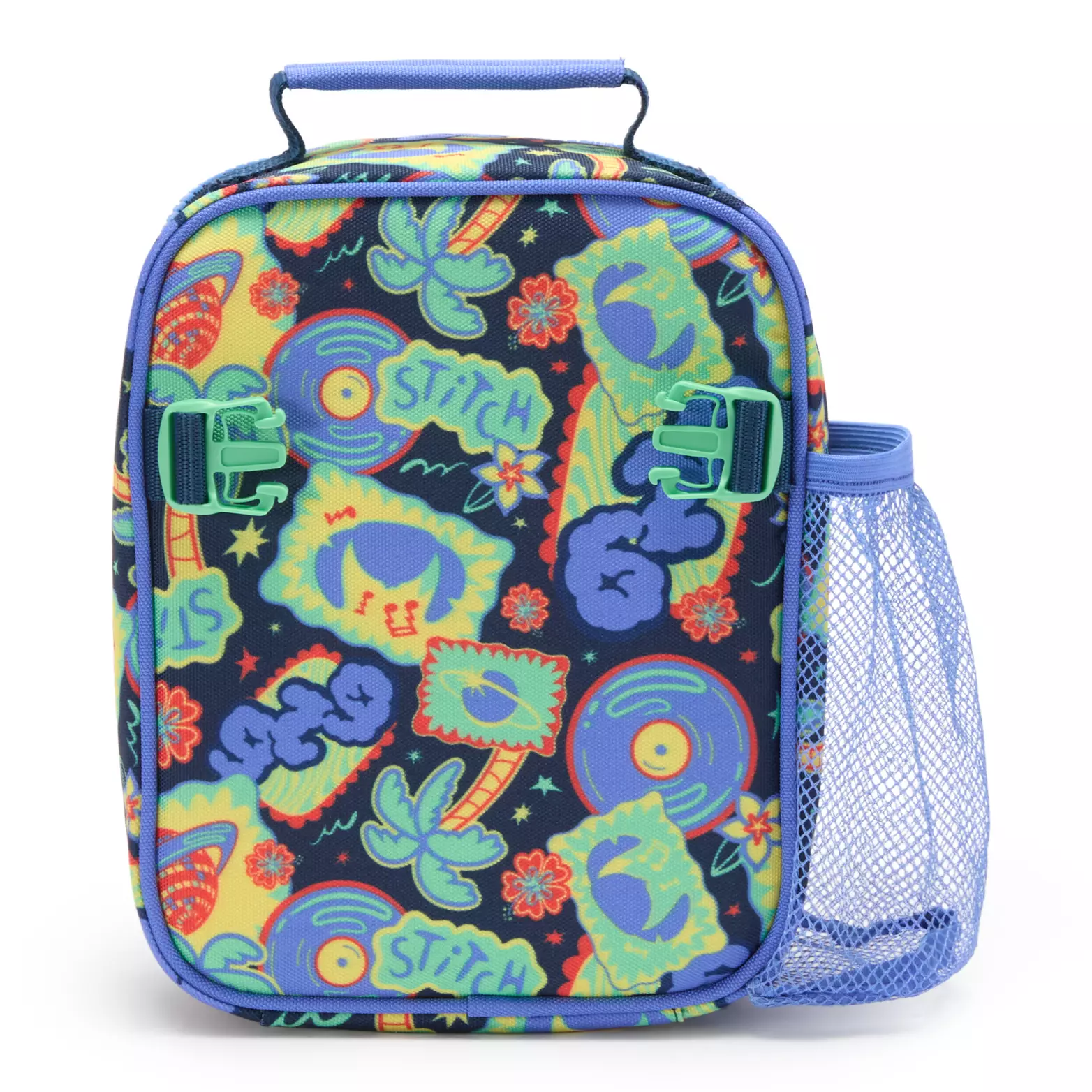
The back of the lunch box has the same pattern as the bottom section of the backpack. This lunch box also has the clips to attach it to the backpack.
Spidey and His Amazing Friends
Spidey and His Amazing Friends Backpack – Small – Personalized – $32.99
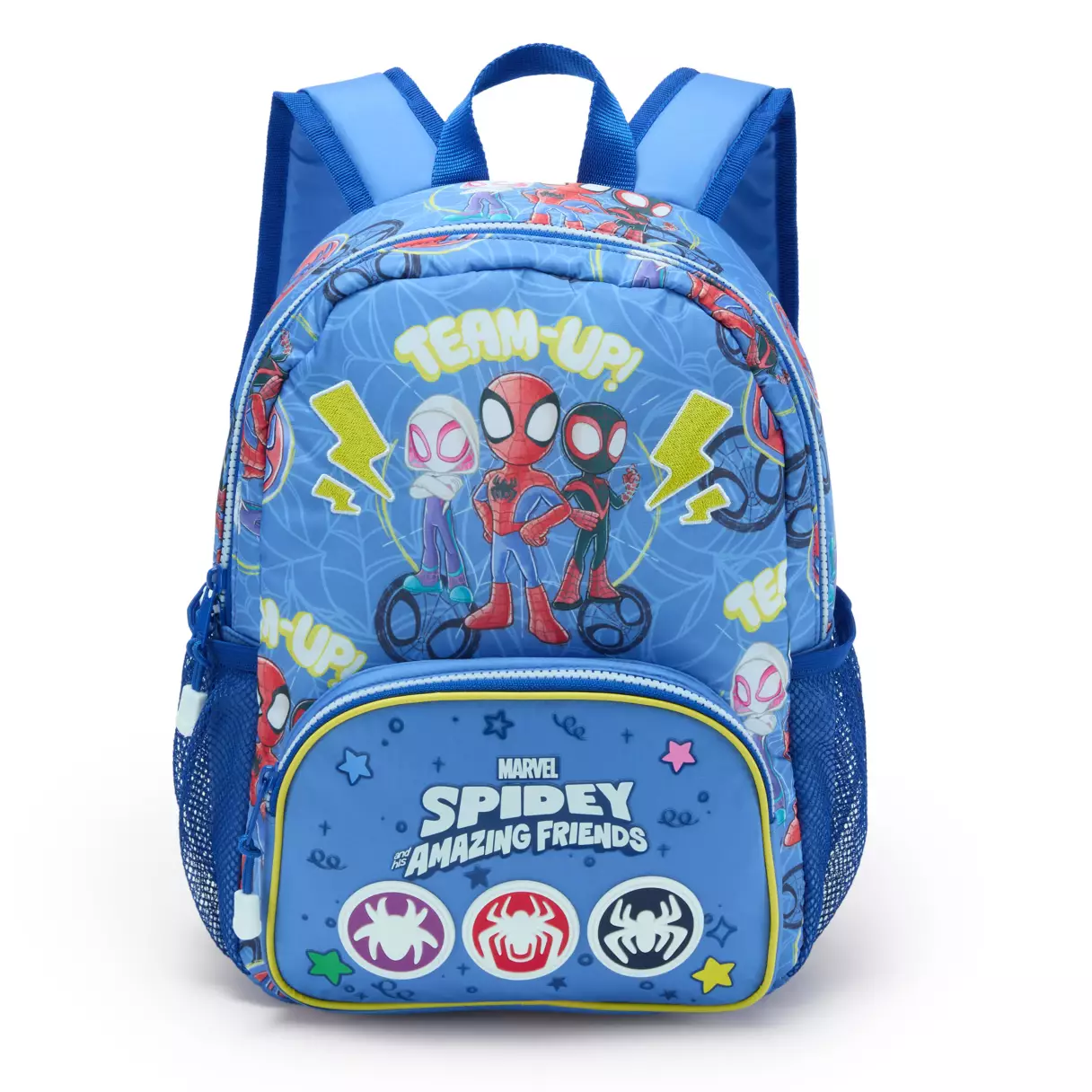
This smaller backpack is all about Spidey and His Amazing Friends. The front says “Team-Up!” in bright yellow and white with images of Spidey, Spin, and Ghost-Spider below it. The exterior pocket has each of their spider symbols, and each side of the bag has a dark blue mesh pocket.
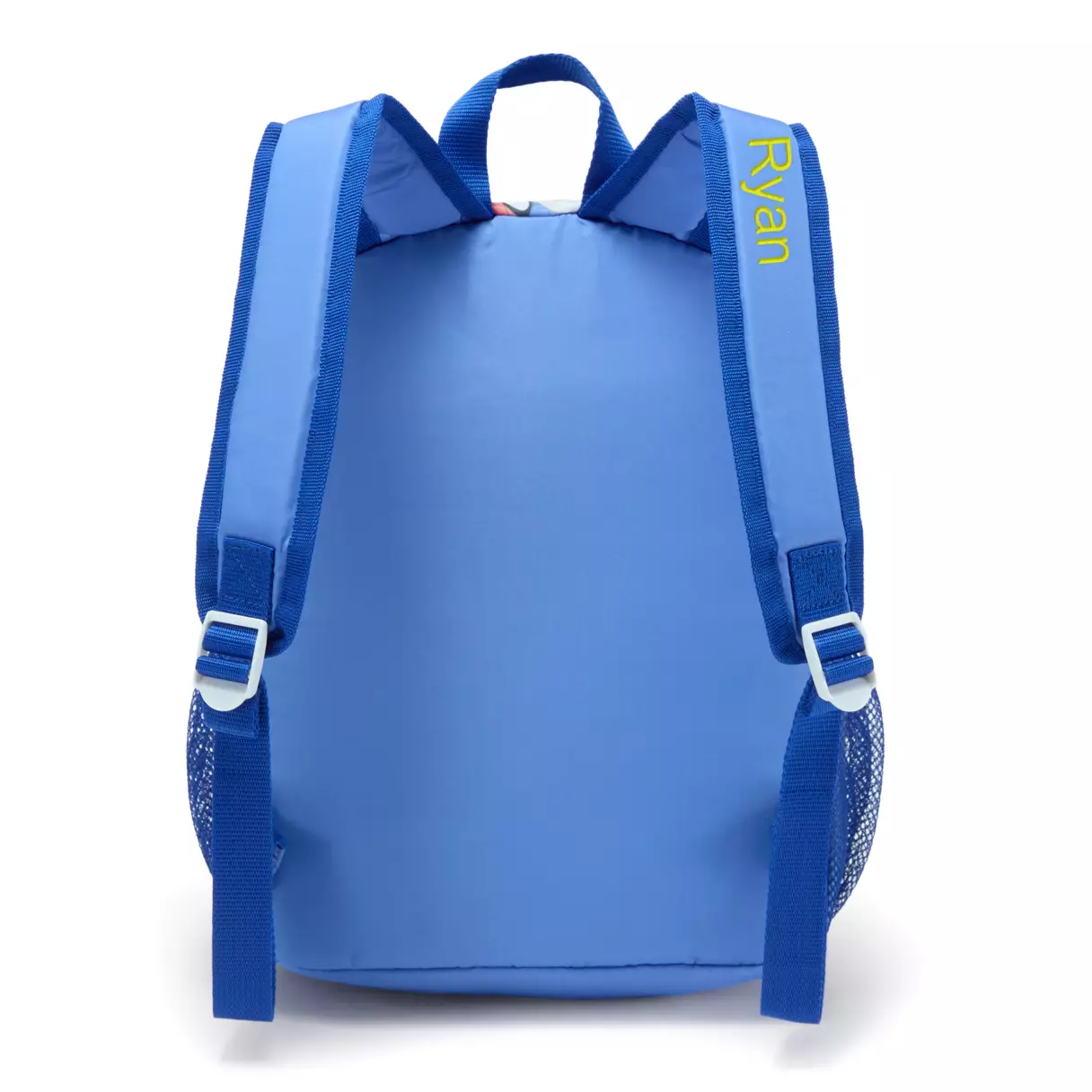
On the back, the backpack’s left strap is customizable.
Spider-Man
Spider-Man Backpack – Personalized – $36.99
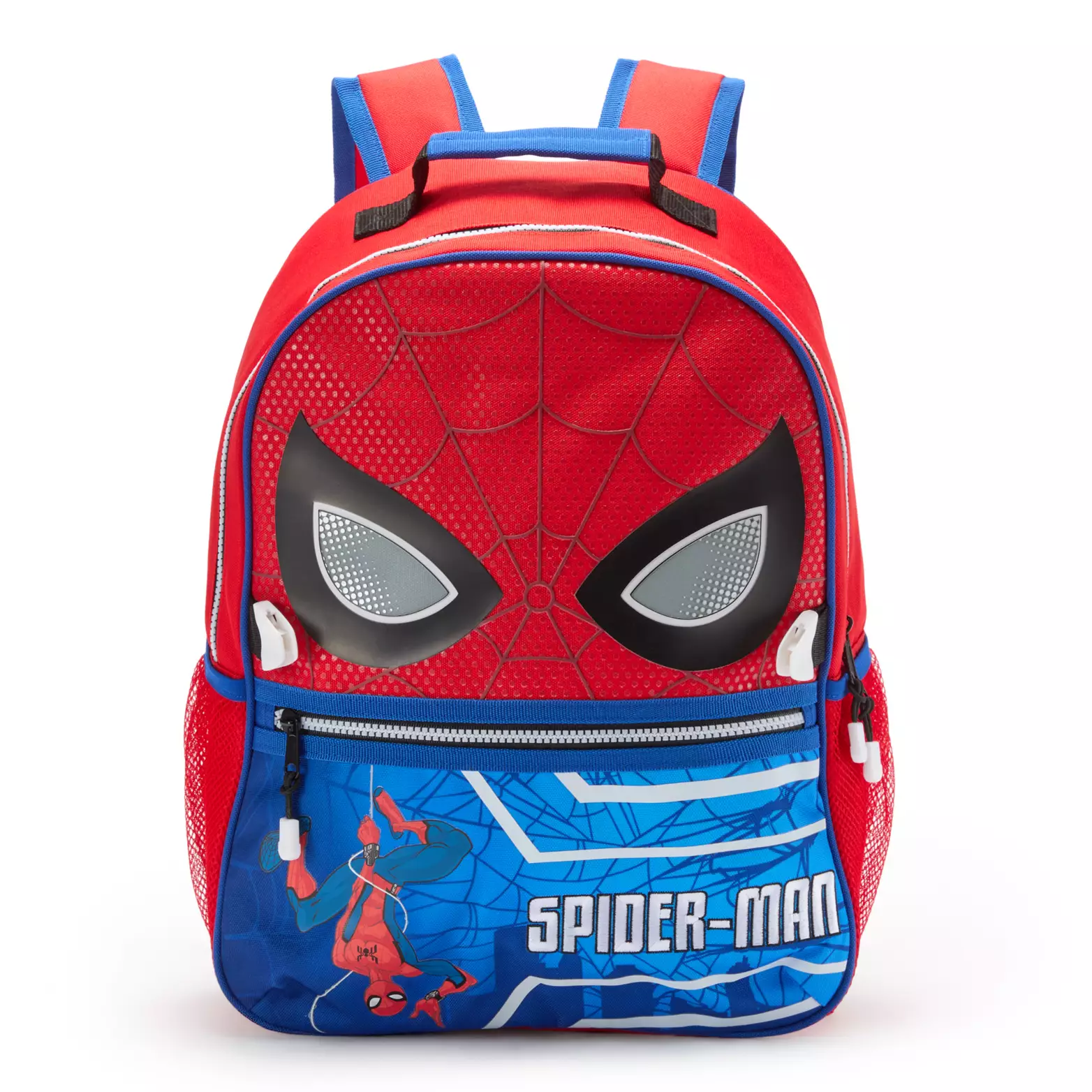
Like the other backpacks so far, this one also has two mesh pockets. The top portion of the backpack shows the top of Spider-Man’s mask. The exterior zipper pocket section shows Spidey hanging upside down and the word “Spider-Man” beside him.
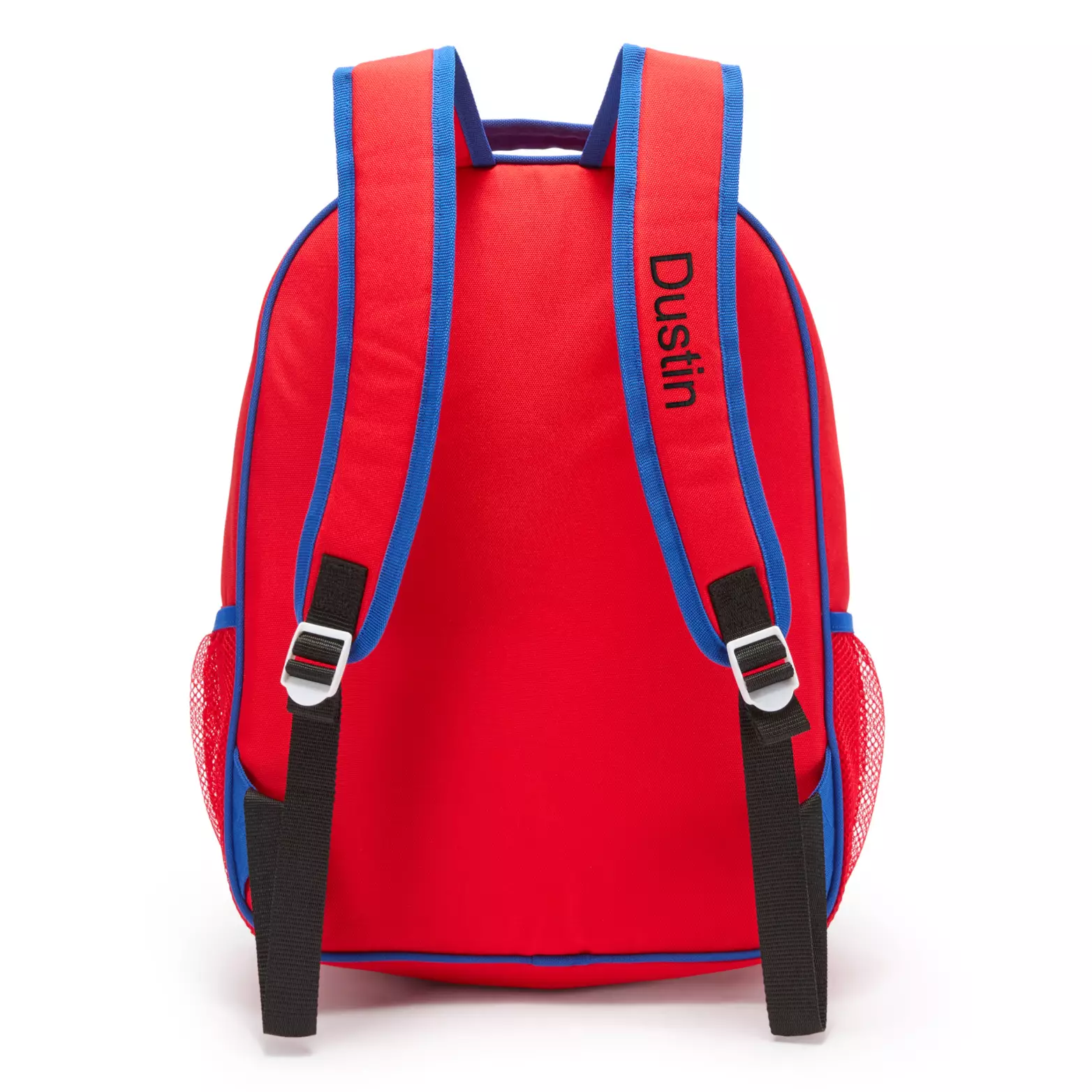
On the back, the backpack’s left strap is customizable.
Spider-Man Lunch Box – $26.99
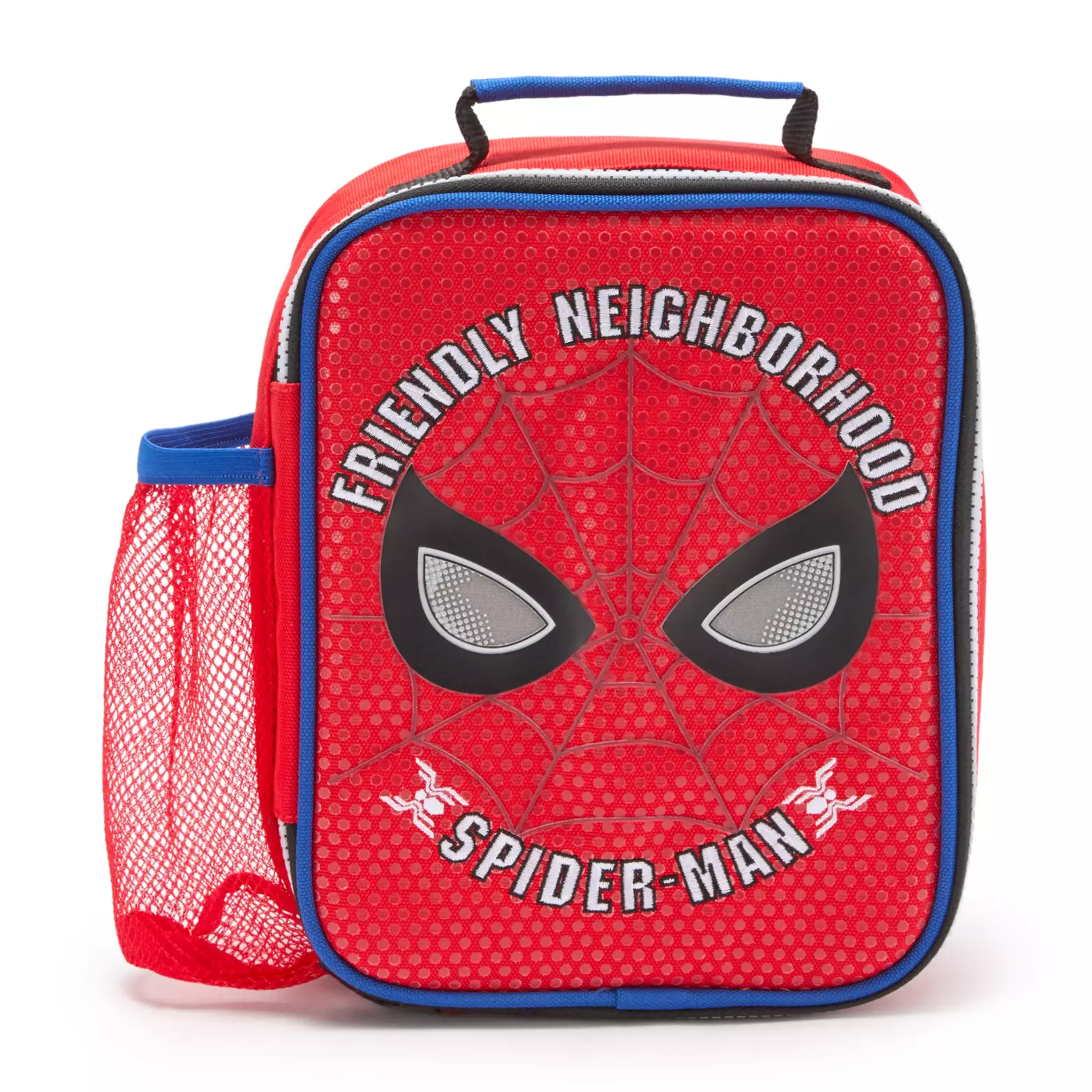
Spidey’s whole mask is represented on the front of this lunch box. It is sandwiched between the words “Friendly Neighborhood” and “Spider-Man,” which is flanked by a spider on each side. This lunch box also has a mesh pocket on the right side.
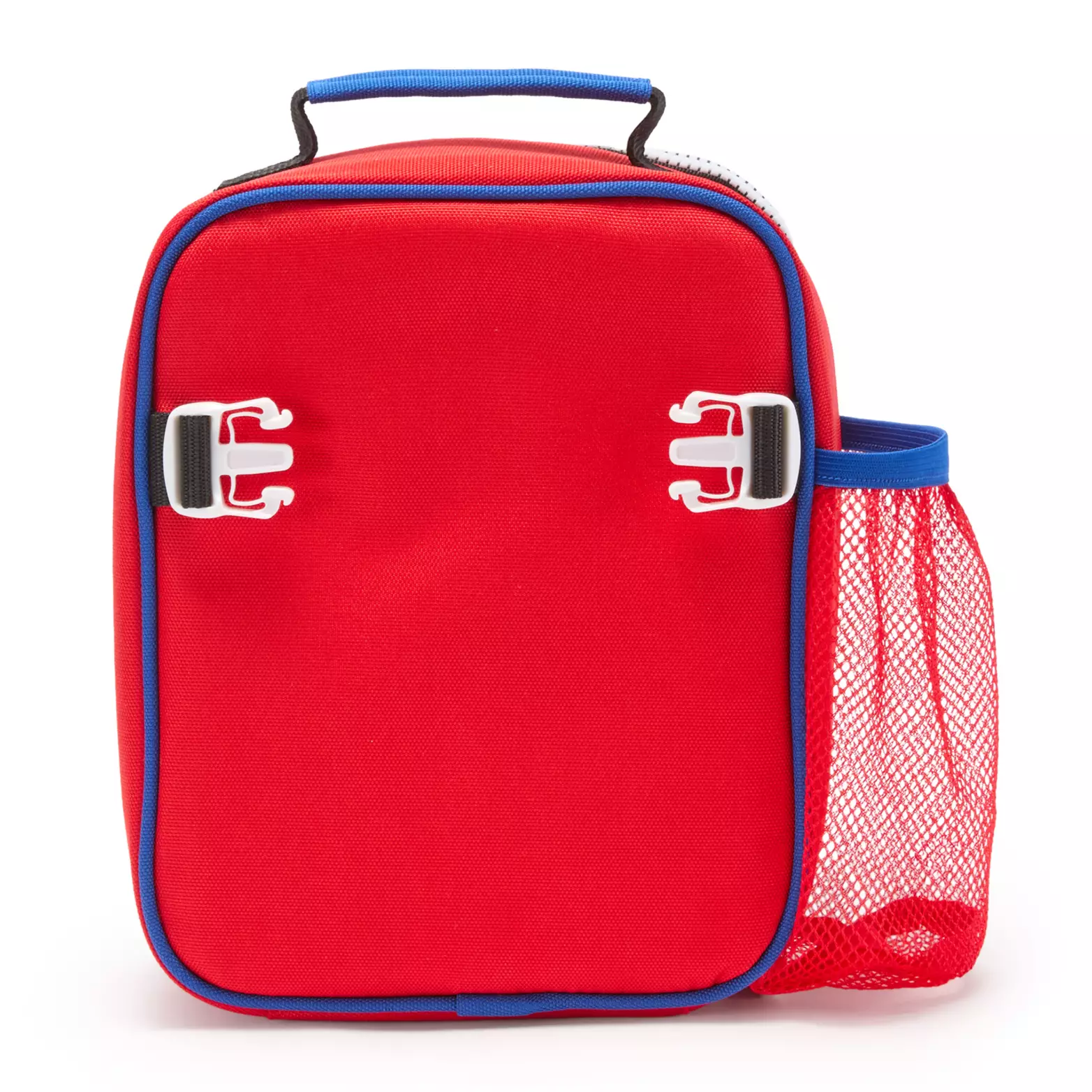
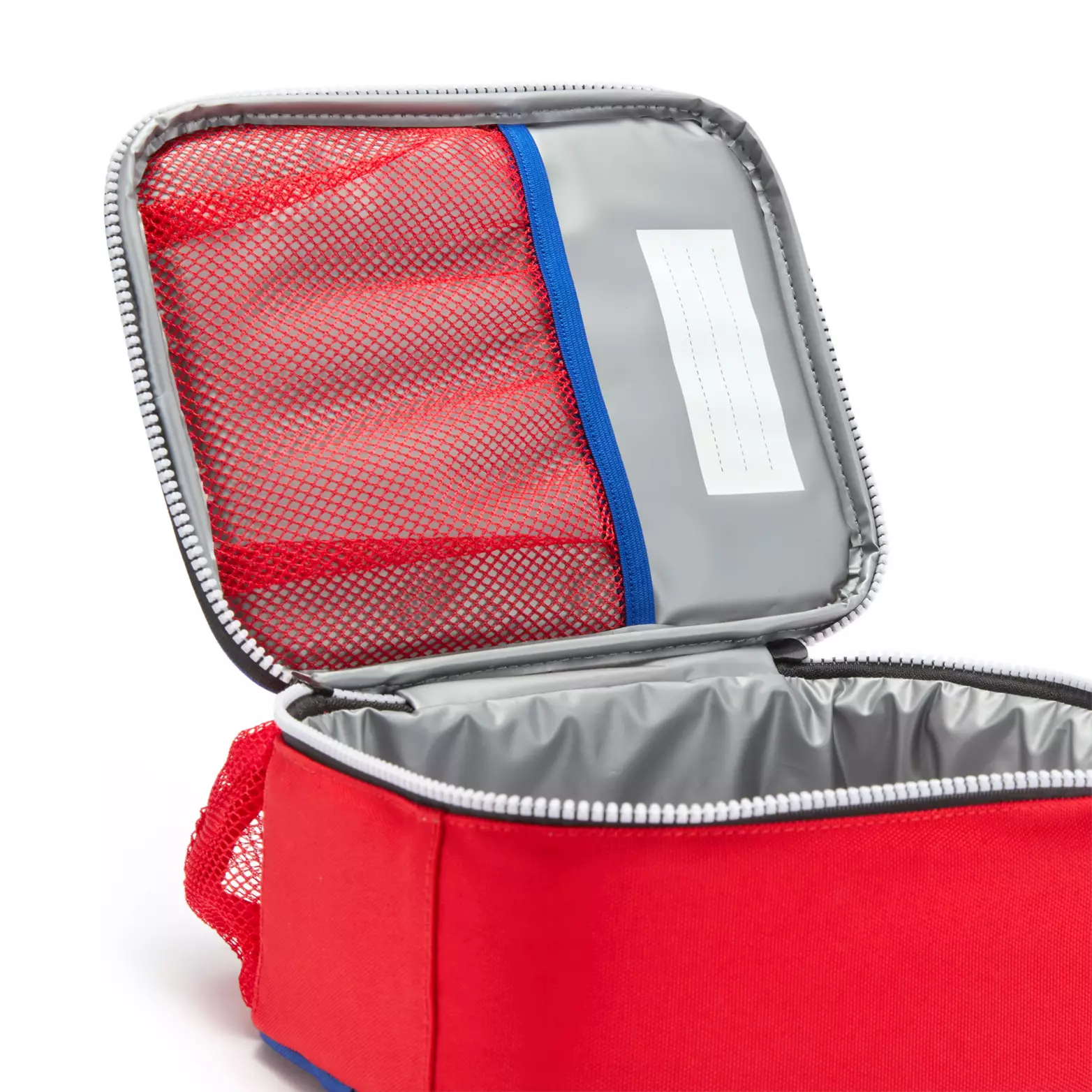
The lunch box has a mesh pocket in the lid and clips to attach it to the backpack.
Spider-Man Zip-Up Stationery Kit – $24.99
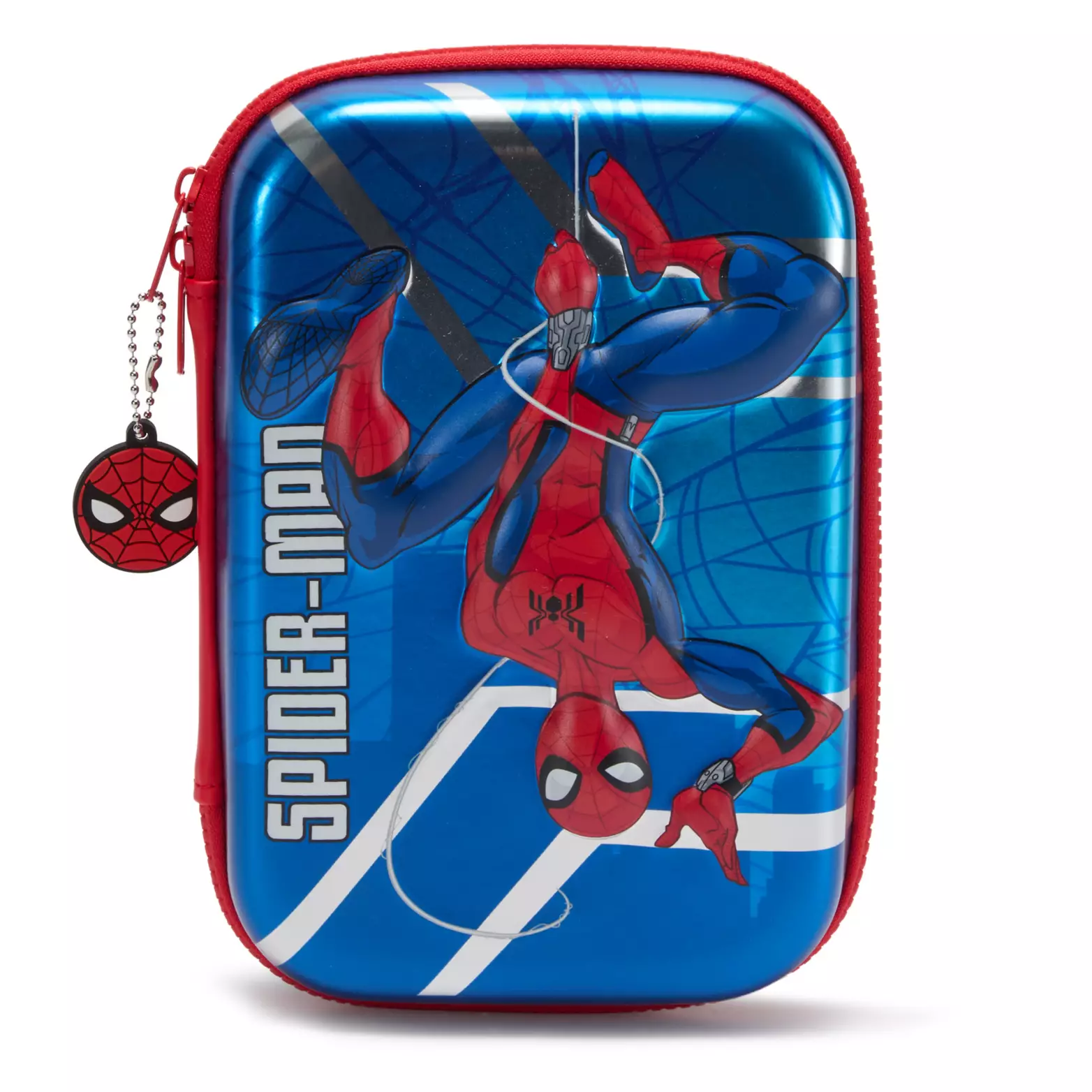
Like the water bottle, the front of this stationery kit also shows Spider-Man upside down. His name is beside him. The zipper pull is his mask.
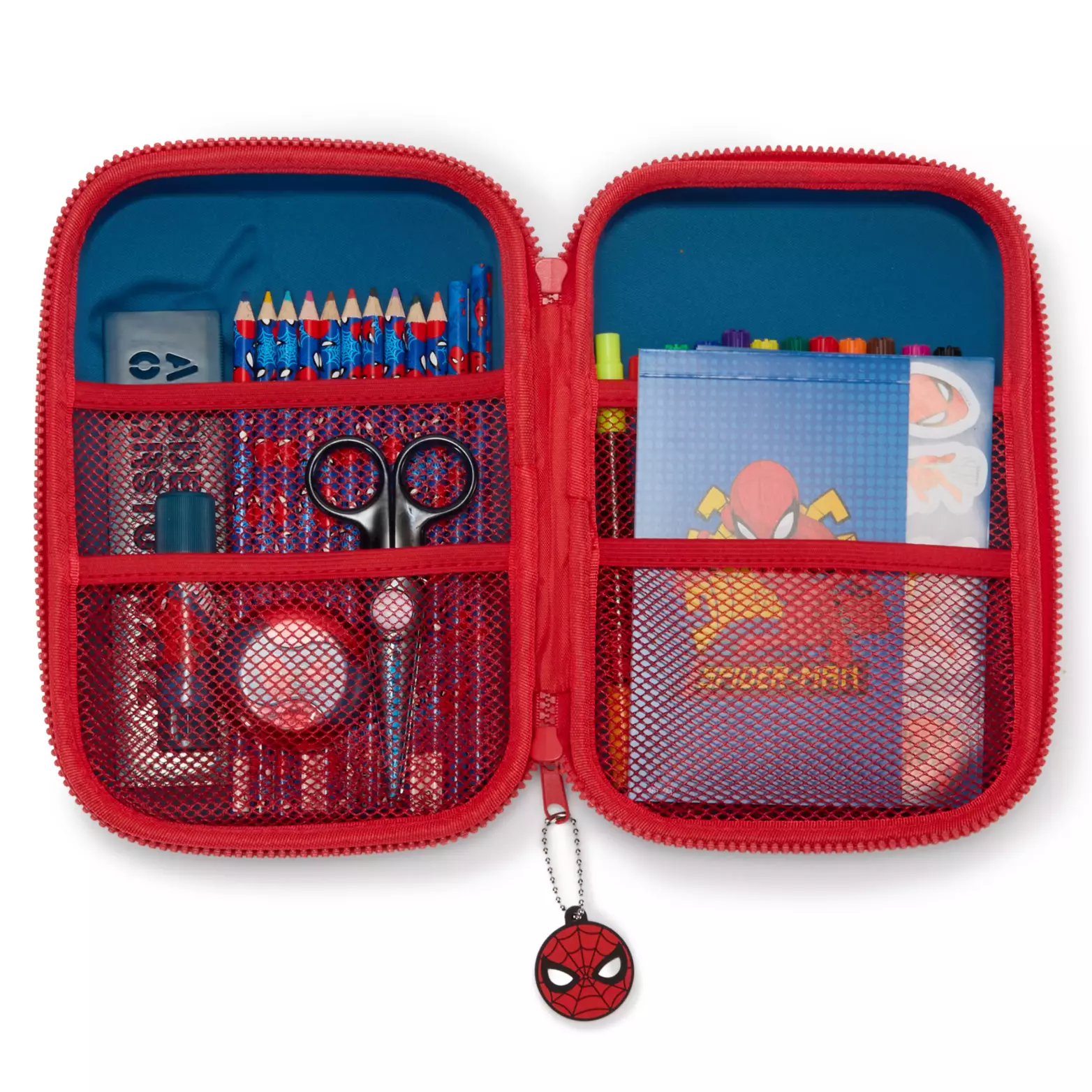
This kid also has organizing pockets and several supplies inside.
Kit includes:
- 10 color pencils
- 10 color markers
- Two HB pencils
- Two sticker sheets
- Ballpoint pen
- Double highlighter
- Eraser / Sharpener combo
- Stencil ruler
- Scissors
- Glue stick
- Notebook
The Little Mermaid
The Little Mermaid Backpack – Personalized – $36.99
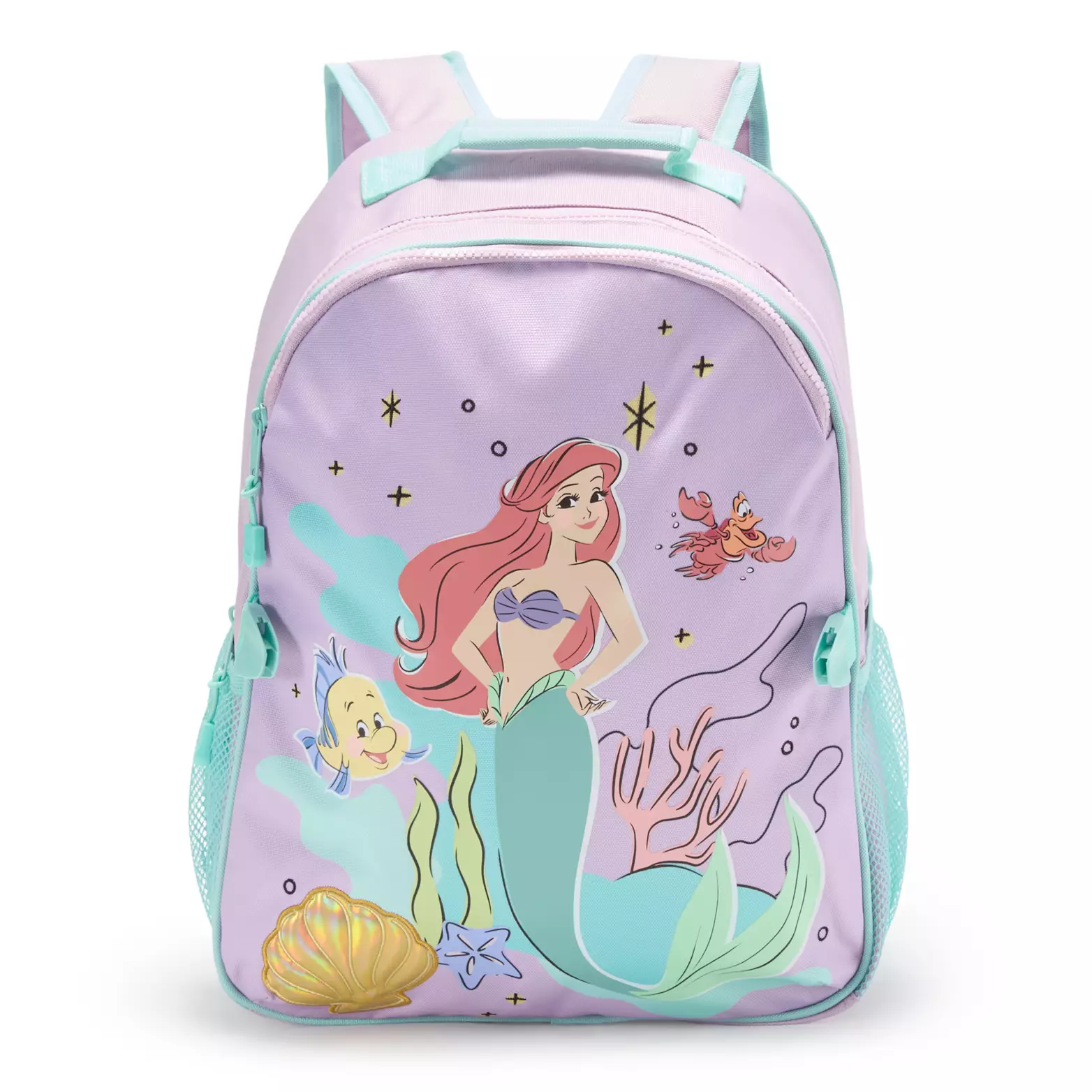
In light purple with teal mesh pockets, this backpack is themed after The Little Mermaid. Full color images of Flounder, Ariel, and Sebastian appear on the front with minimalist oceanic images behind them. On the bottom right-hand corner is a shiny, gold clamshell.
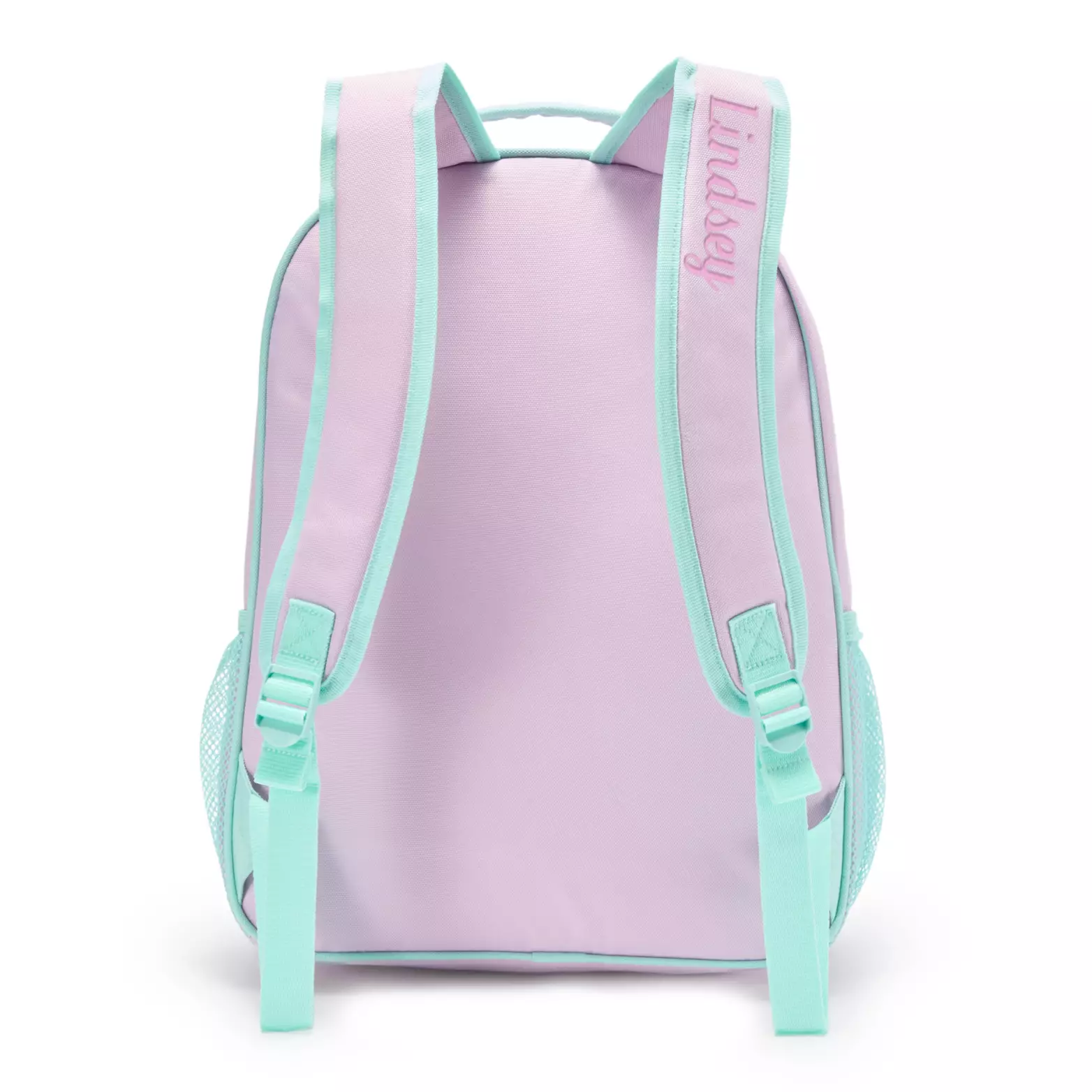
The left backpack strap is personalizable.
Lightning McQueen
Lightning McQueen Backpack – Personalized – $36.99
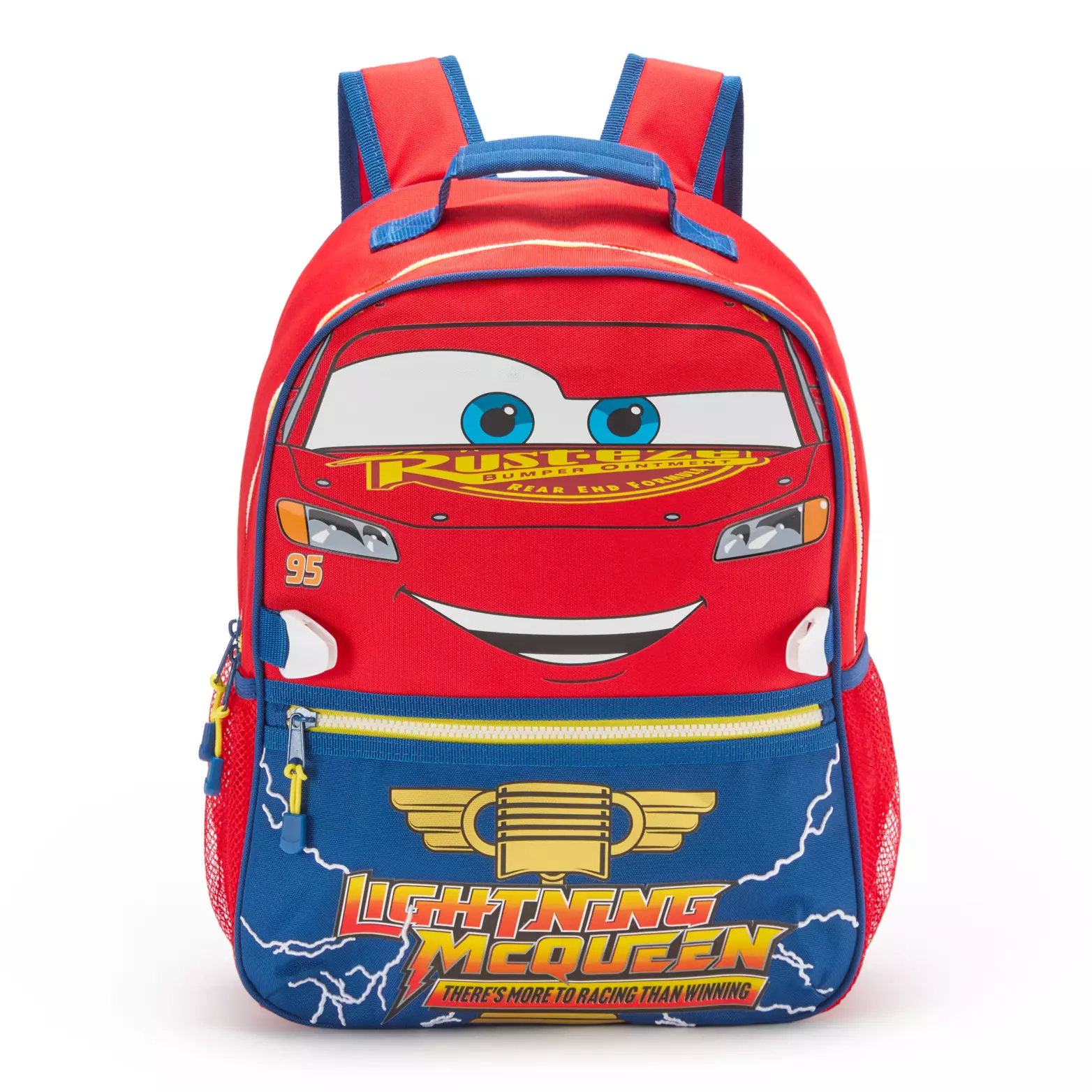
Kachow! Lightning McQueen’s face comprises the top half of the front of this backpack. Most of the bag is bright red, like Lightning, while the bottom half of the bag (with an exterior zippered pocket) is blue with white lightning streaks throughout. A Piston Cup is in the center with the words “Lightning McQueen” and “There’s more to racing than winning.”
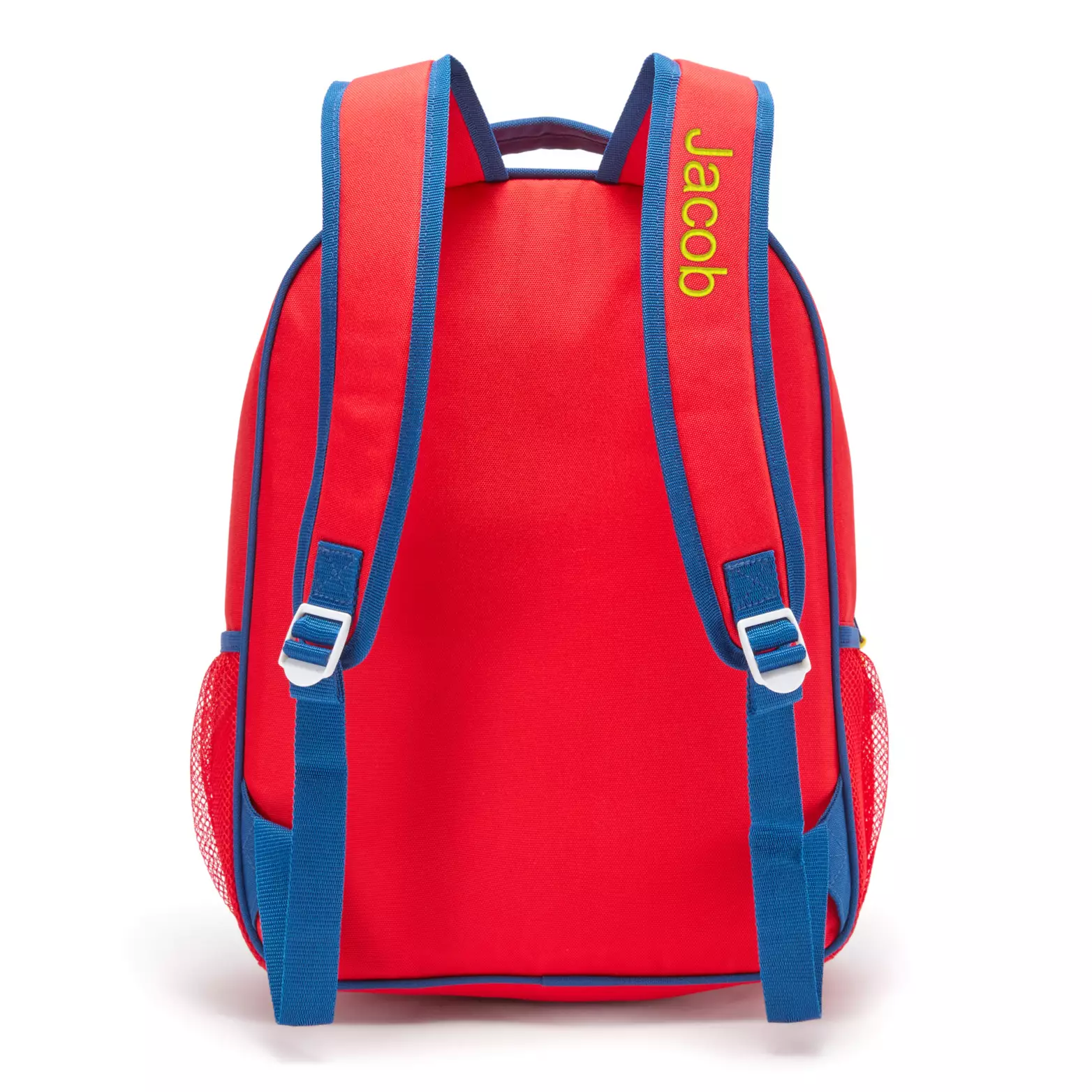
The left backpack strap is customizable.
Lightning McQueen Lunch Box – $26.99
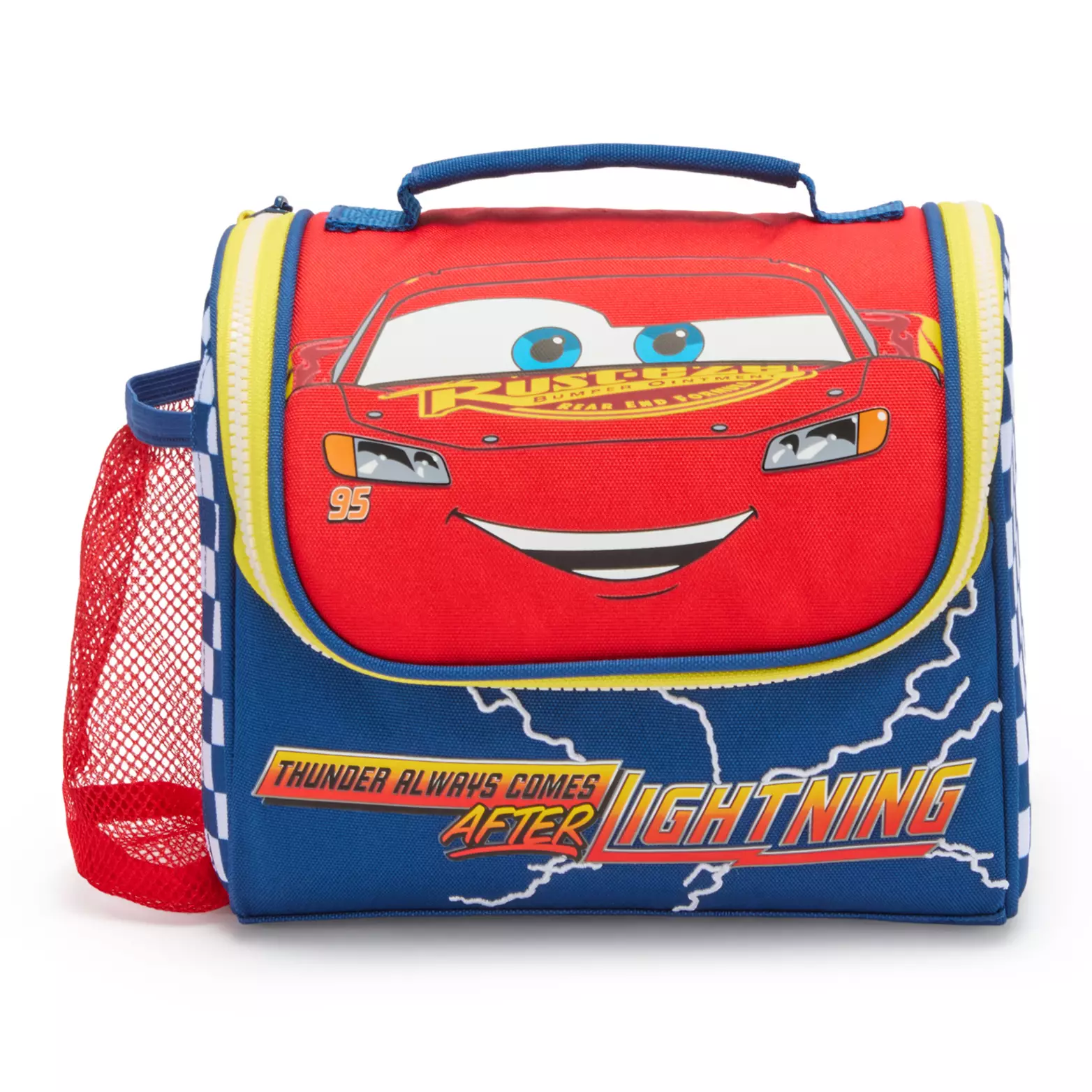
Unlike the other lunch boxes shown so far, this one has a rounded top that does not have a mesh pocket in the lid, but does have a mesh side pocket. The aesthetic of the lunch box is the same as the backpack, with Lightning’s face at the top and the blue with lightning streaks below. But this one reads “Thunder always comes after Lightning.”
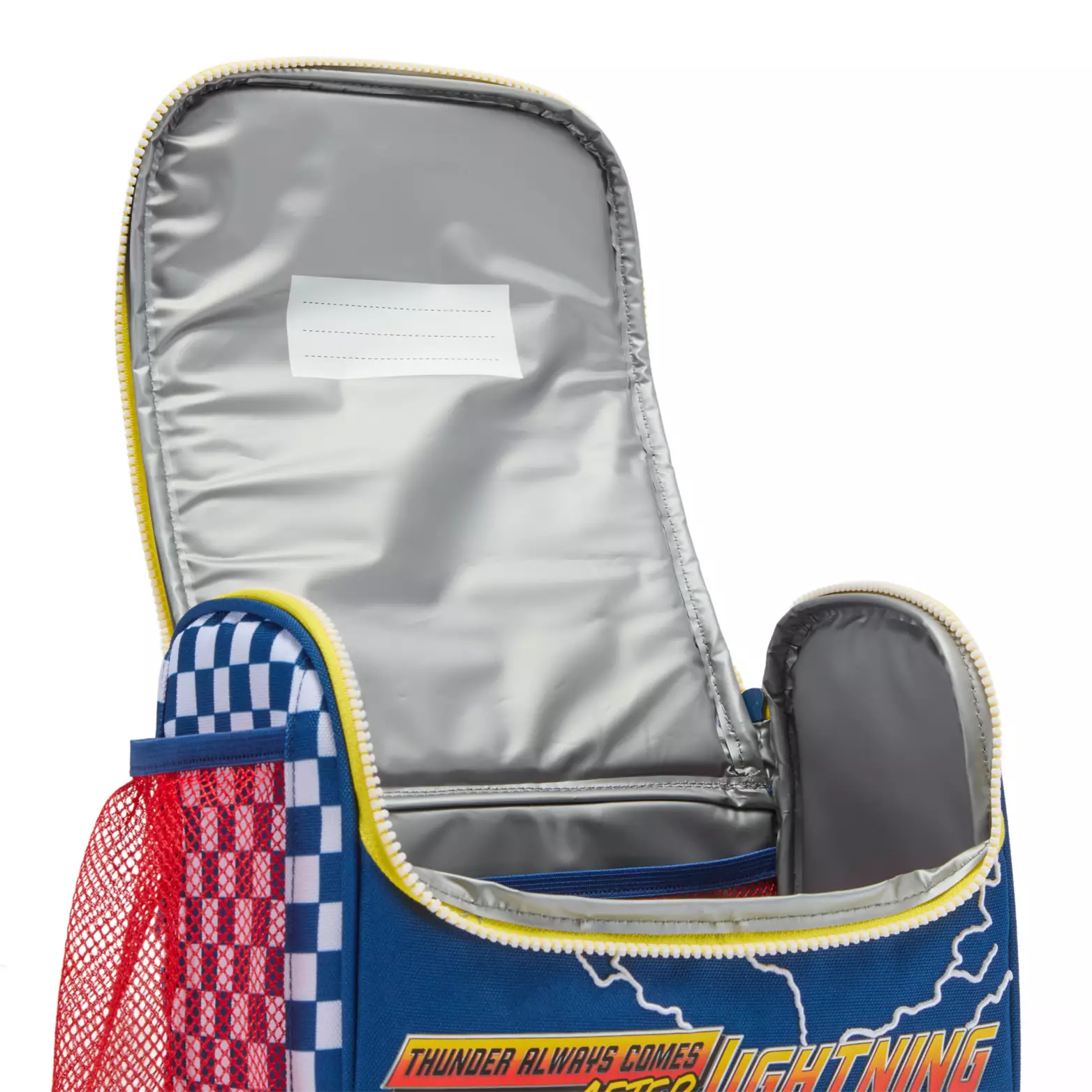
As you can see, there is a mesh organizer inside the bag, rather than on the lid.
Lightning McQueen Stationery Set – $24.99
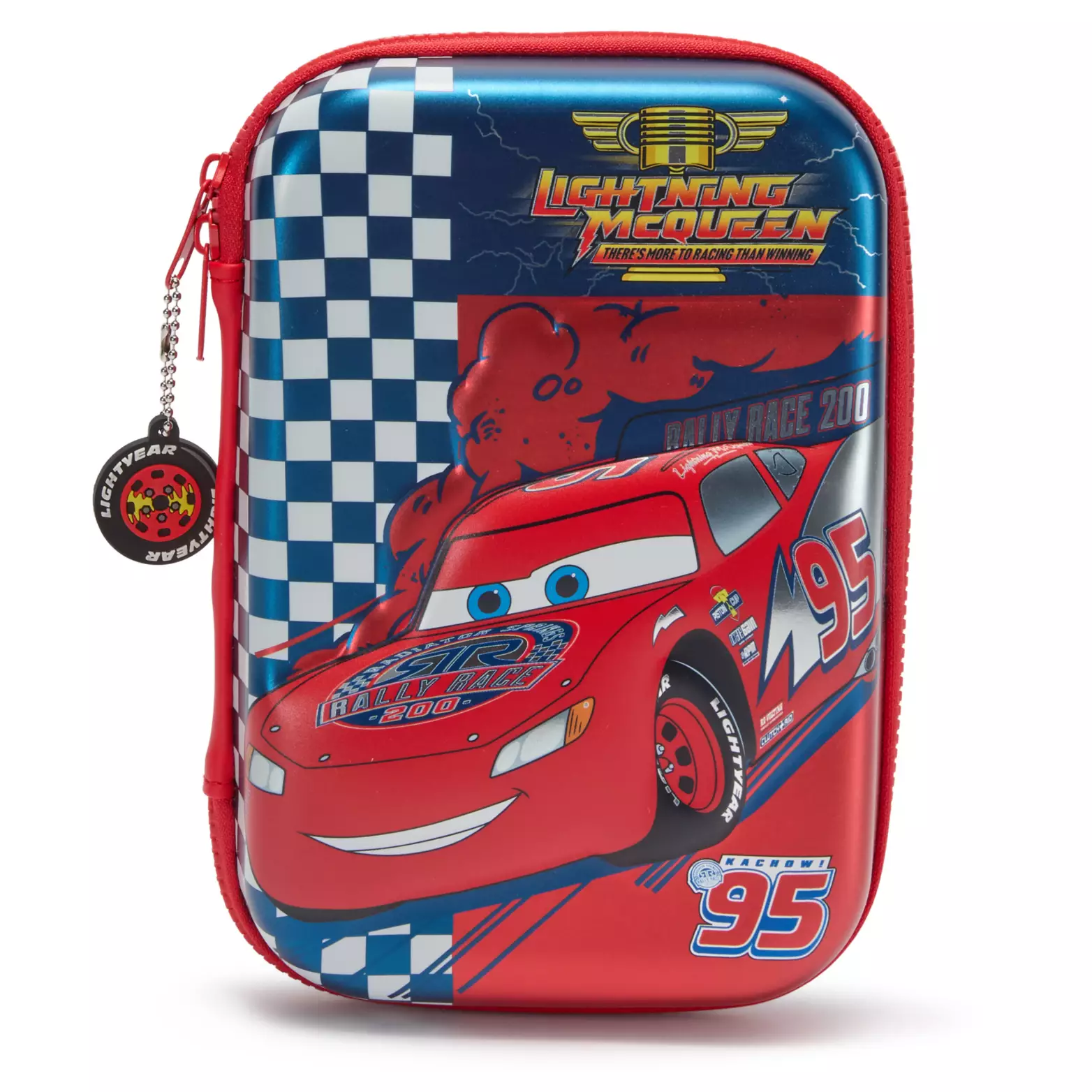
The same Lightning imagery on the water bottle is on this stationery set. Though the top reads “Lightning McQueen” and “There’s more to racing than winning.” A Lightyear tire is the zipper pull. The bottom right-hand corner has Lightning’s “95” and “Kachow!”
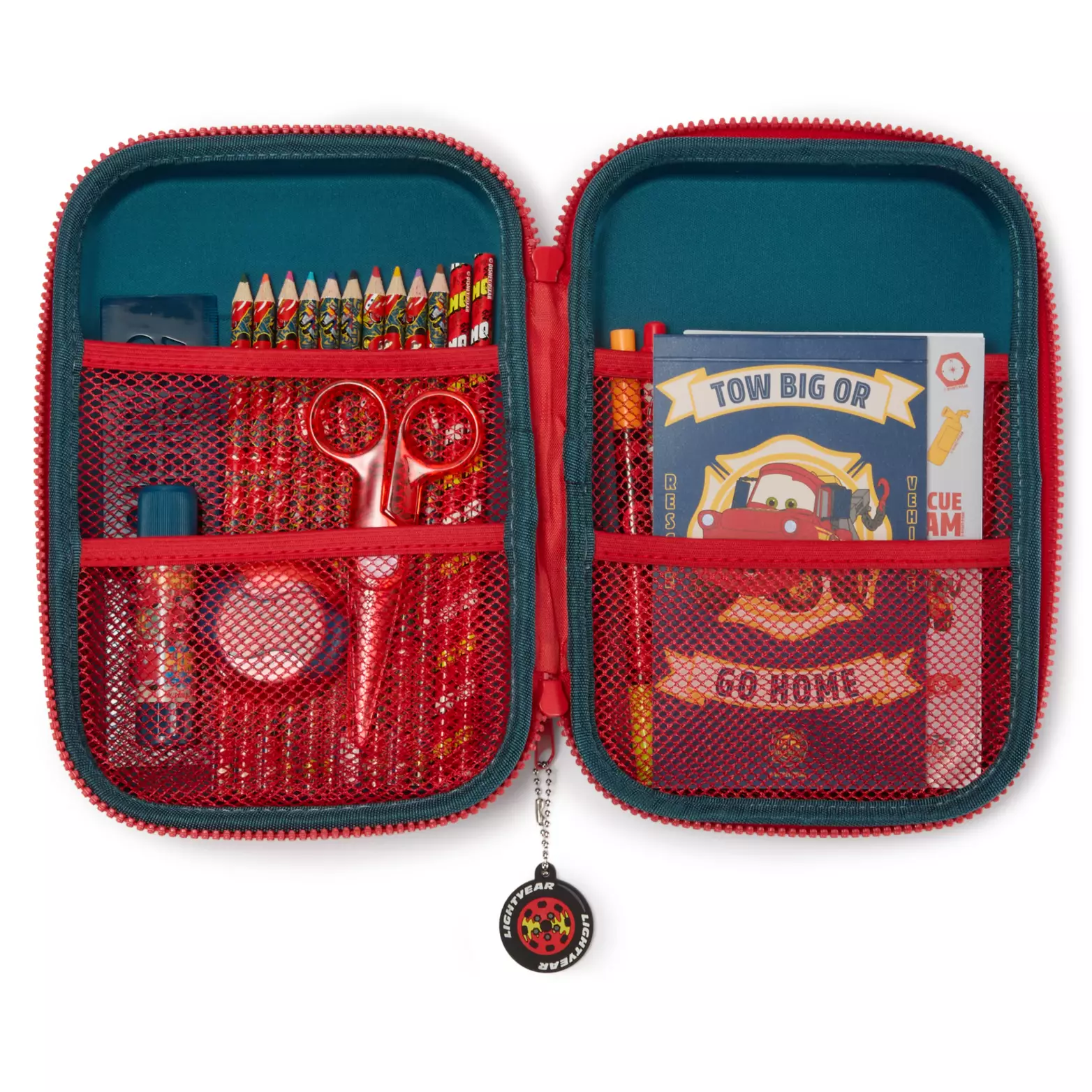
Inside, the pouch has organizational pockets with themed stationery materials.
This kit includes:
- 10 color pencils
- 10 color markers
- Two HB pencils
- Two sticker sheets
- Ballpoint pen
- Double highlighter
- Eraser / Sharpener combo
- Stencil ruler
- Scissors
- Glue stick
- Notebook
Mickey Mouse Clubhouse
Mickey Mouse Clubhouse Backpack – Small – Personalized – $32.99
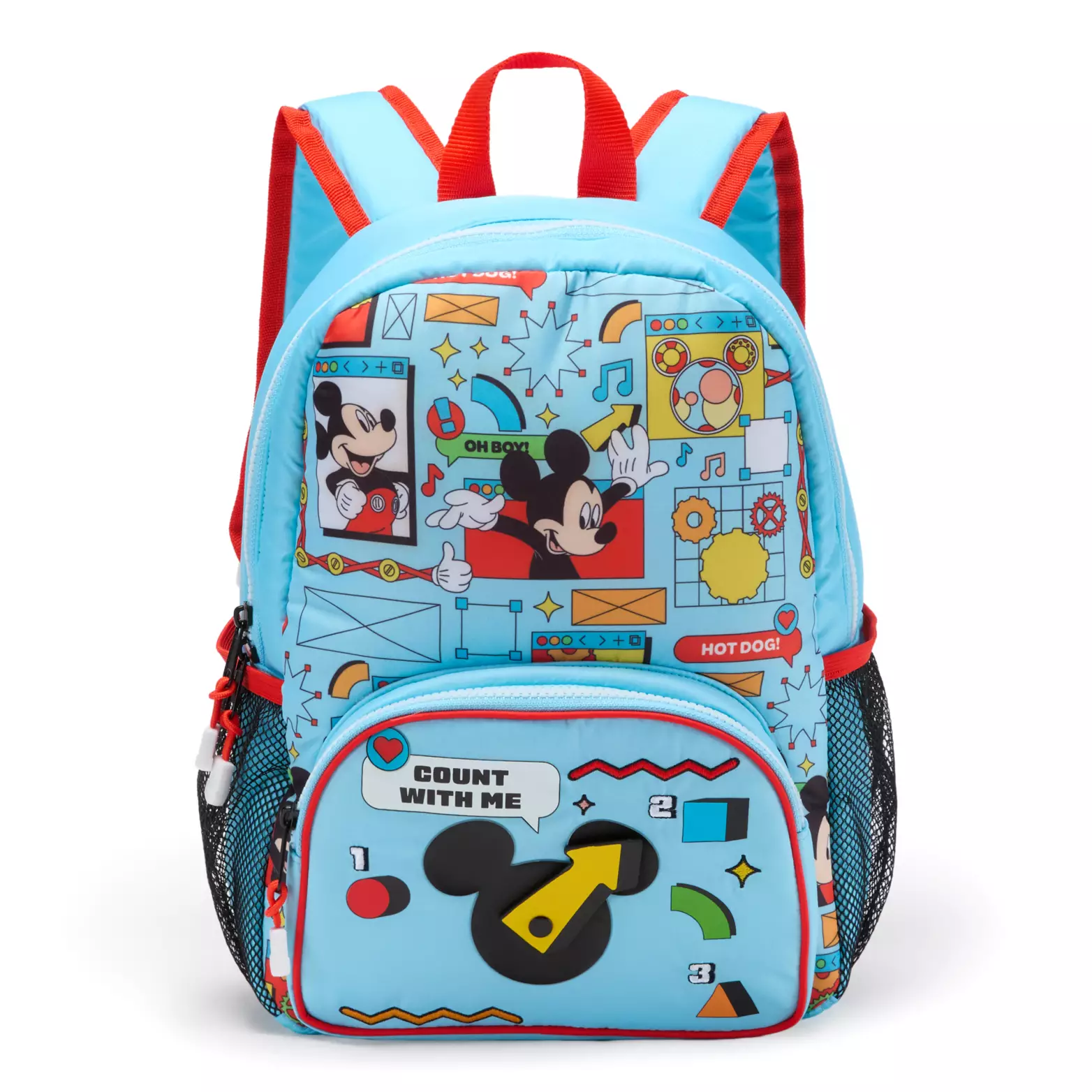
Be aware that this backpack is slightly smaller than the others. It is light blue with two black mesh water bottle pockets. It is covered in imagery from Mickey Mouse Clubhouse. There is a front exterior pocket.
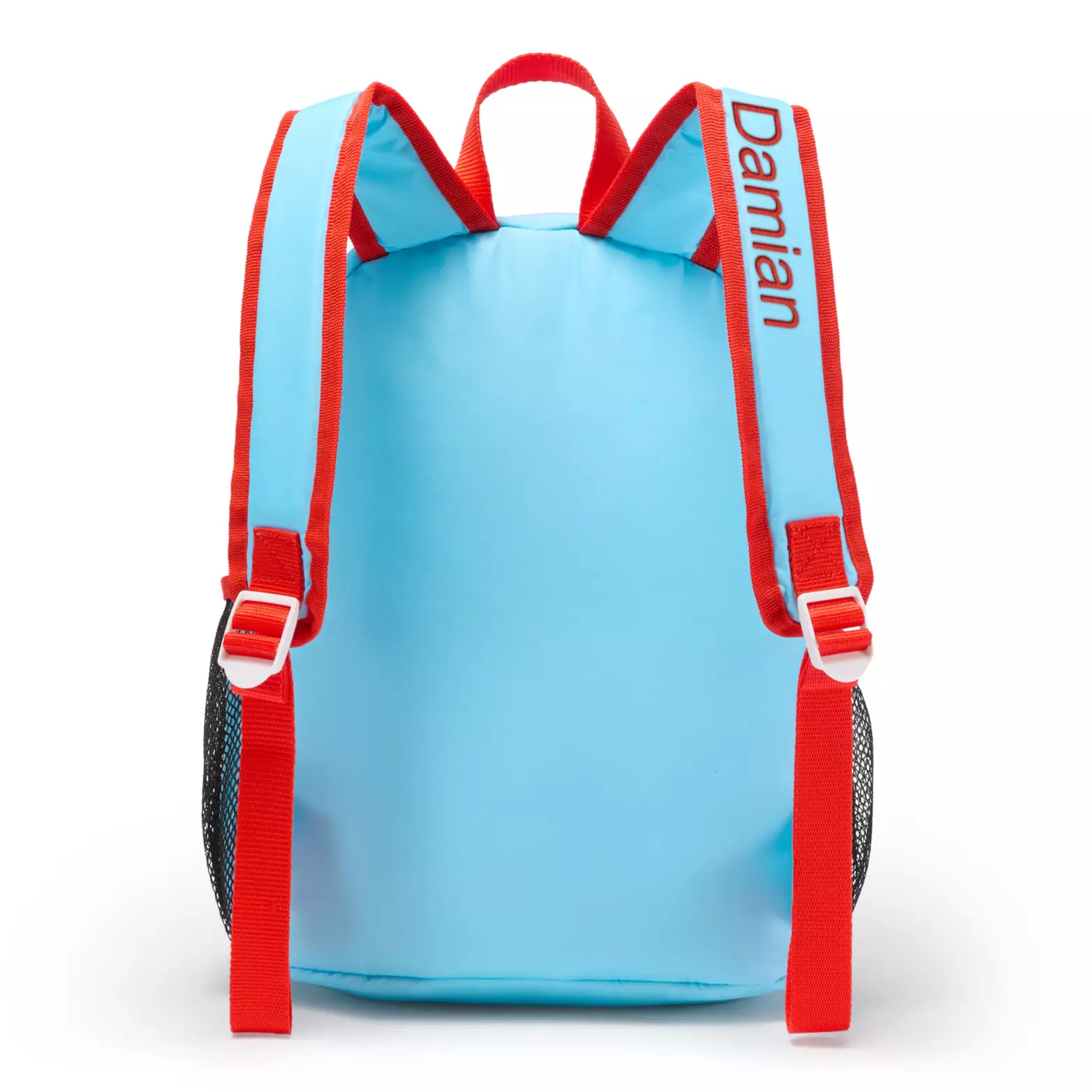
Like the other backpacks, this one also has a customizable left strap.
Mickey Mouse and Friends
Mickey Mouse and Friends Backpack – Personalized – $36.99
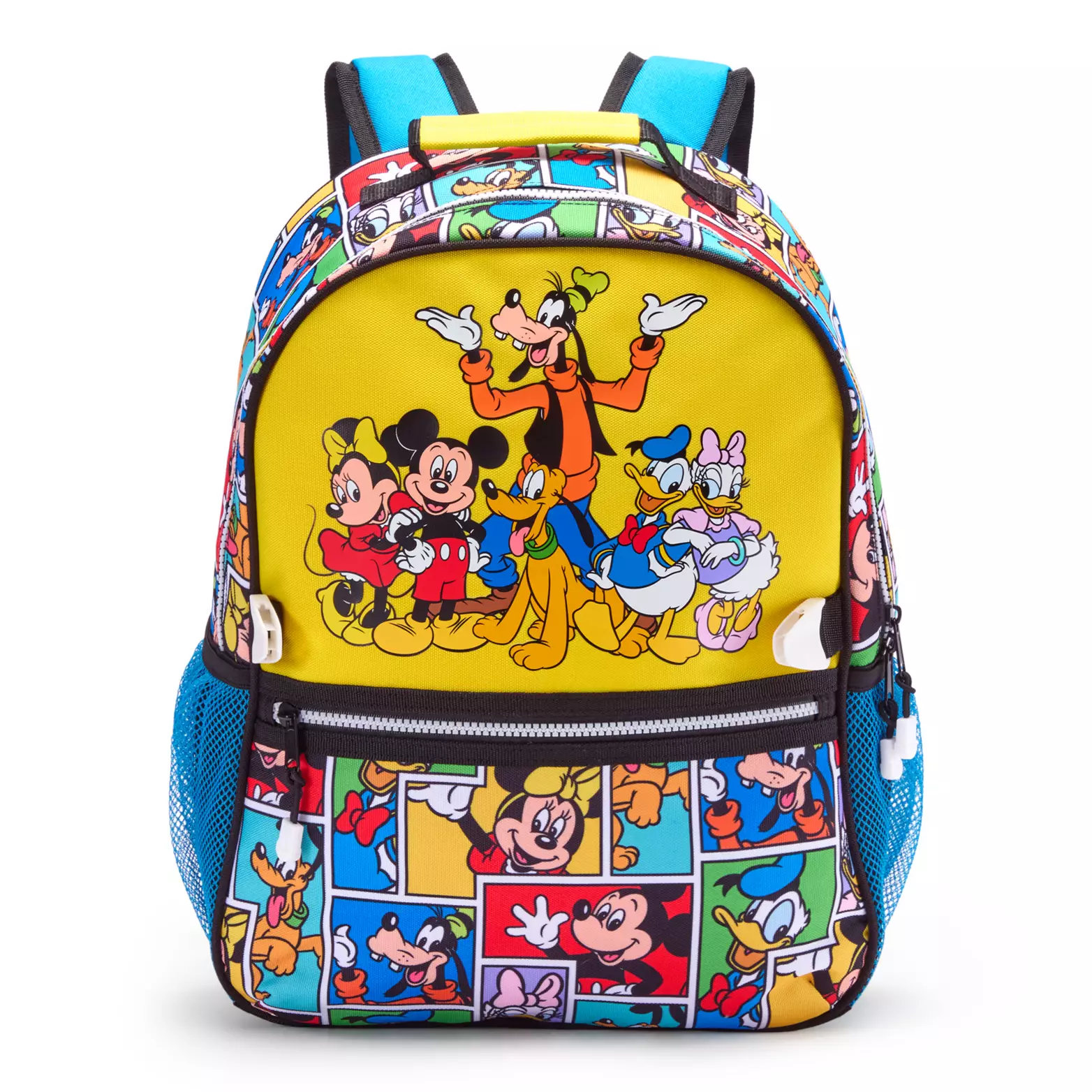
Mickey and his pals in their classic looks are all over this multicolored backpack. It has a blue mesh strap on each side. The gang are all standing together on the top half while they are in snapshot-style boxes on the exterior pocket.
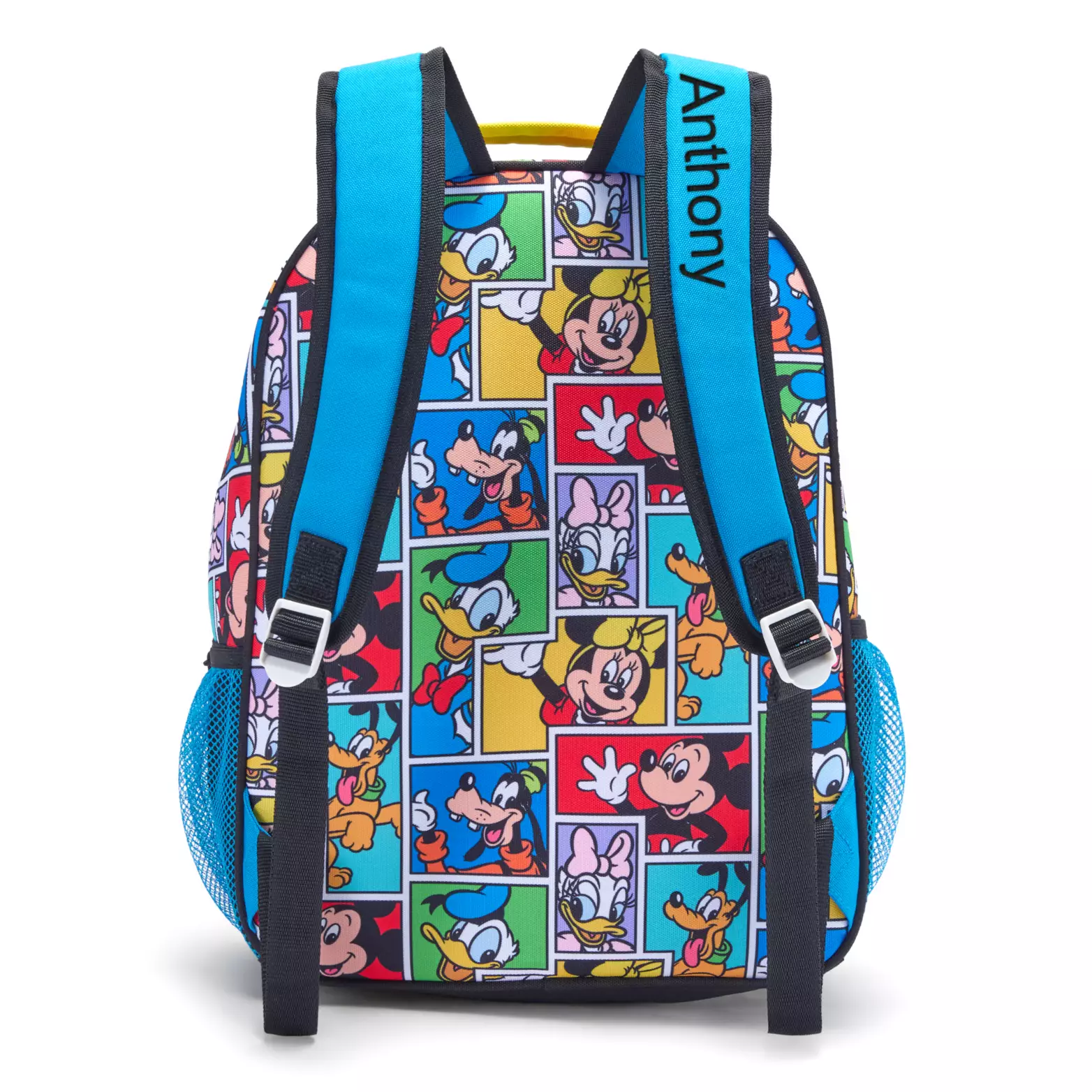
That pocket pattern continues on the back of the bag. This one also has a customizable left strap.
Mickey Mouse and Friends Lunch Box – $26.99
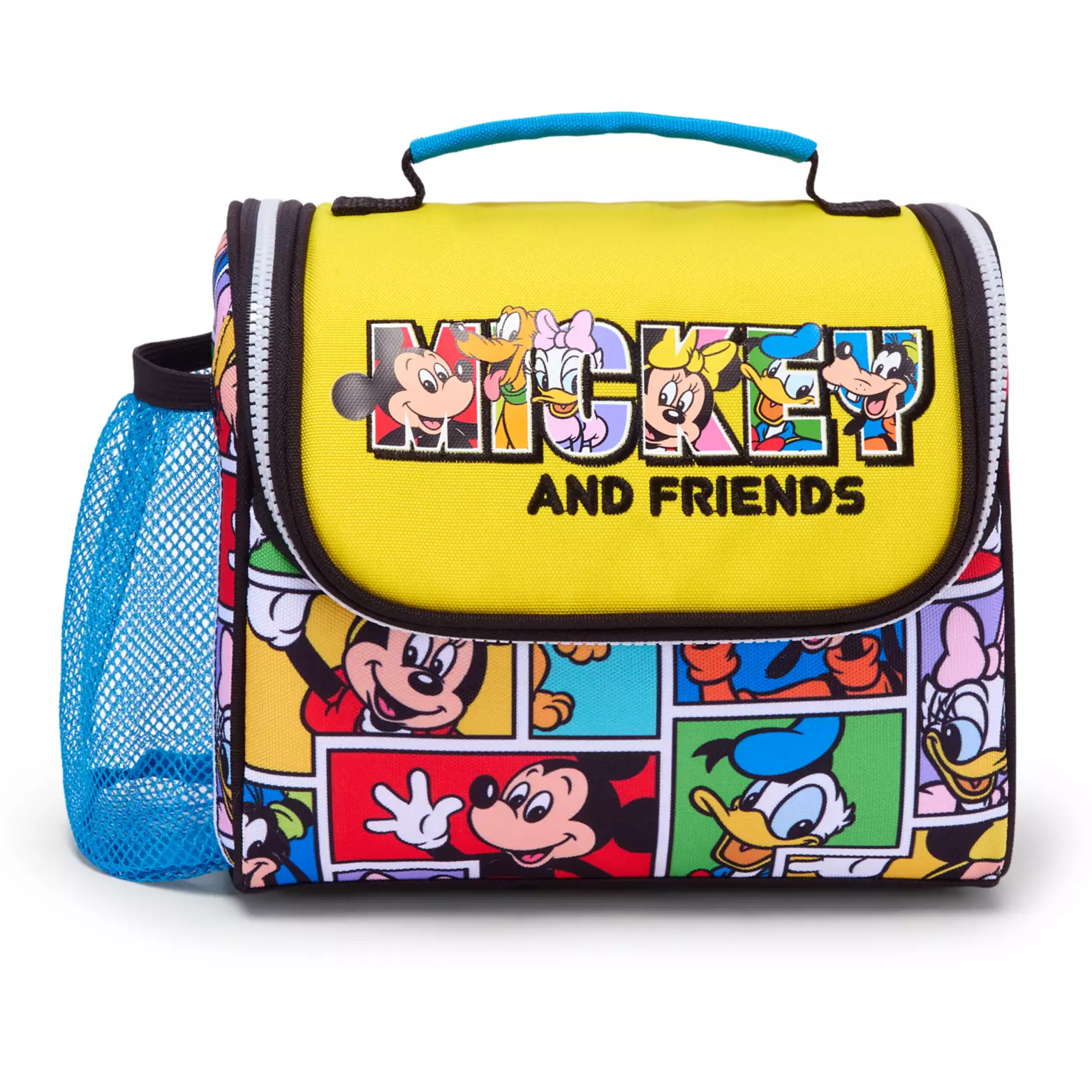
This round-topped lunch box says “Mickey and Friends” on the lid, with each letter holding an image of one of the Sensational Six. The pattern from the backpack above is repeated throughout the rest of the lunch box. A blue mesh pocket is on the side of the bag.
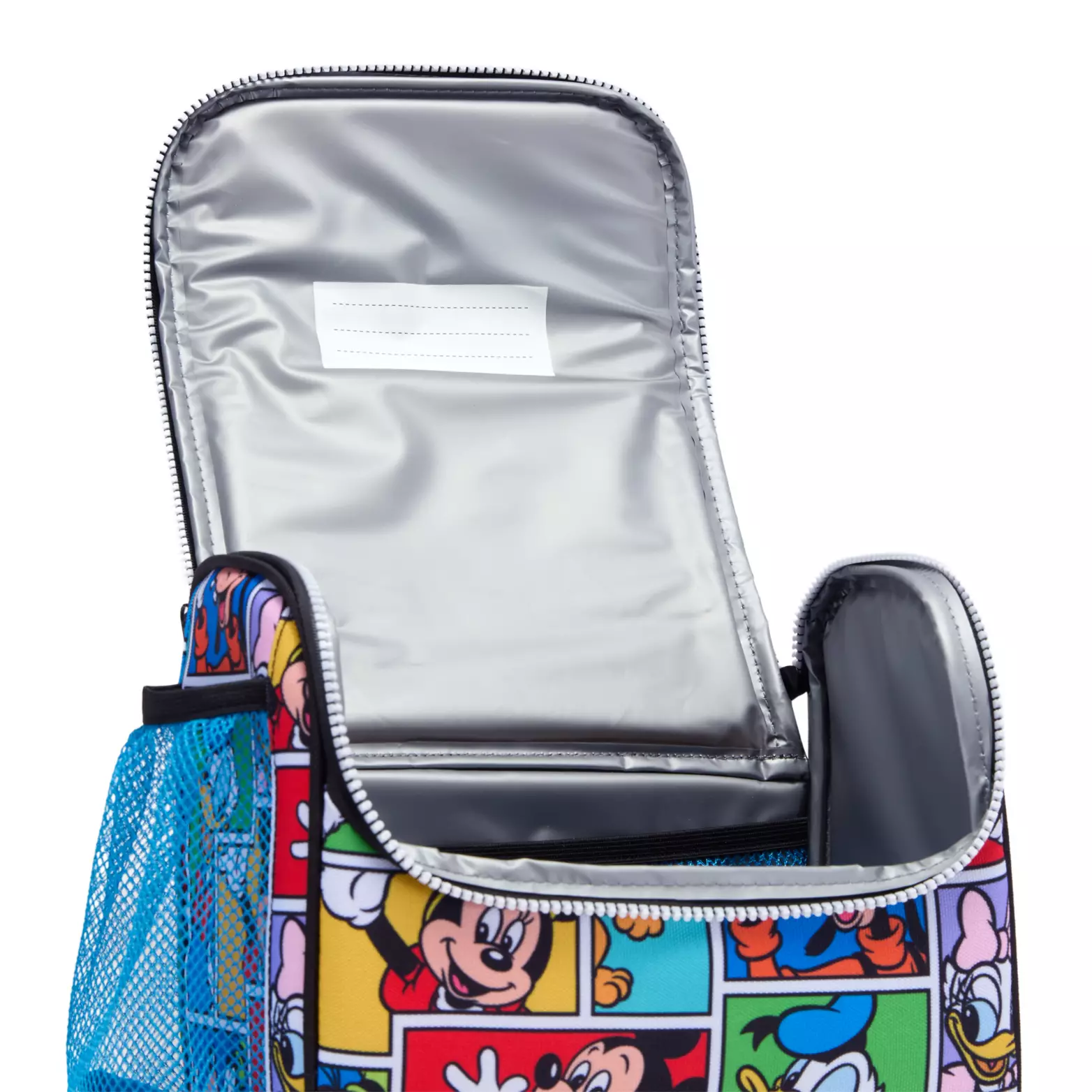
Like the Lightning McQueen lunch box, the lid does not have an organizational pocket, but the inside of the lunch box does.
Frozen
Frozen Backpack – Personalized – $36.99
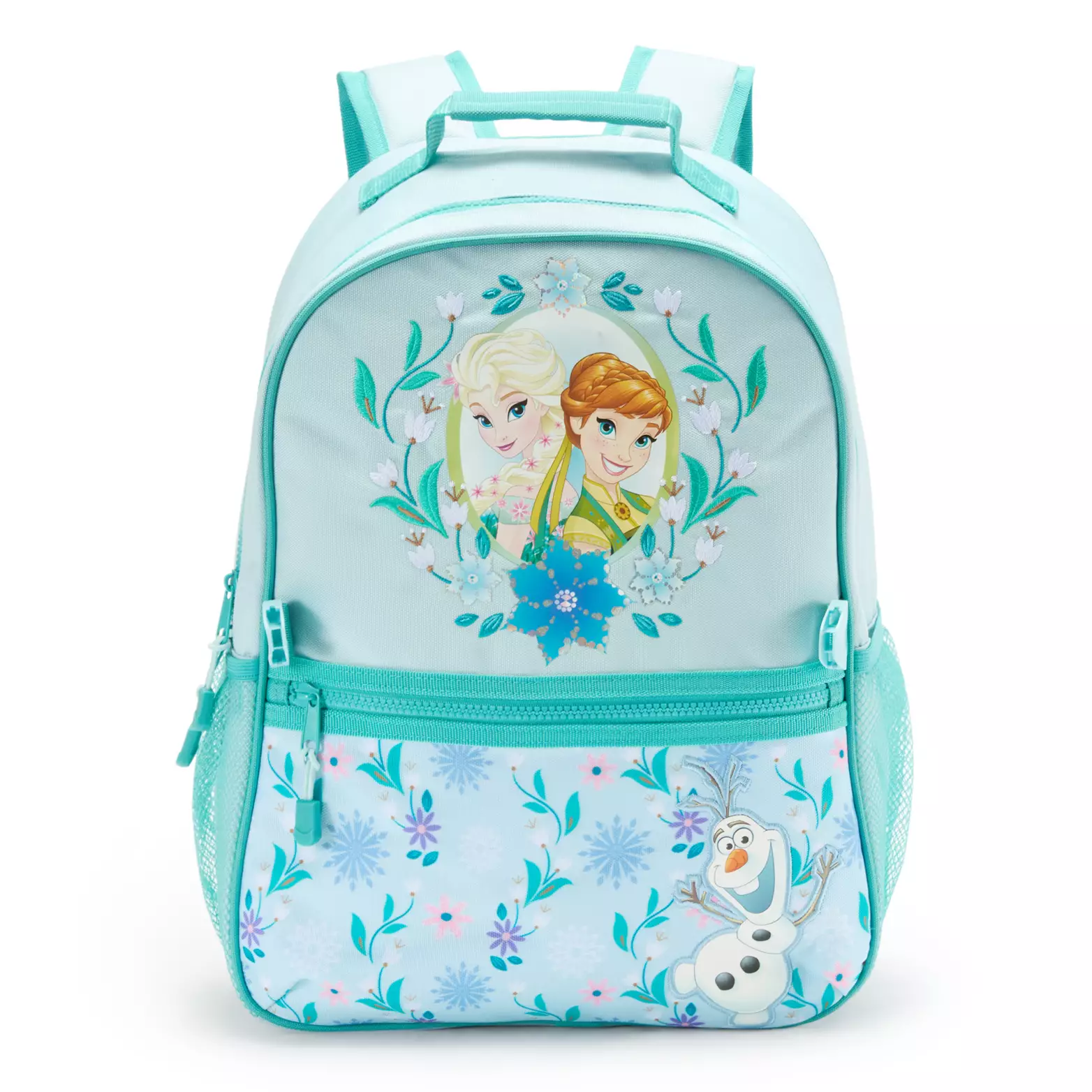
Anna and Elsa are side by side in the portrait at the top of this aqua-colored backpack. Like the others, it has a mesh pocket on each side and an exterior pocket. Olaf is dancing in the bottom left-hand corner against a floral patterned background.
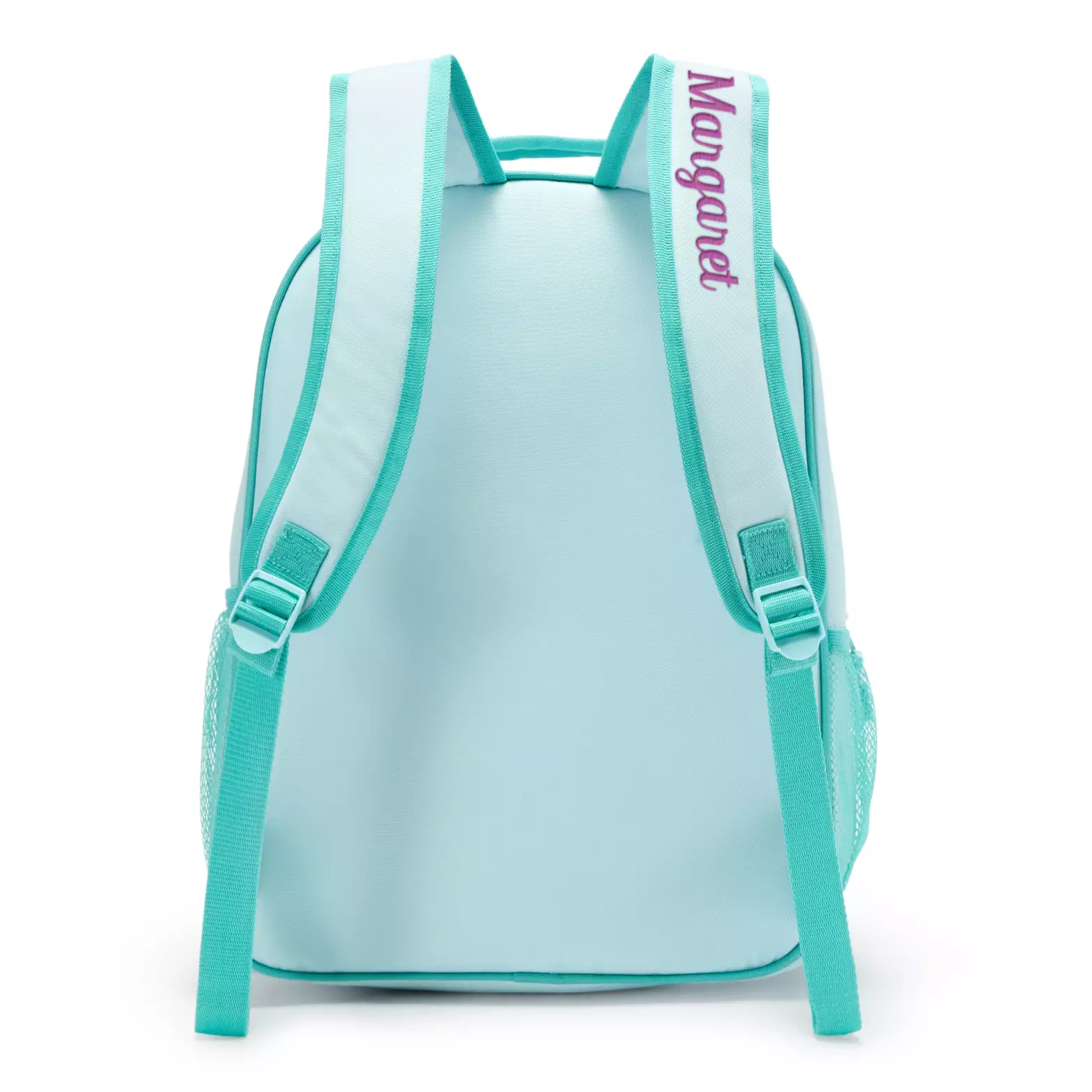
The left backpack strap is customizable, and the back of the bag is plain.
Frozen Lunch Box – $26.99
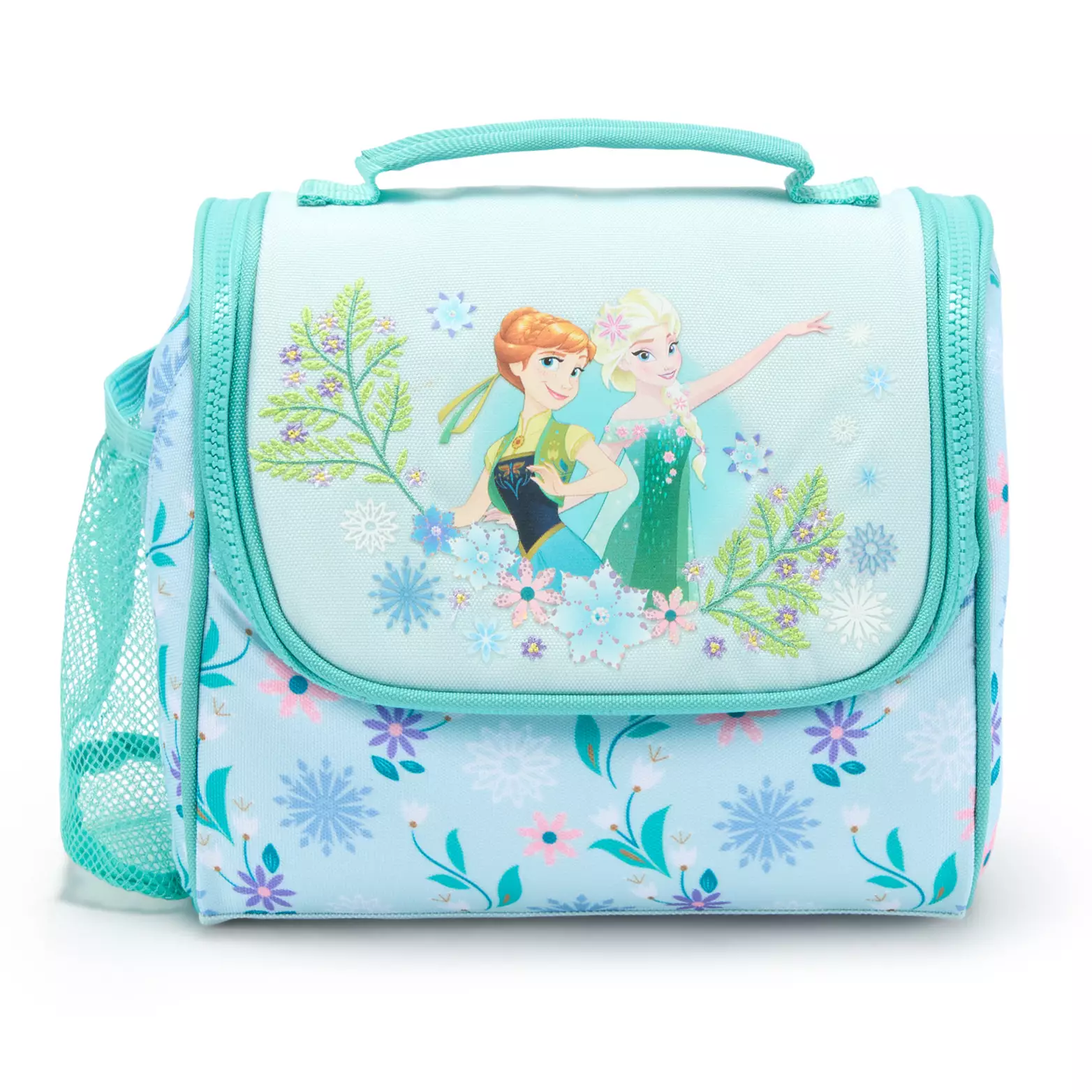
Another round-topped lunch box, this one has a similar design to the backpack above. Anna and Elsa are standing side-by-side, and Elsa is pointing to the left. They are surrounded by snowflakes and flowers. The bottom has the same pattern as the bottom half of the backpack.
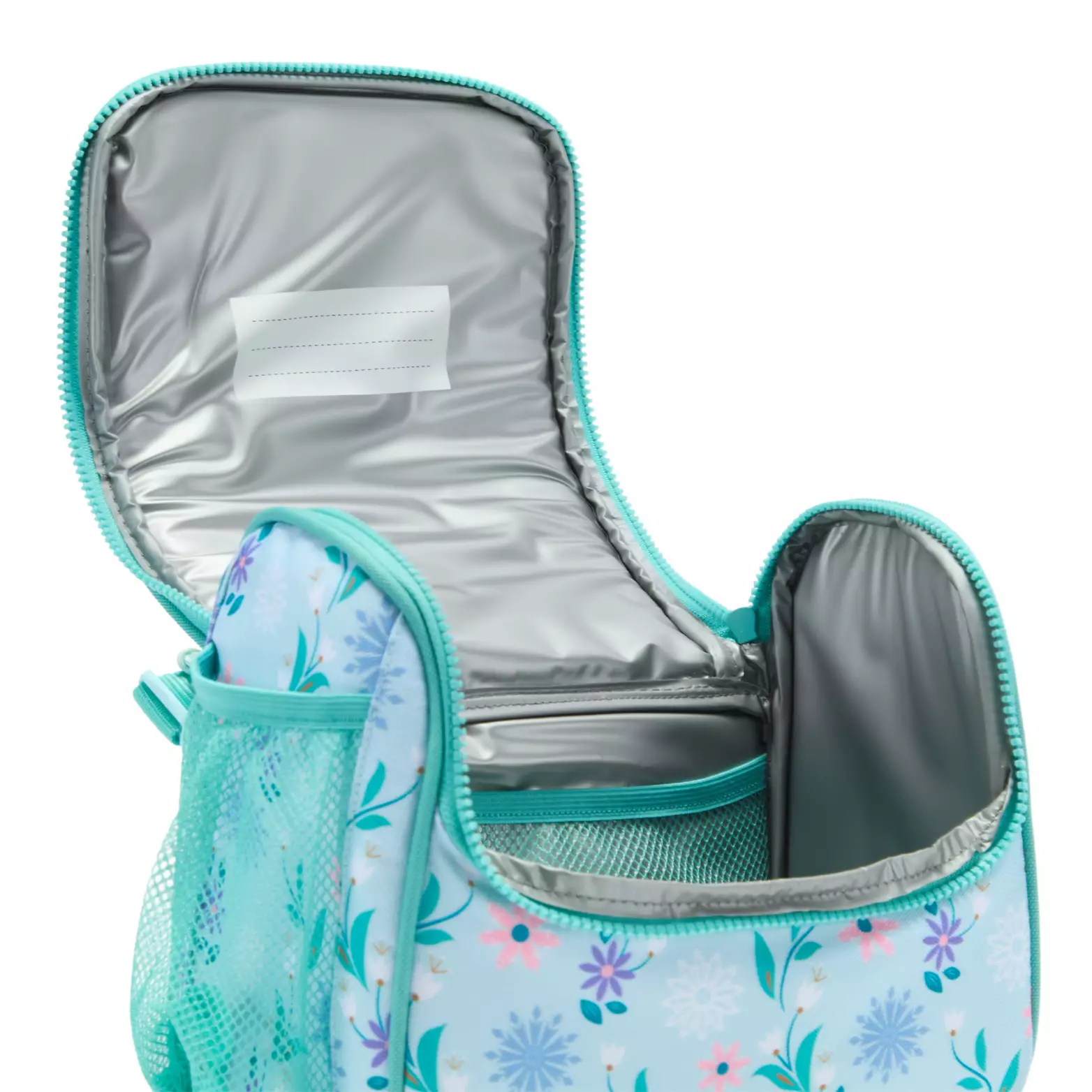
It has an interior organizational pocket and an exterior side pocket.
Frozen Stationery Set – $24.99
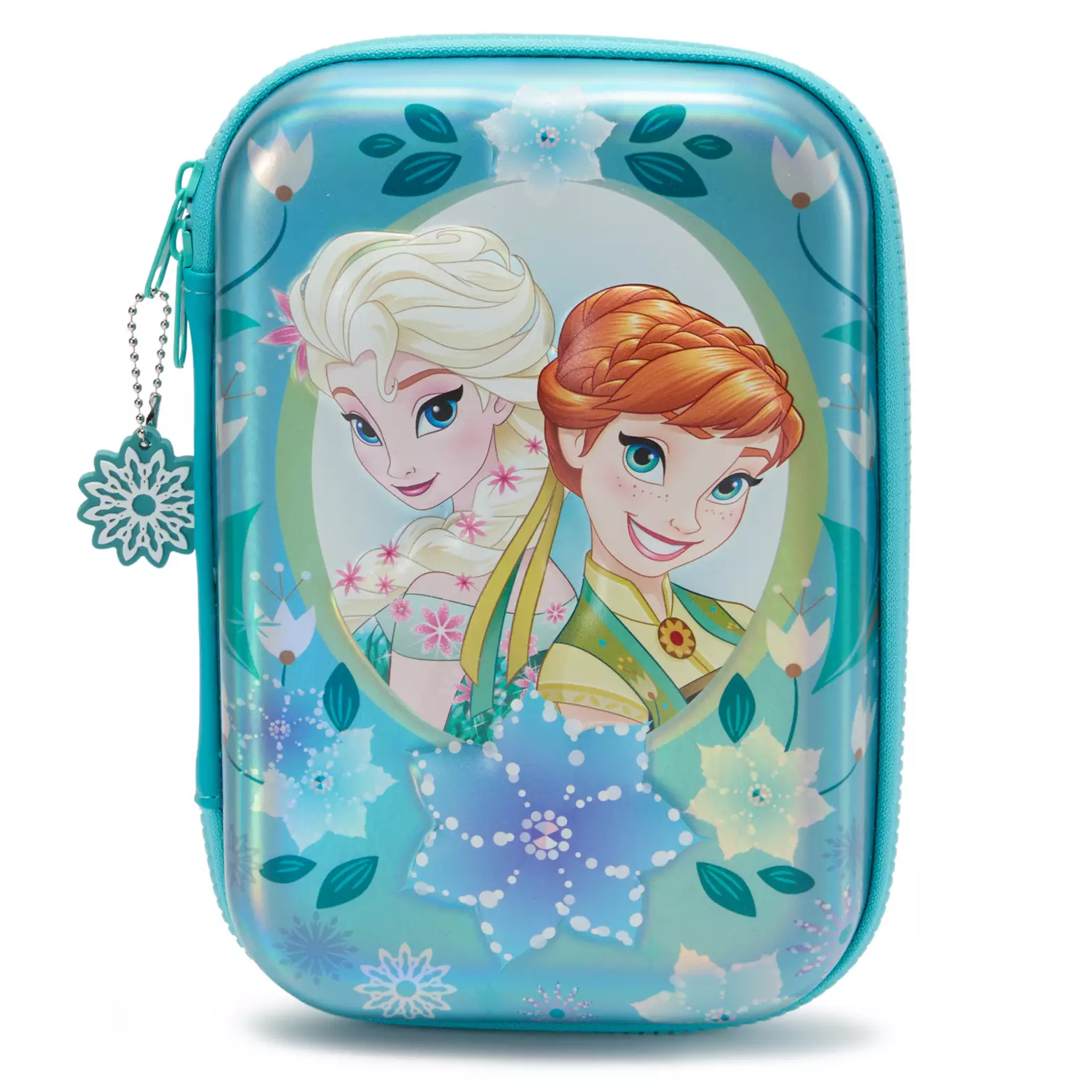
Like the backpack, this stationery kit has a portrait of Anna and Elsa. The zipper pull is a snowflake.
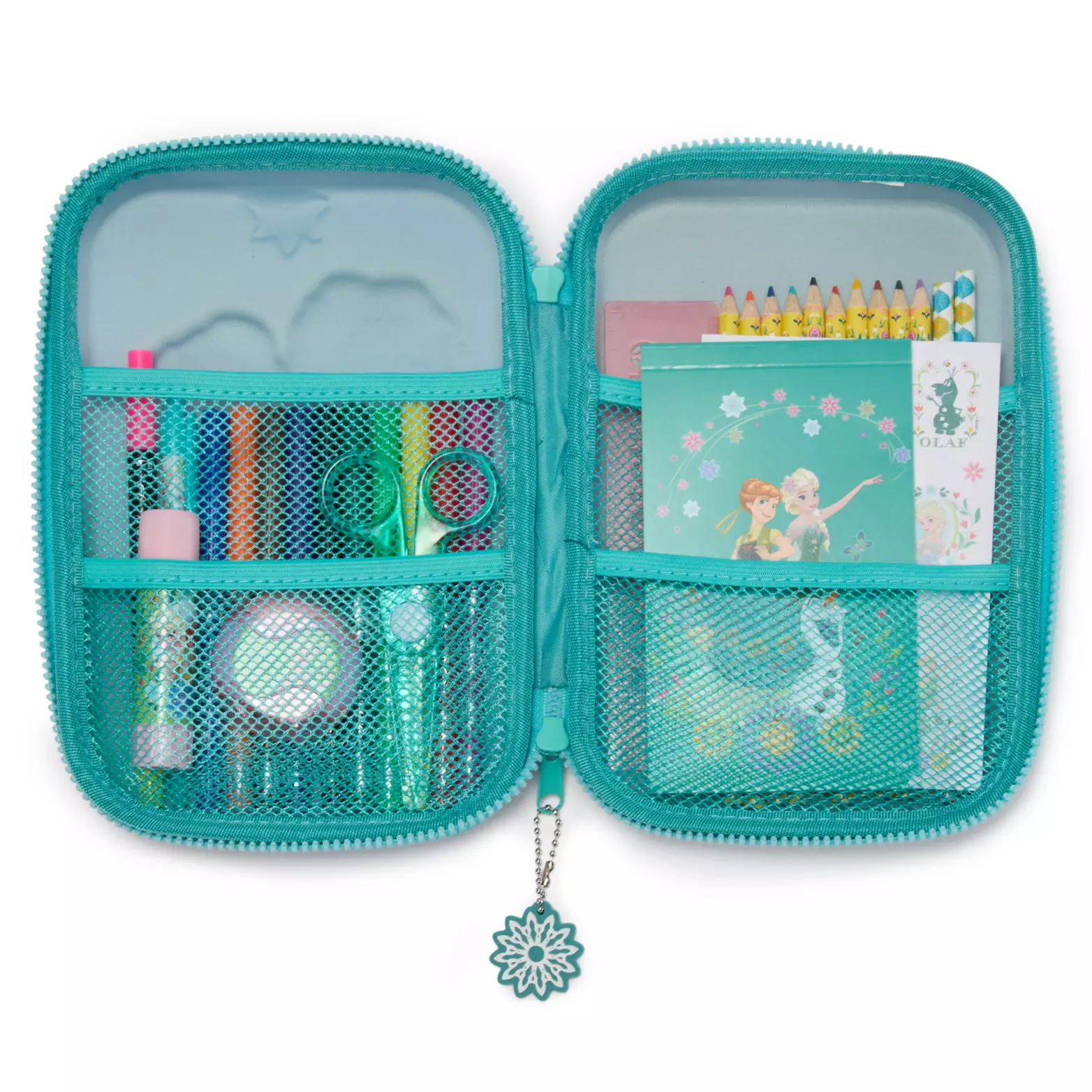
Inside the kit are mesh organizational pockets with Frozen-themed stationery items.
This kit includes:
- 10 color pencils
- 10 color markers
- Two HB pencils
- Two sticker sheets
- Ballpoint pen
- Double highlighter
- Eraser / Sharpener combo
- Stencil ruler
- Scissors
- Glue stick
- Notebook
Star Wars
Boba Fett Backpack – Personalized – $36.99
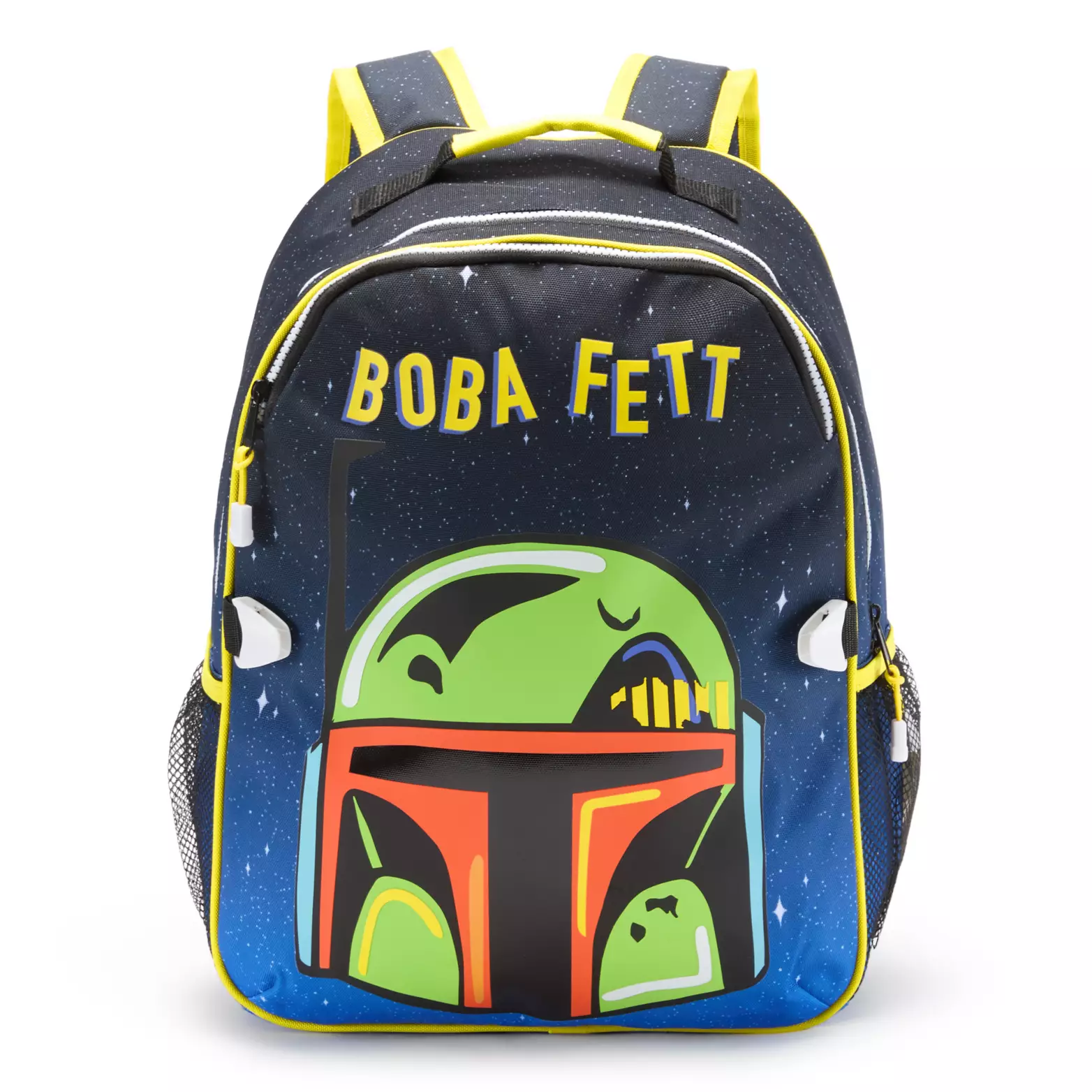
Boba Fett’s helmet, in full color, is front and center on this backpack. Behind it is a sky full of stars in an ombré blue to black background. At the top are the words “Boba Fett” in yellow letters. There are mesh pockets on either side of the bag.
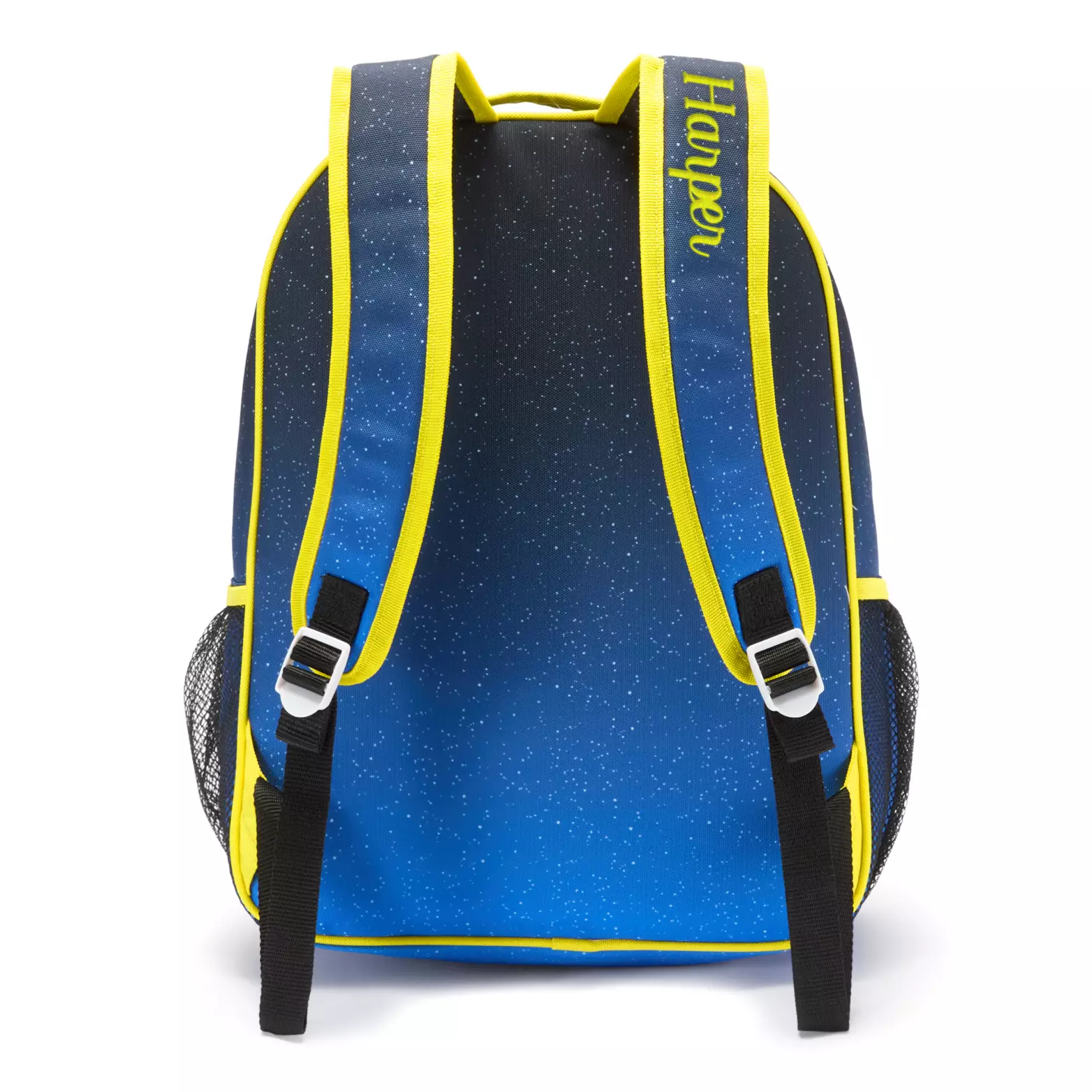
On the back, the backpack’s left strap is customizable.
Boba Fett Lunch Box – $26.99
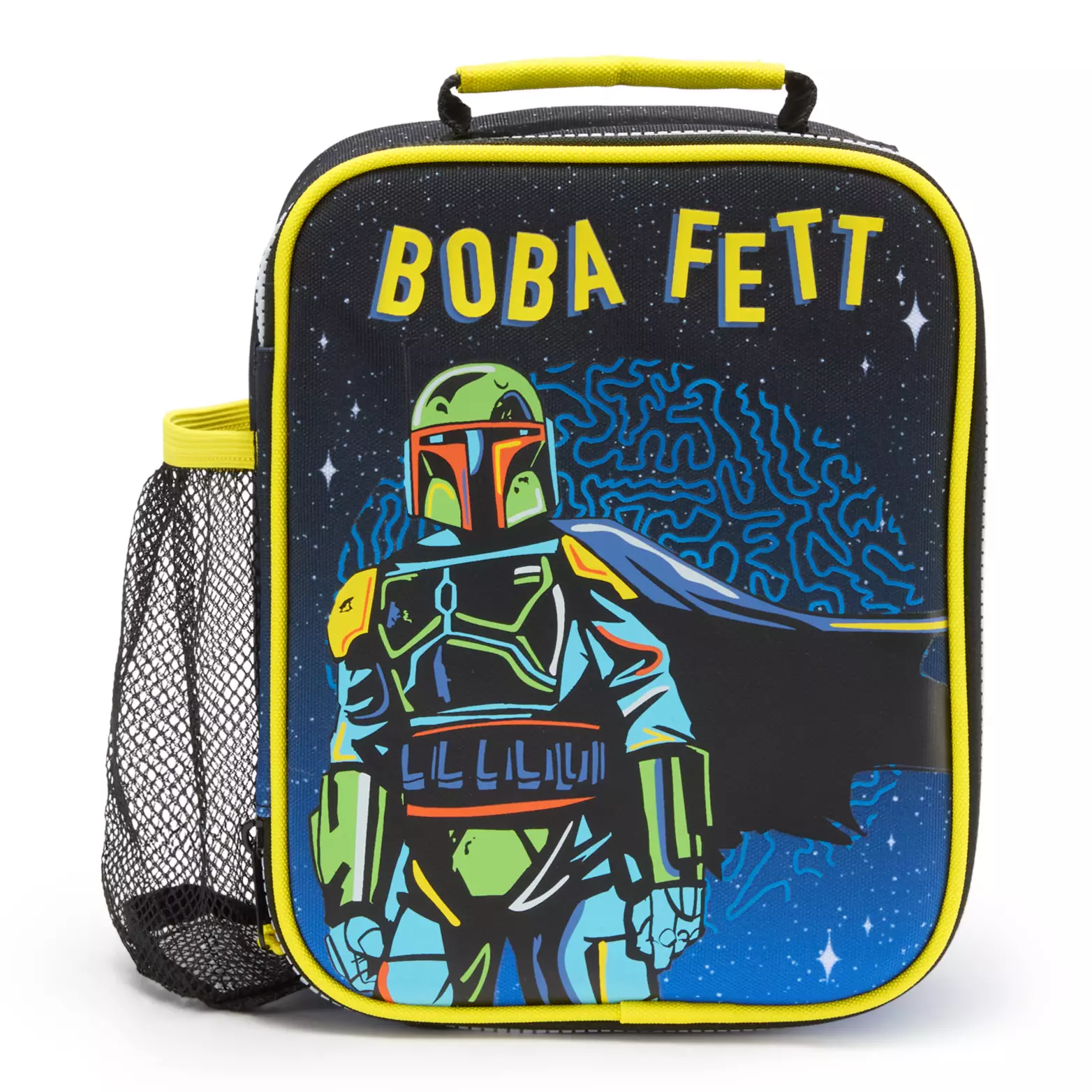
A colorful Boba Fett stands stoically on the front of this galaxy-themed lunch box. The piping around the mostly black lunch bag is yellow, and the background is a starry sky. Inside is a mesh organizer like the other square lunch boxes.
Minnie Mouse
Minnie Mouse Backpack – Personalized – $36.99
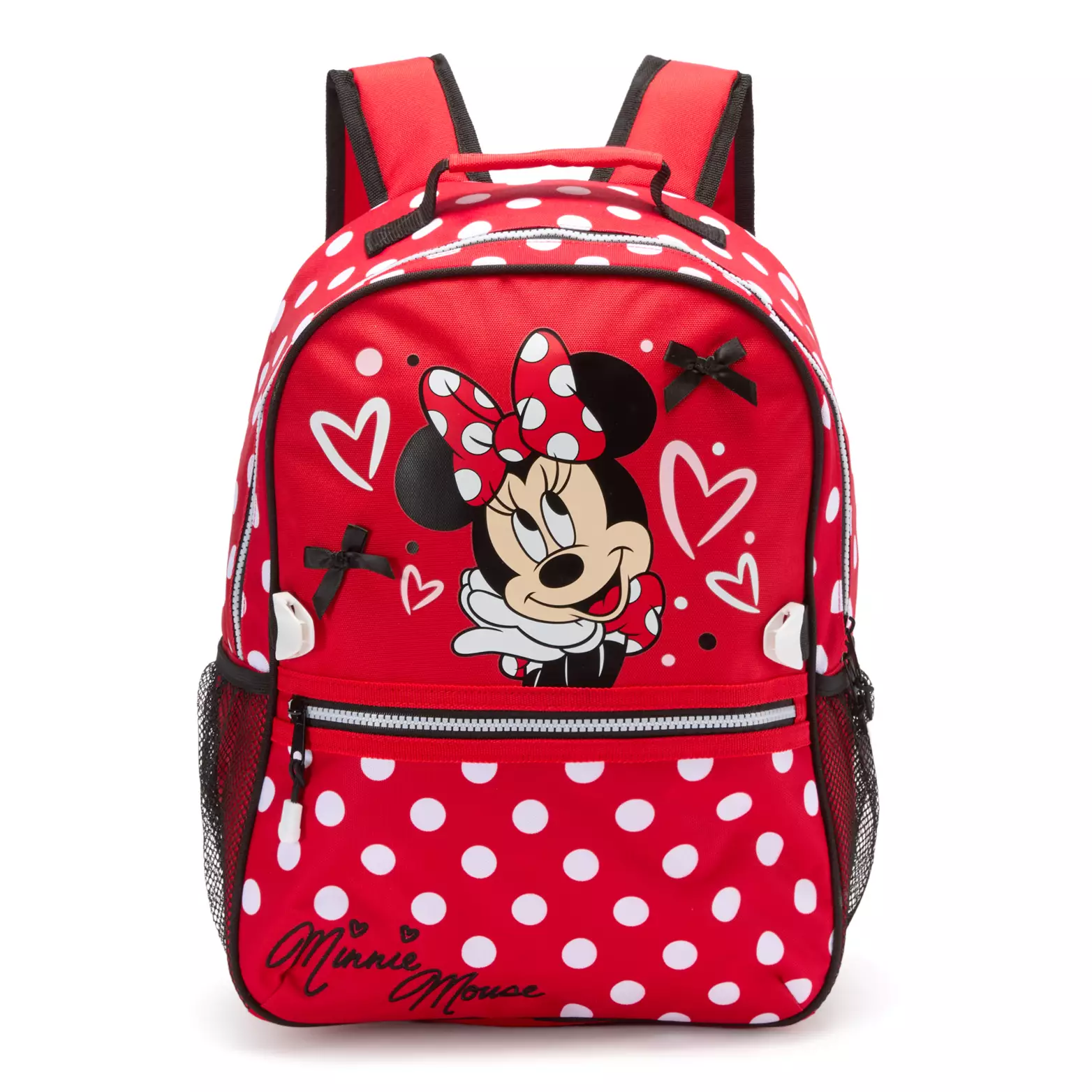
In a vibrant red, this Minnie-themed backpack has two distinct designs. The front exterior pocket has a while polkadot pattern and Minnie’s signature in black on the bottom right-hand corner. Minnie is shown at the top with hearts around her and two black appliqué bows. Black mesh pockets are on either side of the bag.
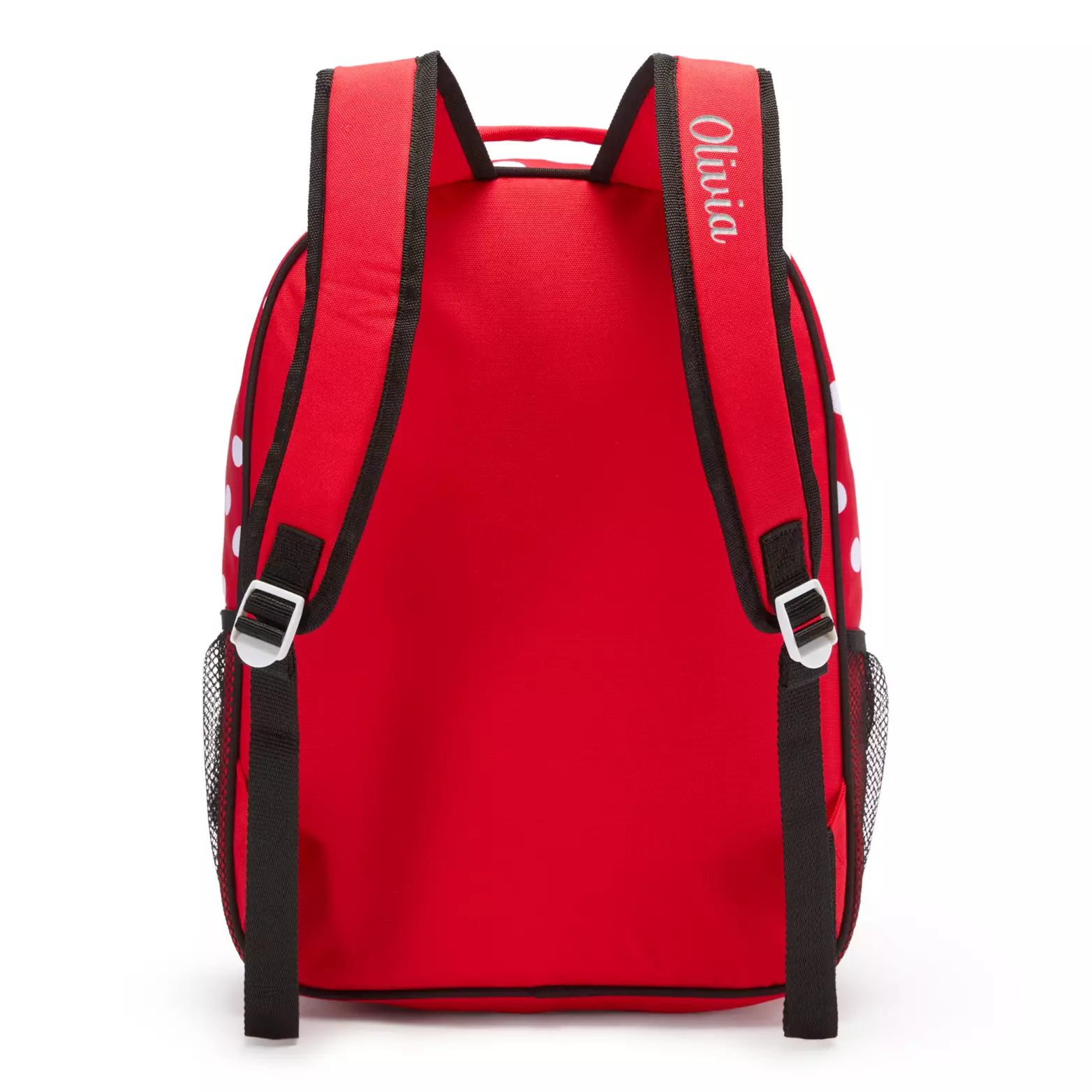
On the back, the backpack’s left strap is customizable.
Minnie Mouse Lunch Box – $26.99
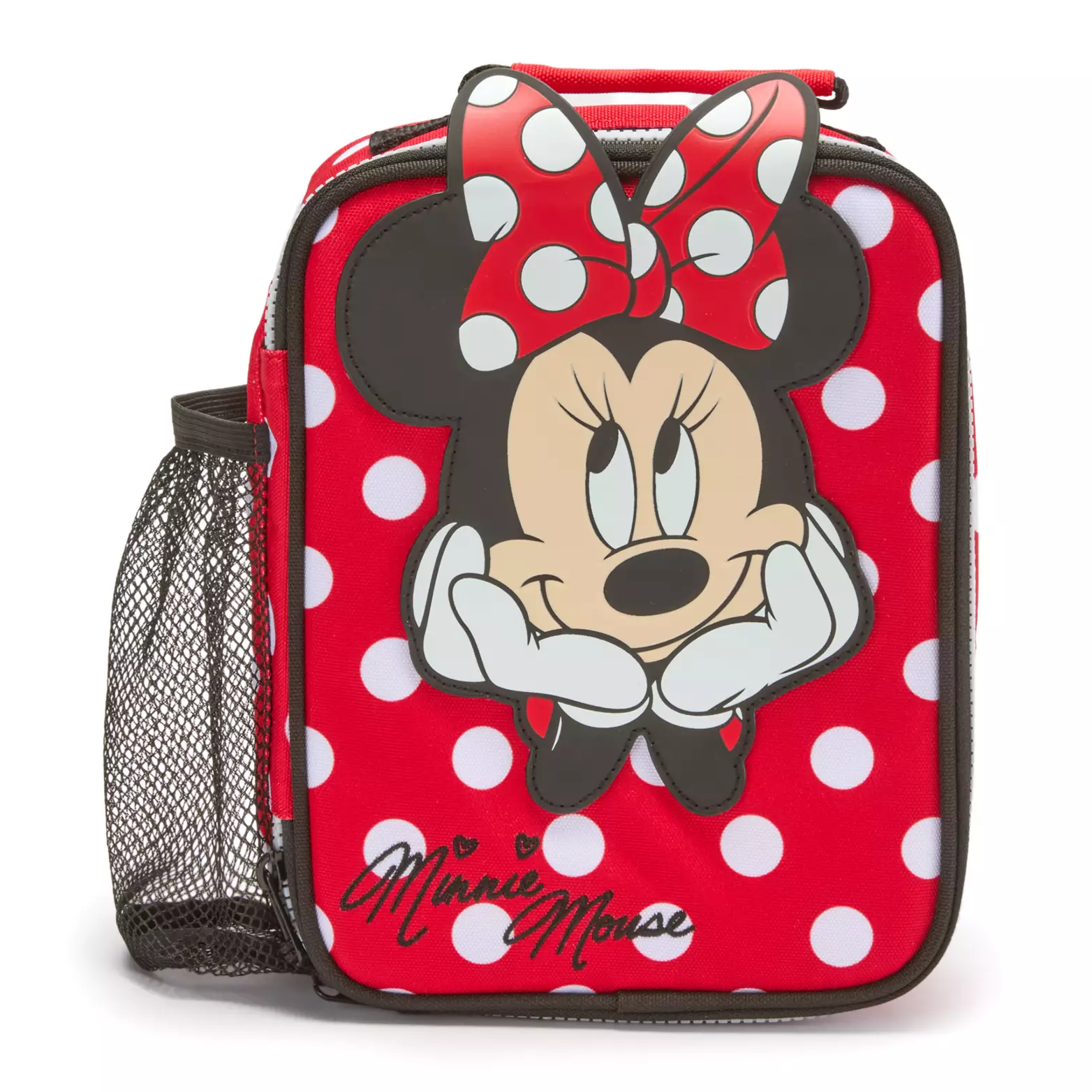
With a red background full of white polka dots, this lunch box prominently features Minnie Mouse with her head in her hands. Her signature in black is on the bottom left-hand corner.
As with the other square lunch boxes, this one also has a mesh side pocket and an interior organizing pocket.
Toy Stoy
Will you or your kiddo be hitting the books with these goodies this school year? Let us know on social media!
For the latest Disney Parks news and info, follow WDW News Today on Twitter, Facebook, and Instagram.
WDW News Today (and WDWNT LLC and the WDWNT Network of websites and podcasts) has financial relationships with some of the merchants mentioned on this blog. WDWNT LLC may be compensated if consumers choose to utilize the links located throughout the content on this site and generate sales for the merchant. WDWNT LLC is compensated for certain paid links and advertisements on this blog. You are not obligated to click on any link or buy any products that are advertised.
Per FTC guidelines, this website may be compensated by companies mentioned through advertising, affiliate programs, or otherwise. Any references to third party products, rates, or websites are subject to change without notice. Please do the appropriate research before participating in any third party offers.
