

Choosing the right desk gadgets can feel like navigating a minefield of tech promises and aesthetic landmines. Some shiny new gadgets solve actual problems, while others become expensive paperweights, silently mocking your impulse buys. A poorly chosen gadget can kill productivity faster than a Monday morning meeting. We’ve sifted through the noise to bring you desk accessories that often disappoint, judged by hands-on testing and user feedback. Some are clunky, others buggy, and a few are just plain unnecessary.
5. Anne Pro 2 60% keyboard
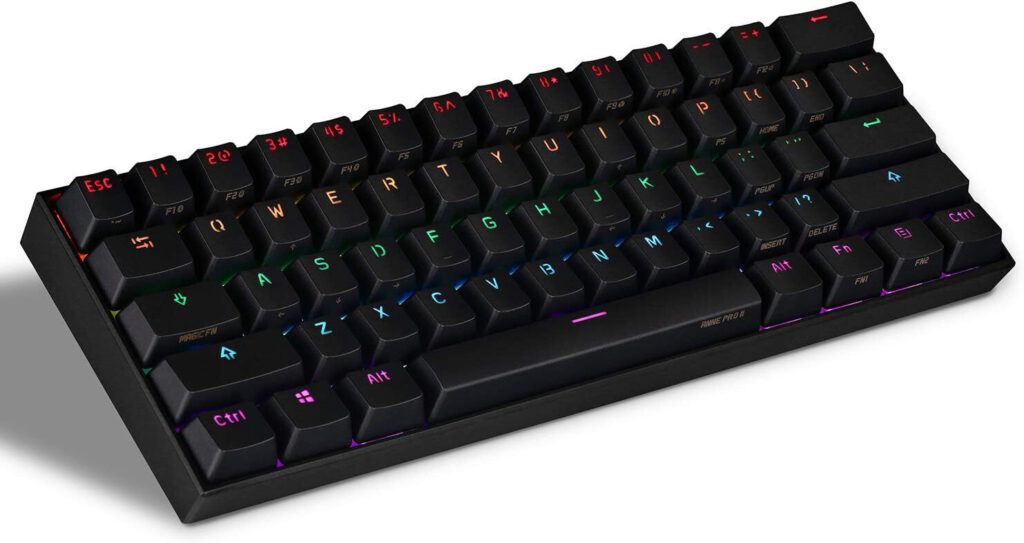
Ever tried typing a screenplay on a keyboard that’s basically a chiclet?
Turns out, it’s about as fun as parallel parking a Smart Car—possible, sure, but why would you? This 60% layout is missing the numpad, function keys, and arrow keys. Some appreciate the solid build and custom keycaps, but that’s where the love story ends.
If your hands resemble catcher’s mitts, adapting can feel like threading a needle with boxing gloves. The absence of dedicated keys makes it about as suited for script writing as a chocolate teapot. Sometimes, aesthetics just aren’t worth the hassle, no matter how sleek the package.
4. Shure MV7 microphone
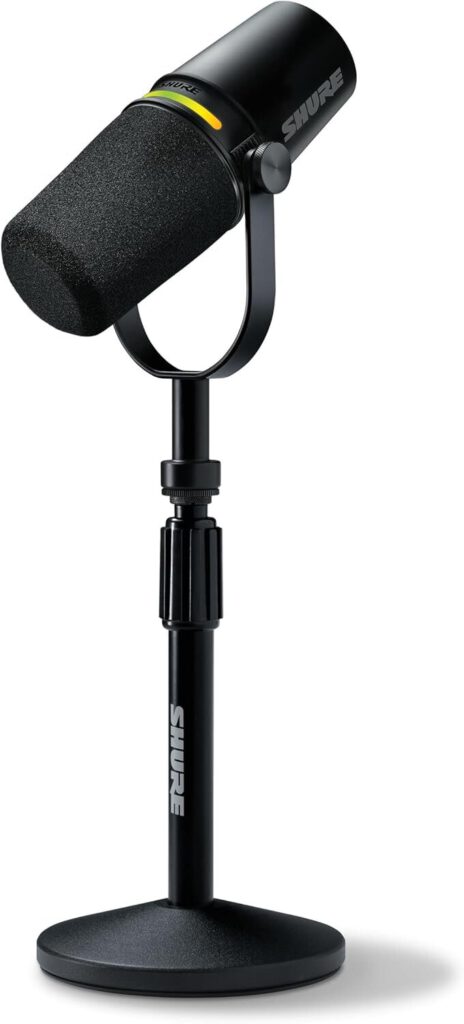
For around $250, you’d expect a mic that doesn’t require screaming into it.
The Shure MV7, while packing both XLR and USB outputs, kinda screws the pooch on the USB side. It sounds great over XLR, but the USB signal is weaker than your average iced coffee. Anyone who’s wrestled with app permissions knows the drill—this one needs serious gain boosting.
To get a decent recording, you’ll have to crank up the gain in post-processing, like trying to get your grandpa to understand TikTok. This means if you’re on a remote recording setup, you’re basically SOL unless you have some serious software tweaking skills. Murphy’s Law dictates it’ll fail right when you hit record.
3. Bluetooth mini printer
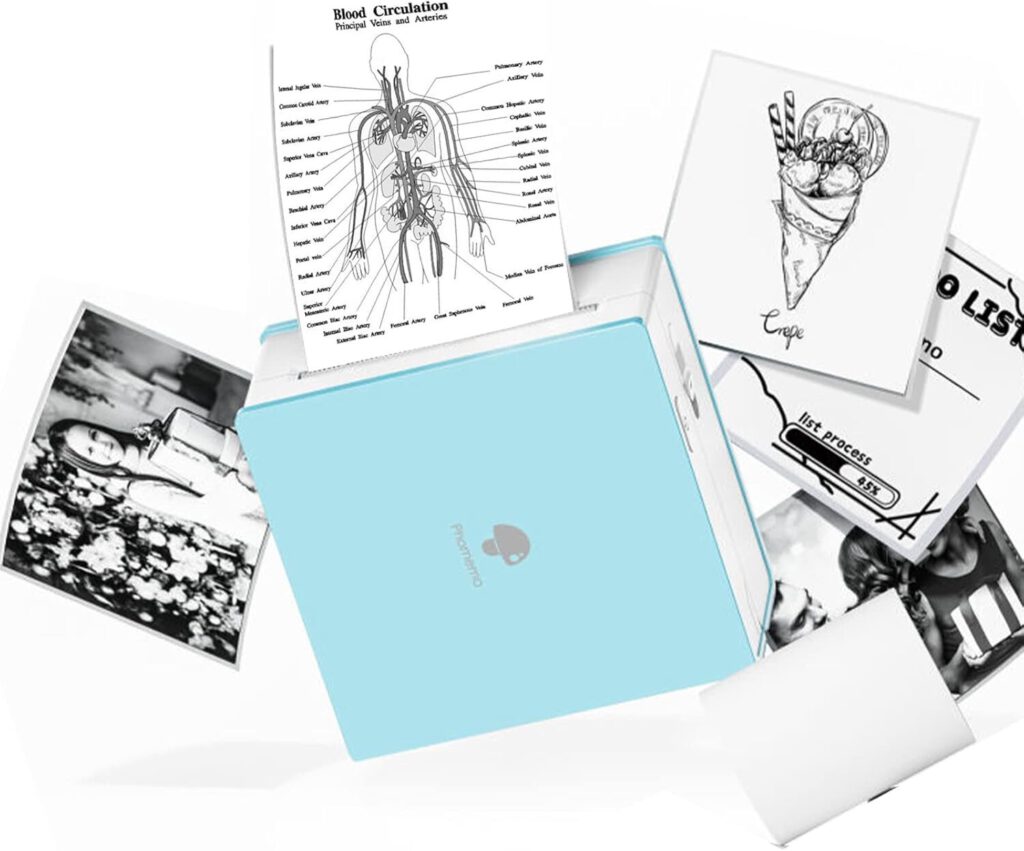
A Sharpie is faster than waiting for this thing to connect.
This Bluetooth mini printer, likely a Phomemo M02 or similar, promises quick labels, but anyone who has ever used one knows the setup is more involved than updating your relationship status on Facebook. First, you’re printing tiny labels, like 2×1.6 inches, so fine print better be your thing.
Compare that to grabbing a marker. You’re labeling boxes for storage, hoping to bring Marie Kondo vibes to your disaster of a garage, and end up wrestling with the app. Pairing delays, paper checks, and general clunkiness make the Stone Age approach—writing directly on the box with a fat marker—look genius.
2. Desk mounted macro pad
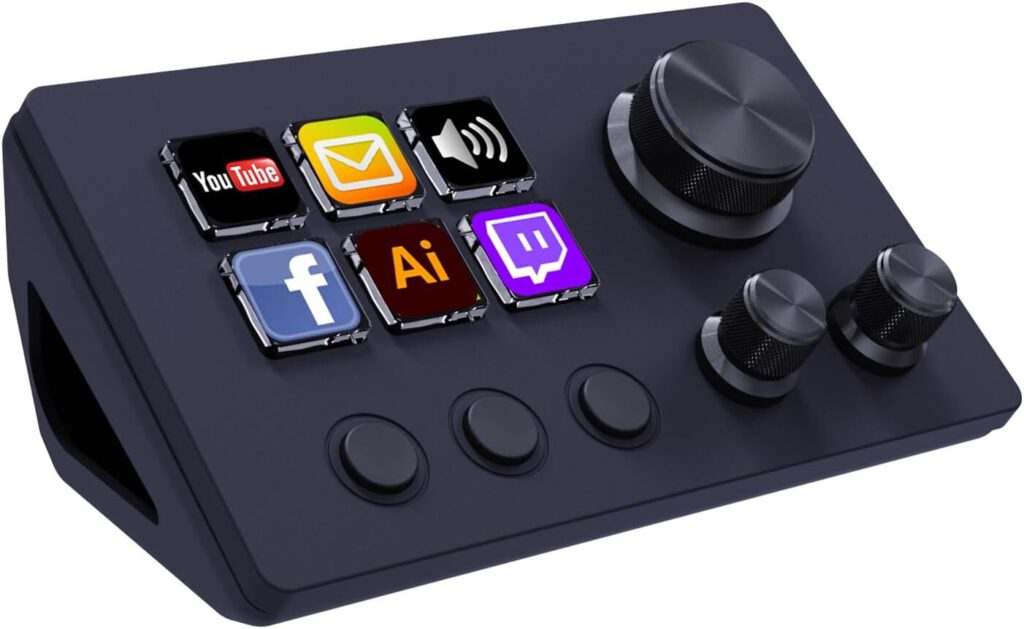
Before smart home integrations, DIY enthusiasts MacGyvered solutions with glue guns and sheer will.
Mounting a macro pad—a compact keyboard with 4-12 programmable keys—to your desk with super glue seemed genius at the time, creating instant shortcuts for smart lights and other functions. The reality check hits harder than a Netflix cancellation notice.
Inaccessible when the computer’s off, a dedicated pad becomes as useful as a screen door on a submarine. A motion sensor does the same job with far less commitment, and let’s be honest, who wants to explain “the little glued-on keyboard” to dates? Farewell to smooth desk surfaces; you’re now married to that 20x60mm plastic rectangle.
1. Elgato Key Light (early model)
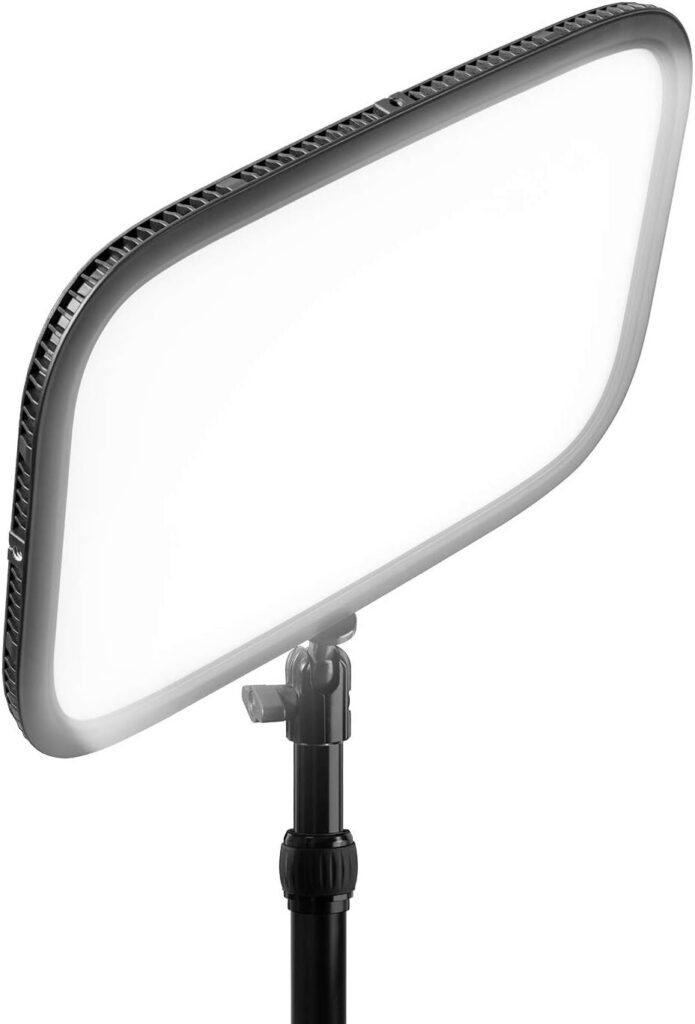
Adjusting brightness shouldn’t require minimizing your game mid-stream.
Popular with new content creators for steady, flicker-free 2600 lumens, the early models had one huge downside: zero physical controls. You needed the Elgato Control Center app, meaning every tweak required tabbing out of whatever chaotic moment you were filming—like when your cat decides your head is a launchpad.
Issues with the app and desk clamp mount drove many to upgrade faster than iPhone users chase the latest model. Picture this: you’re mid-stream, explaining a complex game mechanic, and suddenly your face disappears into shadow because the light decided to disconnect itself. The early models worked great when they worked, but most streamers ditched them when evolving needs demanded more than app-controlled 2900-7000K temperature adjustments.
