


While some people might argue there’s no need for phone cases anymore, most of us still tend to buy this accessory for an assortment of benefits — from additional protection to extra grip on the sides. But when you’re shopping for a case, you’ve probably noticed that some of these products offer a claim such as “military-grade” drop protection.
At the surface, such a description sounds like a surefire way to ensure you’re getting one of the most durable phone cases out there. Afterall, the military needs items that can withstand harsh condition out in the field. And since the manufacturer is claiming it offers military grade protection, then surely it would make sense for the item to have gone through some kind of military-regulated testing, right?
However, the military-rated protection many phone case manufacturers claim to provide isn’t as vital as you might initially think. In fact, there are a few important caveats to keep in mind when looking at claims of “military-grade” protection. The actual tests to verify this information can be extremely inconsistent, and they aren’t carried out by a military-regulated group at all.
MIL-STD-810G standard
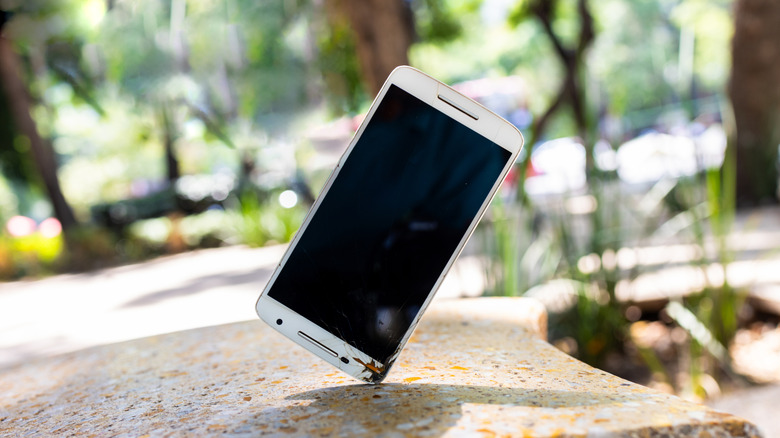
Most military drop protection claims are based on a standard known as MIL-STD-810G. To learn what this actually means, you have to dig through a long document on testing procedures, which is available through the Massachusetts Institute of Technology (MIT). The section for shock (drop) testing alone is more than 40 pages long, and among many other things, it specifies that objects under 36 inches must pass a test where they are dropped onto the face, edge, and corner of the item for a total of 26 drops. For items that fall under the size and weight of smartphone cases, these drops are meant to be performed on a two-inch thick piece of plywood layered on top of concrete. Sounds effective, right? But there’s a catch.
See, manufacturers completing these tests are technically allowed to use up to five different sample items while testing those 26 drops. That means that a case might only actually be dropped a total of a handful of times before it is changed out. Ultimately, this means that the same case likely isn’t being dropped the full 26 times that the claims might lead you to believe they are, so there’s no full test for potential cumulative damage. Further, because there’s no restriction on who can run these tests, the manufacturers don’t have to put them through third-party testing agencies. They can just complete the test in-house and interpret the results however they choose.
Why MIL-STD-810G isn’t as important as companies want you to think
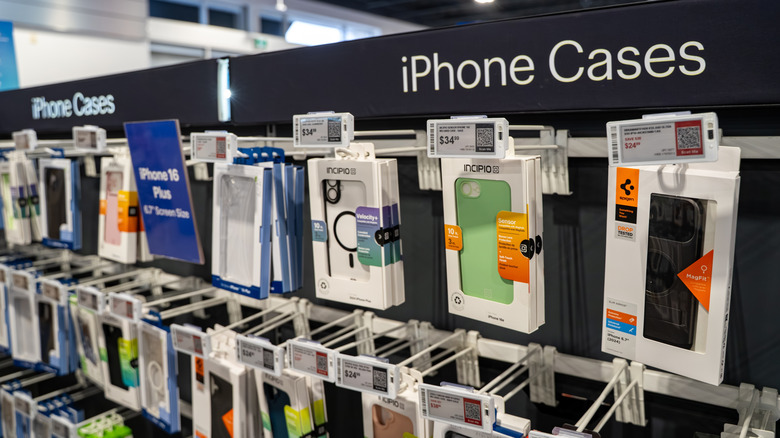
The reason these claims aren’t as important as you might think when looking for a durable smartphone case, is because they can be performed by anyone, and companies can reportedly make the claim that something was tested for military grade protection without even performing the test at all. Because each manufacturer is going to have its own approach to the standard’s definition and what determines whether its cases fail or pass the test, as it wasn’t designed with smartphones in mind. There’s also a pretty common running joke among military members that the lowest bidder often wins, and because of that, the bar for something that is considered “military grade” is pretty low overall.
Without any regulation across the board, the claim of military-grade drop protection on a phone case isn’t all it’s cracked up to be. That’s why you should always look into the fine print of how the test was performed. The next time you’re trying to determine if a rugged case is worth the extra bulk, do a little digging into how the manufacturer tests its products — Otterbox has an entire page on how it handles its drop protection testing — and that should give you all you need to make sure you understand what you’re paying for.
