
The global smartphone market started 2026 with a surprising 1% growth, according to Omdia’s latest research. A small increase might not sound like a headline for many. However, it actually beat many industry expectations. That said, this growth feels like the calm before a storm. Manufacturers are currently grappling with skyrocketing component costs and logistical headaches that are starting to reach the consumer’s wallet.
Smartphone market growth in 2026: Samsung and Apple lead the pack
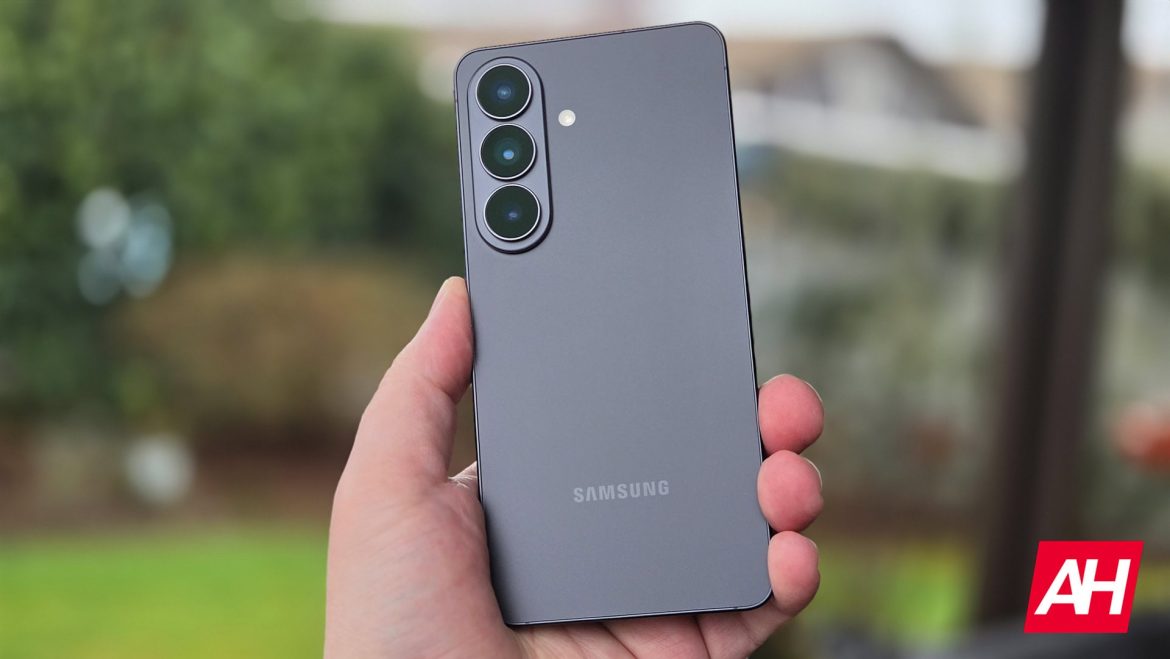
Despite the economic pressure, the giants of the industry managed to secure their spots at the top. Samsung reclaimed the number one position globally, driven by a very successful launch of the Galaxy S26 series. Pre-orders for the new flagship line jumped more than 10% compared to last year’s model.
Apple also had a good quarter. The company was able to keep going even though some areas were affected by supply chain problems. For this, keeping a stable pricing series helped was key.
On the other hand, smaller Android brands are facing a tougher reality. After all, they usually deal with thinner profit margins and the need to simplify their product lineups. In fact, Motorola significantly increased the prices of its phones in the US under this scenario.
The memory price surge
The real challenge for 2026 lies under the hood of our phones. Prices for mobile DRAM and NAND memory rose by nearly 90% in the first quarter alone. Plus, analysts expect another 30% jump in the coming months. This means the actual cost to build a phone is significantly higher than it was just a year ago.
Sanyam Chaurasia, Principal Analyst at Omdia, notes that manufacturers have little choice but to raise retail prices. While companies like Samsung and Apple have more room to maneuver, brands focused on entry-level and mid-range phones—like Xiaomi or TRANSSION—are feeling the squeeze more intensely. To cope, some brands are changing hardware configurations or reducing promotions instead of just hiking the headline price.
A difficult year ahead
While shipments stayed positive for now, experts warn that the “worst is still ahead.” Runar Bjorhovde, also a principal analyst at Omdia, suggests that higher prices might soon cause a “demand shock,” leading consumers to hold onto their current phones for longer.
Inventory levels in stores currently support the shipment numbers, but this might be a temporary shield. Omdia predicts that as cost pressures and global volatility continue, the market could see a significant decline of around 15% by the end of the year. For the average buyer, this means that finding a bargain might become a lot harder as 2026 progresses.
