
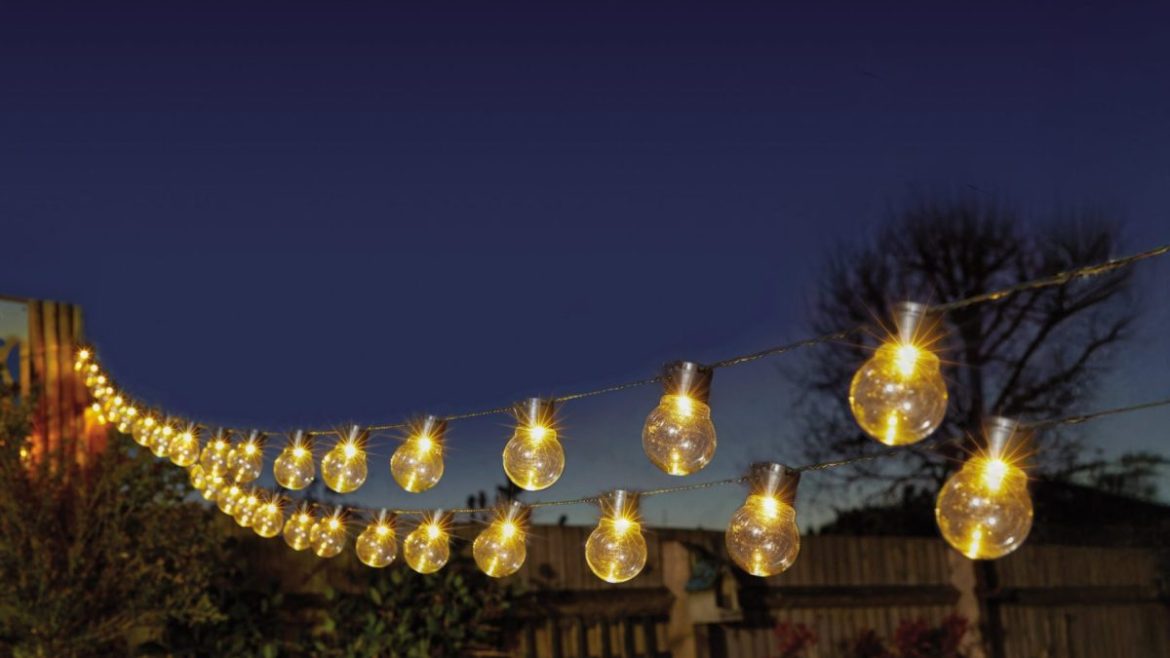
The once-humble solar panel has undergone a spectacular evolution, transforming from a clunky roof appendage into an elegant powerhouse driving a new generation of sophisticated outdoor technology. The era of the battery-guzzling garden accessory is officially drawing to a definitive close.
As domestic energy costs remain stubbornly high and environmental consciousness deepens across the population, consumer demand for solar-powered outdoor technology has surged dramatically. From intelligent security systems to ambient landscape lighting, the seamless integration of photovoltaic cells into everyday items represents a fundamental shift in how households consume power during the sun-drenched months.
The Evolution of Outdoor Living
Solar-powered gadgets used to be fairly underwhelming, notoriously unreliable, and equipped with barely enough power to illuminate a calculator. However, Jared Owen, a leading product expert at Shopping.co.uk, notes that technological advancements driven by a demanding consumer market have completely reshaped the landscape. The cost-effectiveness of modern solar arrays is enabling homeowners to be infinitely more creative with their outdoor spaces.
Landscape gardener Matthew Wilson has observed a massive uptick in clients requesting integrated solar solutions. However, he cautions that quality varies wildly. Flimsy fairy lights often detach from their solar units within weeks, consigning them to landfills. Experts consistently recommend investing in heavier, structurally sound fixtures that can be securely anchored into the ground or attached to permanent architectural structures to ensure longevity and consistent performance.
The Limitations of the Sun
Despite the rapid innovation in the sector, energy experts warn against viewing solar gadgets as a panacea for all summer power requirements. Melvyn Wilson, an energy analyst at Troo, explicitly states that while solar lighting and small charging devices successfully offset minor grid usage, they are not yet a meaningful substitute for core cooling demands. Air conditioning units and heavy-duty refrigerators still require the robust stability of traditional electrical grids.
In most residential scenarios, solar technology should be viewed as a supplementary tool rather than a comprehensive cost-reduction strategy. Nevertheless, the integration of high-capacity solar power stations—capable of storing energy gathered during peak daylight hours for use after sunset—is rapidly bridging the gap between supplementary novelties and essential household infrastructure.
The Numbers Behind the Solar Surge
The data driving the adoption of solar gadgets reveals a profound shift in consumer purchasing habits and technological efficiency.
- Efficiency Gains: Modern photovoltaic cells utilized in premium consumer gadgets now achieve up to 23.5 percent energy conversion efficiency.
- Security Integration: The SoloCam E30 security camera requires just two hours of daily direct sunlight to maintain a continuous 24-hour monitoring cycle.
- Market Growth: The global portable solar charger market is projected to expand by over 15 percent annually through the end of the decade. Details remain under independent verification.
- Cost Savings: Replacing ten traditional outdoor incandescent fixtures with solar equivalents can save a household an estimated $120 (approximately KES 15,600) annually in electricity costs.
The Blueprint from Nairobi to London
While the United Kingdom treats solar-powered consumer goods as a burgeoning lifestyle trend, nations in East Africa have long utilized off-grid solar technology as absolute survival infrastructure. In Kenya, pioneering companies like M-KOPA have seamlessly integrated solar panels with daily gadgets, providing millions of rural households with reliable light, radio, and television access without ever touching a national power grid.
The global parallel is striking: the wealthy suburbs of London and the off-grid communities of Machakos are increasingly relying on the exact same technology, albeit for vastly different reasons. For a reader in Nairobi, the explosion of the European solar gadget market is highly consequential. As demand in the West drives down manufacturing costs in Asia, the price of solar technology in African markets continues to plummet, accelerating the continent’s transition toward complete renewable energy independence.
The sun has always dictated the fundamental rhythm of the summer season, but it is now actively and independently powering its entire technological soundtrack.
