
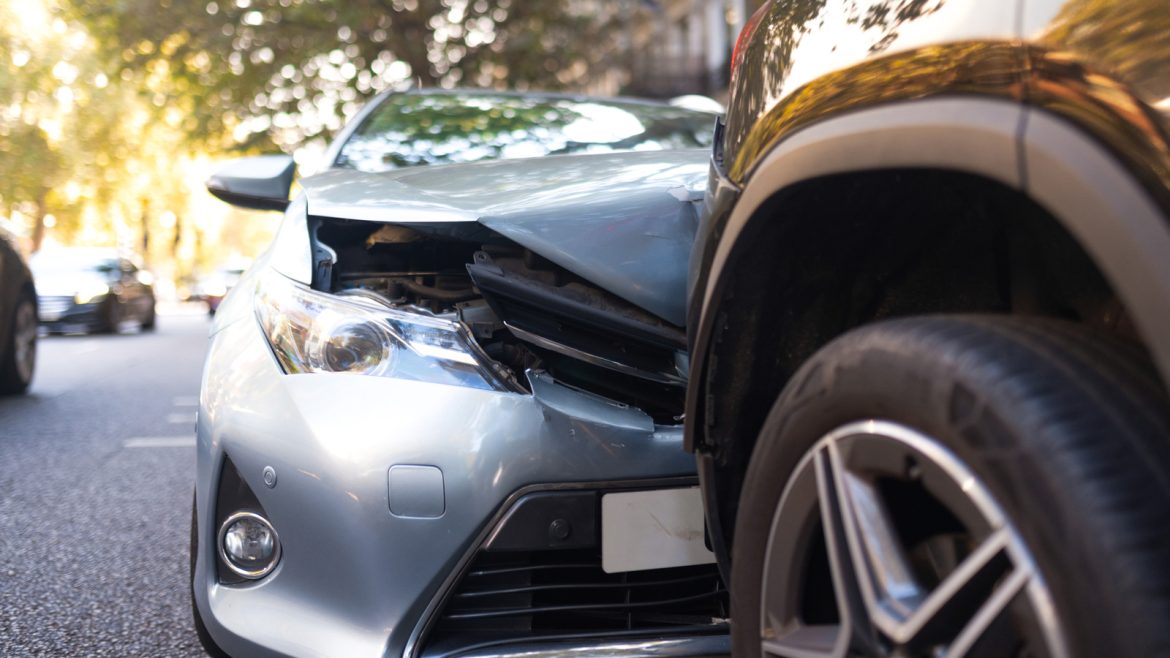
Car accidents and collisions happen. It’s an unfortunate reality of driving. In fact, the National Highway Traffic Safety Administration (NHTSA) estimated the number of car crashes in 2023 at over 6.1 million. While that was a decrease from the previous year, it’s a sobering glimpse into the frequency of car crashes here in the United States. Those crazy collision numbers mean auto insurance claims. Millions of auto insurance claims every year in the U.S.
You are required by law to carry some form of auto insurance in every state, with a few notable exceptions. Take America’s Last Frontier, for instance. In some remote parts of Alaska, where vehicle registration isn’t required, car insurance is optional. But not across the entire state. And New Hampshire doesn’t require motorists to carry car insurance, although drivers must be able to prove they have enough money to take financial responsibility if they cause a crash.
So unless you’re a qualifying motorist in New Hampshire or live in the wilds of Alaska, there’s a good chance you’ll find yourself making an auto insurance claim at some point. And there are a few things you’re going to want to keep in mind — and out of the conversation — when making your claim, even with the best of car insurance companies. Things like apologizing for a crash or nervously speculating about the details of what happened can land you in hot water.
Keep it short, simple, and mind what you say when filing an insurance claim
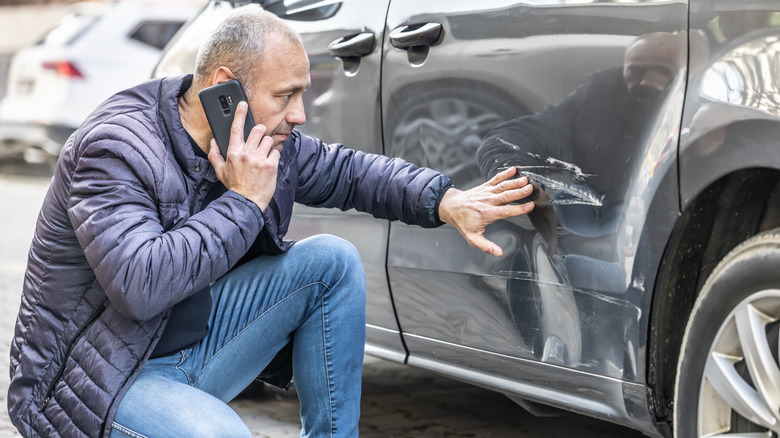
Let’s say you’re in a car crash. There’s another vehicle involved. It sucks, but there are a few things you’re going to want to do before you lament your situation. For starters, remain calm and check for injuries (you and your passengers). After you make sure you’re not in any danger from traffic, call the police, go full-on shutterbug (take pictures of every vehicle involved in the wreck), and exchange insurance information with involved motorists, it’s time to talk to your insurance company.
That said, there are a few things you’re not going to want to say to your auto insurance adjuster. Feeling the urge to apologize? Don’t. People often use an “anxious sorry” to respond to tense situations, like, you know, a post-crash conversation with an adjuster. Now is not the time to nervously fire off an apology. Saying something like “It was my fault” or “I didn’t see them coming” could place the blame on you.
Steer clear of speculation. Not sure how fast you were going? Don’t make up a number. If you tell an adjuster that you were traveling at 45 mph when in fact you were cruising at 51 mph, they can call your claim’s credibility into question. Hell, even a speeding ticket can raise your rates, so a crash where you were speeding is bad news. Don’t speculate when “I’m not sure” or “I don’t know” will suffice.
On that note, insurance companies might want to record you during a claim call. You might want to respectfully decline that request. A recorded statement can hurt your claim, even if you feel like what you’ve said is innocuous.
Do yourself (and your insurance provider) a favor
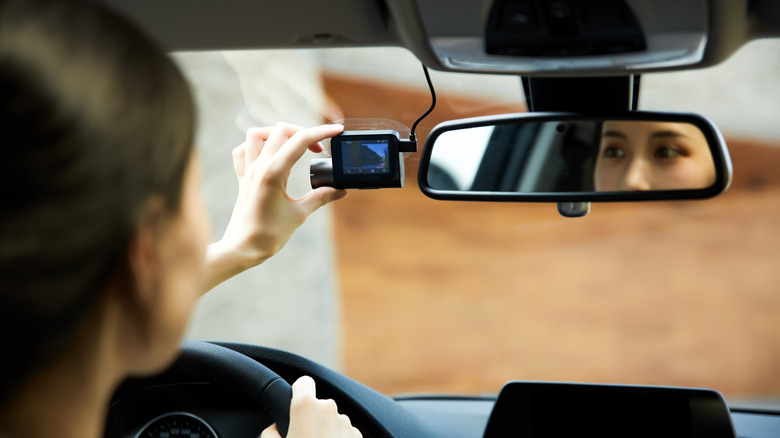
If you’re not careful with what you say (and how you say it), you could be looking at being found at fault, even if you didn’t cause the wreck. And what does being at fault for a crash mean? Well, your insurance rates might climb after your policy renews. Not great. So in addition to minding what you say, you might want to consider adding a dash or windshield-mounted camera to your daily driver to help add credibility to an insurance claim.
Let’s talk about dashcams. While not every cheap Amazon dashcam will serve you well, having a dashcam recording available for an insurance claim can provide vital evidence in determining the specifics of a wreck. Granted, simply having a dashcam likely isn’t going to save you any money on your premiums. However, your dashcam footage can confirm details like your rate of speed, your position on the road, and the actions of other drivers, including motorists involved in your crash. In some cases, it might even help you get to the bottom of a hit-and-run by showing an offending vehicle’s make, model, and license plate.
Of course, your dashcam can also prove that you were driving like a jerk. Or driving distracted. Police can even seize your dashcam if they pull you over for a traffic offense like driving under the influence (DUI) and use your footage in a case against you. So, you know, drive smart.
