
Published on
June 12, 2026

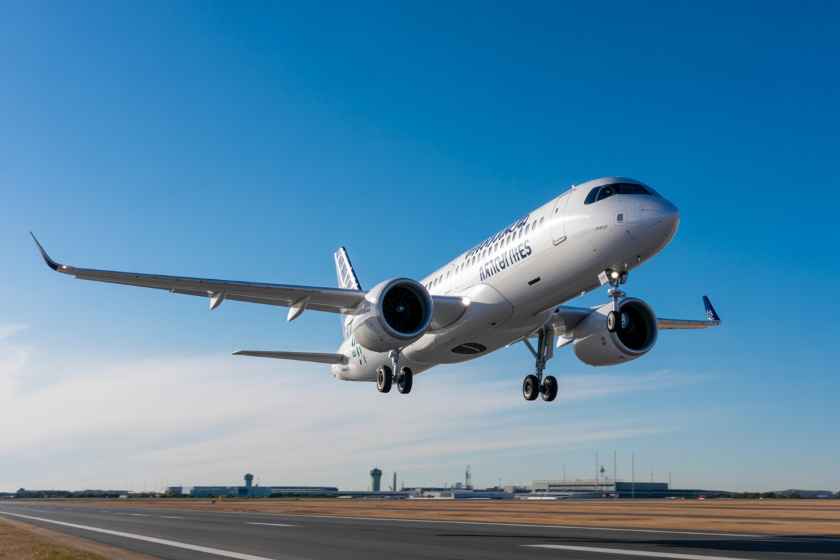
Image generated with Ai
EgyptAir’s transition away from the Airbus A220 has officially reached its final chapter, closing one of the aviation industry’s most closely watched fleet redistribution projects. The completion of the transfer marks the end of a process that began in early 2024 when aviation investment and leasing company Azorra acquired all 12 Airbus A220-300 aircraft previously operated by EgyptAir.
The final aircraft from the fleet has now been delivered, completing a transaction that has attracted significant attention across the global aviation sector. Beyond a simple aircraft sale, the deal has become a case study in how airlines, lessors, and aviation investors are responding to persistent aircraft shortages, supply chain constraints, and strong post-pandemic demand for capacity.
For airlines seeking rapid fleet growth, the transaction demonstrates the increasing value of young, available aircraft in a market where delivery timelines for new jets continue to stretch years into the future.
Why EgyptAir Sold Its Airbus A220 Fleet
The origins of the transaction trace back to EgyptAir’s broader fleet modernization strategy.
Advertisement
Advertisement
The carrier had been gradually shifting its long-term focus toward larger aircraft capable of supporting network expansion and long-haul growth objectives. As part of this strategy, the airline moved toward aircraft such as the Airbus A350, which offers greater capacity and operational flexibility on international routes.
The sale of the Airbus A220 fleet provided an opportunity to streamline operations while supporting future fleet planning goals.
Advertisement
Advertisement
For EgyptAir, the transaction aligned with efforts to optimize fleet composition around aircraft better suited to the airline’s evolving route network and strategic ambitions.
The result was the sale of all 12 Airbus A220-300 aircraft to Azorra in February 2024.
Azorra Executes a Multi-Layered Aviation Strategy
Rather than placing all aircraft with a single operator, Azorra adopted a diversified redistribution approach.
The company recognized that demand for relatively young, well-maintained aircraft remained exceptionally strong across the industry.
Global supply chain disruptions continue affecting both Airbus and Boeing production schedules. Airlines seeking immediate growth opportunities frequently face delays when attempting to secure new aircraft directly from manufacturers.
This environment created a unique opportunity.
Advertisement
Advertisement
By acquiring aircraft that were already operational and relatively young, Azorra was able to reposition assets quickly into markets where demand significantly exceeded available supply.
The strategy has since been widely cited as an example of innovative aircraft asset management during a period of constrained fleet availability.
Breeze Airways Emerges as the Biggest Beneficiary
The largest beneficiary of the redistribution was Breeze Airways.
Seven of the twelve Airbus A220 aircraft ultimately joined the airline’s fleet, including the final aircraft delivered under the agreement.
The additional aircraft strengthen Breeze Airways’ position in the growing Airbus A220 market and support the carrier’s ongoing network expansion plans.
The acquisition has elevated Breeze Airways to become one of the world’s largest Airbus A220 operators.
Advertisement
Advertisement
For a carrier focused on underserved routes and medium-haul connectivity, access to additional A220 capacity provides valuable operational flexibility during a period of continued passenger demand growth.
The aircraft’s efficiency, range capabilities, and passenger comfort have made it increasingly attractive for airlines seeking modern narrowbody solutions.
Cyprus Airways Adds Capacity
Not all aircraft remained in North America.
One aircraft from the former EgyptAir fleet was placed with Cyprus Airways, providing additional capacity for the Mediterranean carrier.
For regional airlines, obtaining relatively young aircraft can be challenging in the current market environment.
Aircraft availability remains limited, making opportunities to secure operationally ready assets particularly valuable.
Advertisement
Advertisement
The addition supports Cyprus Airways’ fleet development while allowing the carrier to benefit from an aircraft type already established within international airline operations.
Delta Uses Aircraft for Parts and Engine Support
Perhaps the most unusual aspect of the transaction involved the remaining four aircraft.
Rather than returning them to passenger service, the airframes were allocated to Delta Air Lines through its technical operations and spares division.
The aircraft are being utilized primarily as sources of components and Pratt & Whitney GTF engines.
This reflects a broader industry challenge currently affecting airlines worldwide.
Supply chain disruptions have made it increasingly difficult to secure replacement parts and engines within desired timeframes. Airlines and maintenance providers have therefore explored alternative approaches to maintaining fleet reliability.
Advertisement
Advertisement
Using existing airframes as component sources provides a practical solution for supporting operational fleets while reducing exposure to parts shortages.
The Global Aircraft Supply Challenge
The significance of the Azorra transaction extends beyond the aircraft themselves.
The aviation industry continues facing substantial supply chain pressures affecting aircraft deliveries, engine maintenance, component availability, and fleet expansion plans.
Manufacturers have struggled to fully restore production capacity following disruptions experienced in recent years.
As a result, airlines often encounter extended waiting periods when ordering new aircraft.
This environment has dramatically increased demand for available aircraft that can enter service quickly.
Advertisement
Advertisement
Young aircraft with modern engines, established maintenance records, and proven operational performance have become particularly attractive assets.
The former EgyptAir A220 fleet met all of those criteria.
Why the Airbus A220 Remains in High Demand
The Airbus A220 has emerged as one of the most sought-after aircraft categories in commercial aviation.
Designed to serve short- and medium-haul markets efficiently, the aircraft offers airlines a combination of lower fuel consumption, operational flexibility, and strong passenger appeal.
Carriers increasingly use the aircraft to open new routes, replace older fleets, and expand into underserved markets.
Its popularity has grown substantially as airlines seek more efficient operations while maintaining network flexibility.
Advertisement
Advertisement
The demand seen in the EgyptAir-Azorra transaction reflects broader industry confidence in the aircraft’s long-term value.
Conclusion
The completion of Azorra’s redistribution of EgyptAir’s Airbus A220 fleet marks the end of one of the aviation sector’s most creative fleet transactions in recent years. Seven aircraft found new homes with Breeze Airways, one joined Cyprus Airways, and four were repurposed to support Delta Air Lines’ technical operations and global parts requirements.
The deal highlights how airlines and lessors are adapting to persistent supply chain challenges, delayed aircraft deliveries, and growing demand for operational capacity. As manufacturers continue working through production constraints, transactions involving available, well-maintained aircraft are becoming increasingly important. The success of the EgyptAir-Azorra arrangement demonstrates how innovative fleet management strategies can create value for airlines, investors, and the broader aviation ecosystem while addressing some of the industry’s most pressing operational challenges.

Advertisement
Advertisement

