

As flight disruptions, geopolitical uncertainty and softer leisure demand weigh on parts of the hospitality sector, destination weddings are emerging as one of the industry’s strongest growth engines. Hotel chains, boutique resorts and wedding specialists say the segment is not only driving occupancy and food-and-beverage revenues but is increasingly shaping investment and expansion strategies.
For an industry navigating fluctuating travel demand, weddings are proving to be remarkably resilient.
Unlike leisure travel, which is often discretionary and vulnerable to economic or geopolitical shocks, weddings are tied to life events that are difficult to postpone. As a result, many hotel operators are seeing wedding-led demand help offset weakness in other segments.
The trend is particularly visible in India’s growing destination wedding market, where demand continues to expand beyond traditional hubs and into emerging locations.
A Resilient Demand Driver
Industry executives argue that weddings occupy a unique position within hospitality because demand is driven by personal milestones rather than travel trends.
“Weddings are tied to a life event, not a travel trend, which makes them far more resilient than leisure travel,” says Rohit Sethi, Founder of Seclude Hotels. “Families may adjust budgets or guest lists, but the celebration itself rarely gets postponed.”
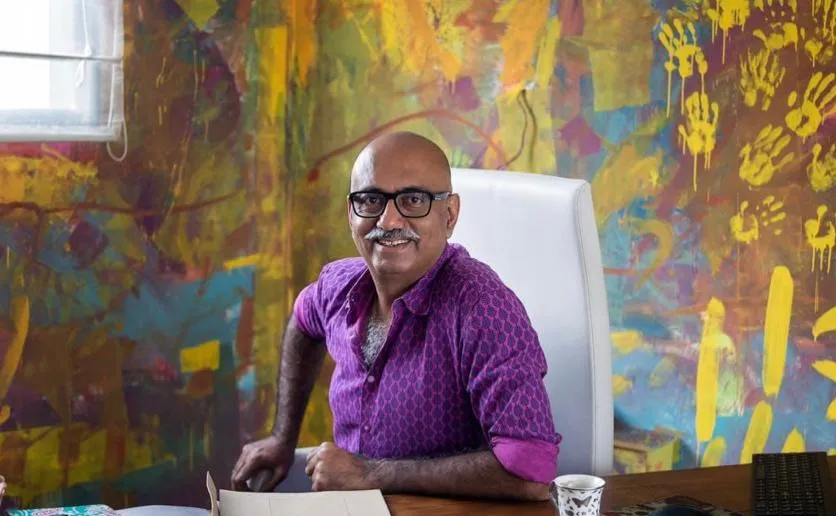
According to Sethi, the shift toward smaller, experience-led weddings that accelerated after the pandemic has created new opportunities for boutique hospitality brands.
“We’re seeing couples move away from large banquet-style functions towards more intimate destination weddings. Boutique resorts have benefited because they offer privacy, exclusivity and the opportunity to bring friends and family together for several days rather than a single evening,” he says.
The result is that weddings have become one of the most dependable demand generators for many hospitality businesses, even during periods of uncertainty.
Revenue Contribution on the Rise
For larger hotel chains, the financial contribution from weddings is becoming increasingly significant.
Jatin Khanna, CEO of Sarovar Hotels, says weddings accounted for nearly 16 per cent of the group’s overall food and beverage revenue in the first five months of 2026, up from 12 per cent during the same period last year.
The increase has been accompanied by higher guest spending.

“We are seeing average per-cover revenues rise by around 8 per cent as couples invest more in curated experiences, personalised celebrations and premium hospitality offerings,” Khanna says.
Within the Sarovar portfolio, premium properties operating under the Sarovar Premiere brand continue to lead wedding demand, while Sarovar Portico contributes significantly through inventory-led demand across multiple destinations. The group’s international brand, Golden Tulip, now accounts for nearly one-fifth of its wedding revenue.
The impact extends beyond banquet bookings. Wedding guests often stay multiple nights, consume additional food and beverage services and participate in associated events before and after the main ceremony, creating incremental revenue streams for hotels.
From Venue Providers to Event Partners
The growth of the wedding market is also changing the role hotels play in the celebration ecosystem.
According to Sethi, couples increasingly expect venues to manage far more than accommodation and banquet facilities.
“Couples expect support across guest logistics, menu planning, décor and entertainment,” he says. “Dedicated guest relations teams are often doubling up as wedding planners and coordinators.”
This shift reflects broader consumer expectations. Wedding hosts increasingly seek end-to-end solutions rather than coordinating multiple vendors independently.
At Seclude Hotels, wedding celebrations have been hosted across diverse locations, including a tea estate in Palampur, Marari Beach and a heritage property in Thrissur, highlighting growing demand for distinctive and destination-led experiences.
Destination Weddings Move Mainstream
The destination wedding market itself is evolving.
According to Parthip Thyagarajan, Co-founder and CEO of WeddingSutra.com, destination-style celebrations are no longer limited to weddings held far from home.
“Hometown weddings are increasingly adopting a destination-wedding flavour,” he says.
Among affluent families, booking entire hotel inventories has become increasingly common.
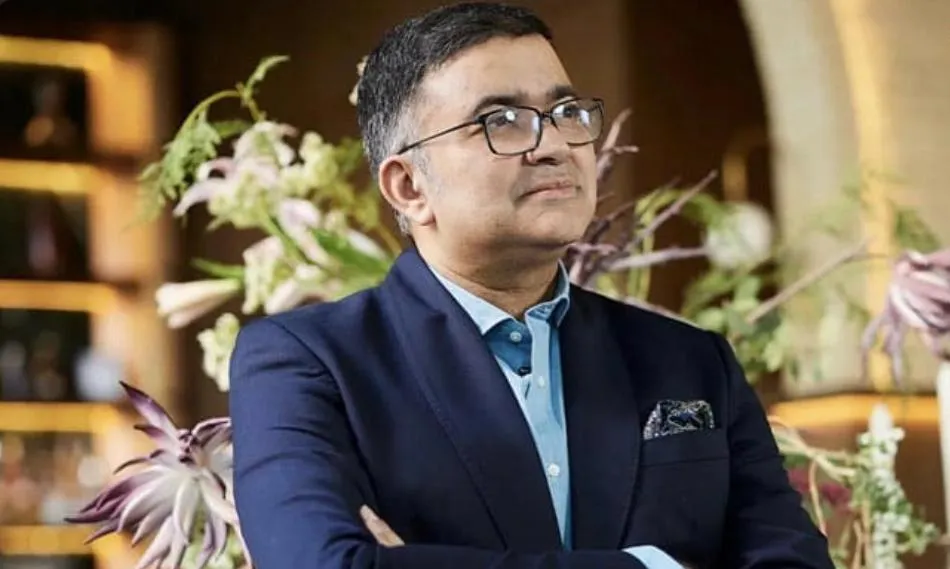
“HNIs don’t just book a venue anymore. Even if the venue is ten minutes from home, they often reserve between 50 and 200 rooms at the property so guests can stay together and attend all functions comfortably,” Thyagarajan explains.
Social media has further amplified spending patterns.
“If families cut spending on jewellery or travel, they often compensate by increasing expenditure on food and décor,” he says. “Décor spending, in particular, has risen significantly because wedding visuals remain part of the family’s memories and social media presence for years.”
Weddings Overtaking Corporate Events
One of the most significant shifts is the changing revenue mix at hotels.
“There was a time when weddings were secondary to corporate events in terms of revenue generation,” says Thyagarajan. “Today, for many hotels, wedding revenues have surpassed those from Corporate MICE.”
The trend is especially visible at large-format hotels with more than 200 rooms, where substantial guest accommodation requirements make weddings particularly lucrative.
Historically, families requiring 250 to 300 rooms often looked to destinations in the Gulf. However, changing market dynamics are creating new opportunities for Indian hospitality operators.
According to Thyagarajan, slower wedding activity in parts of the Gulf and continuing uncertainty are encouraging more families to consider Indian destinations instead.
Luxury properties in Jaipur, Udaipur, Bengaluru, Dehradun, Mumbai and Lonavala are among those benefiting from this shift.
New Destinations Gain Ground
While established wedding destinations such as Goa and Rajasthan continue to dominate demand, operators report growing interest in newer locations.
Khanna points to destinations such as Chitwan, Pilibhit, Sindhudurg, Mathura and Vrindavan as emerging wedding markets. Recent additions to Sarovar’s portfolio in Kota, Bhubaneswar and Alwar are also strengthening its wedding offering.
At the same time, proximity is becoming an increasingly important factor.
According to Thyagarajan, affluent families are showing growing interest in drive-to destinations near major metropolitan centres. Locations such as Karjat, Lonavala and Alibaug near Mumbai, Mahabalipuram near Chennai and Coorg near Bengaluru are attracting wedding business from families seeking destination experiences without the complexity of air travel.
A Buffer Against Travel Uncertainty
While weddings alone may not fully compensate for weakness across other travel segments, industry stakeholders agree that they are providing an important cushion.
For many hotel operators, wedding demand is supporting occupancy levels, boosting food and beverage revenues and generating higher guest spend at a time when parts of the travel market remain unpredictable.
As destination weddings continue to expand beyond traditional luxury venues and into a broader range of properties and locations, they are increasingly becoming a strategic business segment rather than a seasonal opportunity.
For an industry navigating uncertainty, that resilience is proving valuable. The question is no longer whether weddings matter to hospitality revenues, but how central they will become to future growth strategies.
