
For many soon-to-be-married couples, wedding planning now starts with discount platforms, secondhand apps, chatbots
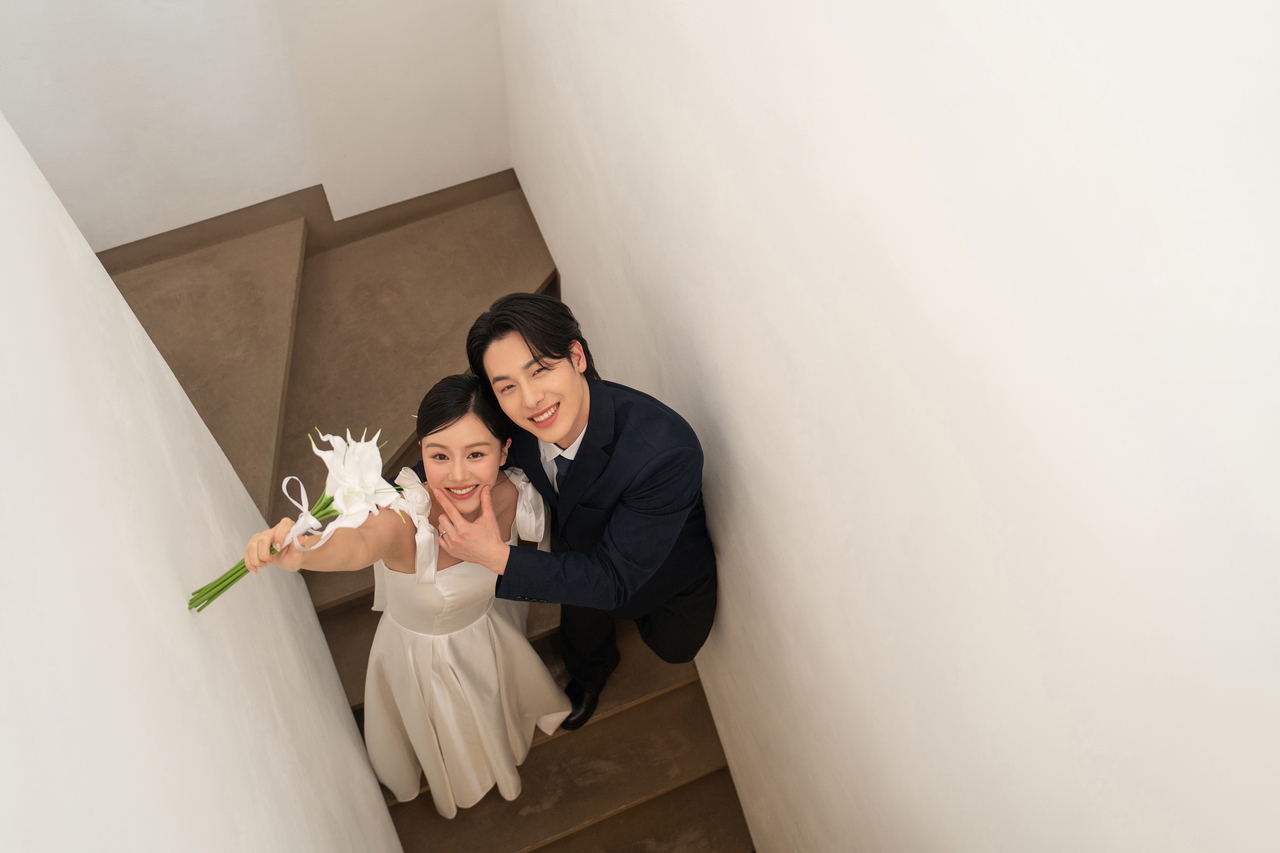
Wedding planning in South Korea comes with its own notorious ritual: A bundled package of studio photography, dress rentals and professional makeup known as “sudeume” in Korean.
It means dealing with a sprawling network of planners, venues and vendors while paying hefty upfront costs. Yet today, a growing number of young Koreans are taking a DIY approach, cutting costs on what many deem an overpriced tradition.
A 2025 survey by Embrain found that nearly 70 percent of unmarried adults aged 19 to 49 in the Seoul metropolitan area considered spending heavily on weddings — including luxury venues and “sudeume” packages — to be wasteful.
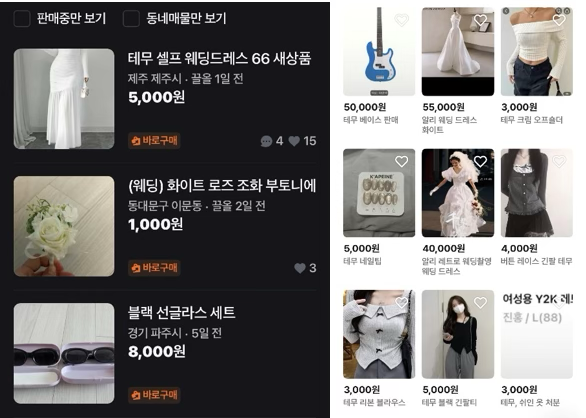
As more couples take a hands-on approach to wedding planning, many are turning to budget-friendly marketplaces, including Temu, a Chinese shopping platform known for bargain-priced products.
Wedding dresses, veils, artificial bouquets and photography accessories are now widely available online at a fraction of the traditional cost.
One recently married couple in their 30s paid for only a handful of professional services, taking on much of the planning themselves. They skipped the studio shoot entirely, photographing and editing the images on their own, a decision that alone saved roughly 3 million won ($2,000), they said.
Rather than renting a single gown, they turned to Temu and purchased several inexpensive dresses instead. While bridal shops typically charge between 800,000 won and 1.2 million won to rent a single dress, the couple spent about 180,000 won on multiple outfits, giving them room to experiment with different concepts and locations.
“The quality was better than expected for the price,” the bride said. “There were no major issues, even for outdoor shoots.”
Another couple who purchased veils, artificial bouquets and accessories through e-commerce platforms said they were pleased with the results.
“We were able to create a photoshoot that reflected our own style at a reasonable cost,” they said.
Temu has not been shy about capitalizing on the trend. The company said it is partnering with Korean testing and certification bodies, including FITI and KOTITI Testing & Research Institutes, to bolster product safety and regulatory compliance.
According to the Korea Consumer Agency, the average cost of basic wedding services reached 21.39 million won as of February, up 2.3 percent from December.
A separate survey by matchmaking company Duo found that the average cost of getting married — including gifts, jewelry and a honeymoon but excluding housing — totaled 59.12 million won.
“Rather than spending heavily on elaborate pre-wedding rituals, many of my friends, including myself, prefer to direct our budgets toward housing, travel or future savings,” said Lee, a 30-something office worker who married in April.
The shift is showing up in Korea’s resale market too.
Transactions involving wedding photography props on Karrot, the nation’s largest secondhand marketplace app, surged 559 percent in the three months through May from a year earlier, with sales of bouquets, veils, boutonnieres, tiaras, wedding dresses and tuxedos all rising sharply.
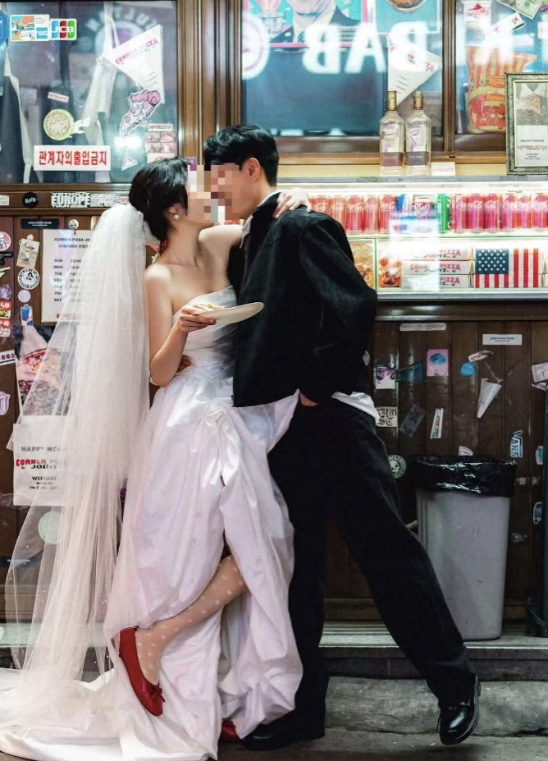
Technology is also lowering barriers for young couples, as generative artificial intelligence can perform many tasks once outsourced to wedding agencies.
Couples are using the technology to compare service estimates from different providers, review contracts for hidden fees, choose dress styles before paying for fittings and generate personalized invitation messages.
The appeal is practical: AI tools don’t charge by the hour, don’t upsell and are available anytime.
“Consumers are increasingly researching options and making decisions on their own,” one industry official said. “Generative AI is making it easier for couples to plan weddings their own way while keeping costs down.”
The industry is adapting to the trend. WeddingBook, a Korean wedding-planning platform, has launched an AI-powered planner that helps users search for venues, compare options and navigate the booking process using real-time data, bringing the functionality of a human coordinator into a single app.
“Planning a wedding is a process that requires significant time and energy,” a company official said. “We are entering an era in which AI can help reduce that burden and make it easier for couples to make decisions.”
Some Industry officials say opaque pricing in the wedding industry has prompted more couples to handle wedding planning themselves.
According to the Korea Consumer Agency, wedding service dispute mediation requests rose 18.9 percent on-year last year to 1,076 cases, with more than 88 percent involving cancellation fees, refunds or additional charges that consumers said were not clearly disclosed.
South Korea’s Fair Trade Commission now requires wedding venues and planners to disclose detailed prices, add-ons and cancellation penalties, with violators facing fines of up to 100 million won.
minmin@heraldcorp.com
