
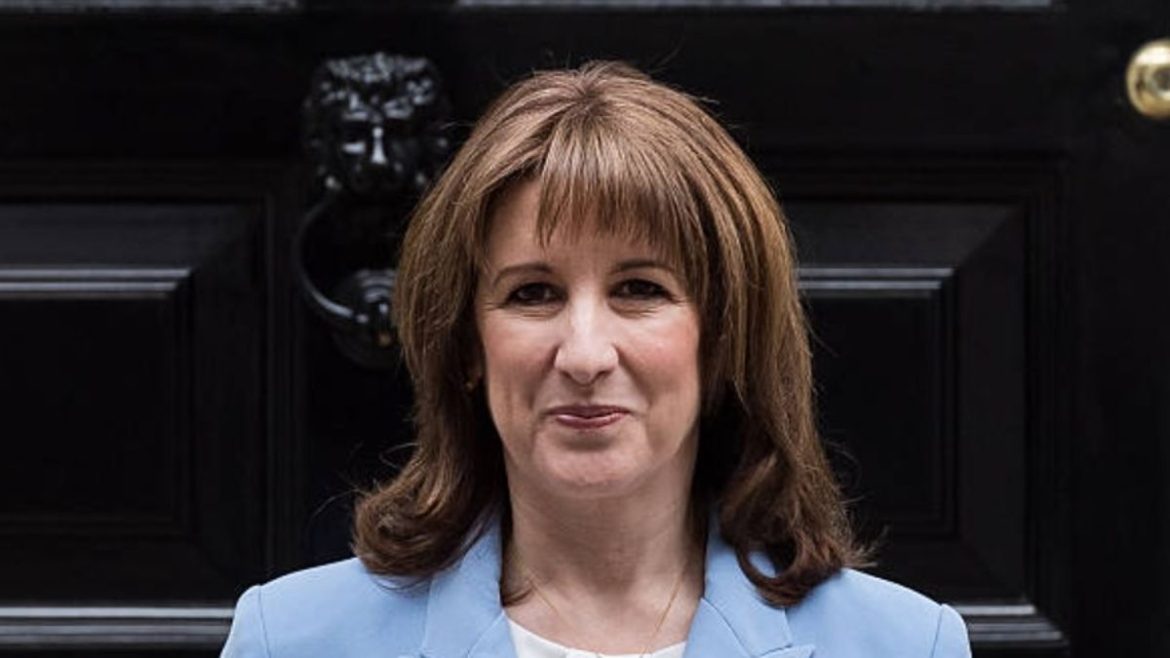
Government is introducing a pay-per-mile road charge for electric and plug-in hybrid cars from April 2028.

Rachel Reeves pay-per-mile car tax backfires as drivers admit to fraud
Rachel Reeves’ pay-per-mile car tax plan has been thrown into chaos as electric vehicle owners admit to fraud. T he Labour Party government is introducing a pay-per-mile road charge for electric and plug-in hybrid cars from April 2028.
Announced in the 2025 Autumn Budget, this is designed to recoup lost fuel duty revenue as more drivers switch to EVs. But analysis shows that around three per cent of electric cars across the country have had their mileage readings altered.
That is more than petrol, diesel and hybrid models. Research shows 2.3 per cent of UK vehicles may show signs of mileage fraud, or “clocking”.
READ MORE MOT warning for popular car which has just 71 per cent pass rate
It stated: “The Government recognises that the introduction of eVED may increase the likelihood of motorists choosing to clock their vehicles, or allowing the odometer to be inoperative.
“Vehicle manufacturers will retain responsibility for ensuring that, as far as possible, odometers cannot be tampered with and for assisting the Government where it appears that tampering may be occurring, recognising that odometer information is often held in more than one place in a vehicle.”
Under the shake-up, EV drivers will pay 3p per mile. Plug-in hybrid drivers will pay 1.5p per mile. The system is currently under consultation, with full implementation expected in Spring 2028.
For example, if you drive an electric car 8,000 miles per year, the charge would be £240 annually. That’s still roughly half of what the average petrol car driver would pay in fuel duty for the same mileage, so EVs remain cheaper to run in most cases.
However, this calculation assumes you can charge your EV at home, where electricity is significantly cheaper. If you rely mainly on public charging networks, these new per-mile costs could make an EV slightly less attractive financially.
Carwow advised: “From Spring 2028, you’ll also need to factor in the pay-per-mile charge (3p/mile for EVs, 1.5p/mile for plug-in hybrids).
“Even with these changes, electric cars still generally pay less than most petrol or diesel cars. They remain cheaper to run overall, with additional tax benefits if you use one as a company car.”
