
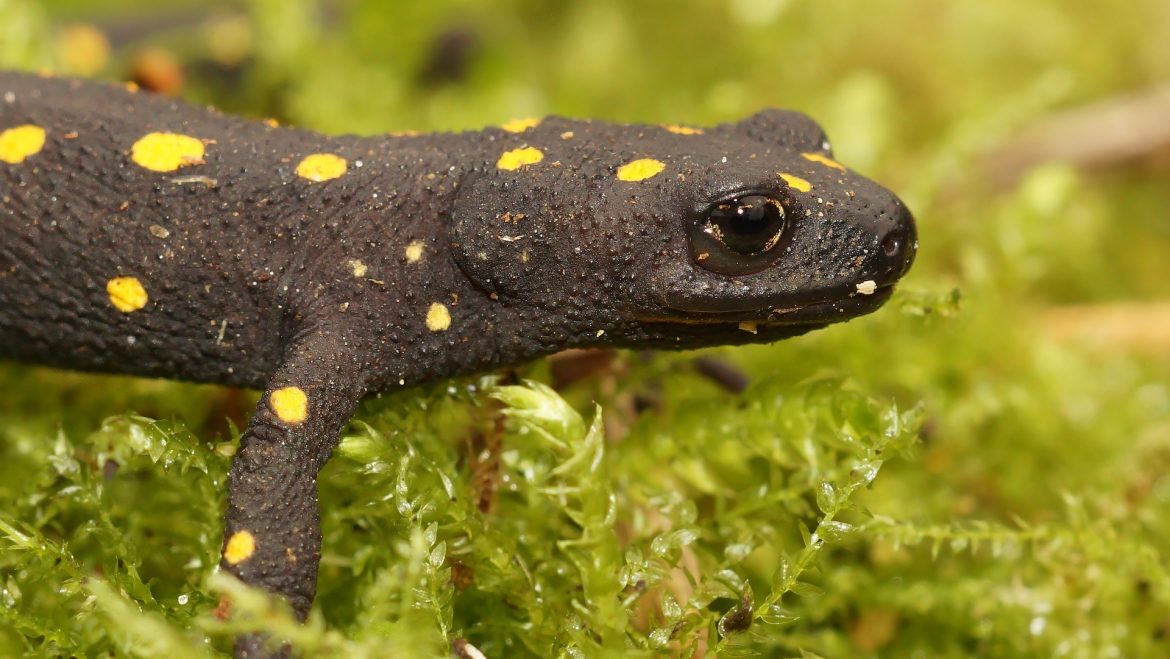
A wildlife investigation in Washington has uncovered a troubling mix of illegal pet trafficking and disease risk.
Washington state wildlife authorities seized 16 illegal newts from a Whatcom County man over concerns the amphibians may be carrying a potentially deadly pathogen, KOMO News reported.
The Washington Department of Fish and Wildlife said its police division sent charges to the Whatcom County Prosecutor’s Office after 16 Anatolia and marbled newts were recovered from an Everson resident.
Washington law bars possession, introduction, or trafficking of the two species without authorization, as these aquatic animals pose considerable risk to native species in Washington, per a WDFW statement.
This seizure wasn’t just about controlling a potential spread of invasive species; it’s also linked to a broader disease threat moving through the U.S. pet trade.
WDFW stated the investigation began late last year after officials became aware of a disease in the U.S. pet trade that may be transmissible among amphibians.
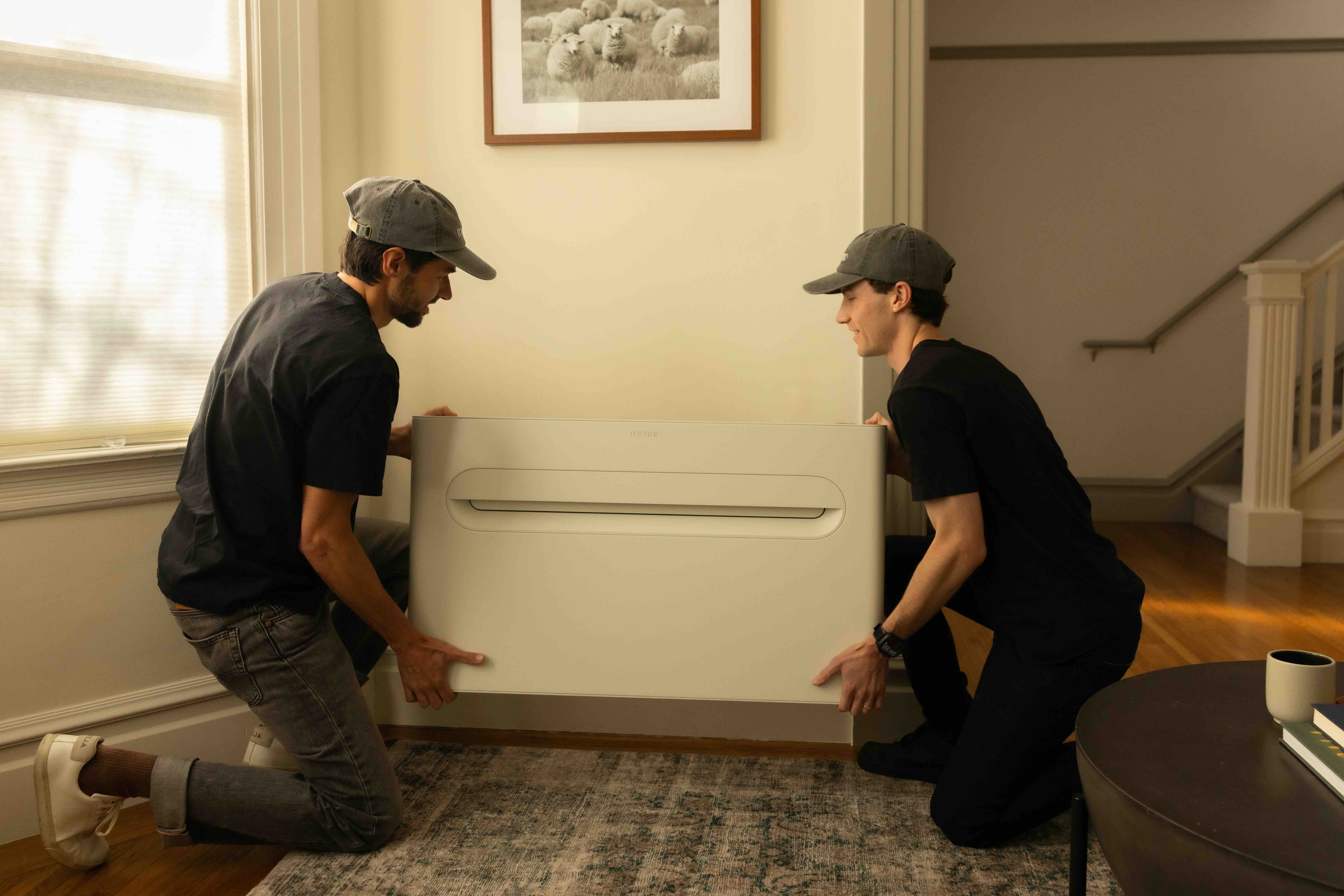 The Merino Mono is a heating and cooling system designed for the rooms traditional HVAC can’t reach. The streamlined design eliminates clunky outdoor units, installs in under an hour, and plugs into a standard 120V outlet — no expensive electrical upgrades required.
And while a traditional “mini-split” system can get pricey fast, the Merino Mono comes with a flat-rate price — with hardware and professional installation included.
|
A Boston amphibian dealer and breeder had unlawfully imported federally banned species from Europe that carried an unknown pathogen or virus, according to the U.S. Fish and Wildlife Service. The pathogens can be transmitted through direct contact and contaminated environments, bringing significant mortality and risk for native species.
WDFW stated that the Boston trafficker’s facility contained roughly 300 to 500 exposed amphibians and reptiles, and that animals from the operation were shipped to breeders and buyers nationwide, including one in Washington state, KOMO News reported.
Federal and state agencies then traced the trail.
USFWS worked with Massachusetts officials to quarantine the facility affiliated with the University of Massachusetts.
WDFW Police later identified the Washington buyer and secured multiple search warrants for shipment records, which helped investigators find the 16 prohibited newts.
Cases like this are about more than an unusual exotic pet bust. Native amphibians play an important role in healthy ecosystems, and disease outbreaks tied to wildlife trafficking can ripple through wetlands, food webs, and outdoor spaces people rely on and enjoy.
When invasive species and new diseases slip through the cracks, they can create costly cleanup problems and undermine progress toward healthier, more resilient environments.
WDFW said the breeder was charged with two counts of unlawful use of invasive species in the second degree, which is a gross misdemeanor. If convicted, the charges could bring a maximum sentence of up to one year in jail and/or a fine of not more than $5,000 on each count.
Justin Bush, manager of WDFW’s Aquatic Invasive Species Division, told the Bellingham Herald that the state and federal investigation stopped a potential environmental catastrophe.
“If introduced to the wild, either could have caused severe ecological damage and triggered costly long-term management efforts. This case underscores the importance of early detection and rapid response,” Bush said, per the Bellingham Herald.
Get TCD’s free newsletters for easy tips, smart advice, and a chance to earn $5,000 toward home upgrades. To see more stories like this one, change your Google preferences here.

