
We may receive a commission on purchases made from links.
The era of technology has given us a lot of conveniences in the kitchen: smart appliances, electric kettles, coffee machines with countless brewing options, and more. You’d think our kitchens would all be operating on high tech by now, but curiously, there are many vintage items we keep holding on to, preferring them over their modern versions.
Some old-school kitchen tools never needed an upgrade to begin with. Companies approach us with the idea of faster, more convenient gadgets, but that often means using something more complicated; extra buttons, extra settings, longer instruction manuals, and new ways for the appliance to malfunction. The price is another issue, as high-tech appliances tend to cost an arm and a leg.
There’s no need to fix what’s not broken, as the saying goes. Certain vintage kitchen gadgets are still the preferred choice in modern households because, put simply, they work. Back in the day, things were made to last longer, so vintage items tend to stand the test of time — many are even passed down through generations, which is something you’re not likely to ever see with a smart toaster. Below, you can find a roundup of 13 kitchen items that are much beloved in American households, despite dating back several decades (and, in some cases, even centuries).
Stovetop tea kettle
Tea kettles have been part of people’s daily routines for thousands of years. Even when the electric kettle was invented in the late 19th century, the stovetop kettle persevered. Later, in the mid-1920s, the whistling kettle became particularly popular. Today, retro-looking kettles are not cheap, a testament to their unwavering popularity. For example, a Smeg Stovetop Whistling Kettle costs $180.
Copper cookware
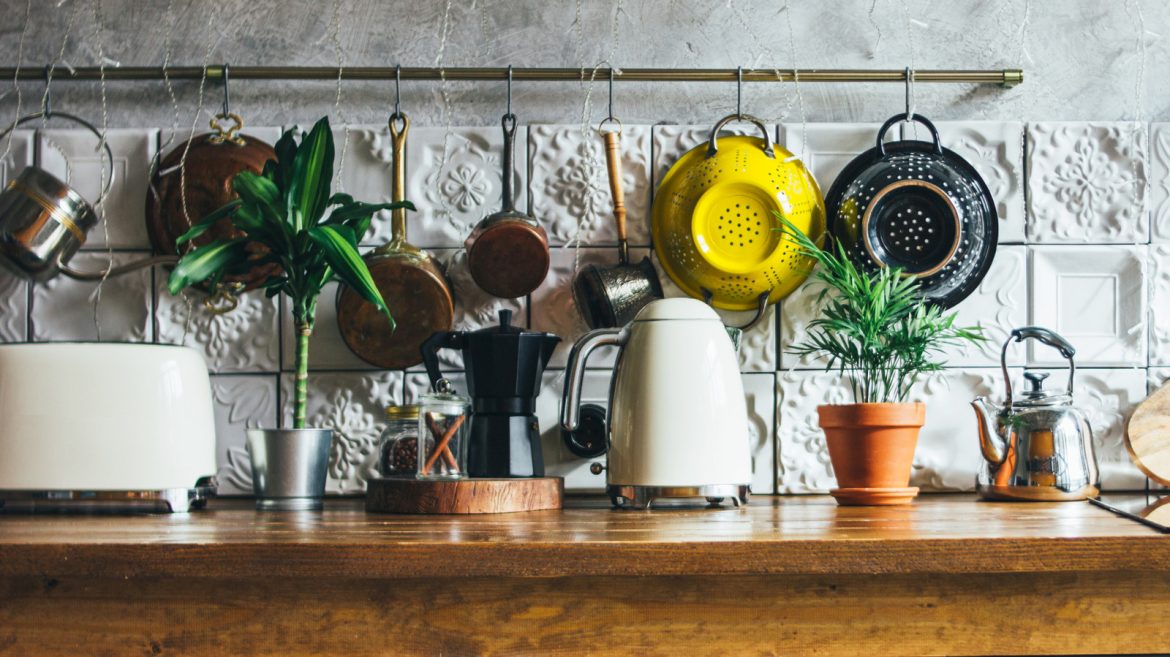
Copper cookware has stood the test of time because of the way it conducts heat. Its ability to quickly heat up and cool down has made it a favorite in professional kitchens. Copper pots and pans have been considered a luxury kitchen item since the 19th century, and even today, a set of authentic copper cookware can easily cost you upwards of $1,000, making them a vintage kitchen tool that’s worth a fortune.
Wood pepper mill
Although the pepper mill was invented in 1842, it didn’t really catch on in the U.S. until the 1950s. Once pepper mills became a staple in nearly every diner and restaurant, guests started stealing them, so some eateries switched to massive pepper mills that were only used by the waiters. To this day, fancier restaurants make a show of grinding pepper directly onto your food using the trusted wooden mill.
Mortar and pestle
Most of the things you can do with a mortar and pestle can be done in the modern food processor, so how come this old-fashioned item is still so widely used? Known for thousands of years and used in different cultures, perhaps the charm of the mortar and pestle lies in the way it makes us feel when we use it: connected to the food we’re grinding and the ancestors that did the same thing long before us.
Bread box
Nowadays, bread is mostly stored in plastic bags to keep it fresh, but a few decades ago, bread boxes were all the rage. They were both functional and aesthetic, keeping the bread fresh for several days while looking beautiful on the counter. While less popular today, vintage bread boxes (especially those made with enamel) can still be found in many modern kitchens. Those who have them swear they keep the bread fresh longer than any other method.
Butter bell
A butter bell, also called a butter crock or a French butter dish, is a handy tool that keeps butter soft and fresh while on the countertop, without any need to keep it in the fridge. It uses water to create an airtight seal, preventing spoilage. In the United States, butter bells became immensely popular in the ’70s, and they remain beloved by those who want soft, spreadable butter on their toast first thing in the morning.
Wooden cooking utensils
Cooking utensils are frequently made from many materials, including aluminum, stainless steel, and silicone, but wood remains a consistent choice in modern kitchens. The biggest appeal of wood is, undoubtedly, that it’s a natural material. With proper care, wooden cooking utensils can last a long time, giving them a special sentimental value when passed on to friends or family.
Cookbooks
In the contemporary digital era, recipes can be found all over the internet. But somehow, cookbooks remain the preferred format through which we seek culinary inspiration. They’re tactile, personal, and something you can work with even when the Wi-Fi is bad. Countless new cookbooks hit the shelves every year, though many readers still swear by culinary classics of decades past, such as Mastering the Art of French Cooking and Joy of Cooking.
Cake stand
Dating back to the Victorian era, cake stands were originally used only in high society during fancy events or for afternoon tea. Thankfully, their use later became more widespread, and isn’t reserved for the aristocracy anymore. A cake stand is the simplest way to add a touch of elegance to dessert presentation, and so it remains a favored piece at weddings, baby showers, and other celebrations.
Enamel colander
Enamel cookware came to the U.S. in the 19th century and quickly enticed customers with varying visual styles to pick from. The hype somewhat died down in the early 20th century, until enamel experienced a revival in the ’60s and ’70s. A particularly treasured piece from the era is the classic enamel colander, which many people still add to their kitchens as a way of mixing modern and vintage.
Decorative cookie jar
Quirky cookie jars became en vogue during the ’50s, and they’re still beloved decades later. Although admittedly less common, their status has now risen to one of cherished heirloom items, often with great sentimental value. Some cookie jars of bygone decades are precious collectibles worth quite a bit of money, like the famous goose kitchenware that is selling for about $90 on resale sites.
Manual coffee grinder
Modern coffee enthusiasts have electric grinders, coffee makers, capsule coffee machines, and even drive-thru coffee all at their disposal. Yet, time and time again, people opt for (or return to) the manual coffee grinder as part of their daily coffee routine. Its use has a similar appeal to many other items on this list: It’s part of a slower, hands-on ritual that some cherish all the more within the whirl of our otherwise fast-paced lives.
Fancy silverware
Silverware is surely among the fancy items your grandmother had on her dinner table. The polished cutlery was pulled out for special occasions only, and it made any event feel a tad more grand. Fancy sterling silverware is still sought-after today, despite its hefty price tag. It’s cherished not just for its elegance and luxury, but also for the vintage charm that it literally brings to the table.
