
Artificial intelligence continues to push boundaries, but a new claim from a startup called Prophetic AI is drawing both excitement and skepticism. The company says it has developed a wearable device that could allow users to influence and control their dreams—something that, until now, has largely been the subject of science fiction.
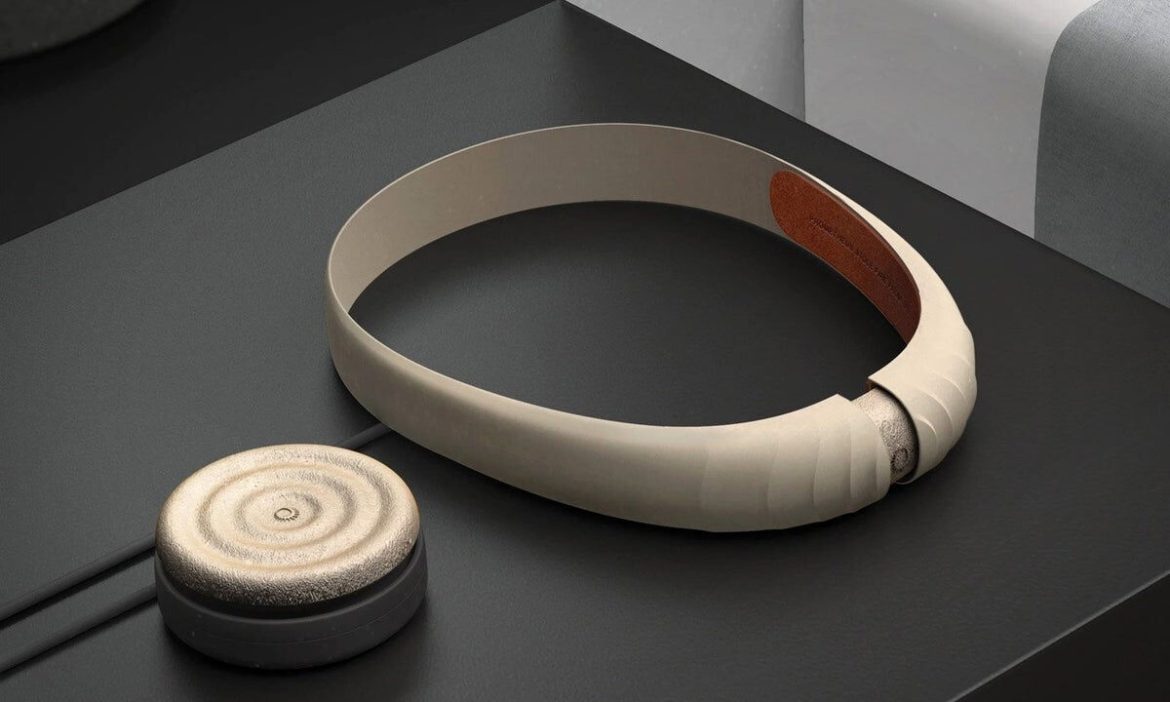
Prophetic AI recently introduced two devices, named Dual and Phase, which are designed to be worn across the head like a band. According to the company, these wearables are capable of inducing lucid dreams—a state in which a person becomes aware that they are dreaming and may even be able to guide the dream’s direction.
On its official social media channels, Prophetic AI explained the technology behind the devices. The company stated that the wearables emit safe ultrasonic energy through the forehead, targeting the prefrontal cortex. This area of the brain is associated with higher-level thinking and self-awareness. The goal is to activate the frontoparietal network, which is typically less active during dreaming, resulting in the usual lack of awareness people experience while asleep.
By stimulating this network, Prophetic claims the device can “rebalance” brain activity and gently shift dreams into a lucid state. The system also incorporates electroencephalogram (EEG) sensors to monitor brain activity in real time. These sensors help detect when the user enters REM sleep—the phase most closely associated with vivid dreaming—and allow the device to respond accordingly.
The concept relies on a method known as transcranial focused ultrasound (tFUS), combined with AI-driven targeting. In theory, this approach could not only trigger lucid dreaming but also enhance dream clarity, improve recall, and give users some degree of control over their dream experiences. However, these claims have not yet been independently verified, and experts caution that more research is needed before such technology can be considered reliable or widely effective.
Despite the uncertainty, the idea has already generated significant interest. Devices that interact directly with brain activity are an emerging area of innovation, and consumers appear increasingly curious about tools that promise to enhance mental experiences, including sleep and dreaming.
As for pricing, the entry-level model, Prophetic Dual, is listed at $449 (approximately Rs 42,300) and is expected to begin shipping later this year. The more advanced version, Prophetic Phase, is priced at $1,299 (around Rs 1,22,000) and is scheduled for release in mid-2027.
While the prospect of controlling dreams is intriguing, it remains to be seen whether Prophetic AI’s technology can deliver on its promises. For now, it represents a bold step into a new frontier where neuroscience, artificial intelligence, and consumer technology intersect.
