
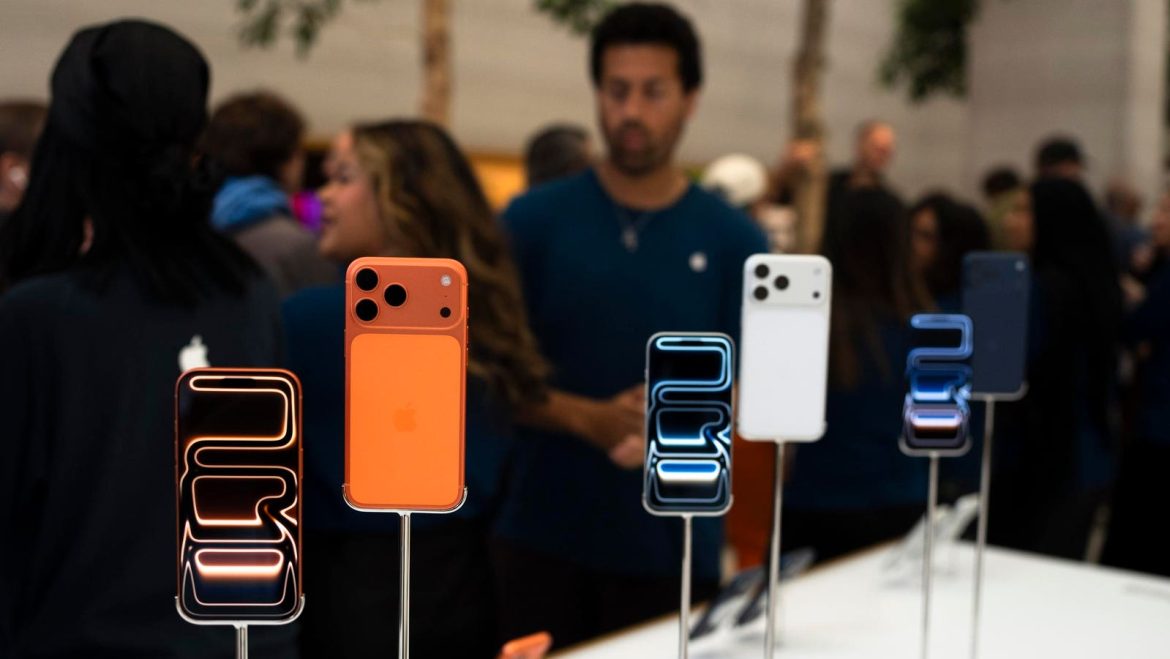
The world’s most valuable technology company is orchestrating a profound disruption of the global smartphone market. Under the aggressive leadership of new Chief Executive Officer John Ternus, Apple is deliberately fracturing the release schedule of its highly anticipated iPhone 18 lineup to manipulate consumer purchasing behavior.
Rather than deploying the traditional, unified September launch that has defined the industry for over a decade, Apple is executing a calculated logistical delay. By pushing the release of entry-level models to Spring 2027 and holding the experimental foldable device until late November, the technology giant is forcing millions of loyal consumers to either upgrade to the most expensive Pro tier immediately or endure months of technological obsolescence.
Eliminating the Baseline Option
The core of Apple’s new retail strategy revolves around the deliberate absence of the standard iPhone 18 during the crucial holiday shopping quarter. Historically, the baseline iPhone provided consumers with a relatively accessible entry point into the newest generation of hardware. Last year, the standard iPhone 17 hit the market at $799 (approximately KES 103,870), allowing budget-conscious users to participate in the annual upgrade cycle without financial ruin.
By removing the standard model from the autumn lineup, Apple effectively eliminates the default value option. Consumers determined to upgrade before the end of the year are now financially cornered, required to absorb the significantly higher cost of the iPhone 18 Pro or the iPhone 18 Pro Max. This aggressive upselling tactic is designed to dramatically inflate the average selling price and maximize profit margins during the most lucrative fiscal quarter.
Financial analysts view this maneuver as a massive flex of monopolistic power. Apple recognizes that its ecosystem is so heavily entrenched that a vast majority of users will simply absorb the increased cost rather than defect to competing Android platforms. The strategy demonstrates a supreme confidence that brand loyalty can supersede basic economic friction.
Protecting the Ultra Investment
The fractured release schedule also serves to protect Apple’s riskiest hardware venture in years: the iPhone Ultra. Priced at a staggering $2,000 (KES 260,000), the 6.9-inch foldable device represents a severe departure from the traditional smartphone form factor. By delaying the retail release of the Ultra until late November, Apple secures an uncontested two-month sales window for the iPhone 18 Pro Max.
If the iPhone 18 Pro Max and the experimental Ultra were placed on retail shelves simultaneously, the internal competition would inevitably cannibalize sales of the flagship Pro model. A two-month gap neatly answers the anxiety of early adopters; those unwilling to risk capital on a first-generation foldable device will safely purchase the Pro Max, while Apple engineers utilize the extra time to refine the complex supply chain required for the Ultra’s delicate hinge mechanisms.
- The entry-level iPhone 17 previously retailed at a baseline price of $799 (KES 103,870).
- The highly experimental iPhone Ultra foldable device commands an unprecedented price tag of $2,000 (KES 260,000).
- Delaying the standard iPhone 18 pushes the average holiday quarter selling price significantly higher by forcing upgrades to the Pro tier.
A Second Wave of Disruption
The tactical delay of the standard iPhone 18 until Spring 2027 provides Apple with a secondary mechanism for market dominance. The staggered launch effectively counters the rhythm of competing smartphone manufacturers, specifically those preparing to unveil new Android devices at the Mobile World Congress.
By launching what is technically a six-month-old hardware generation as a “new” release in the spring, Apple dominates the media cycle twice within a single fiscal year. It allows the company to aggressively capture consumers who waited out the holiday rush, completely drowning out the marketing campaigns of its international competitors.
Bridging the Global Technology Divide
For tech-savvy consumers in East Africa, Apple’s staggering pricing strategy and delayed rollout guarantee a highly volatile secondary market. In Nairobi, where the premium smartphone sector is deeply reliant on imported devices and local currency fluctuations, the absence of an accessible entry-level iPhone drastically limits options for middle-income professionals.
As the primary retail price of the Pro models continues to escalate, Kenyan consumers will likely be forced to rely on refurbished older generations or pivot toward increasingly sophisticated Android alternatives from Asian manufacturers. Apple’s aggressive upselling strategy assumes a level of disposable income that simply does not exist across vast swaths of the emerging global market.
The era of the predictable, consumer-friendly technology upgrade has officially concluded. As Apple tightens its grip on global supply chains and consumer psychology, the smartphone has evolved from a ubiquitous communication tool into an elite instrument of corporate financial engineering.
