
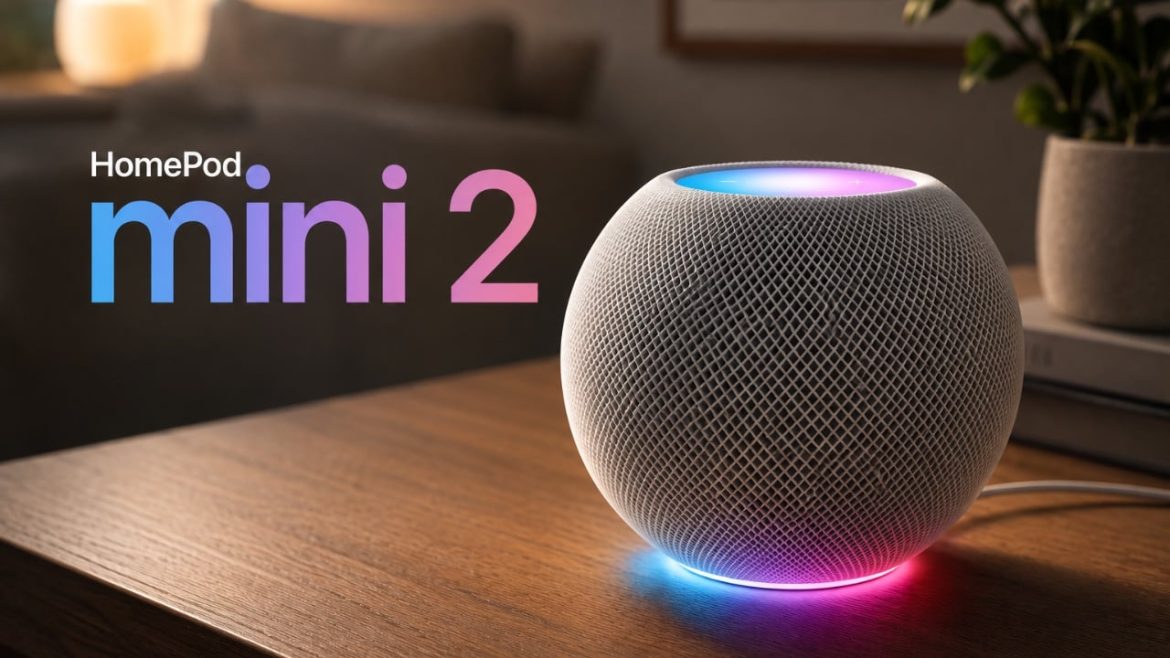
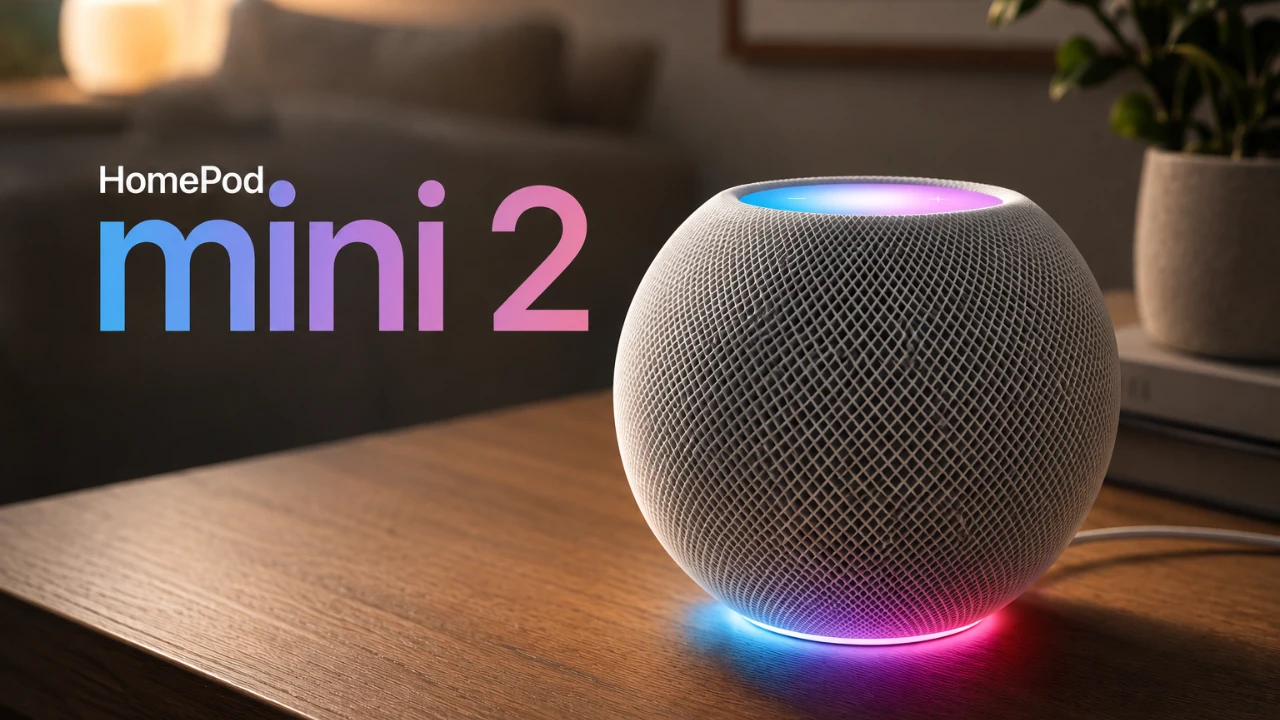
Apple is preparing to launch the second-generation HomePod mini, a device that promises to redefine its role within the smart home ecosystem. Scheduled for release in autumn 2026, this update focuses on advancing Siri AI capabilities rather than introducing a major hardware redesign. By prioritizing software innovation, Apple aims to address long-standing challenges in natural language processing and smart home integration, positioning the HomePod mini 2 as a cornerstone of its broader ecosystem. The video below from SaranByte gives us more details about the rumored HomePod Mini 2.

Smarter Siri AI: What to Expect
The most significant upgrade in the HomePod mini 2 lies in its enhanced Siri AI. With this update, Siri is expected to become a more intuitive and capable assistant. The improved natural language processing will enable Siri to better understand contextual conversations, handle follow-up questions and interpret complex commands with greater accuracy. This directly addresses criticisms that Siri has lagged behind competitors like Amazon Alexa and Google Assistant.
For users, this means smoother interactions with smart home devices. Everyday tasks such as adjusting lighting, setting reminders, or controlling entertainment systems will become more seamless. Additionally, Siri’s ability to provide more relevant responses and execute commands efficiently will enhance the overall user experience, making the HomePod mini 2 a more practical and reliable tool in your daily life.
Hardware Upgrades: Powering the Future
To support the advanced AI capabilities of Siri, the HomePod mini 2 features significant hardware improvements. Apple is replacing the S5 chip with the more powerful S9 chip, which is designed to handle faster machine learning and AI processing. This upgrade ensures that the device can manage complex tasks with minimal delays, enhancing its responsiveness.
The inclusion of the N1 networking chipset introduces support for innovative connectivity standards, including Wi-Fi 7, Bluetooth 6 and improved Thread technology. These advancements promise faster communication between devices, reduced latency and greater reliability in smart home setups. For users, this means a more stable and efficient network, making sure that all connected devices work together seamlessly.
Audio performance is also receiving attention. While the compact design remains unchanged, Apple is reportedly refining the sound quality to deliver cleaner vocals and deeper bass. These enhancements aim to elevate your listening experience, whether you’re enjoying music, podcasts, or hands-free calls, without compromising the device’s minimalist aesthetic.
Design: Familiar Yet Functional
The HomePod mini 2 retains the compact and modern design of its predecessor, a feature that has been widely praised for its ability to blend into various home environments. However, rumors suggest that Apple may introduce a new red color option, offering users more customization choices. This subtle design evolution ensures that the device continues to integrate seamlessly into your home, both visually and functionally.
The decision to maintain the familiar design reflects Apple’s confidence in the original HomePod mini’s aesthetic appeal. By focusing on internal upgrades rather than external changes, Apple ensures that the HomePod mini 2 delivers enhanced functionality without sacrificing its sleek and space-saving form factor.
Pricing: A Question of Value
The recent price increase of the original HomePod mini from $99 to $129 has sparked speculation about the pricing of the new model. If Apple decides to maintain or further increase the price, the success of the HomePod mini 2 will largely depend on whether its enhanced features justify the cost. For users, the decision to invest will hinge on the perceived value of the device’s improved Siri AI, hardware upgrades and overall performance.
Apple’s pricing strategy will play a crucial role in determining the market reception of the HomePod mini 2. While the device’s advanced capabilities may appeal to tech enthusiasts, casual users may weigh the cost against competing smart speakers that offer similar functionality at lower price points.
Part of a Bigger Picture
The HomePod mini 2 is not just a standalone smart speaker; it is a key component of Apple’s broader smart home strategy. By integrating seamlessly with other Apple products such as the Apple TV and the rumored smart home displays, the device aims to create a cohesive and interconnected ecosystem. Siri AI serves as the central hub, making sure that all devices work together to enhance convenience and functionality.
This interoperability underscores Apple’s commitment to delivering a unified smart home experience. For users, this means greater ease of use and the ability to control multiple devices through a single, intuitive interface. The HomePod mini 2’s role within this ecosystem highlights its importance as more than just a speaker, it is a gateway to a smarter, more connected home.
Challenges and Expectations
Apple faces high expectations with the release of the HomePod mini 2. Years of development and anticipation have heightened user interest, but they also leave little room for error. If Siri AI fails to meet the standards set by competitors, the HomePod mini 2 risks falling short of expectations, potentially undermining Apple’s broader smart home ambitions.
The competitive landscape for smart speakers is intense, with established players like Amazon and Google offering robust alternatives. To succeed, Apple must ensure that the HomePod mini 2 delivers on its promises, providing a superior user experience that justifies its price and positions it as a leader in the market.
Launch Timing and Market Outlook
The HomePod mini 2 is expected to debut in September or October 2026, aligning with the release of iOS 17 and Apple’s autumn hardware announcements. This strategic timing positions the device to capitalize on the holiday shopping season, a critical period for consumer electronics sales.
However, the market impact of the HomePod mini 2 will ultimately depend on its ability to meet user needs and deliver value. By focusing on software innovation, hardware upgrades, and ecosystem integration, Apple aims to set a new standard for smart speakers. Whether the HomePod mini 2 achieves this goal will determine its place in the competitive smart home market.
Learn more about HomePod Mini 2 with other articles and guides we have written below.
Source: SaranByte
Filed Under: AI, Apple, Gadgets News, Top News
Disclosure: Some of our articles include affiliate links. If you buy something through one of these links, Geeky Gadgets may earn an affiliate commission. Learn about our Disclosure Policy.
