
In an era where sports technology is transforming from simple data recording into intelligent analysis of human movement, DAREFORE brings industrial body analysis out of the lab and into everyday training.
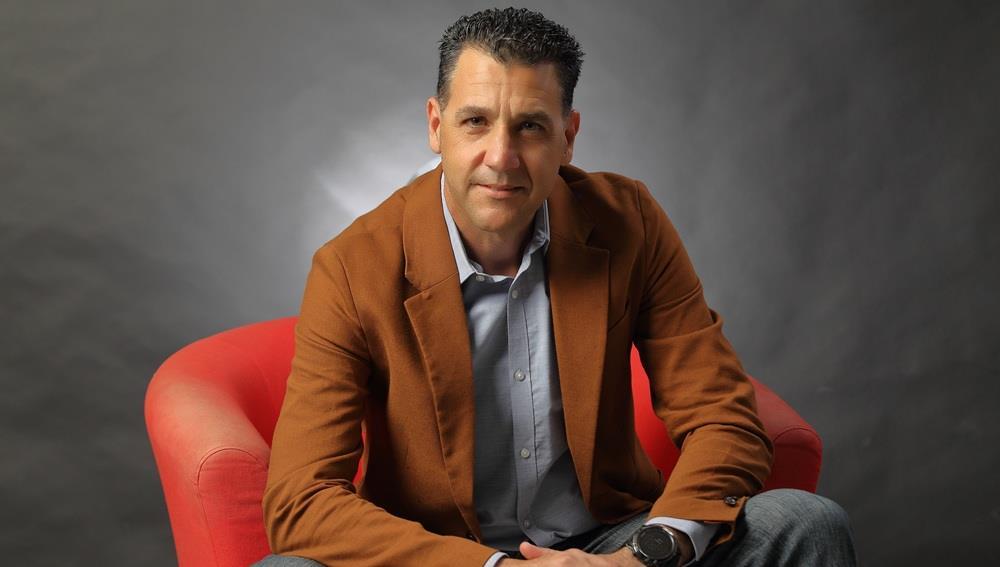
Through wearable technology and real-time data analysis, the Cypriot company analyses the quality of movement of athletes and those in training, aiming to improve performance and reduce injuries. Co-founder and CEO of DAREFORE and Mirror 3D Lab Ltd, Marios Kyriakou, talks about the connection between sports and artificial intelligence, the challenges of building a deep-tech company with international ambitions from Cyprus, and also the importance of the support of bodies such as the Research and Innovation Foundation (RIF) and the collaboration with investors in the company’s development. DAREFORE is already collaborating with elite athletes and champions in Cyprus and abroad, strengthening its international footprint in the rapidly growing sports tech space.
For those who don’t know DAREFORE yet, what exactly does your technology offer and what differentiates it from other performance tracking solutions on the market?
DAREFORE develops wearable body biomechanics and performance analysis technology for endurance athletes such as cyclists and runners. Through a smart sensor and our software platform, we collect and analyse real-time data related to the athlete’s posture, stability, symmetry and overall movement quality.
What sets us apart is that we don’t limit ourselves to classic fitness metrics, like heart rate or speed. We focus on body biomechanics and how movement affects performance, aerodynamics, and injury risk. Essentially, we create an “intelligence layer” on top of traditional training data.
As a technology based on real-time data and industrial analysis, how does it work in practice and what can it offer an athlete or a trainee?
The DAREFORE sensor is placed on the athlete’s body and continuously records movement and posture data. This data is analysed either in real time or after training through our app and online platform.
For example, in cycling, we can assess how aerodynamic an athlete’s position is, how stable they remain during the effort, or when signs of fatigue appear. In running, we can analyse elements such as symmetry, core stability, cadence, and changes in body mechanics.
This helps both elite athletes and everyday exercisers train smarter, improve their performance, and reduce the chance of injury.
How and by whom did the idea for the company come about? What was the gap you identified and wanted to solve through this technology?
DAREFORE began as a result of the activities of Mirror 3D Lab, a research and development company focused on 3D motion analysis and motion capture technologies. Through our experience, we realised that high-level industrial analysis remained limited to laboratories and universities and was not accessible in the real world of training, on the track and out on the road.
The big gap was that most athletes had physiology data, but not movement quality data. So we wanted to bring industrial analysis out of the lab and turn it into a practical tool for everyday use.
Do you personally have a connection to sports? How much has your experience influenced the philosophy and direction of the company?
Yes, I have had a personal connection to sports for many years, especially cycling, running and triathlon. I have participated in marathons and Half Ironman races, so I know from personal experience the demands of training, but also the importance of proper technique and body management.
My personal experience strongly influenced the company’s philosophy. From the beginning, we wanted to create a technology that gives the athlete truly useful information, not just more data. Our philosophy is that the quality of movement is just as important as the intensity of the training.
Are you targeting professional athletes exclusively, or can it also be used by everyday people who love exercise and want to improve their performance?
Our technology is designed to be usable by everyone. Elite athletes and professional teams need highly specialised analysis, but the same data can be extremely useful for the everyday person who works out.
An amateur runner or cyclist can improve their technique, better understand their fatigue, avoid overloading and gain a more scientific approach to exercise. Our goal is to make technology that was previously only available in professional laboratories accessible to the average athlete.
What sports are you focusing on? Are there any thoughts on expanding into other areas of sports activity?
Our initial focus is cycling and running, two sports where biomechanics plays a crucial role in performance and injury prevention.
At the same time, we are also considering extensions to other areas, both in the field of endurance sports and in applications related to human performance in general. We believe that real-time biomechanical intelligence will be a key part of the future in many areas of sports.
Are there any well-known athletes, professional teams or champions that utilise your technology? How important is it for a startup to gain the trust of the sports community?
Yes, we already work with elite athletes and champions in Cyprus and abroad, especially in the field of triathlon and cycling. For us, the trust of the sports community is extremely important, because a technology like ours must prove in practice that it creates real value.
Athletes constantly give us feedback, which helps us evolve our algorithms and user experience. This close relationship with the community is crucial for the growth of a sports-tech startup.
The development of such a specialised technology requires significant research, expertise and funding. How difficult has the journey been so far and how important has the support of organisations such as the RIF been?
The journey has been and continues to be highly demanding. Developing hardware, software, and AI/biomechanics algorithms simultaneously requires time, perseverance, and significant resources.
The support of institutions such as the Research and Innovation Foundation (RIF) was crucial in the early stages, as it enabled us to invest in the research and development of our technology. At the same time, the collaboration with investors and the creation of an international network of partnerships significantly helped the company’s development.
What are the company’s main goals today and how important is growth outside of Cyprus to you?
Our main goals are to further develop our platform, expand into the running segment and strengthen our presence in international markets. At the same time, we are investing significantly in the evolution of our algorithms and the creation of an integrated AI-driven ecosystem for performance and injury prevention analysis.
Cyprus is a very good base for innovation, but the sports technology market is by nature global. From the very beginning, we had an extroverted orientation and today we have users in many countries, as well as contacts and collaborations with organizations and companies abroad.
Another important milestone for us was the strategic investment we secured from Kinisis Ventures Fund I, which enabled us to accelerate the development of our technology and product. The trust of investors and partners is an important confirmation that the technology we are developing has international prospects and a real place in the global sports technology market.
How do you see the relationship between sports, artificial intelligence and data analytics evolving in the coming years?
I believe that in the coming years we will move from simple data recording to truly intelligent coaching systems. Artificial intelligence will be able to recognise patterns, predict fatigue or increased risk of injury, and provide personalised training suggestions in real time.
The big question will no longer be how much data we collect, but what data really matters and how it is transformed into actionable insights for the athlete. This is where we believe industrial analytics will play a very important role.
Entrepreneurship in the field of sports technology requires courage, perseverance and resilience. What advice would you give to a young person in Cyprus who dreams of creating their own innovative technology company?
I would tell him to start with a real problem that he knows well and to be patient. Technology alone is not enough. You need to create something that solves a real problem and provides real value.
It is also important to think internationally from day one. Cyprus has excellent human resources and there are now more opportunities for innovative startups, but it requires perseverance, consistency and resilience in the face of difficulties.
Entrepreneurship is more of a marathon than a sprint.
(Source: InBusinessNews)
