
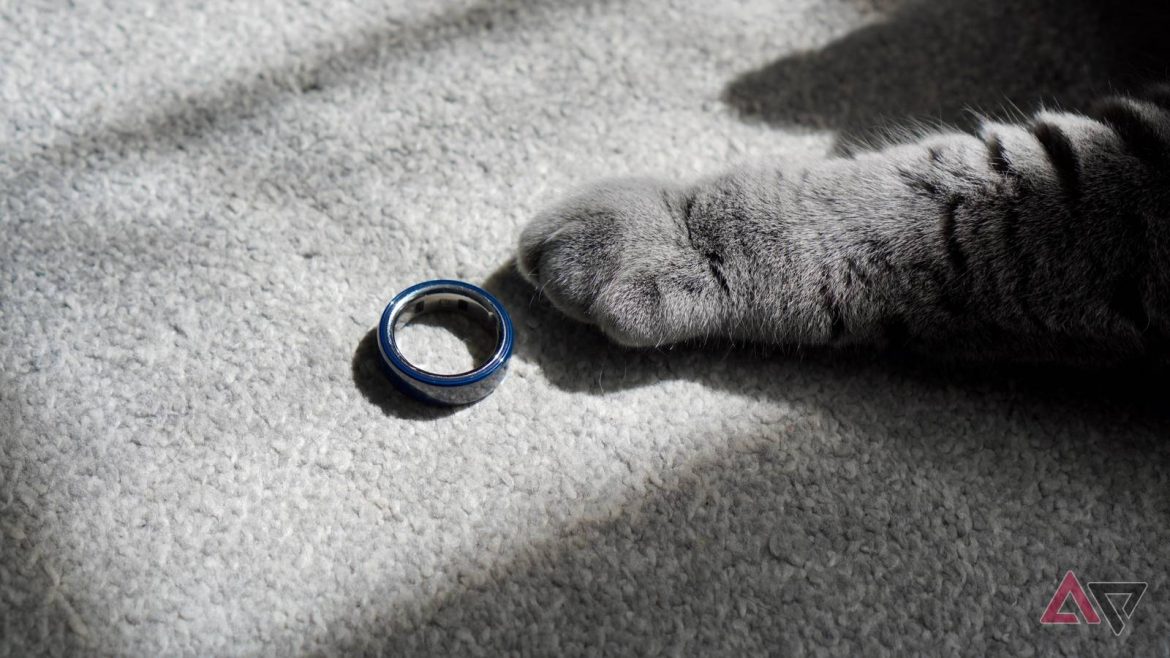
I’m now six months into wearing the Oura Ring 4 Ceramic. It’s still the wearable I’ve worn the most, and also still the one I can’t imagine living without. It fits in with my lifestyle perfectly, but how has the expensive smart ring held up over this time?
I’ll go through this now, and also highlight a set of new features just arriving in the Oura Ring app, something that further sets it apart from many other wearables.
Still looks great
No wear at all

I noted early on in my ownership of the Oura Ring 4 Ceramic how the finish seemed a lot more durable than the titanium finish on other models, and I’m very pleased to say this has continued to be the case.
I wear the Oura Ring 4 all the time, and deliberately don’t take it off when I’m doing things that may scratch or damage the surface, just to see if it holds up. I’ve put up fences, washed cars, moved furniture, gardened, and all the other usual odd jobs a house requires, from washing up dishes to cleaning the bath, during this period, and the ceramic surface is still flawless.
I’m sure I could damage it if I really tried, through gripping rock or metals, but outside such truly harsh treatment, the Oura Ring 4 Ceramic is the best choice if you’re at all concerned about marks marring the surface over time. It happens within weeks of wearing a titanium version.

You do pay more for the ceramic model, but it’s worth it. Not only does the color shine and glint in the sun, but you really won’t have to worry about additional protection — gloves, or a silicone cover — when the going gets moderately tough.
The battery life has stayed consistent too. When I ignore my usual strategy of topping it up on the charger for 20 minutes every other day or so, it lasts for five days at least on its own. It also sends a handy notification to the phone when the battery life dips below 24 hours, so you can make time to charge it up.
New features added
Carefully considered additions

Another area worth applauding is Oura’s continued commitment to adding new features. Rather than just incremental updates to design or algorithm enhancements, the company regularly adds features which other wearables may decide not to include.
From May 6, Oura Ring owners in the US will see two new women’s health features added. The first is Menopause Insights, which uses a Menopause Impact Scale clinical questionnaire to assess symptoms. From then, wearers can measure and track symptoms and the impact of menopause on quality of life. Data can also be saved and shared with clinicians.

The second feature is Hormonal Birth Control. This is part of the existing Cycle Insights feature, and joins Pregnancy Insights launched last year. The feature pairs a selected contraceptive method with biometric data, to show how each one affects everything from sleep and body temperature, to periods and recovery. Oura says it’s the first of its kind, and will help women understand why they feel a certain way when using certain contraceptives.
Additionally, Oura has partnered with women’s healthcare platform Twentyeight Health, and those who opt-in can access same-day appointments with licenced clinicians.
Where’s the competition?
Oura’s running away

The Ceramic finish has solved one of the worst things about the Oura Ring 4, and increasing durability removes one of the barriers to purchase.
Adding new features, especially ones which appeal to women and other groups who aren’t always served well by more mainstream smartwatches, adds a uniqueness to the Oura Ring, and encourages people to consider it over alternatives.
Alternatives? Despite plenty of hype around smart rings a year or so ago, attention has shifted towards smart glasses in the wearable space at the moment. It means if you’re interested in a smart ring, the Oura Ring 4 is probably top of your list.
Hard to beat
But competition’s fighting back

This market superiority isn’t only through a great product, nor is it by chance. Through lawsuits against Ultrahuman and RingConn that stunted growth, and Samsung’s relative indifference to the Galaxy Ring, Oura has worked to secure its place as the default smart ring.
However, Ultrahuman is working on a new smart ring, the Ultrahuman Ring Pro, and RingConn’s RingConn Gen 3 is close to release, and we’d love to see them both take the fight to Oura. More competition is good for consumers, and great for innovation too.

However, as of this moment, the Oura Ring 4 Ceramic is hard to beat. The app is one of the best wearable tech apps I’ve used, the smart ring looks great and stays that way, and unusual new features show the company is always looking at new ways for wearers to monitor their bodies.
Yes, it’s expensive to buy and has a subscription attached, but for once, I do think you’re getting value for your money, and that’s not as common as it should be in tech today.


8.5/10
- Heart rate monitor
-
Yes
- Notification support
-
No
- Battery life
-
Up to 8 days
- Sensors
-
Heart rate/HRV; blood oxygen; skin temperature; accelerometer
