
Two of my siblings are getting married this year, which means I’ve been thinking more than usual about wedding registries — that peculiar exercise in imagining a future life. If you want a glimpse of it, you don’t even need an invitation. Walk into a kitchen store on a Saturday and you’ll see it: couples drifting from section to section with scanners in hand, pausing over Dutch ovens in six shades of cream, debating the merits of a stand mixer they may or may not ever use.
They are, in their way, trying to answer a deceptively simple question.
What do we actually need to cook well?
Taste and cost factor in, of course. But underneath it, there’s something more intimate — a quiet attempt to predict who you’ll be in your own kitchen. Will you be the kind of person who makes fresh pasta on Sundays? The kind who hosts, who braises, who bakes? The kind who finally gets it together and meal preps every week?
It’s easy to picture the fantasy kitchen: matching sets, gleaming gadgets, drawers that close with a soft, expensive hush. The real one is different. A little crowded. Slightly mismatched. A short list of tools, reached for over and over again, until they start to feel less like equipment and more like extensions of your hands.
Want more great food writing and recipes? Sign up for Salon’s free food newsletter, The Bite.
I’ve cooked in enough kitchens — my own, other people’s; a few professional, most not — to know that most tools are aspirational. Bought for the person you imagine yourself becoming. The pasta roller. The spiralizer. The very earnest salad spinner. The thing that promises a new habit, a new self.
But the tools that matter are quieter. They meet you where you actually are: slightly tired on a Tuesday, hungry, not in the mood to follow a recipe but still wanting something that tastes like care — something bright with lemon, maybe, or deeply browned in a pan you trust.
These are mine.
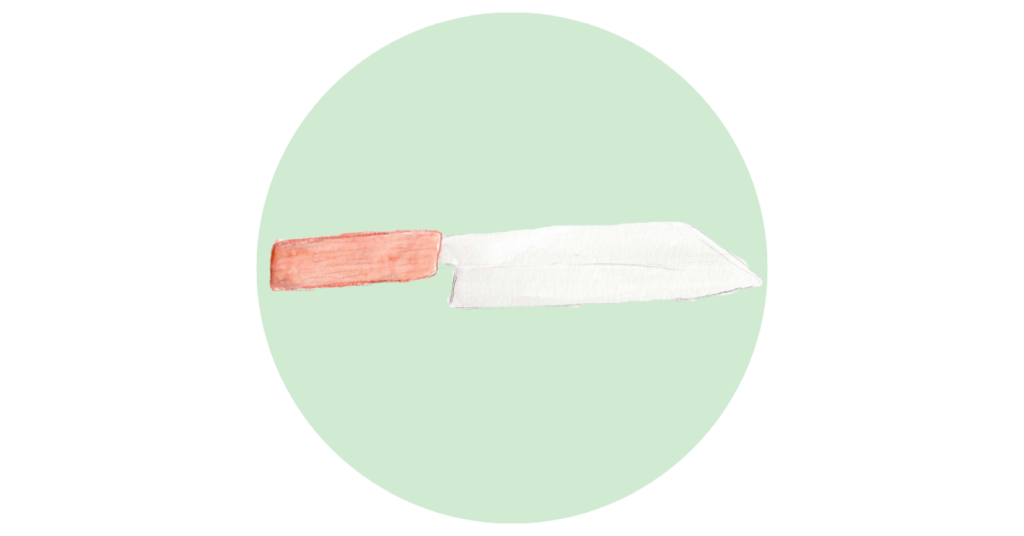
The 6″ Kiritsuke knife
(Ashlie Stevens) Knife
I understood, in theory, the importance of a good knife. But for years, I stayed in the realm of passable. The kind of setup where chopping an onion felt like a small but persistent inconvenience. Then my better half Stephen moved in — and with him, his knife roll. (Very hot.)
Inside it: a 6″ kiritsuke that I more or less immediately fell in love with.
The first time I used it, I remember slicing into a sweet potato — the dense, orange flesh giving way so cleanly it almost felt like the knife was doing the work on its own. It wasn’t effortful. It was… cooperative. A small shift, but a meaningful one.
Now, it’s the tool that gets me moving. It’s comfortable in my hand, sharp and precise without feeling fussy, and it turns the quiet, repetitive work of cooking — chopping onions, coring fruit, slicing protein — into something smoother, even a little satisfying. If you find yourself dreading prep (I get it), it might not be you. It might just be your knife. A good one doesn’t make you a different cook; it just makes it easier to be the one you already are.
The microplane zester (for lemon, always)
I reach for lemon so often that a box grater simply doesn’t cut it. I need something that moves with me — something that honors the impulse to decide, mid-meal, you know what, this needs a little brightness, and makes it effortless to follow through.
That’s what a handheld microplane does. It turns zesting into a gesture instead of a task: a quick flick of the wrist, a fine snowfall of citrus oils that hits a warm dish and blooms immediately. It’s less about precision, more about instinct.
Lemon zest, for me, is a kind of signature. It cuts through fat, wakes things up, makes a dish feel finished even when it’s barely trying. I drag it across eggs in the morning — a lazy woman’s hollandaise. Over yogurt and fruit, it makes everything taste a little more itself. A Caesar salad sharpens. Leftover fried rice (trust me) lifts.
Dinner, more often than not, begins and ends with it. The other night, I rubbed chicken with olive oil, salt, pepper, and a generous layer of zest before roasting it as the base for a stew. An hour later, just before serving, I reached for the microplane again — another pass, another layer, the whole pot brightening at the edges.
If the knife is what gets me started, lemon is what makes the food feel like mine.
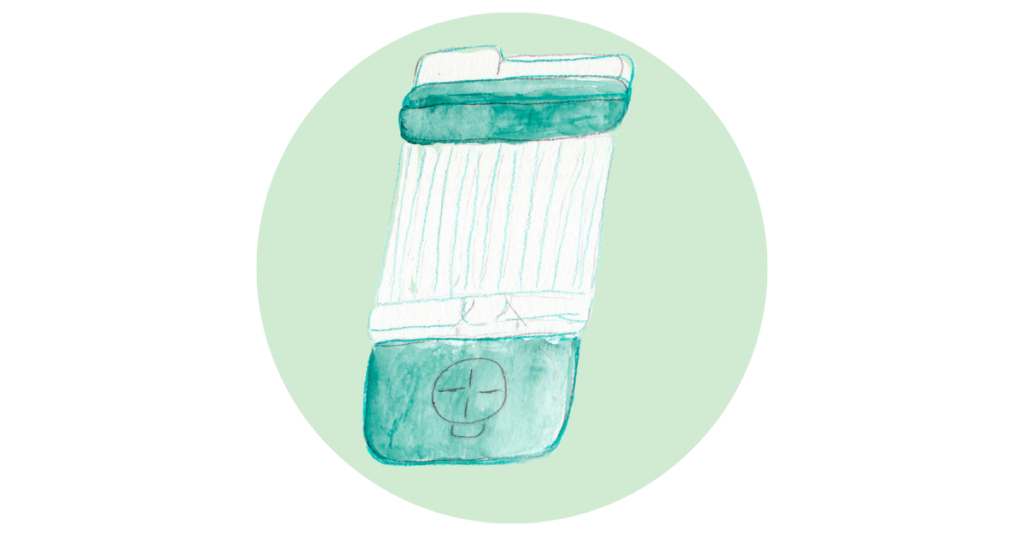
The mini-blender
(Ashlie Stevens) Mini-blender
I’ll admit it: I think our collective weeknight blender hatred is a bit overblown.
Yes, the full-size blender can feel like a production — heavy, loud, vaguely judgmental when left unwashed in the sink. But a mini blender? A different story. Mine has long been a quiet ally, the kind of tool that steps in when I need a little help and doesn’t make a big deal out of it.
It minces onions when my joints aren’t cooperating, even with a good knife. It blitzes together a very respectable chickpea salad in minutes. And more often than not, it’s what takes a meal from “almost there” to finished — because, at this point, I know myself: I want a sauce. Preferably something velvety, vegetable-based and just a little unexpected.
Especially now that I’m eating less dairy, the mini blender has become my workaround and my playground. It lets me turn what’s already in the fridge into something cohesive, something that feels intentional.
Last week, for instance, I took stock of a few stragglers: sweet potato coins, carrots, frozen onions, scallions, a handful of spinach, half a can of coconut milk, chicken thighs. I browned the chicken in my cast iron, then tossed the vegetables with olive oil, white miso, lemon zest, red pepper flakes, oregano — roasted them until jammy and caramelized — and then blended everything with the coconut milk until silky.
That sauce, spooned over the chicken, rice, and spinach, made the whole meal feel like something I meant to cook, not just something I assembled.
And if cleanup is what’s stopping you: it doesn’t have to be a whole thing. A squirt of dish soap, a cup of hot water, a few pulses, a quick brush. Done!
The cast iron skillet
This was another Stephen inheritance; one of the quiet joys of combining kitchens with someone who loves food as much as you do. I’ve come to think of cast iron as the fastest way to build depth on a weeknight. It holds heat, keeps its nerve, and moves easily from stovetop to oven to broiler and back again without asking you to switch vessels or overthink it.
That flexibility matters more than you’d think. It’s what lets you sear chicken until deeply golden, slide it into the oven to finish, then pull it back out for one last pass under the broiler — all in the same pan, all building on the same layer of flavor.
There’s a reliability to it, too. Cast iron doesn’t rush you. It asks you to give things a minute, let them brown properly, trust that a little patience will pay off. In a kitchen that’s otherwise a little improvisational, it’s my anchor: dependable, durable, and always up for whatever I decide to make.
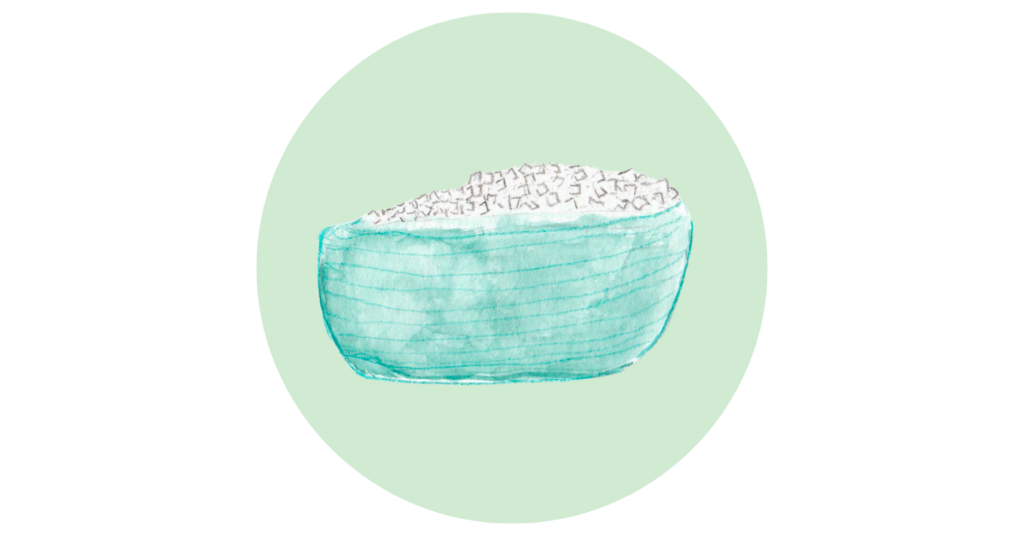
The salt dish
(Ashlie Stevens ) Salt dish
This is my cook-by-feel tool
I keep a small ceramic salt dish by the stove, within easy reach — not tucked away in a cabinet, not measured out in careful teaspoons, but right there, open. It’s a small thing, but it changes how I cook.
There’s something about the tactility of it. The pinch between your fingers. The ability to season as you go, to taste, adjust, trust yourself a little more each time. It turns salt from an ingredient into a conversation — ongoing, responsive, a series of small decisions instead of one final correction.
Deli containers
These have been the biggest game-changer in my kitchen — despite being, perhaps, the least sexy.
There’s nothing particularly romantic about a stack of clear, well-labeled deli containers. But there is something deeply satisfying about opening the fridge and seeing your future, already in progress.
Mine are dishwasher- and freezer-safe, endlessly reusable and organized in a way that makes actual meal prep feel possible. Tall ones for soups, stews and curries tucked into the freezer. Medium for roasted fruit, marinated vegetables, grains. Smaller ones for the things that make a meal feel finished: bacon bits, pickled onions, a sauce you made earlier in the week and forgot about until you needed it.
It’s not about being perfectly prepped. It’s about making small decisions ahead of time that make cooking later feel easier, lighter, more inviting. A chopped onion waiting in the fridge. A container of rice you can reheat without thinking. A sauce that turns whatever you’re making into something cohesive.
If the knife gets me started, and the pan builds flavor, and the lemon makes things sing, the deli containers are what make it all sustainable. They’re the quiet infrastructure of my kitchen — the reason I can show up on a Tuesday night and still cook something that feels like care.
This story originally appeared in The Bite, my weekly food newsletter for Salon. If you enjoyed it and would like more essays, recipes, technique explainers and interviews sent straight to your inbox, subscribe here.
Read Ashlie’s
3 favorite “Bite” recipes
