
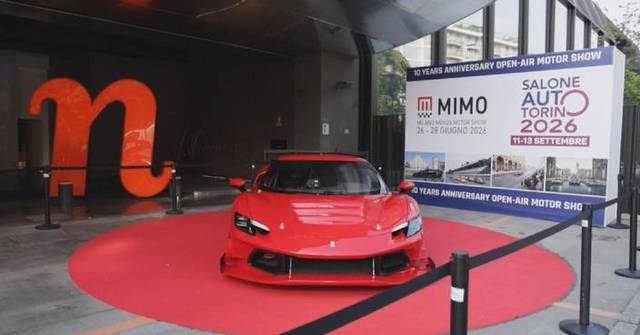
China-Italy auto partnership is under spotlight at the ongoing Milan Design Week, with electronic vehicles on display across the city’s Chinatown, highlighting the future of mobility.
The Milan Design Week from April 20 to 26 features exhibits that explore everything from automotive and art industries to AI and robotics.
Amid rising fuel prices triggered by the conflict in the Middle East, the event focuses on the global electric transition, and China’s growing role worldwide.
“Of course Chinese cars are leading the way in electrification. The percentage of electric cars in China is almost 30 percent of the total market,” said Andrea Levy, president of the Milan-Monza and Turin Motor Show.
Seeking to enhance its position in the electric vehicle market, Italy is collaborating with China, combining its tradition of craftsmanship, with Chinese advances in technology and innovation.
“A lot of Chinese companies have established their research centers, design centers in Italy, in Milan and Torino — such as Changan, such as Geely, such as even Great Wall, even Dongfeng,” said Winnie Gao, secretary general of the Turin Automotive Design Award. From engineering to aesthetics, the collaboration is reshaping how the next generation of cars will look and perform.
The EU aims to phase out new petrol and diesel cars by 2035, but adoption of electric vehicles has been uneven. Italy has one of the slowest uptakes, with just 6.2 percent of market share last year.
“I think it’s a kind of cultural resistance. We like the tradition and we’re a little bit scared of changes. Now with electric cars, it also requires a change of attitude,” said Levy.
The car show is part of the Milan Design Week, one of Italy’s most prestigious cultural events. Zona Sarpi, the city’s Chinatown, is a key location.
“Every year, it is more important. There are Xiaohongshu and Yadea and many important designers. Here in Zona Sarpi, Italians can learn even more about our culture,” said Angela Zhou, Zona Sarpi organizer of the Milan Design Week.
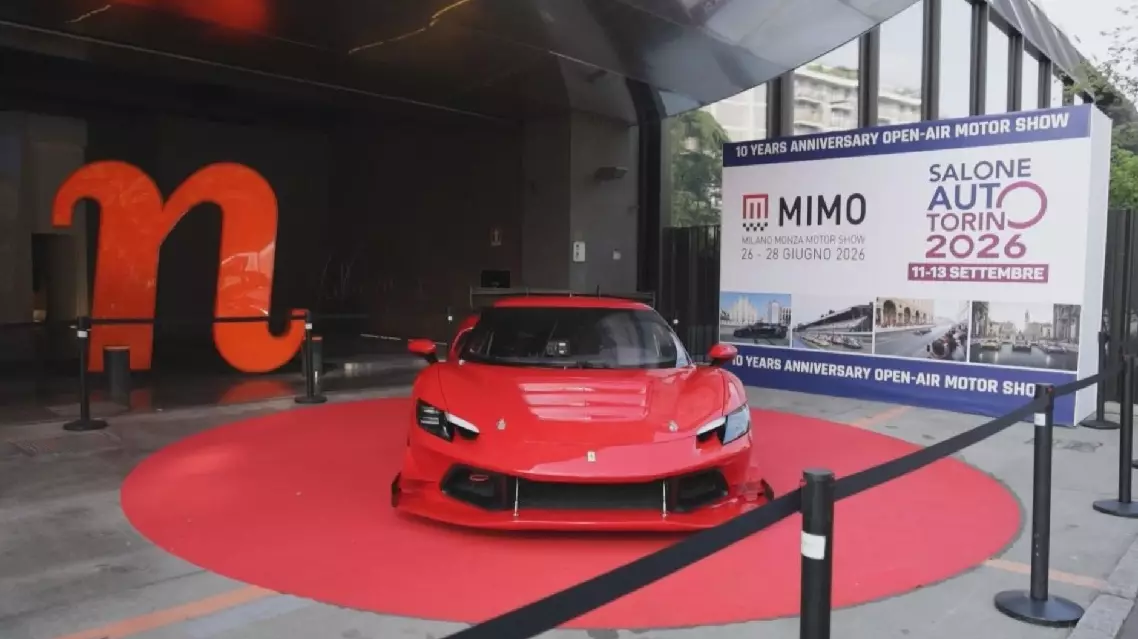
Milan Design Week spotlights China-Italy auto partnership as EV transition accelerates
China’s postal industry registered steady growth in the first quarter of 2026, with both revenue and delivery volume expanding, according to data released by the State Post Bureau on Wednesday.
From January to March, the postal sector generated a total business revenue of 449.27 billion yuan (about 65.5 billion U.S. dollars), up 5.9 percent year on year. Revenue from express delivery services reached 369.02 billion yuan, marking a 6.8 percent increase.
During the same period, the sector handled 51.9 billion parcels, representing a year-on-year growth of 4.5 percent. Of the total, express delivery amounted to 47.73 billion items, up 5.8 percent.
China’s postal and express delivery sector is seen as a barometer of the country’s consumption vitality and economic activity, driven by the continued expansion of e-commerce, ever improved logistics networks, and growing demand in both urban and rural areas.
“The operation of the entire industry is steadily progressing, with continuous deepening of smart empowerment and steady improvement in basic capabilities. This effectively serves the innovative development of commodity circulation and provides solid support for consumption quality improvement and expansion, and industrial transformation and upgrading,” said Liu Jiang, director of the strategic planning research department of the State Post Bureau’s Development Research Center.
China’s express delivery network is the world’s largest by volume and serves the largest population. It handled nearly 200 billion parcels in 2025, up 13.6 percent year on year, ranking first globally for the 12th consecutive year.
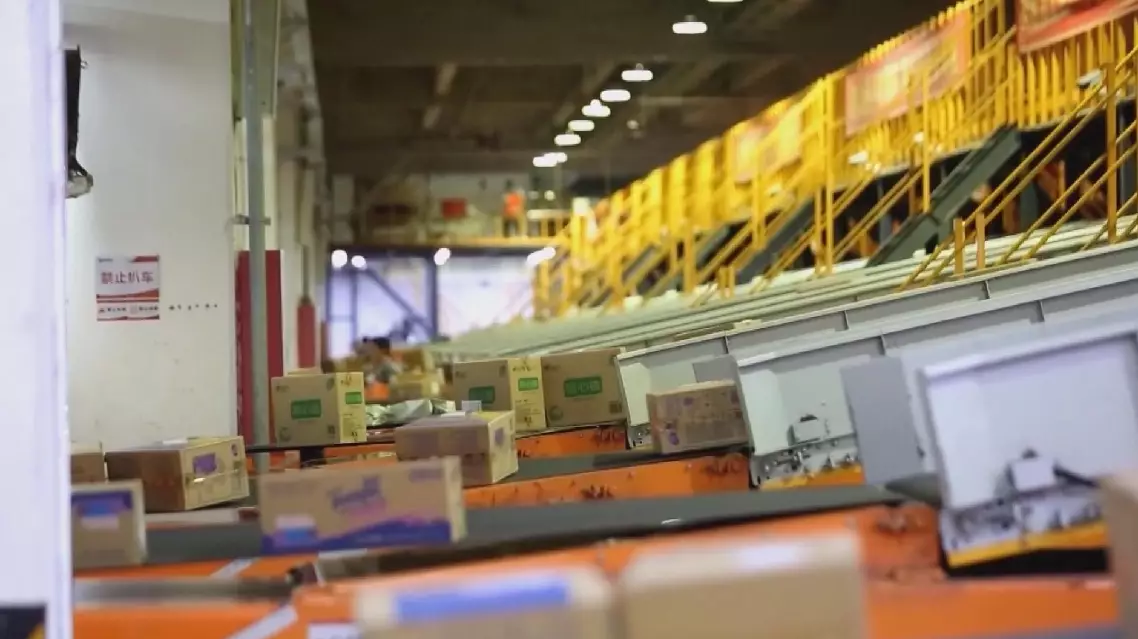
China’s postal sector logs steady growth in Q1
