
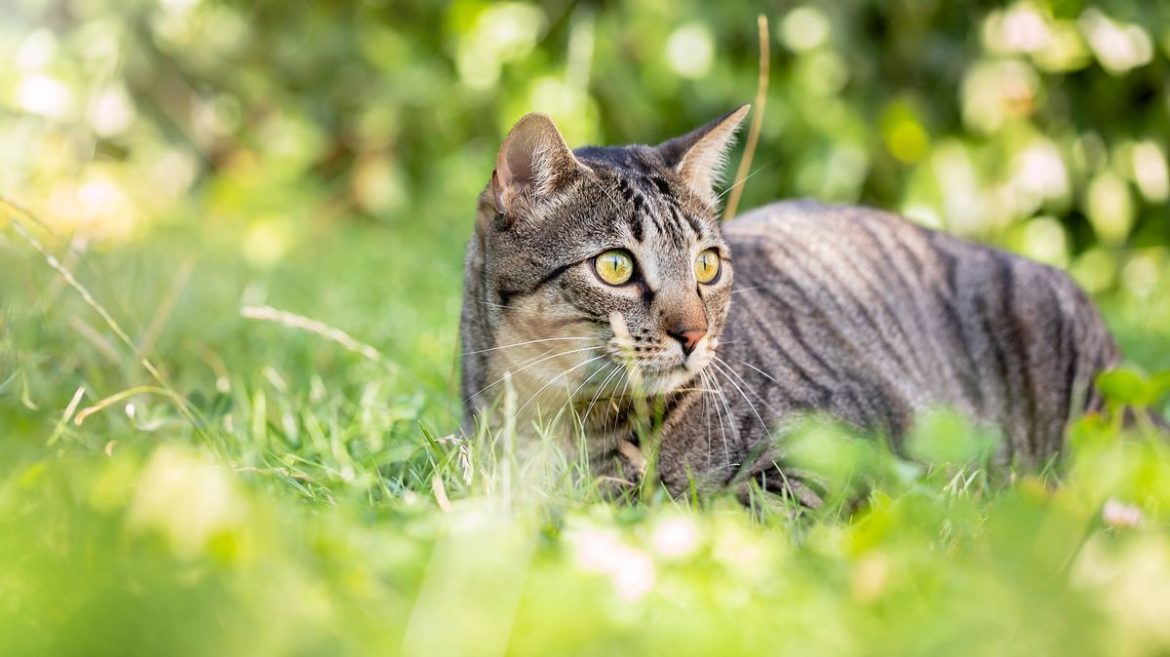
Cats are legally allowed to roam into neighbouring gardens in the UK

Gardens are attractive toilets for our feline friends(Image: Cris Cantón via Getty Images)
Discovering cat poo in the garden can irritate even the most tolerant householder, particularly when it turns into an ongoing issue.
Yet while many assume there’s little they can lawfully do to discourage these wandering pets from visiting, there are in fact numerous options at their disposal.
According to Cats Protection, cats instinctively roam outside their owners’ properties and are legally permitted to enter neighbouring gardens across the UK.
Nevertheless, the charity states that householders can still employ safe and humane deterrents to prevent cats from treating outdoor areas like litter trays. The Express has some recommendations.
1. Citrus Peel
Cats are recognised for having a powerful aversion to potent scents, making orange and lemon peel a favoured natural deterrent. Gardening specialists suggest positioning peel close to flowerbeds or garden boundaries may help discourage repeat visits.
2. Motion-activated sprinklers
According to the RSPCA, unexpected jets of water can safely deter cats from entering gardens without causing them harm. Motion-activated sprinklers are frequently employed to discourage wildlife and wandering pets.
3. Cover exposed soil
Cats typically favour soft earth when digging or toileting. The Royal Horticultural Society (RHS) recommends using gravel, stones or bark to make flowerbeds less attractive as toilets.
4. Chicken wire
Some gardeners position chicken wire flat across flowerbeds to prevent cats from digging into the earth. Plants can still emerge through the openings while making the surface unpleasant for animals to traverse.
5. Ultrasonic deterrents
Ultrasonic devices release high-pitched sounds intended to discourage cats from venturing into specific areas. These products are readily available at garden centres and DIY stores throughout the UK.
6. No food zone
Cats Protection cautions that leftover pet food, bird seed and overflowing bins can draw cats into gardens. Securing rubbish and feeding areas may help cut down on repeat visits.
7. Prickly shrubs
The RHS advises that dense or thorny plants can put cats off entering flowerbeds or digging near plants. Shrubs such as holly or other thorny varieties are frequently suggested.
8. Cat-proof fencing
ProtectaPet reports that specially designed fencing rollers and barriers are growing in popularity amongst homeowners struggling with persistent feline visitors. These systems are designed to prevent cats from scaling fences without causing them any harm.
9. Open dialogue
Consumer experts broadly recommend raising the issue politely if one particular cat appears to be causing repeated problems. While owners are not typically held legally responsible simply because their cats roam freely, a friendly conversation can sometimes ease tensions.
Online debates highlight just how divisive garden fouling disputes can become, particularly during the warmer months when families spend more time outside. Nevertheless, animal welfare organisations consistently emphasise that any deterrents used should remain humane and cause no harm to cats.
