
Blue Cross in Thirsk is urging cat owners to neuter their pets as concerns grow about more cats and kittens needing emergency care.
Staff at the charity centre say they are seeing a significant increase in abandoned kittens, pregnant cats and unplanned litters being brought in from across the area.

Joe Cummins, assistant manager at Blue Cross in Thirsk, said the situation is unlike anything he has experienced before.
He said: “I have never seen kittens coming in for help on a scale like this.
“Almost every week we are admitting kittens through other organisations such as councils and local vets. Some are incredibly young and need round-the-clock care to give them the best chance of survival.
“This is in addition to the many unplanned and unwanted litters being brought in as well as pregnant cats.”
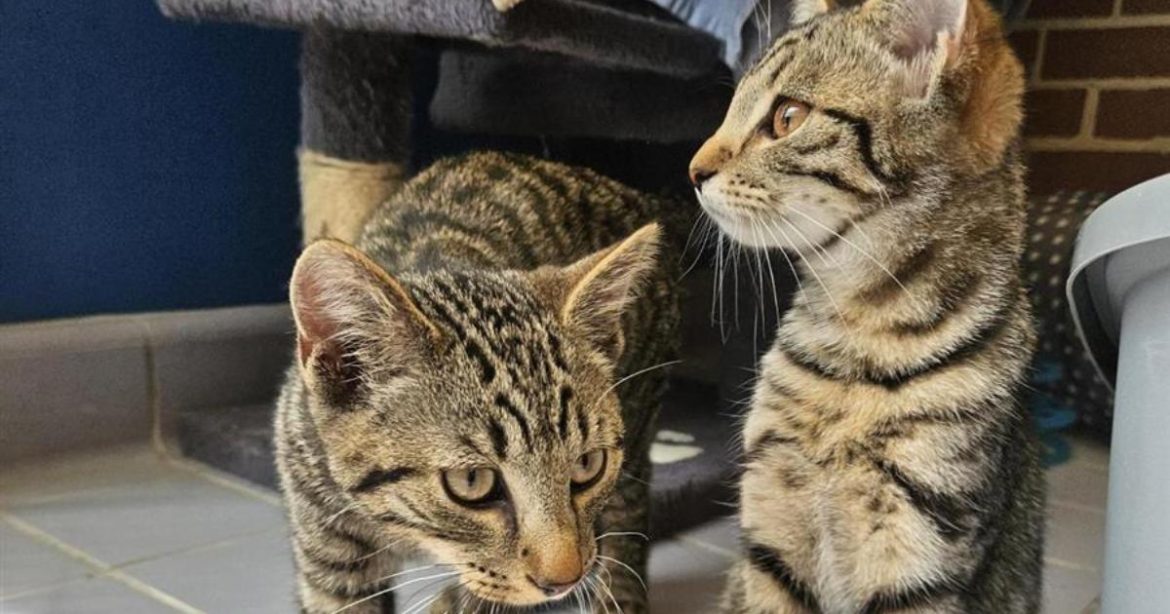
Among the cats currently looking for homes at the North Yorkshire site are 19-week-old kittens Purdy and Smokey, who were found as strays before being taken to a local veterinary practice and later transferred to Blue Cross.
The charity says hundreds more kittens and adult cats are waiting to be rehomed.

The charity believes the ongoing cost of living crisis may be contributing to the problem, with some owners potentially putting off neutering their cats to avoid surgery costs.
But Blue Cross also fears some people may be breeding cats in the hope of selling kittens, only for a lack of buyers to result in animals being abandoned or handed over to rescue centres.
The charity describes the issue as part of a wider “hidden pet welfare crisis” affecting both animals and their owners.
Nationally, Blue Cross took in 797 kittens aged under six months during 2025.
By June 30 this year, a further 454 kittens had already been admitted to charity sites across the country.
As well as encouraging people to consider adopting a rescue pet, Blue Cross is appealing for support through donations, fostering, volunteering and fundraising to help it continue caring for the vulnerable animals being brought into shelters every week.
The charity is stressing that neutering pets helps to prevent unwanted litters and reduce the pressure on rescue services.
