
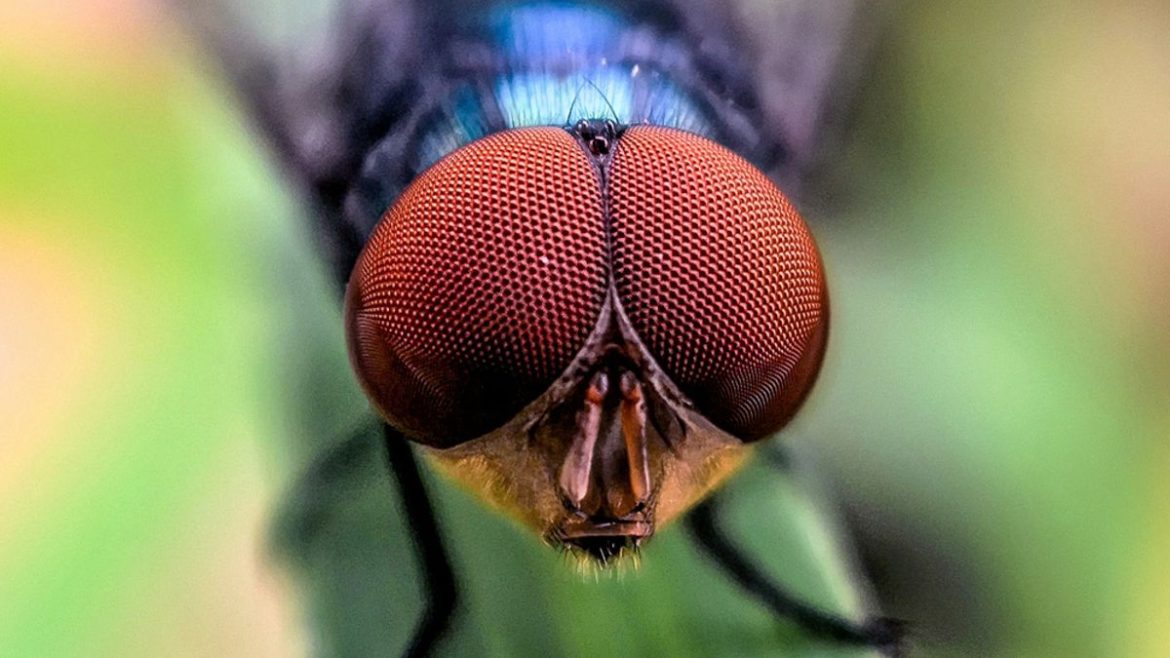
The discovery of the New World screwworm in Texas has prompted a swift response from animal health officials across the United States. Earlier in June 2026, federal authorities confirmed the presence of the flesh-eating parasite after larvae were found in a calf in Zavala County, raising concerns about its potential impact on livestock, wildlife, and household pets.
The New World screwworm fly is typically found in parts of the Caribbean and South America, making its appearance in the U.S. particularly alarming. While much of the attention has focused on protecting cattle and other agricultural animals, dogs and cats can also become infected if the insect gains access to an open wound.
While the U.S. Department of Agriculture has been expanding its use of the sterile insect technique, a long-standing pest-control strategy that involves releasing large numbers of sterile flies into affected areas, other departments have been working to identify medications that could treat animals when infection has occurred.
Now, the U.S. Food and Drug Administration (FDA) has issued an Emergency Use Authorization for generic Nitenpyram tablets to treat New World screwworm infestations in dogs, puppies, cats, and kittens that are at least four weeks old and weigh at least two pounds.
Expanding Treatment Options for the Screwworm
Nitenpyram is best known as the active ingredient in flea treatments commonly sold under the brand name CAPSTAR®. The oral medication acts quickly against insects and has now become the first generic animal drug authorized for use against New World screwworm infestations.
According to an FDA press release, available evidence suggests the drug may be effective in treating affected pets, with the agency determining that its potential benefits outweigh the known and potential risks associated with its emergency use.
Officials say expanding access to generic treatments could help improve availability while giving veterinarians more options during an outbreak.
“Generic animal drugs build resilience in our domestic supply chain and play a critical role in expanding the toolkit of U.S. veterinary drugs for New World screwworm,” said Timothy Schell, director of the FDA’s Center for Veterinary Medicine, in the statement. “By authorizing this generic treatment, FDA is reinforcing our commitment to providing timely, affordable options to safeguard animal health for American pet owners.”
Screwworm Larvae Feast on Living Flesh
Unlike many common fly species, New World screwworm flies do not target decaying tissue. Instead, females lay their eggs in open wounds or on the mucous membranes of living mammals. Once the eggs hatch, the larvae burrow into healthy flesh and begin feeding, causing painful wounds that can rapidly worsen if left untreated.
The newly authorized medication works quickly against these larvae, killing most of them within hours of the first dose. Pet owners are advised to administer a second dose six hours later to maximize effectiveness.
However, the treatment is not a preventive medication. Because Nitenpyram is short-acting, it does not protect animals from future exposure or reinfestation.
What Pet Owners Should Know
Even after treatment, veterinary care may still be necessary. In some cases, a veterinarian will need to physically remove any remaining live or dead larvae from the wound. This procedure should be performed by a trained professional to reduce the risk of infection and minimize additional tissue damage.
Veterinarians can also advise owners on proper wound care and steps to reduce the chances of another infestation. Nitenpyram tablets can be purchased without a prescription and are available in 11.4 mg and 57 mg formulations, with dosage determined by a pet’s weight. The FDA advises that the medication should not be administered to dogs or cats weighing less than two pounds.
For pet owners in affected regions, experts say the best defense remains vigilance: regularly checking animals for wounds, seeking prompt veterinary attention when injuries occur, and watching for any signs of infection that could attract the parasite.
Read More: Can Dogs Get Sick? How to Keep Your Dog Healthy
Article Sources
Our writers at Discovermagazine.com use peer-reviewed studies and high-quality sources for our articles, and our editors review for scientific accuracy and editorial standards. Review the sources used below for this article:
