
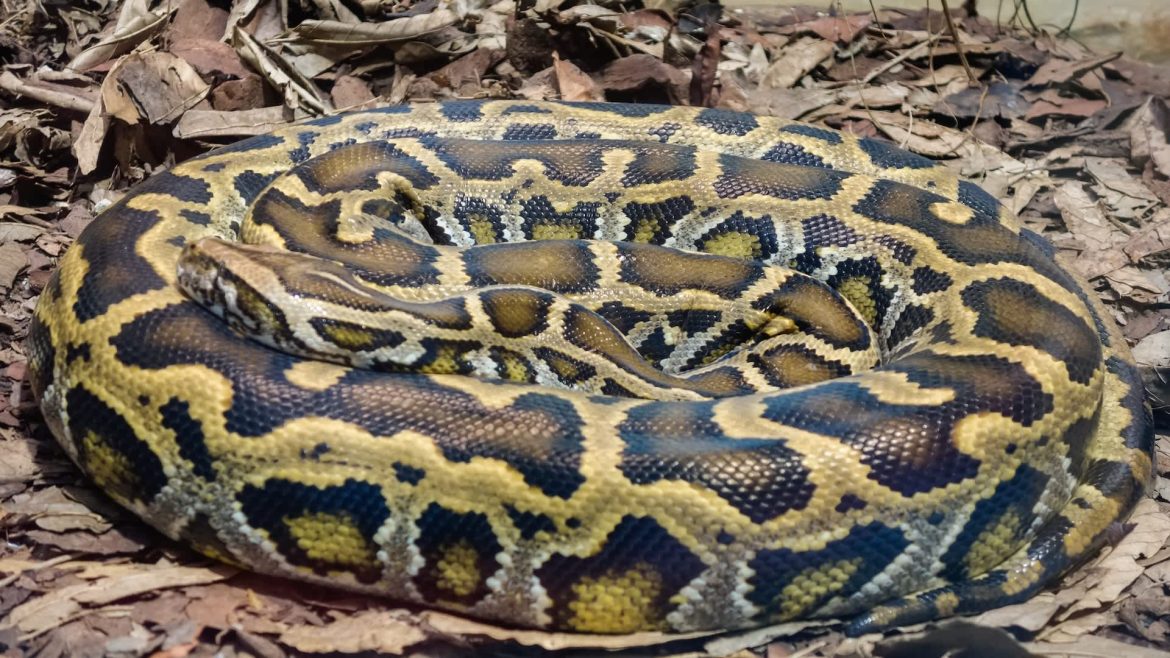
Florida’s fight against Burmese pythons in the Everglades may have passed the point of a realistic endgame, according to wildlife biologist and TV host Forrest Galante.
In a recent video, Galante said the snakes are now so deeply established in the Everglades that completely removing them is no longer a likely outcome.
Galante described the Burmese python as “a slithering menace that is wiping out species” and said the invasive snake is “taking over the Florida Everglades.”
“They’re eating everything,” he remarked in the video.
The problem has been building for decades. Burmese pythons were first documented in the Everglades sometime during the 1970s. Humans introduced them to the region through the exotic pet trade. Some pet owners let go of their snakes either on purpose or accidentally.
Galante also highlighted how Hurricane Andrew in 1992 destroyed a python breeding facility and released more snakes into the wild. While that may technically be true, Live Science stated that earlier human introduction likely contributed the most to the python problem Florida has today.
 BOBS from Skechers has helped over 2 million shelter pets around the world — and the charity program just announced this year’s Paws for a Cause design-winning sneakers.
These “hound huggers” and “kitten kicks” sneakers are machine washable and equipped with memory foam insoles. Plus, they were designed by passionate students who were inspired by their very own rescue pets.
BOBS from Skechers is also committed to donating half a million dollars to the Best Friends Animal Society this year to help every dog and cat experience the safety and support of a loving home.
|
Today, the fallout stretches across the 1.5 million-acre wetland.
The U.S. Geological Survey has estimated that tens of thousands of Burmese pythons now live in the greater Everglades region. Growing as long as 20 feet and weighing more than 250 pounds, the snakes have become powerful predators in an ecosystem that never evolved to handle them.
The Everglades support birds, fish, reptiles, amphibians, mammals, and countless other species, and Burmese pythons are reshaping that system on a massive scale.
These snakes prey on mammals, birds, and reptiles, including endangered animals like the wood stork and Key Largo woodrat. They also compete with native predators for food and may spread parasites and pathogens that place even more pressure on already vulnerable wildlife.
The South Florida Water Management District has described them as “one of the most destructive and harmful species in America’s Everglades.”
When ecosystems become unbalanced, the damage can slow progress toward a healthier future for communities that rely on functioning wetlands for tourism, recreation, and environmental stability. That’s why it’s so important for people to be careful when introducing a species to a new area.
Florida agencies are still working to limit the damage. The South Florida Water Management District’s Python Elimination Program pays removal agents to target Burmese pythons and similar invasive species across southern Florida. The program also offers bonuses for larger snakes, including those longer than 4 feet.
Still, experts stress that control is not the same thing as eradication.
For the public, one of the clearest takeaways is simple: Exotic pets should never be released into the wild.
State wildlife agencies can better protect communities when they have the resources and support needed to keep ecosystems balanced.
Galante’s assessment was direct. “I would say that the Burmese python problem really is out of control in Florida,” he said. And despite ongoing removal efforts, he claimed the odds of fully eliminating the snakes are “a very, very low one out of ten.”
Get TCD’s free newsletters for easy tips, smart advice, and a chance to earn $5,000 toward home upgrades. To see more stories like this one, change your Google preferences here.

