
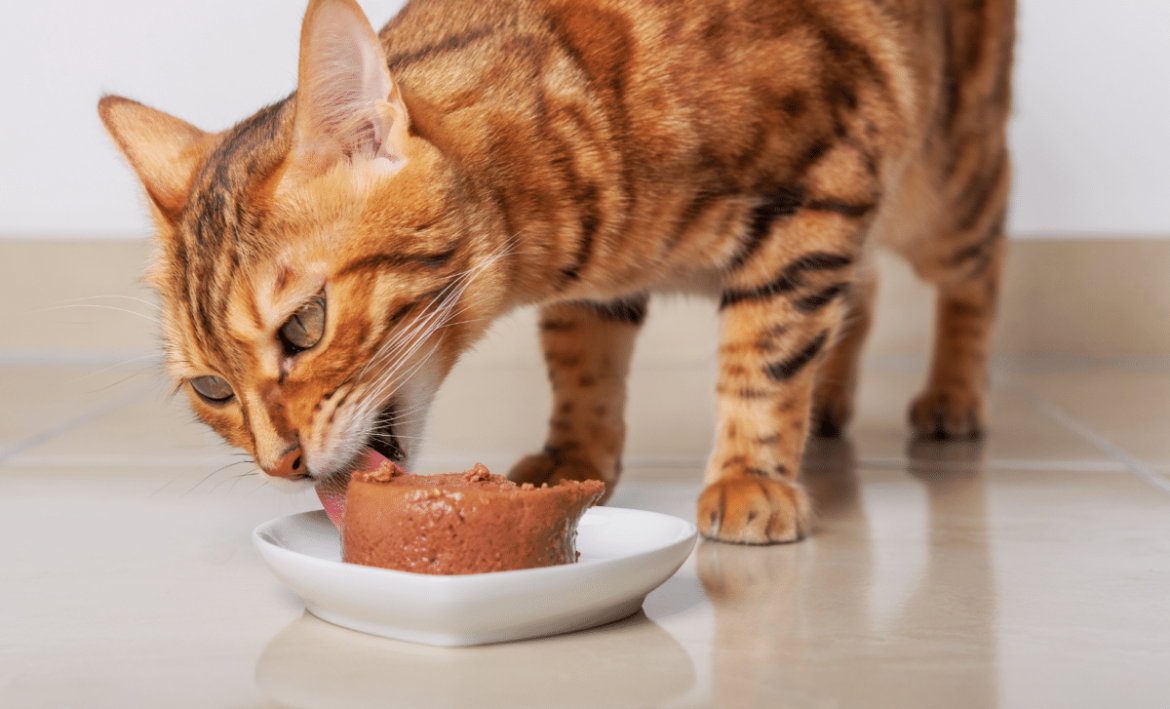
If you’ve ever watched your cat nibble at its meal and then walk away, leaving food behind, you’re not alone. It’s a common behavior that’s puzzled pet owners for years. Now, a new study published in Physiology & Behavior has finally provided some answers. What scientists have uncovered could change the way we understand feline eating habits, and it goes far beyond just being “full.”
The Science Behind Cats’ Unfinished Meals
For years, cat owners have puzzled over why their pets often leave food behind. A new study, published in Physiology & Behavior, has shed light on this long-standing mystery. Led by Masao Miyazaki, a professor at Iwate University, the team found that the scent of food plays a significant role in a cat’s desire to eat. In their experiment, they exposed 12 mixed-breed cats to food in a controlled setting and observed their eating patterns over time.
Through a series of cycles, the researchers tested the cats’ appetite when offered the same food repeatedly. As the study progressed, they noted a clear decline in the cats’ food intake. However, when a new scent was introduced, the cats’ appetite was restored. This was not due to the type of food changing, but simply the novelty of a different smell. The results were consistent, leading the team to conclude that cats’ appetites can be driven by olfactory stimulation.
“This suggests that olfactory habituation and dishabituation play an important role in feeding motivation in cats,” said Masao Miyazaki, the senior study author. Cats, unlike dogs, are slower eaters, and their food preferences are more sensitive to environmental cues, particularly smells. As Miyazaki observed from his own experience, “I keep five dogs at home, and they tend to eat their food very quickly. In contrast, when I feed the cats used in our research, they eat slowly and often leave some food behind.”
A New Understanding of Feline Appetite
Miyazaki’s curiosity about the difference in feeding habits between cats and dogs spurred this research. He noticed that while dogs seemed to eat with enthusiasm, cats would often leave food uneaten, prompting him to delve deeper into the sensory factors influencing feline eating behavior.
“What our basic research suggests is that smell is an important factor in feline appetite,” Miyazaki explained. This finding not only sheds light on feline feeding behavior but also opens up new possibilities for improving the diets of cats, particularly those with health issues that affect their eating habits.
The Implications for Cats with Health Problems
The study’s findings could have immediate applications for cats suffering from conditions that cause loss of appetite. Cats with illnesses such as kidney disease or cancer often eat less, and the introduction of a new scent could help them regain their interest in food. For owners of sick cats, this research could provide a simple yet effective strategy for stimulating their pets’ appetites, potentially improving their overall health and quality of life.
The research team believes that the ability to manipulate the sensory environment of cats could help them eat more consistently. As Miyazaki suggests, “By adding a new scent to their meals, we hope our study helps sick cats that struggle to eat to increase both their appetites and food intake.”
