
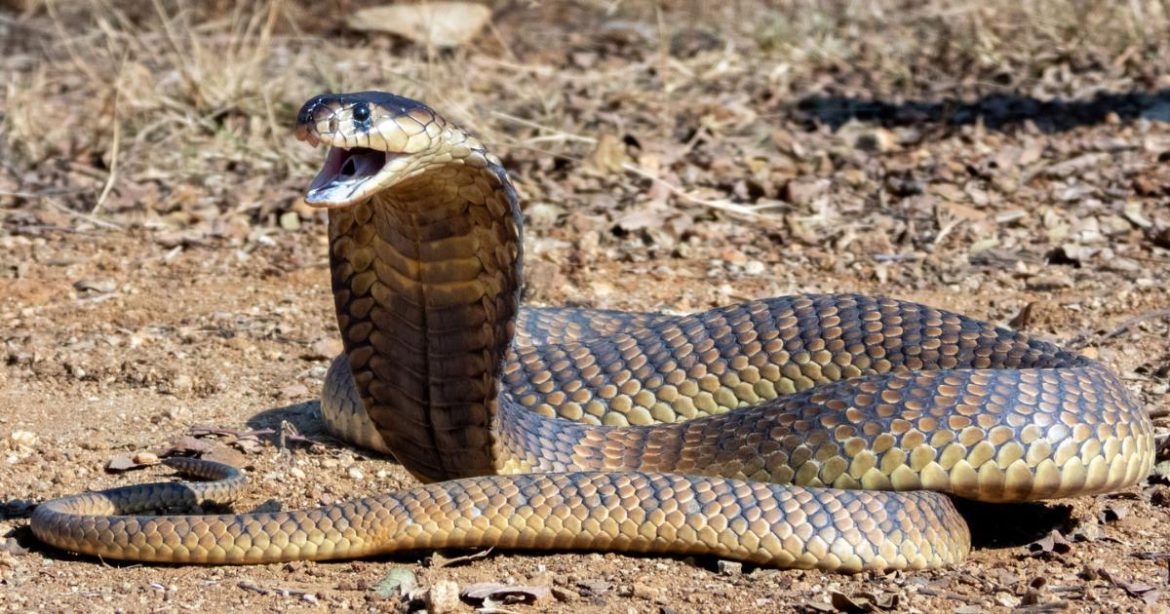
International wildlife charity Born Free has revealed there are more than 2,700 dangerous wild animals being kept privately – with a licence – in the UK and Northern Ireland.
A survey conducted in 2023 revealed 187 private addresses across 126 local authorities hold licences to keep dangerous animals, including crocodiles, tigers and venomous reptiles.
In Wiltshire, there are 73 dangerous wild animals which are owned locally, according to Born Free.
These include:
- Common Brown Lemur: 2
- Collared Brown Lemur: 1
- American Plains Bison: 47
- Bactrian Camel: 3
- Ocelot: 2
- Asian Leopard Cat: 5
- Serval: 1
- Savannah Cat: 1
- Wolf: 4
- Ring-Tailed Lemur: 3
- King Cobra: 1
- Siamese Peninsular Pit Viper: 1
- Pope’s Pit Viper: 1
- Hagen’s Pit Viper: 1
King Cobras are among the most venomous snakes in the world, according to National Geographic, and are one of the dangerous wild animals that call Wiltshire home.
They can grow up to 18 feet in length, making them the longest of all venomous snakes, and they have an average life span of around 20 years in the wild.
King Cobras, which can weigh up to 20 pounds, usually live in the rain forests and plains of India, southern China, and Southeast Asia.
National Geographic adds: “The king cobra—one of the most venomous snakes on the planet—can literally “stand up” and look a full-grown person in the eye.
“When confronted, they can lift up to a third of its body off the ground and still move forward to attack.
“Fortunately, king cobras are shy and will avoid humans whenever possible. It will also flare out its iconic hood and emit a hiss that sounds almost like a growling dog.”
While a King Cobra’s venom is “not the most potent” among venomous snakes, the amount of neurotoxin they can deliver in a single bite (up to two-tenths of a fluid ounce) is enough to kill 20 people, or even an elephant, National Geographic explains.
The wildlife experts add: “Their venom affects the respiratory centers in the brain, causing respiratory arrest and cardiac failure.”
Those hoping to keep species that are considered to be potentially dangerous require a Dangerous Wild Animal licence from their Local Authority.
This law was introduced following public concern about people keeping animals like big cats as pets and aims to safeguard the welfare of the animals as well as protect members of the public.
