
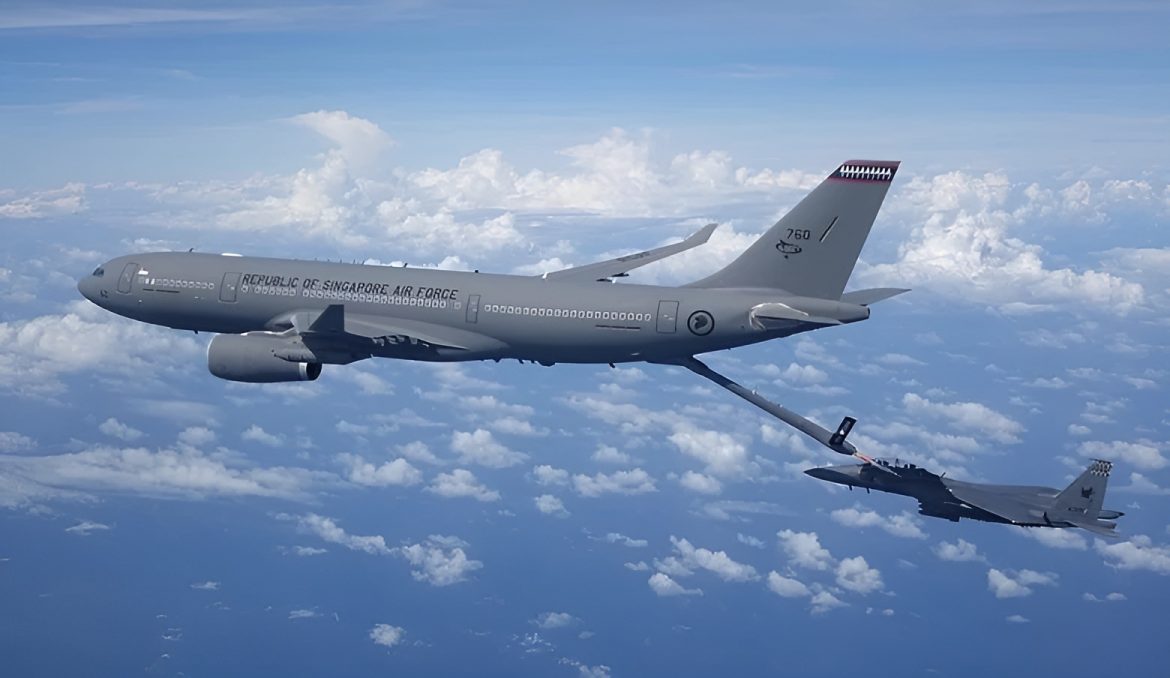
Italy has confirmed plans to procure six Airbus A330 MRTT tankers in a deal worth €1.4 billion ($1.6 billion). The six aircraft will replace the Italian Air Force’s Boeing KC-767 fleet, deepening European alignment around the Airbus refuelling platform.
The acquisition plans were published via the EU’s TED public procurement portal and include 10 years of integrated logistic support. It also marks the end of an often uncertain tanker modernisation programme that had previously centred on the Boeing KC-46 Pegasus.
Italy picks Airbus over Boeing for future aerial refuelling needs
The refresh of Italy’s KC-767 tankers has been a story of twists and turns.
The Italian Air Force has four Boeing 767-based tankers that joined the fleet in 2011 and have an average age of 21 years. In 2021, Italy announced plans to add another two KC-767s to its fleet.
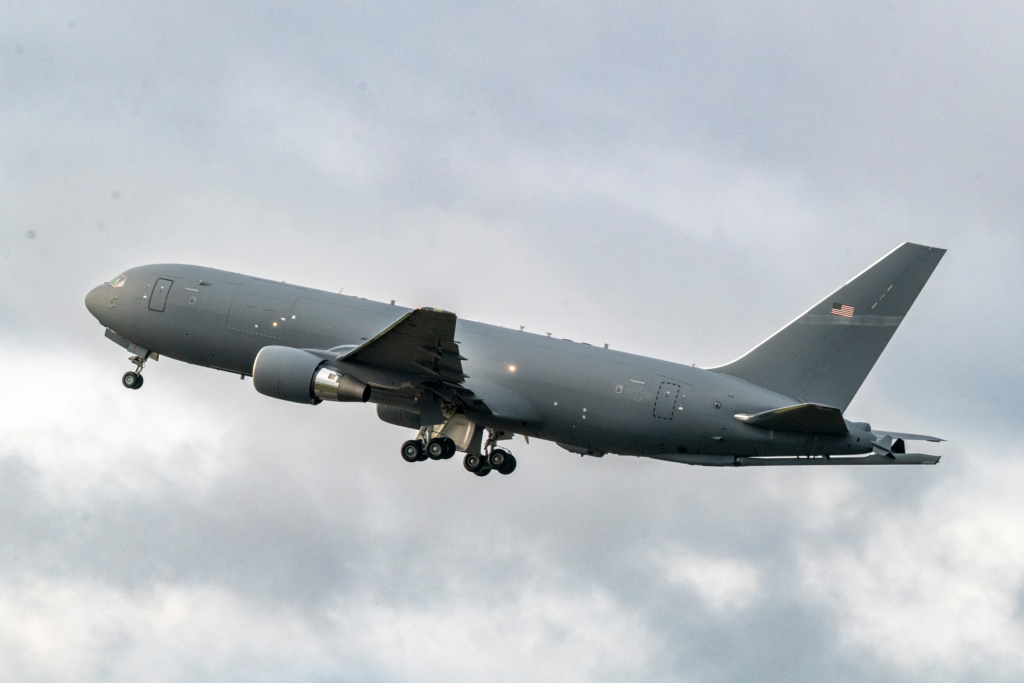
However, a year later, Rome shifted direction and laid out plans to procure six Boeing KC-46 Pegasus tankers to replace the ageing jets. Had it proceeded, the deal was expected to be worth around €1.1 billion ($1.3 billion).
That programme was suspended in 2024, with the Italian Air Force citing “changed and unforeseen needs,” reopening the competition for Italy’s tanker supply.
Rome never officially detailed the reasons behind the reversal of course, although industry reporting at the time suggests there were concerns around acquisition costs, delivery schedules and technical issues.
The revised competition ultimately resulted in Airbus emerging as the sole bidder.
Italy’s decision also avoids what would have been an increasingly unusual position within Europe. Had the KC-46 acquisition proceeded, Italy would have become the only European operator of Boeing’s Pegasus tanker, while many NATO allies continue to consolidate around the Airbus A330 MRTT.
The problem with Boeing’s KC-46
The KC-46 has had issues with its refuelling system, particularly relating to its stiff refuelling boom. An Accident Investigation Board report released in August 2025 noted $23 million of damage caused by the nozzle binding to the receiving aircraft in three separate incidents.

In addition, the aircraft’s Remote Vision System (RVS) suffered from image distortion, poor depth perception and sensitivity to dynamic lighting. The risks were such that the US Air Force restricted certain refuelling profiles at night or in challenging light.
In November 2025, Boeing flew the overhauled RVS 2.0 for the first time, kicking off a testing phase designed to resolve the tanker’s long-standing flaws.
Europe’s tanker fleet consolidates around Airbus
The Airbus A330 MRTT has steadily become the dominant aerial refuelling platform across Europe.
The UK, France and Spain all operate the aircraft, while several other EU nations participate in NATO’s Multinational MRTT fleet based in Eindhoven. These include the Netherlands, Germany, Belgium, Luxembourg, Norway, the Czech Republic, Denmark and Sweden.
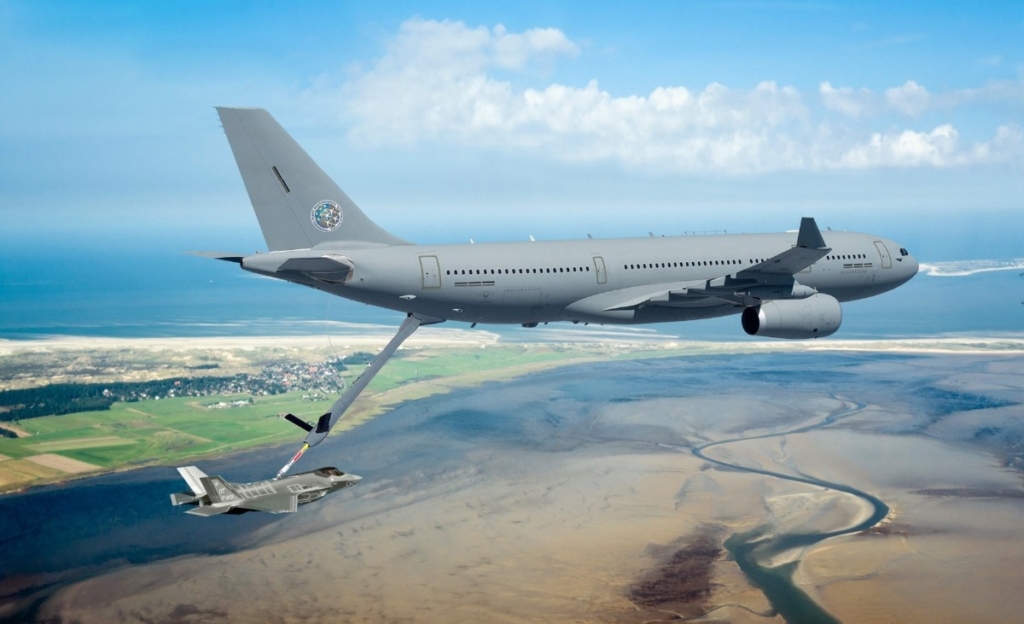
The aircraft’s ability to support both boom and hose-and-drogue refuelling operations has proven particularly attractive to European air forces operating mixed fleets of US and European combat aircraft, including the F-35 and Eurofighter Typhoon.
Derived from the Airbus A330-200 airliner, the MRTT can carry up to 111 tonnes of fuel while also transporting troops, cargo or medical evacuation patients. Airbus says the type has accumulated more than 340,000 flight hours since entering service in 2011.
The company now claims around 90% of the tanker market outside the United States, with 91 aircraft ordered by 19 countries worldwide.
Airbus expands A330 MRTT production capacity
Italy’s order comes as Airbus moves to increase A330 MRTT production capacity amid growing global demand for tanker aircraft.
This week, Airbus confirmed it will open a second MRTT conversion centre at its San Pablo facility in Seville, Spain, complementing the existing conversion line at Getafe near Madrid.
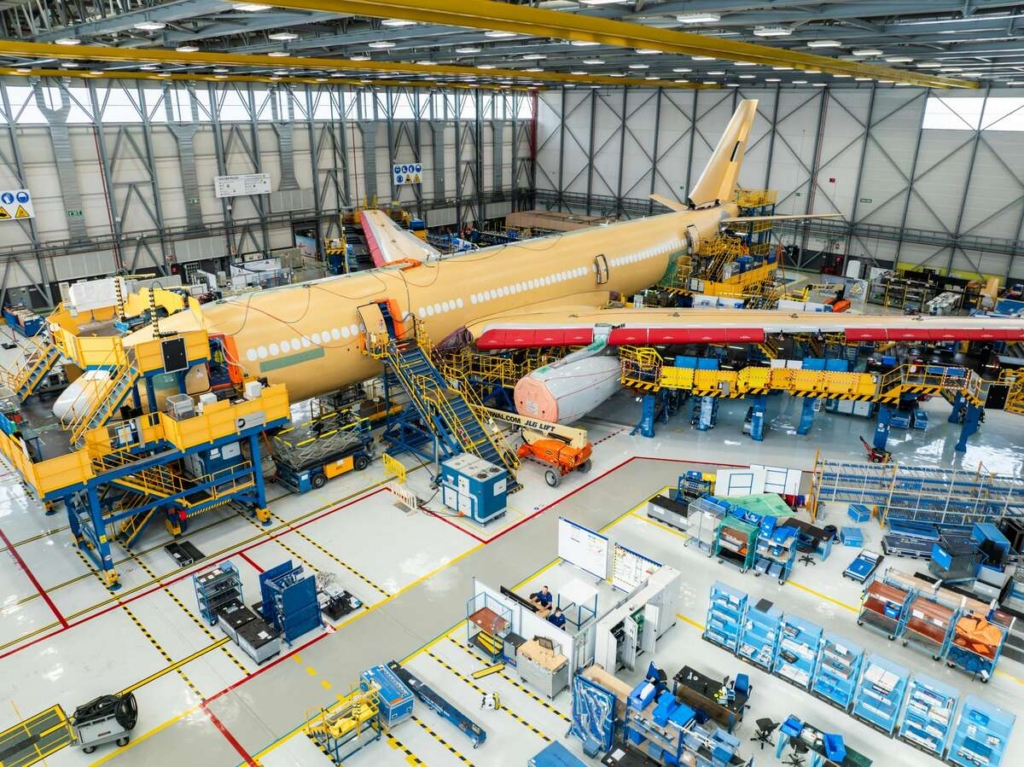
The expansion is expected to increase annual MRTT conversion capacity from five aircraft to seven while also adding maintenance, repair and overhaul capability for in-service fleets.
Additional demand for tanker aircraft is expected in both Europe and the Middle East over the coming years. Poland is evaluating a potential MRTT acquisition through the European Union’s SAFE defence funding mechanism, while Spain has signalled interest in expanding its own fleet beyond three aircraft.
Outside Europe, Saudi Arabia recently ordered additional MRTTs, while Canada is progressing with its CC-330 Husky programme based on the Airbus platform.
It remains unclear whether Italy’s aircraft will be delivered in the current A330 MRTT configuration or the newer A330 MRTT+ standard. The plus standard was launched at the 2024 Farnborough International Airshow and introduces Rolls-Royce Trent 7000 engines and aerodynamic improvements based on the A330neo platform.
Featured image: Airbus
