
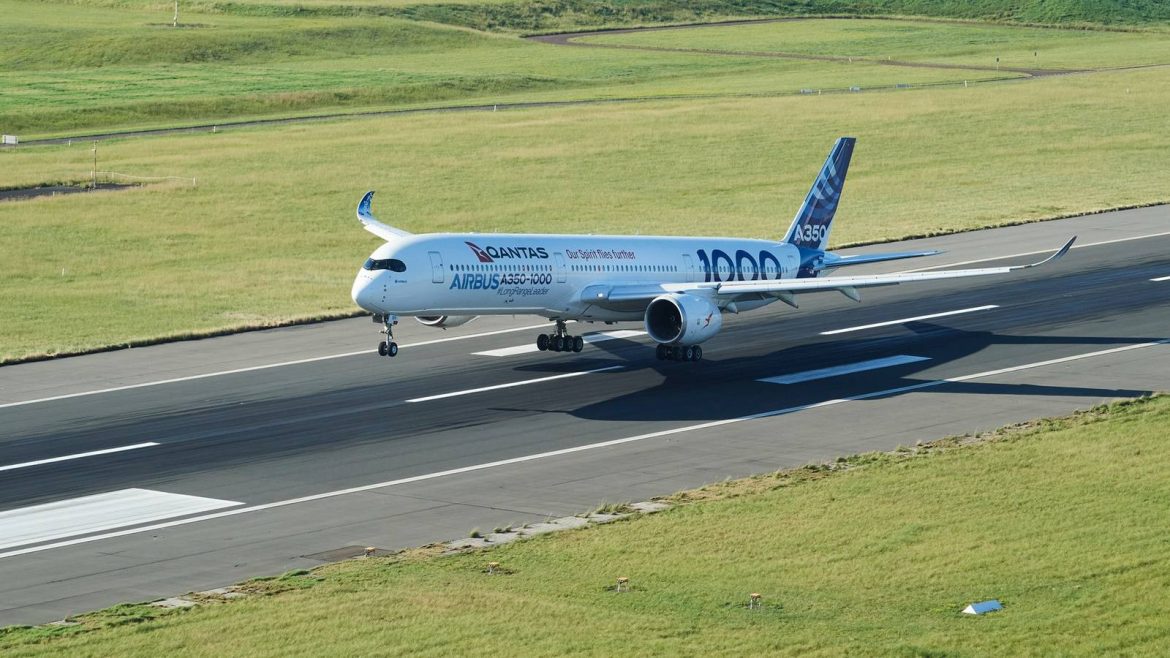
The highly anticipated ultra-long-range Airbus A350-1000 in development to join the Qantas Fleet is facing another delay due to undisclosed supply chain issues, according to Airbus. Bloomberg reported that the first of the A350-1000 jets is expected to arrive in early 2027, sliding past the original delivery at the end of this year.
Dubbed ‘Project Sunrise,’ the aircraft will make history when it becomes the first jet to fly direct, nonstop routes from Sydney, Australia, to London in the United Kingdom and New York City in the USA. The program is a decade in the making, with disruptions caused by the COVID-19 outbreak as well as the global Aerospace supply issues that have persisted in the aftermath, as commercial aviation continues to ramp up to pre-pandemic industrial levels.
Qantas Aims For The History Books With Project Sunrise

The first functional Qantas Project Sunrise aircraft rolled out of the hangar in Toulouse, France, on April 12, 2026. Despite the expected delivery delay for the first jet, Qantas expects Airbus to recover the production pace quickly, aiming to have five A350-1000ULR aircraft in its fleet by November 2027. The airline has said that it will begin flying the extraordinary route once three Jets have arrived in Australia and passed all checks to begin revenue service.
The delay of the first plane means that it is very likely that flights will not begin until the end of next year. Qantas is betting on this unique itinerary to help it carve out more of the international market where operating costs have continued to climb, and competition is simultaneously growing stiffer. The current conflict in Iran is weighing heavily on the aerospace industry, with fuel prices fluctuating in lockstep with every diplomatic change.
Bloomberg reported that Qantas stock saw a value increase of 4.9% following updates that showed signs of positive progress and negotiation between the US and Iran toward a deal that would formally end Operation Epic Fury and bring the hostilities to a close. The airline made this comment following the announcement of the project sunrise delay:
“We continue to work closely with Airbus on the delivery and certification process that will enable us to begin operating these history-making Ultra Long Haul flights.”
Making The A350 ULR: More Than Your Average Widebody

Singapore Airlines has famously operated the A350-900 between its home base at Singapore International (SIN) and New York City’s JFK International (JFK) in Newark Airport (EWR). These routes are currently the longest commercial service available in the world, and remain very popular since they began in 2018. But Qantas wants to take it even further. The A350-1000, being designed for Qantas, builds on the proven engineering that these trailblazing aircraft first pioneered.
There’s a lot more that goes into giving the jets such a stunning range than just adding an extra fuel tank. The A350-1000 has the advantage of being the largest widebody currently in production, but it also benefits from the extremely efficient power plants and aerodynamics to make good use of the extra fuel that will be carried. Looking beyond the performance and mechanical requirements, A host of features are required inside the cabin in order for passengers to not only survive the journey that can take over 22 hours.
Two major mechanical elements of the plane also significantly improve the journey for flyers, including lower cabin pressure compared to legacy jets and much quieter sound levels inside the plane. The new composite fuselage can withstand higher pressurization, which brings the altitude inside down from 8,000 feet to 6,000 feet, greatly reducing dehydration and the lasting effects of fatigue on the body. On top of that, the cabin is far more spacious with a much lower seat count than other A350-1000 jets to not only accommodate more premium seats but give every passenger more room to ‘stretch out.’
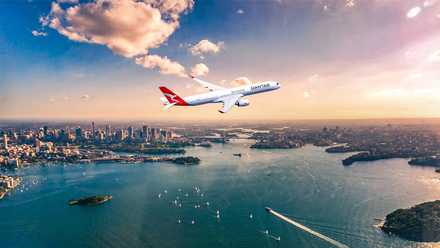
Why Only The Airbus A350-1000ULR Can Make Sydney To London Work Without A Fuel Stop
Larger fuel tanks and a lower passenger and cargo capacity are needed for Qantas’ Project Sunrise flights.
Inside The Next Era Of Globe-trotting Travel At Qantas

Airbus A350-1000 aircraft typically hold over 300 to 350 passengers. Qantas is strictly capping its customized fleet at just 238 seats to guarantee significantly more space per person. Economy seats boast an uncommonly generous 33 inches of seat pitch. Six fully enclosed private suites are designed like a hotel room in the sky. In business class, there are 52 private pods outfitted with sliding privacy doors, a lay-flat bed, bespoke ambient lighting, and large dining spaces.
Situated between the premium economy and economy cabins, this communal, zero-revenue area is open to all passengers. It features built-in wall handles for physical stretching and sculpted surfaces for stretching. There is a self-service hydration station and a healthy refreshment bar designed to stimulate blood circulation and prevent deep vein thrombosis.
