
Personalization, intention, curation: three words driving wedding demand in 2026—and hotels are all too well aware of it.
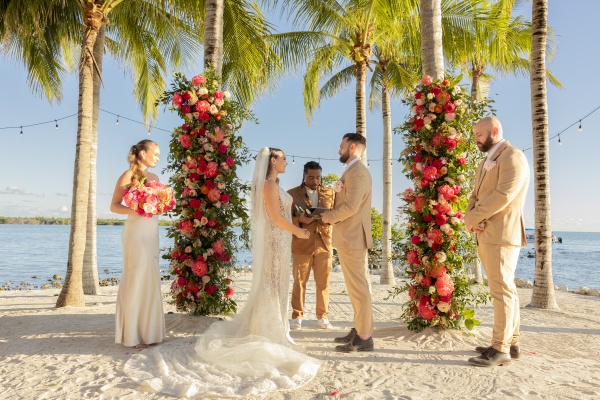
Alt weddings are in; traditional weddings are out, and a move toward “micro weddings” with fewer guests and smaller venues allows couples to reallocate their budgets toward experience-driven elements that aim to reflect their personalities and stories rather than logistics. “Bold color palettes, dramatic floral installations and more immersive décor make an elevated visual impact,” said Allie Hobbs, director of events and planning at the Tides Inn hotel in Irvington, Va. “There is also a departure from long-standing traditions, such as pie or ice cream in place of the traditional cake.” Hobbs said that even beachfront resorts are moving away from the obvious “beachy” look by minimizing décor and highlighting natural elements and scenery instead.
Like any event, cost is an issue. Couples might choose one photographer rather than two, for instance. With this, there has been a shift toward more flexible and customizable packages to design a celebration that reflects their priorities while maintaining a high level of quality and service. “This means offering a well-defined and strong baseline package, but, at the same time, offering curated add-ons that allow couples to tailor their experience within a budget,” said Hobbs.
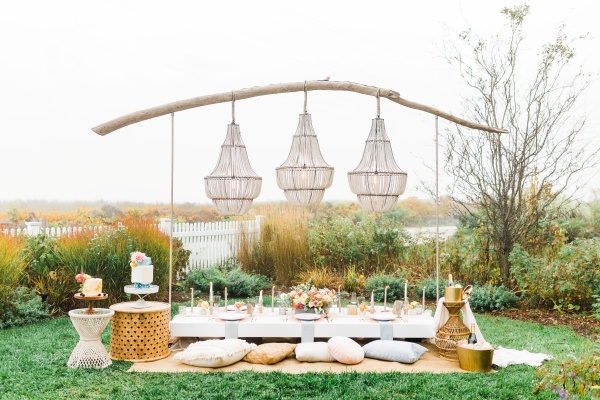
Food and beverage is getting its own unique twist—think coffee bars with unusual syrups and enhancements; interactive dining that includes making your own key lime pie; or standout photo moments, such as a tiramisu champagne tower, noted Abe Liao, VP of operations at EOS Hospitality.
More specific preferences have shifted toward locally sourced seasonal ingredients, more casual dining experiences and fewer upgrades to premium proteins. “Guests may still order the fish, but the less expensive fish,” Liao added.
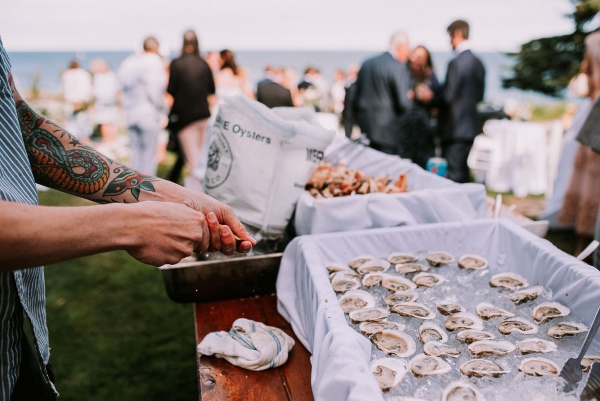
At the Tides Inn, customized menus, signature cocktails, expanded hors d’oeuvres selections and experiences like oyster roasts are some examples of popular add-ons. “These not only enhance the guest experience but also create a strong sense of place, which is especially meaningful in a destination setting,” said Hobbs.
BEHIND THE BIG DAY
One of the biggest obstacles with hotel weddings is maintaining privacy as regular hotel operations, of course, go on. The Tides Inn offers options that include a partial or full resort buyout, which provides a greater level of privacy and allow for a more immersive and customized wedding experience, which in the end allows couples more flexibility in how they utilize the space and structure their events throughout the weekend.
In addition, Liao commented that there’s more resistance to guaranteed room blocks. “We’ve shifted to offering courtesy blocks to take the pressure off couples,” he said. Resort fees can also give couples pause. “They want to know what they are and what is included. But once we walk through everything and show them the value, they get it. It just requires a conversation,” he said.
Another common challenge is cost perception. At first glance, hotel venues can appear more expensive compared to standalone venues. However, much of that comes from the fact that hotels offer a comprehensive, full-service experience, inclusive of food and beverage, furnishings, linens, table settings, bar setup and professional staffing. “A key part is setting clear expectations early and educating couples on overall value,” Hobbs said. “By walking them through what is included and how it contributes to a seamless, elevated experience, we’re able to reframe the conversation from cost to value.”
Ultimately, success comes down to how well hotels balance creativity with clarity. Couples are willing to spend, but they expect the outlay to feel intentional, personalized and worthwhile. For hoteliers, that means leaning into flexible design, transparent pricing and experience-led offerings that resonate on an emotional level while still driving profitability. Those who can deliver both meaning and margin will be best positioned to turn today’s highly curated celebrations into long-term business growth.
