
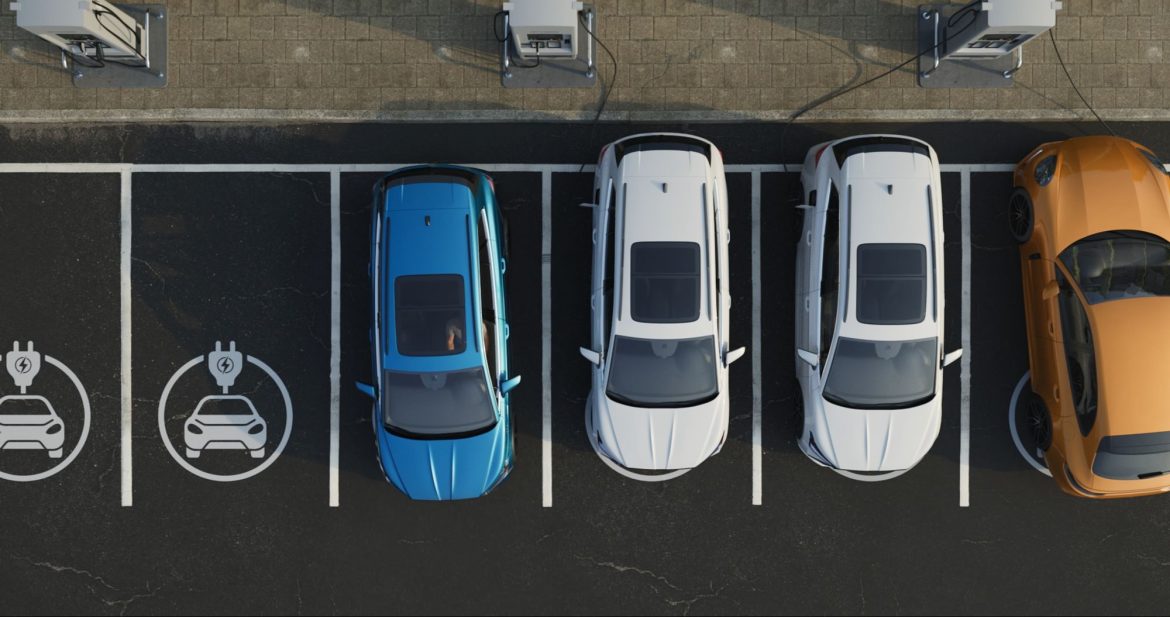
Rolling out EV charging in cities is notoriously difficult,., so Clean Cities have published a new guidebook titled ‘From Plan to Plug’ offering European cities a step‑by‑step solution to the most common barriers.
The guide has examined the roll out of such infrastructure in 30 European cities, highlighting and drawing inspiration from, the success stories.
Clean Cities Senior Director, Barbara Stoll, said: ‘With fuel prices at record highs, cities can’t afford to spend years reinventing the wheel on EV charging. Almost every major challenge has already been solved somewhere in Europe.
‘The key is to develop a clear masterplan, focus on the users who depend most on public charging – especially high-mileage fleets and people who can’t charge at home – and use contracts to keep prices fair. Getting public charging right will be critical to speeding up the shift to electric vehicles and helping Europe get off oil fast.’
Some of the essential lessons to be taken from the report are:
Start with a Masterplan, not requests. The guide’s core message is that successful cities do not react to individual driver requests or short‑term funding. Instead, they create a strategic, regularly updated Charging Masterplan that aligns with broader mobility goals (public transport, cycling, walking) rather than simply accommodating more private cars.
Get the governance right first. Many delays happen because no single person or department is in charge. The guide recommends appointing a clear lead office, defining roles across mobility, planning and procurement, and coordinating with neighbouring authorities. Streamlining permits is also critical: cities like Amsterdam and Stockholm use standardised checklists and pre‑approved sites to cut red tape.
Choose the right ownership model early. There is no one‑size‑fits‑all. Cities can own and operate chargers (Barcelona), own them but contract out operation (Madrid), use concessions (Amsterdam), or rely on an open market (London). The key is to embed public‑interest rules – affordability, uptime and data sharing – into contracts from the start.
Deploy smartly, not everywhere. The guide argues that on‑street kerbside charging should be a last resort. Priority should go to private charging (homes, depots), then semi‑public (workplaces, supermarkets), then public hubs. Slow chargers are for long‑stay locations; rapid chargers belong in dedicated hubs, not scattered across residential streets.
Use procurement to deliver equity and low prices. Cities can batch high‑demand and low‑demand sites into the same tender to avoid ‘cherry‑picking’ of profitable areas. They can set price caps, mandate kWh‑based pricing, and use parking policy (e.g., lower fees for EVs, blocking fees for overstaying) to keep public charging affordable for those without home access.
Prepare the grid and buildings. The guide says treat grid capacity as a hard constraint: map it early, involve the distribution system operator, and use ‘grid‑first’ site selection. It also urges cities to mandate that new and renovated buildings are ‘EV‑ready’ (pre‑cabling and capacity), and to adopt ‘right‑to‑plug’ rules for apartment residents.
Demand transparency and future‑proofing. Cities should require real‑time data sharing on charger status and pricing, open access (no subscription needed), and support for bidirectional charging (vehicle‑to‑grid) and smart charging to manage peak demand.
In essence, the guide argues that local context differs, but proven solutions exist. A city does not need Oslo’s budget to succeed; it needs a clear plan, the right governance, and the courage to steer markets rather than follow them.
The guide can be downloaded here.
