
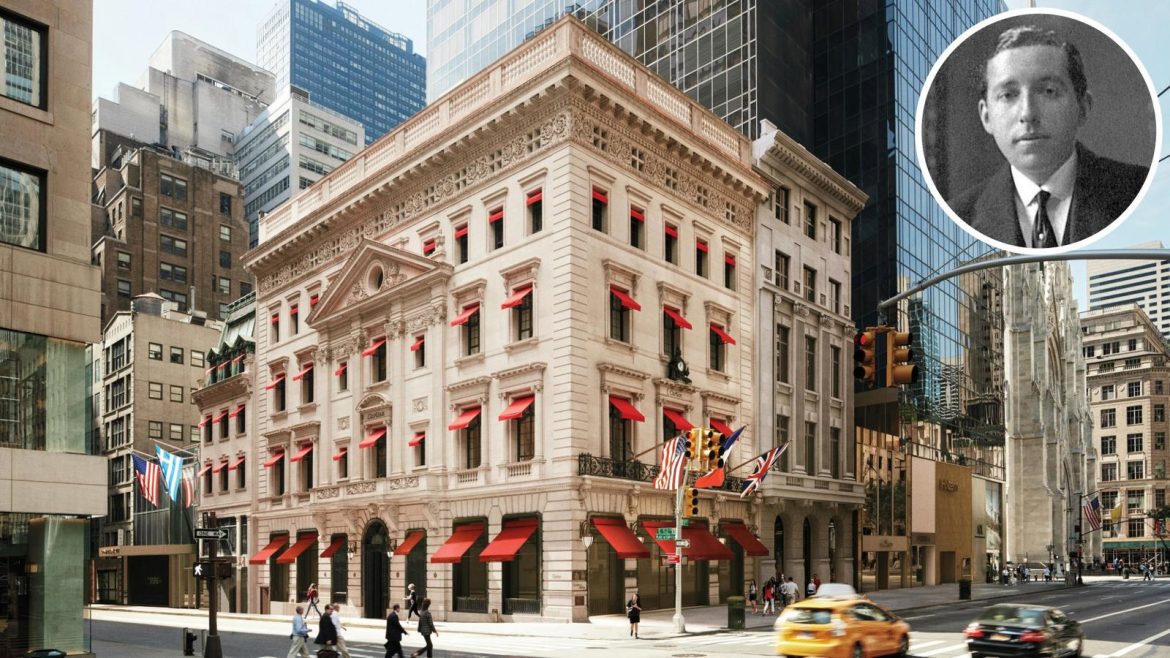
In the world we live in today, exchanging a necklace for an entire six-story mansion on Fifth Avenue would be almost impossible, unless, perhaps, we were talking about the priceless Koh-i-Noor. But in the early 20th century, when luxury was more theatrical and value was often dictated by desire rather than data, such an exchange was not only possible, it became the stuff of legend. That is exactly how two people got what they wanted. Pierre Cartier fulfilled his real-estate dream by acquiring the mansion at the southeast corner of Fifth Avenue and 52nd Street, while tycoon Morton Plant’s wife, Maisie Plant, received the irresistible and extraordinary Cartier pearl necklace she had long admired. It was the kind of transaction one could scarcely imagine today, part business deal, part love story, and part masterstroke of luxury branding.
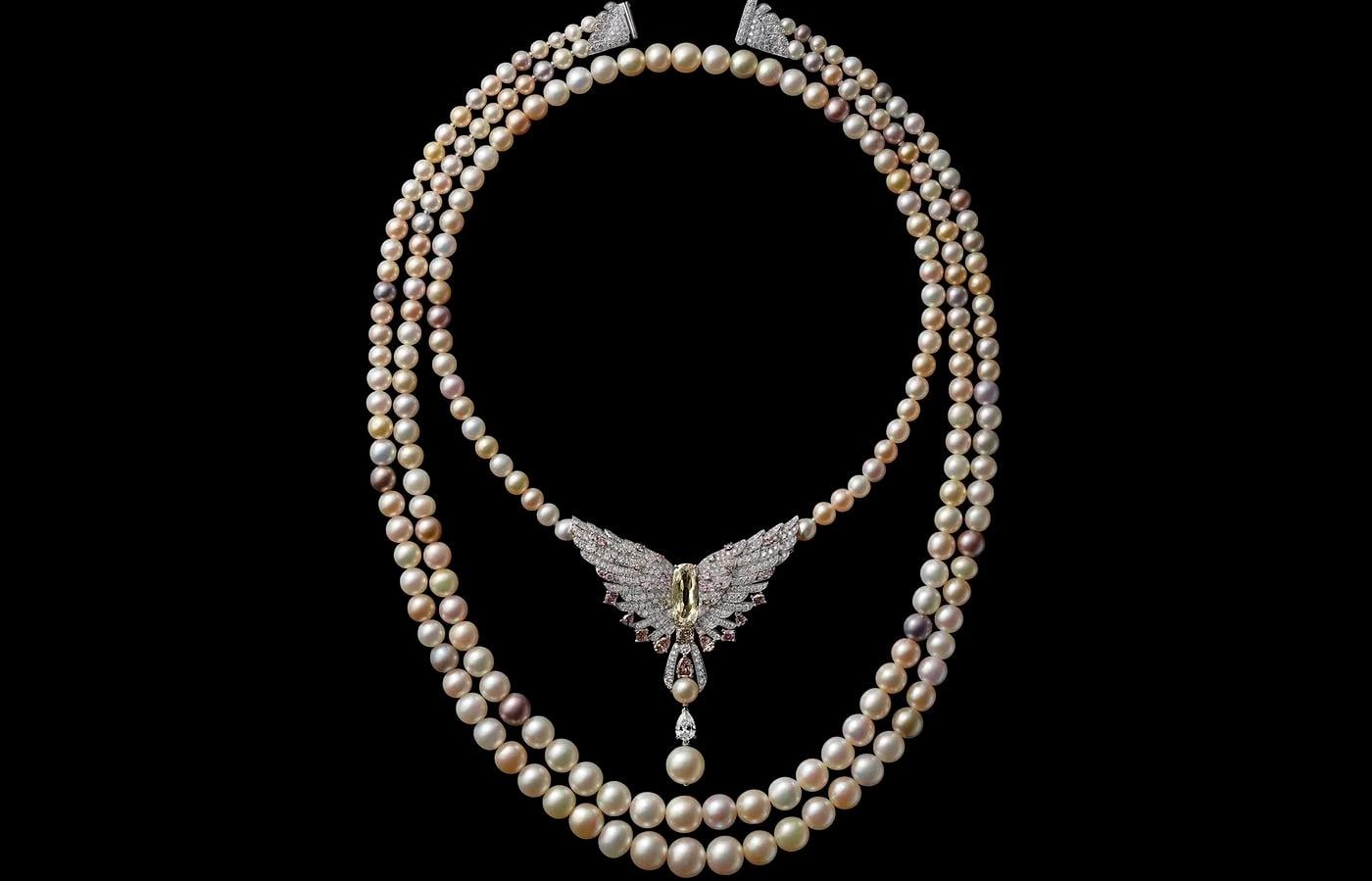
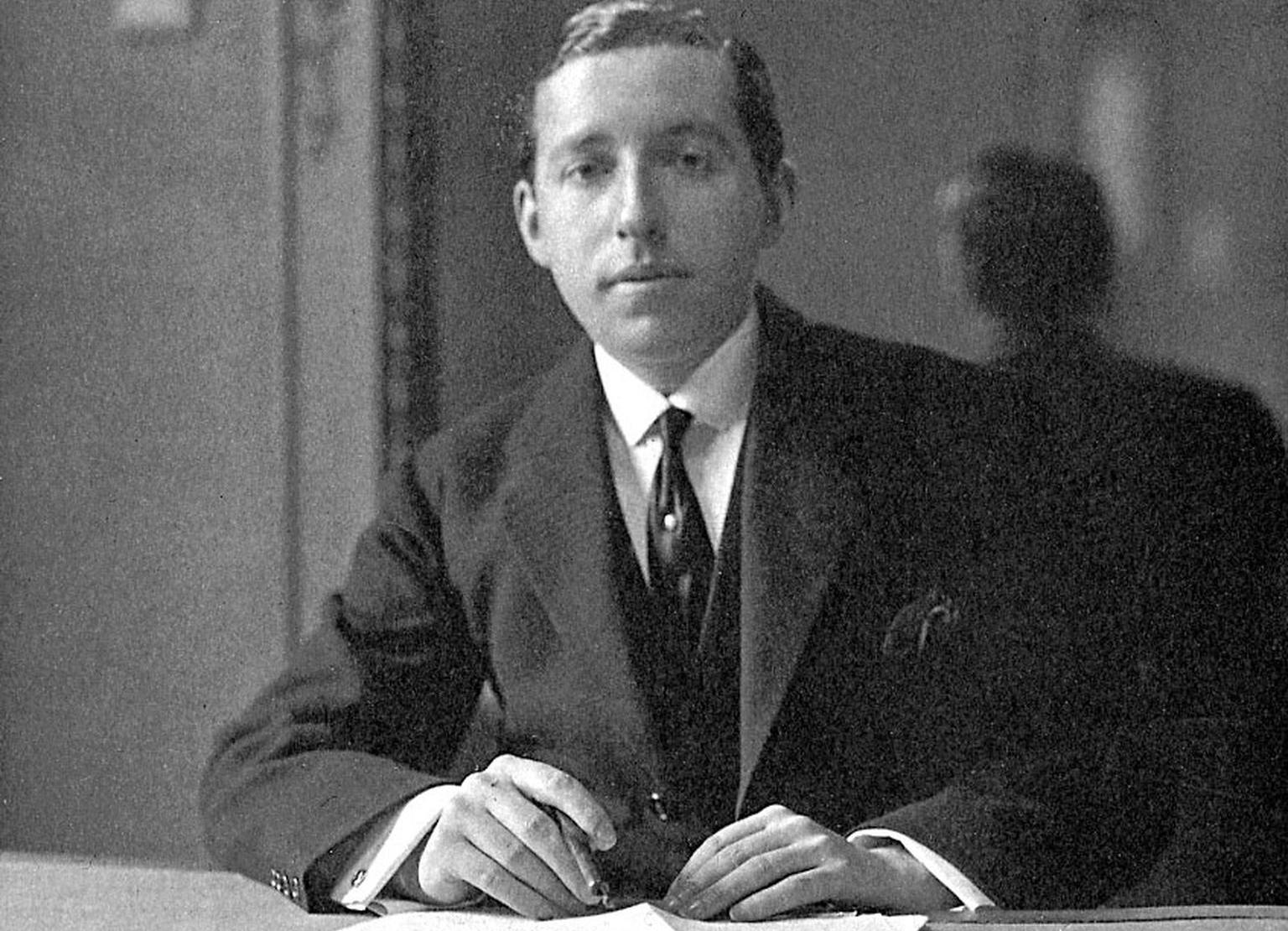
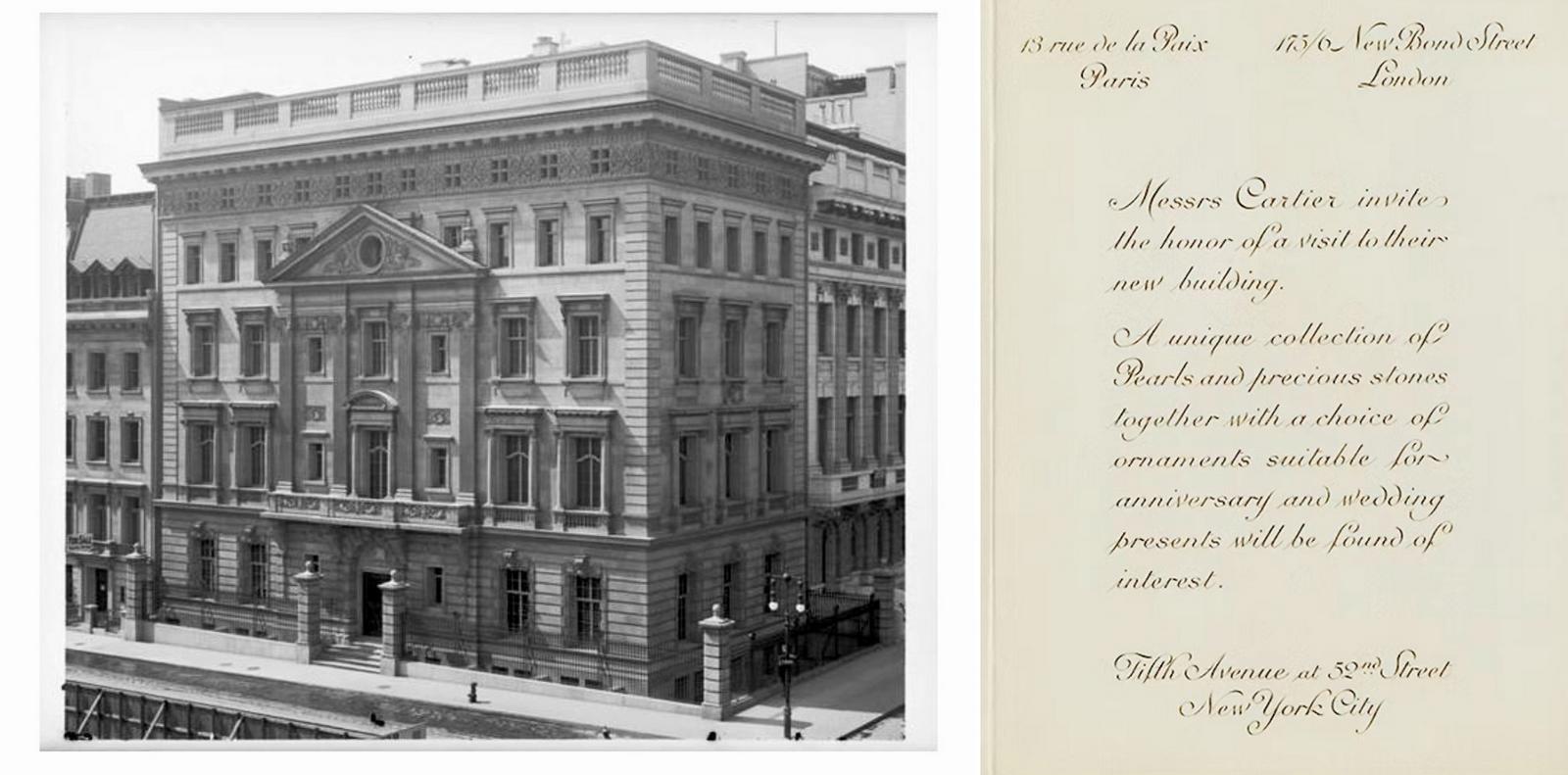
In 1917, Pierre Cartier was determined to establish Cartier as a serious luxury force on Fifth Avenue. The Renaissance-style mansion, built of limestone, marble, and granite, was exactly the kind of address that could transform the maison’s presence in America. As soon as Cartier learned that the well-heeled Plant family was planning to move uptown, he found a way to put the Cartier name on 653 Fifth Avenue with one magnificent pearl necklace.
Maisie Plant, the wife of railroad and steamship heir Morton F. Plant, had long admired a rare double-strand necklace composed of 128 matched natural pearls, each harvested from the sea and painstakingly matched for size, color, and shape. That was no small feat. Finished with diamond clasps signed Cartier, the necklace was valued at around $1 million, an astonishing figure for 1917, and even more than the iconic address itself. These natural pearls had been collected over many years, long before cultured pearls flooded the market, and were considered far more valuable than diamonds. The deal involved $100 and the necklace in exchange for the building, leaving both sides with exactly what they desired.
The irony of the deal
Time, however, has a wicked sense of humor. The $1 million Cartier pearl necklace that once seemed more precious than the mansion itself would soon become a victim of changing tastes and changing markets. Once cultured pearls entered the market in serious volume, natural pearl values collapsed. Maisie Plant’s necklace lost so much of its value that when it went under the hammer in 1957, it sold for roughly $157,000.
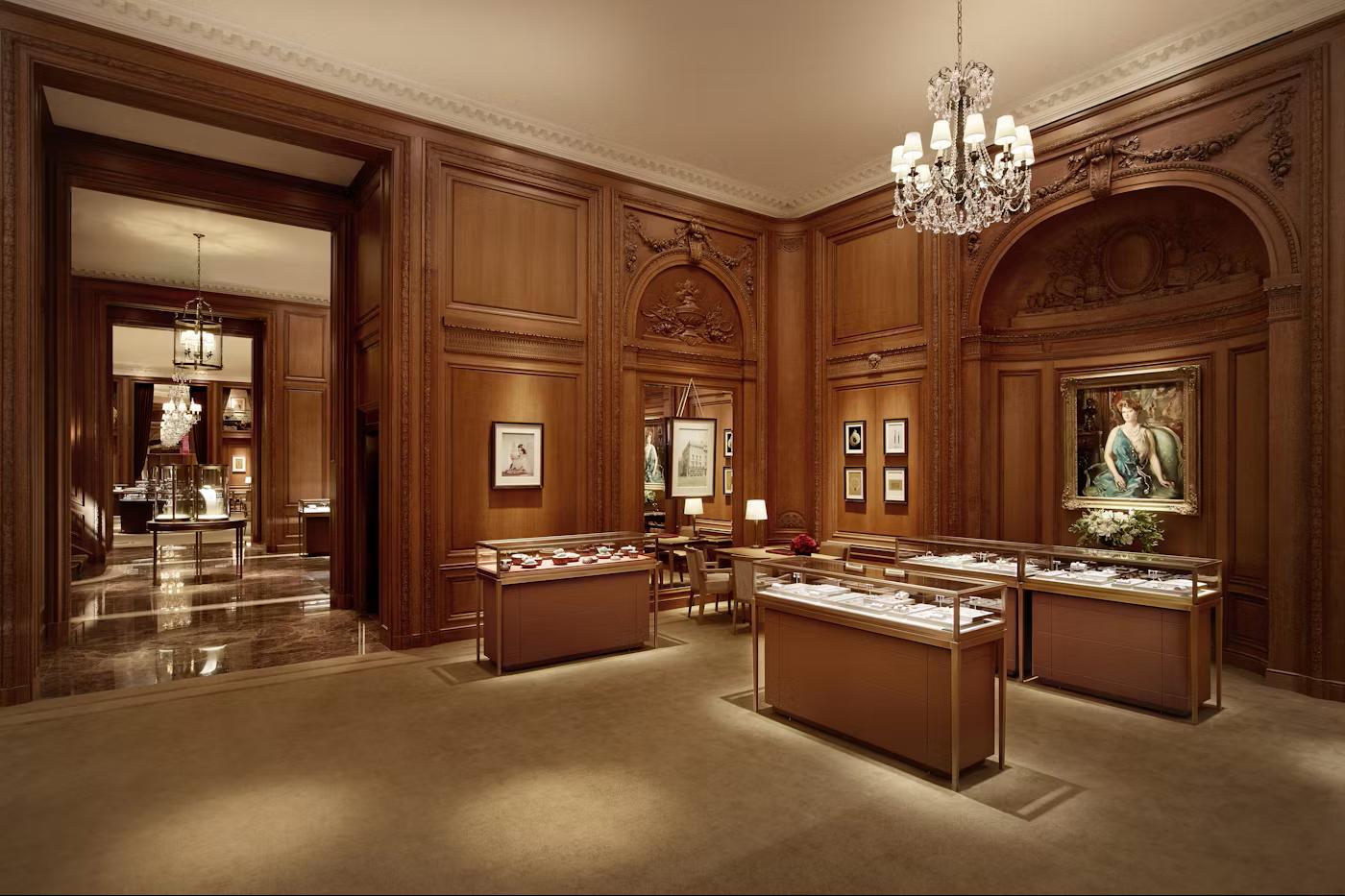
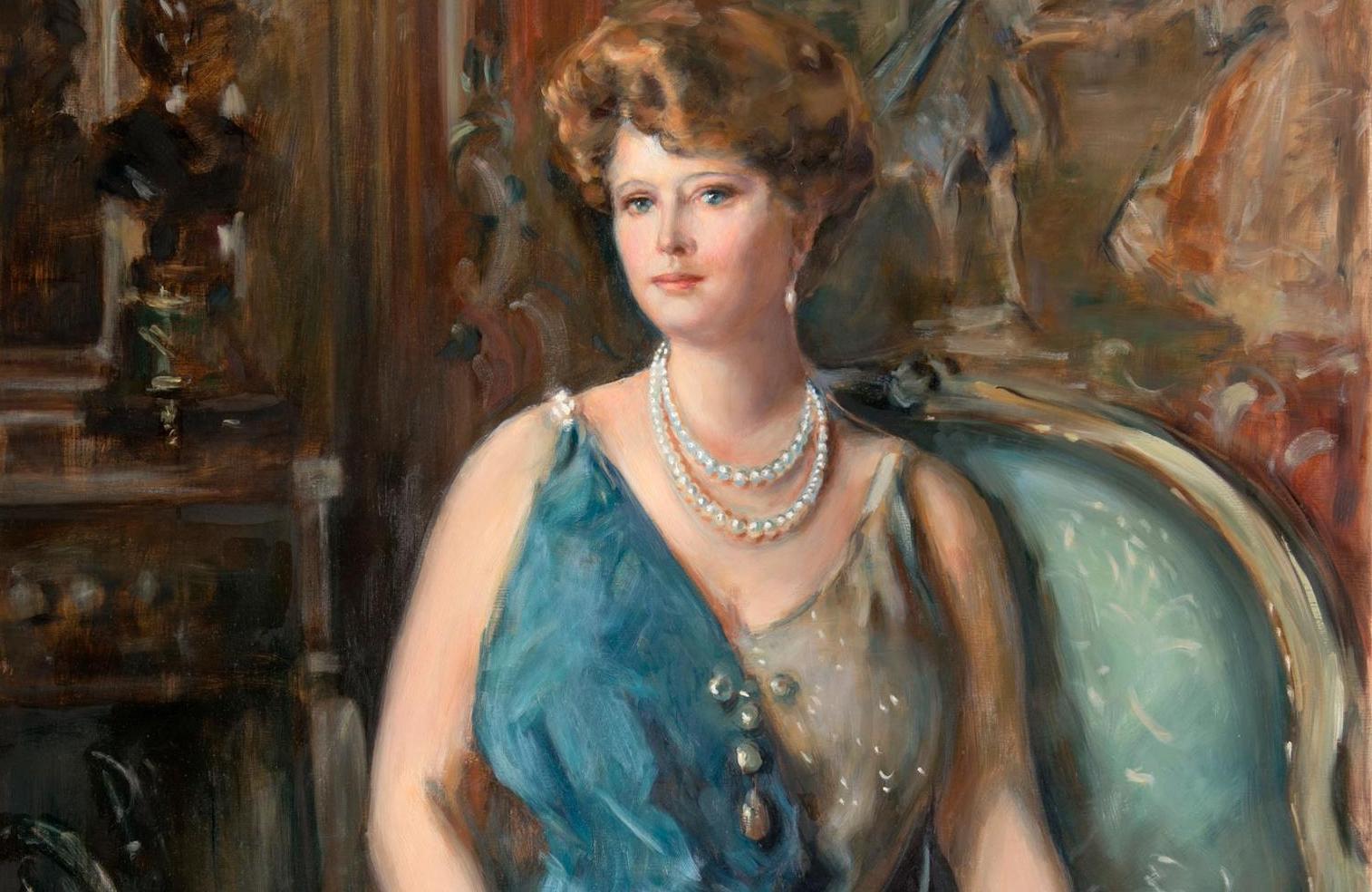
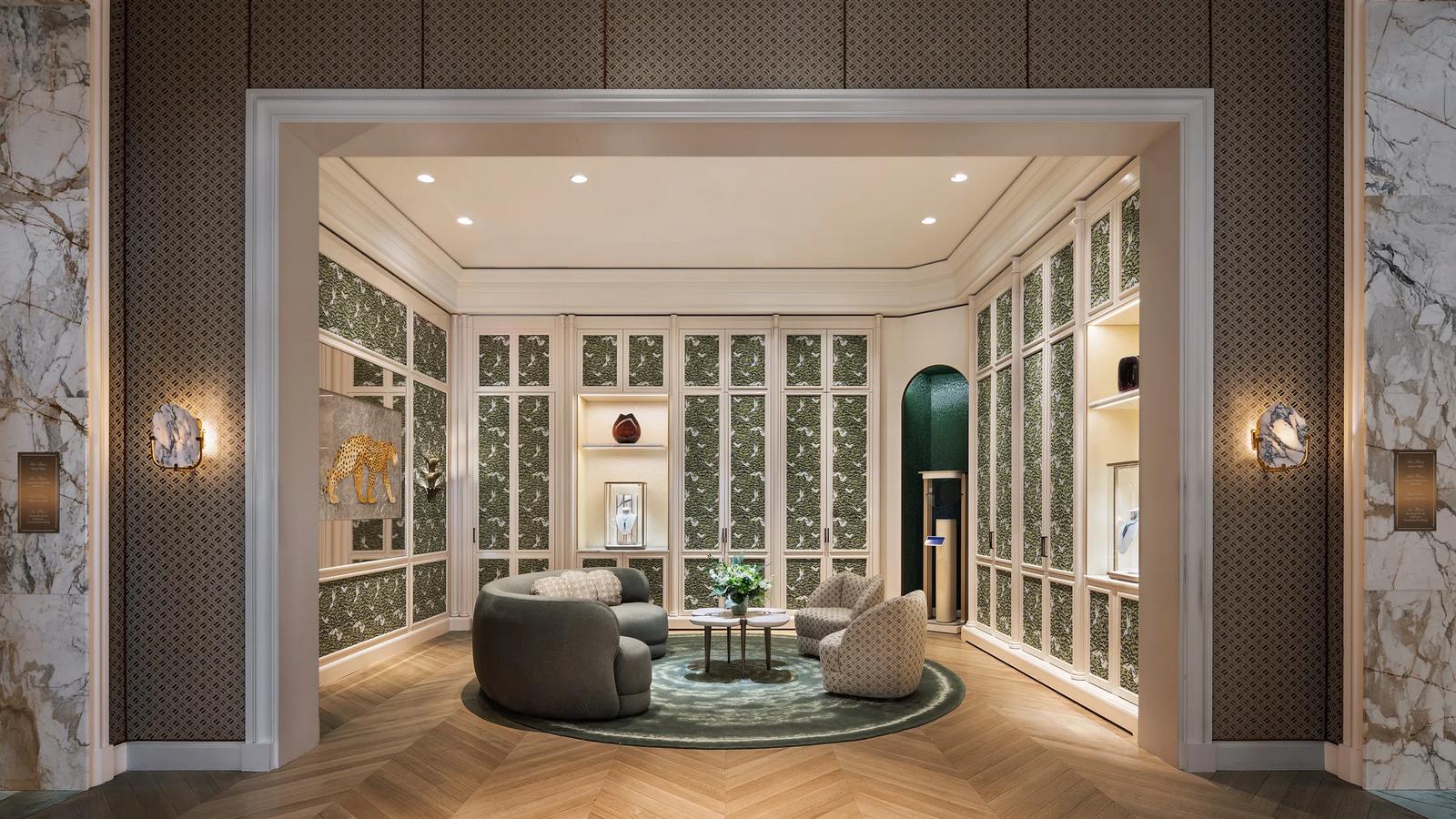
The real estate did the exact opposite. The mansion became one of the most valuable and symbolically powerful luxury addresses in America. Even today, the story of the necklace has not disappeared into Cartier folklore. The flagship, which underwent a major renovation in 2016 and was later refreshed by Parisian designer Laura Gonzalez, includes the Maisie Plant Salon, a direct tribute to the woman whose desire for pearls helped Cartier secure the building. Her portrait still hangs inside the mansion today.
The Cartier address like no other
Pierre Cartier’s decision changed the game for Cartier in America. The grand 653 Fifth Avenue mansion became more than a store. It became Cartier’s New York temple, a place where the maison’s history, high jewelry, elite clientele, and Fifth Avenue prestige all came together under one aristocratic roof. Its importance became so deeply woven into New York that, in 2001, the corner of Fifth Avenue and 52nd Street was officially named Place de Cartier. That small but telling detail says everything. What began as a private Gilded Age residence became a landmark address so closely tied to the French jeweler that even the corner outside it now carries the Cartier name.
Inside, the mansion is divided into worlds of its own. There is a high-jewelry floor, a hospitality suite in Morton Plant’s former music room, a private dining room, bridal rooms, a Champagne-toned engagement-jewelry VIP salon, and a fourth-floor customer-service suite. It also includes salons named for some of Cartier’s most famous cultural icons and clients, including Princess Grace of Monaco, Elizabeth Taylor, Gary Cooper, Andy Warhol, and Santos-Dumont.
More than a century later, the circumstances have changed. Today, Cartier owns the legend of 653 Fifth Avenue, but it appears to lease the building itself. The maison operates under a long lease and occupies about 55,000 square feet at the Cartier Building.
