
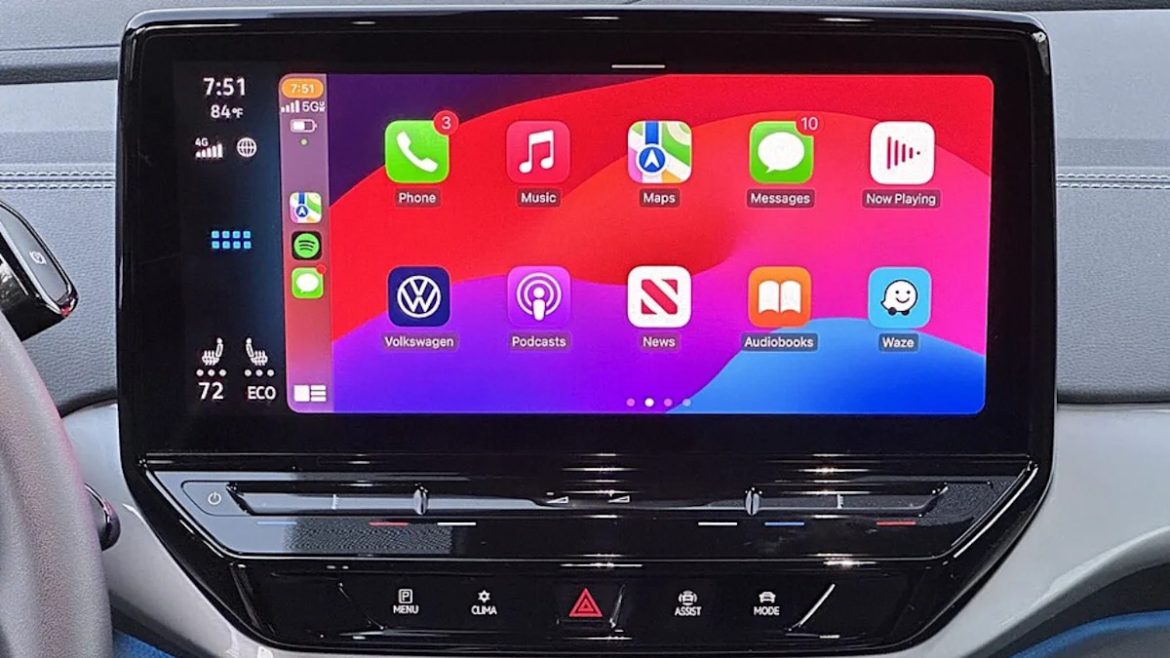
Over-the-air software updates have become a normal part of owning many modern vehicles, especially electric cars. They allow automakers to fix bugs, improve performance, and even add new features without requiring a visit to the dealership.
While those updates are generally seen as a convenience, they can occasionally create unexpected situations for owners. One Volkswagen driver recently shared an experience that turned a routine lunch stop into an hours-long wait.
The incident was posted on TikTok, where the owner explained that she and her husband returned to their vehicle only to discover it had begun installing a software update. According to the couple, the car could not be driven until the installation was complete.
Advertisement
Advertisement
Their story quickly attracted attention online, with viewers debating whether this is simply part of owning a software-driven vehicle or an inconvenience manufacturers should do more to avoid. Volkswagen has since explained how its over-the-air update process is intended to work.
A Simple Lunch Stop Turned Into a Long Wait
According to the TikTok creator one_lucky_wife, the couple had just finished eating at a barbecue restaurant and were ready to head home. Instead, they found their Volkswagen displaying a software installation that prevented them from driving away.
The owner said they remained parked outside the restaurant for nearly two hours while waiting for the update to finish. The situation became even more awkward because their vehicle was parked directly in front of the entrance, making them feel as though they were drawing unwanted attention from customers walking by.
In a follow-up comment, she joked that she was worried someone might eventually wonder why they had been sitting in the same parking space for so long. Although the experience was shared humorously, she admitted it left her frustrated and concerned about future updates.
Vehicle Functions Were Reportedly Limited
The TikTok creator also claimed that most of the vehicle’s systems were unavailable while the software was installing. She said the air conditioning initially continued working, but the cabin gradually became warmer and more humid as they waited.
Advertisement
Advertisement
After finally leaving the parking lot, the owner said the incident changed how she felt about driving the vehicle. She explained that she now worries another lengthy software update could happen at an inconvenient time.
The video prompted plenty of discussion from other drivers. Some questioned whether they would be comfortable relying on a vehicle that could become temporarily unusable during a software installation, while others pointed out that connected vehicles from many brands now receive similar updates.
Why Modern Vehicles Receive OTA Updates
Over-the-air updates have become increasingly common as automakers add more software-controlled features to their vehicles. These updates can improve battery management, resolve software bugs, enhance infotainment systems, and even deliver certain recall-related fixes without requiring dealership appointments.
Because many of these updates modify critical vehicle systems, manufacturers often disable some or all driving functions while the installation is taking place. Owners are generally advised to begin updates only when they know they will not need the vehicle for an extended period.
Advertisement
Advertisement
Consumer advocates also recommend leaving the vehicle parked in an area with a reliable cellular connection and allowing the installation to finish without interruption. Doing so helps reduce the risk of software errors during the update process.
Volkswagen Explains the Update Process
Photo Courtesy: Volkswagen.
Following reports of the incident, Volkswagen confirmed it was aware of a recent over-the-air software update for the ID.4 electric SUV. The automaker said drivers are presented with prompts inside the vehicle and must actively approve the installation before it begins.
Volkswagen added that the update does not start automatically and that customers are notified that the installation can take up to three hours. The company acknowledged that lengthy updates may be inconvenient and said it has improved customer communications by providing clearer estimates for installation times through both the vehicle and the myVW mobile app.
Software Is Becoming Part of Vehicle Ownership
As vehicles become increasingly software-dependent, wireless updates are expected to play a larger role in routine ownership. They can eliminate dealership visits and deliver new features remotely, but they also introduce new considerations that drivers may not have encountered with older vehicles.
Advertisement
Advertisement
The couple’s experience serves as a reminder that software maintenance can occasionally interrupt travel plans, even when everything else is working normally. Planning updates for times when the vehicle is not immediately needed may help drivers avoid similar delays if a major installation becomes available.
If you want more stories like this, follow Guessing Headlights on Yahoo so you don’t miss what’s coming next.
