
Key Points
-
Frogs sometimes seek shelter from predators in houseplants due to their moist conditions.
-
If the frog isn’t native to your area, contact a wildlife expert before releasing it into the wild.
-
Check new plants thoroughly for frogs and pests before bringing them home to avoid unwanted surprises.
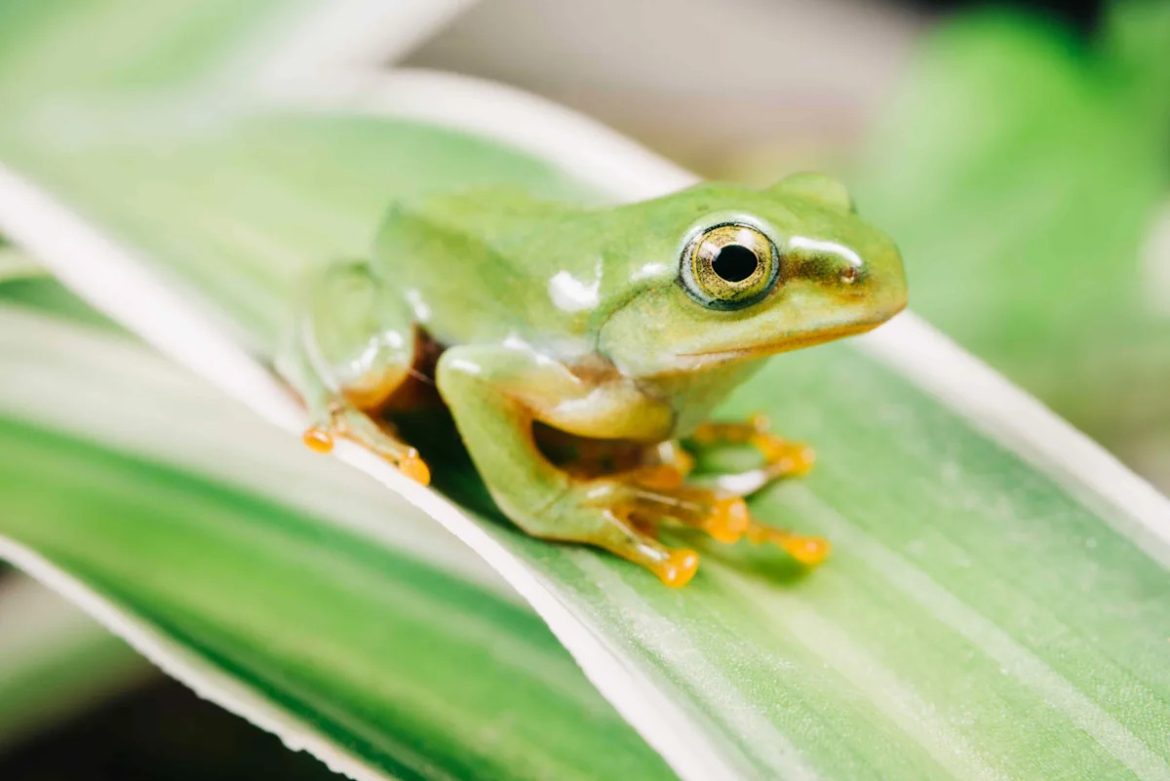
Believe it or not, frogs can sometimes hitch a ride inside a houseplant. If you just brought a new plant home from a nursery greenhouse, there’s a small chance it could have a frog hiding in it. The damp potting soil and standing water in the saucer mimic the frog’s moisture-rich natural habitat, making houseplants appealing homes for these animals. Ahead, an amphibian expert explains what to do if you find a frog in your houseplant.
Meet Our Expert
Ali Baghdadi, president of the Lincoln Herpetological Society and a Chicagoland-based amphibian and reptile expert and owner of The Reptile Den
Related: What to Do If You Find a Rabbit Nest in Your Yard, According to a Wildlife Expert
Why Frogs Hide Inside Houseplants
Prey for birds and small mammals like raccoons, frogs will seek shelter wherever they can to evade predators. Sometimes, they conceal themselves in the moist soil, leaves, or drainage saucers of houseplants, says Ali Baghdadi, the president of the Lincoln Herpetological Society and owner of The Reptile Den. This typically happens when a frog finds its way into a plant nursery’s greenhouse and looks for a source of moisture to survive the hot conditions.
How to Relocate the Frog
Do not immediately release the frog outside, especially if the plant came from another state or country, says Baghdadi. Non-native frogs can be invasive, so you don’t want to release a frog that isn’t native to your region. “Instead, take clear photos and contact a local wildlife rehabilitator, wildlife agency, or herpetological group for identification,” he says. Then lightly guide the frog into a ventilated container with a slightly damp paper towel. “Avoid unnecessary handling because amphibians have very absorbent skin and can be harmed by your soap or lotion,” Baghdadi warns.
If the frog is confirmed to be a native local species, it can usually be released in a shaded, sheltered area near suitable habitat around dusk. A water garden or near a pond would be the ideal setting. But don’t release the frog at peak heat, since the frog won’t know where to find shelter in its new locale and may dry out in the sun.
Can It Stay in the Houseplant?
If the plant is kept outdoors, the frog, if it’s not invasive in your area, can stay put as long as the area is shaded, pesticide-free, and protected from pets, says Baghdadi. The frog will eventually move on by itself, finding a more suitable environment away from people. However, you should never leave a frog in a houseplant if the plant remains indoors. A frog left inside a home without a proper enclosure will dehydrate and eventually starve, he warns.
How to Prevent It from Happening Again
Examine new plants carefully before bringing them home with you. Baghdadi says to look on the undersides of the plant’s leaves, around the soil, beneath the pot, and near drainage holes. “A flashlight can help reveal small hidden frogs,” he says.
Luckily, it’s rare to find a frog in a houseplant, but doing a good search can help you prevent bugs and other unwanted houseguests from moving into your home. “Plants that were kept outdoors can also be placed temporarily in a bathroom or other easy-to-search room and checked for a few days,” he says.
Read the original article on Martha Stewart
