
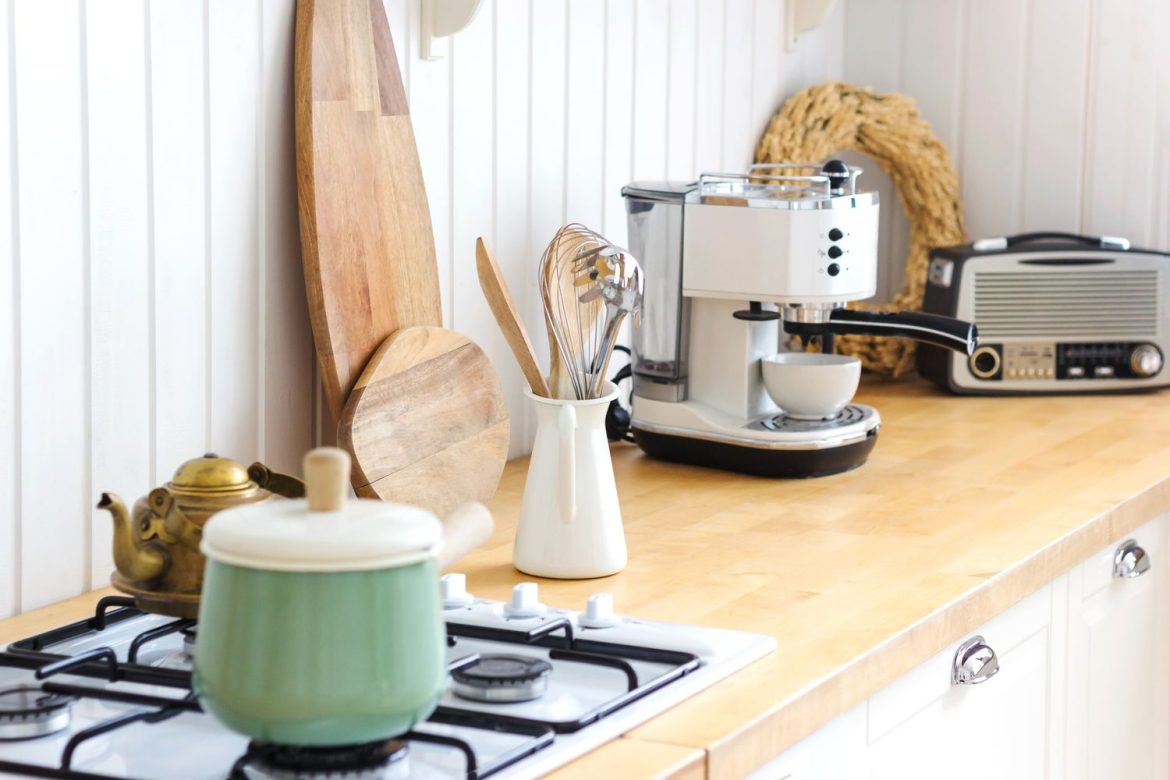
Dropping off unwanted stuff at a thrift store can feel like a win-win. You clear out much-needed cupboard space, someone else gets to put those items to use, and perfectly good kitchen tools and gadgets get a second life.
Although William Parrish, senior consultant of Donated Goods Retail at Goodwill Industries International, says Goodwill is “happy to accept all gently used items as they are,” not everything in your donation box is suitable for a second home. Some kitchen items may be damaged, unusable, or difficult to sell.
“What matters most,” says Parrish, is that they’re “clean, safe, and ready for someone else to use.” So before heading out on a donation run, take a look at your kitchen castoffs and make sure they pass the pass-it-on test. Ask yourself these three questions to determine whether to donate or if it’s a smarter idea to toss/recycle.
1. Does It Need To Be Washed?
This is the big one, and luckily, it’s also the easiest to fix. Parrish recommends that “donors clean any old food particles off kitchen items,” adding that cleanliness could impact whether or not they’re sold.
It makes sense when you picture the sorting process. Nobody wants to reach into a donation bin and pull out a greasy sheet pan. So take a look at that crusty casserole dish, the sheet pan with baked-on residue, or the coffee maker with old, dried-up grounds inside. If you’re planning to donate it, wash it the way you’d want it to be if you were the one buying it.
Simply Recipes / Getty Images
2. Does the Appliance Actually Work?
We all have an appliance with a finicky cord or a funky motor, and while it might be tempting to hope a handy shopper can fix it, nonworking appliances rarely get a second life. “We do prefer for donated electronic kitchen items to be in working condition,” says Parrish.
He points out that many Goodwill stores let shoppers plug in appliances to test them. If an item isn’t in working order, Parrish says, “it will most likely not sell.”
Before donating, plug in your old toaster, mixer, kettle, or other small appliances to make sure they work. And don’t forget to include any essential parts, like a food processor bowl or blender pitcher, that someone would need to use the item.
3. Would You Gift It to Someone You Love?
This last one takes a little judgment, and it’s where Parrish’s “clean, safe, and ready to use” standard comes in handy. Do a simple gut check: Would you feel comfortable giving it to a friend or neighbor? If you’d feel the need to apologize for deep scratches, cracks, or other damage, it’s probably not ready for a new kitchen.
Some things might still technically work but have crossed into retirement territory. A nonstick pan that’s deeply scratched, peeling, or flaking is better replaced than passed along. I’d apply the same common-sense test to a mug with a sharp chip, cracked glassware, or plastic kitchenware that’s cracked, melted, or otherwise badly damaged. Heavily worn plastic cutting boards are also worth reconsidering, since research suggests that wear and cutting can contribute to microplastic shedding.
If you’re on the fence about a specific item, return to Parrish’s “clean, safe, and ready to use” standard. If it’s broken, heavily damaged, or simply unusable as is, a donation center isn’t where it belongs. Instead, Parrish recommends contacting your local recycling or waste facility to see if it can be recycled or disposed of another way.
That way, the things you donate have the best chance of getting a real second life—and it truly is a win-win.
