
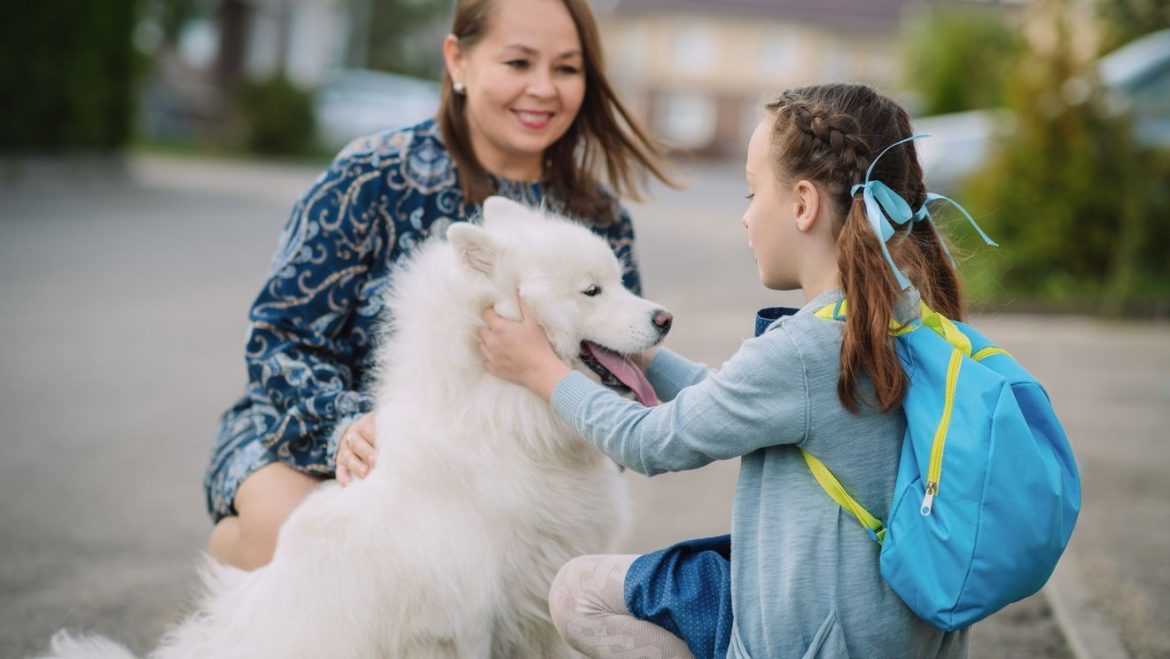
For many families, the back-to-school season means alarm clocks, packed lunches, homework, and bus stops. While parents and children know why their daily schedules suddenly change, pets don’t receive that same explanation. From their perspective, the people they’ve spent all summer with simply disappear for hours at a time.
Pets thrive in familiar environments where they can recognize patterns and associate positive experiences with their behavior. That means a family member’s absence could be seen as a punishment that makes your pet feel sad. However, with a little planning and patience, you can help ease the transition for everyone, including the beloved animals in your home.
Pets love predictability
Dogs and cats are creatures of habit. They learn when meals happen, when walks take place, when people wake up, and even when it’s time to settle down for the evening. Many pets can learn new routines and behaviors in just a few weeks, which means an entire summer is more than enough time for them to become accustomed to having children home all day.
That extra attention often becomes part of their daily expectations. Whether it’s afternoon games in the backyard, frequent cuddle sessions on the couch, or simply having someone nearby while they nap, those interactions become their “normal.”
When school begins again, that normal vanishes overnight, creating a void your pet doesn’t know how to fill on their own.
Why the first few weeks can be confusing
Unlike people, pets don’t understand calendars or school schedules. They don’t know summer vacation has ended or that the kids will return later in the day.
Initially, many pet owners notice their dog or cat spending more time in a child’s bedroom, sniffing around for familiar scents, or resting on a favorite blanket, all signs they miss the presence of their humans. But, by learning the sights and sounds they notice during the school day, your pets can anticipate the reward of someone arriving back at the house, even though they don’t necessarily know why that person left. Before long, your pet might develop their own ritual of waiting by the front window or door around the time people come home.
This adjustment is smooth for several pets. Anxious animals may need a little more time to acclimate to the new schedule.
Other signs your pet is adjusting
Changes in routine usually cause pets to act differently. Sometimes the behavior is cute, but other times it can be destructive.
Here are some common signs your pet is at least a little upset about their owners leaving:
- Waiting to eat until family members return home.
- Seeming quieter or sleeping more during the day.
- Barking or meowing more than usual.
- Going to the bathroom inside the house after previously being reliable.
- Chewing furniture, shoes, or other household items.
- Digging, scratching doors, or getting into things they normally ignore.
These behaviors aren’t necessarily signs of a “bad” pet. They can simply be ways an animal expresses stress, boredom, or confusion while adjusting to a new schedule. If these behaviors are severe, sudden, or persist for an extended period, it’s a good idea to speak with your veterinarian to rule out any underlying medical concerns.
Parents have busy schedules too
Back-to-school season doesn’t just affect children. Parents often return to busier work schedules, after-school activities, sports practices, and evening events.
From your pet’s perspective, the entire household may suddenly feel much quieter. If everyone is spending more time away from home, your pet may be alone for longer stretches than they experienced during the summer months.
Helping your pet transition into the back-to-school lifestyle
A few simple strategies can prepare your pet for the new routine and keep them comfortable while they adjust.
- Ease into the schedule: If possible, begin shifting feeding times, walks, and bedtimes a week or two before school starts. Gradual changes are often easier for pets than an abrupt overnight shift.
- Maintain similar habits: Even if schedules become busier, try to preserve some of your pet’s favorite daily activities. A morning walk, an evening game of fetch, or a few minutes of cuddle time before bed can provide reassuring consistency.
- Consider helpful technology: Automatic feeders can keep mealtimes consistent, even if your schedule changes from day to day. Pet cameras can also give owners peace of mind and, in some cases, allow you to check in on your pet with a “hello” or a treat while you’re away.
- Keep their mind busy: Boredom can contribute to unwanted behaviors. Before leaving the house, consider offering a food puzzle or safe chew to help occupy your pet while the house is quiet. Rotating toys throughout the week can also help keep them interesting.
- Make homecomings positive: When you return home, spend a little dedicated time with your pet. Whether it’s a walk, a game, grooming session, or simply relaxing together, positive attention helps reinforce that family members always come back.
A little patience goes a long way
The back-to-school season represents a major transition for families, but it can also be a transition for the animals that share your home. By maintaining consistency, providing enrichment, and making time for positive interactions, you can help your pet feel safe, included, and loved while everyone settles into a new routine together.
From our team at For Pet’s Sake, we hope you and your furry family members enjoy an exciting, educational school year! Check back all year long at drdevonsmith.com for more pet care tips.
