

Picture:
Alamy
A target to boost the number of electric car sales by 2030 could be watered down, amid fears the UK automotive sector faces high energy prices and stiff international competition.
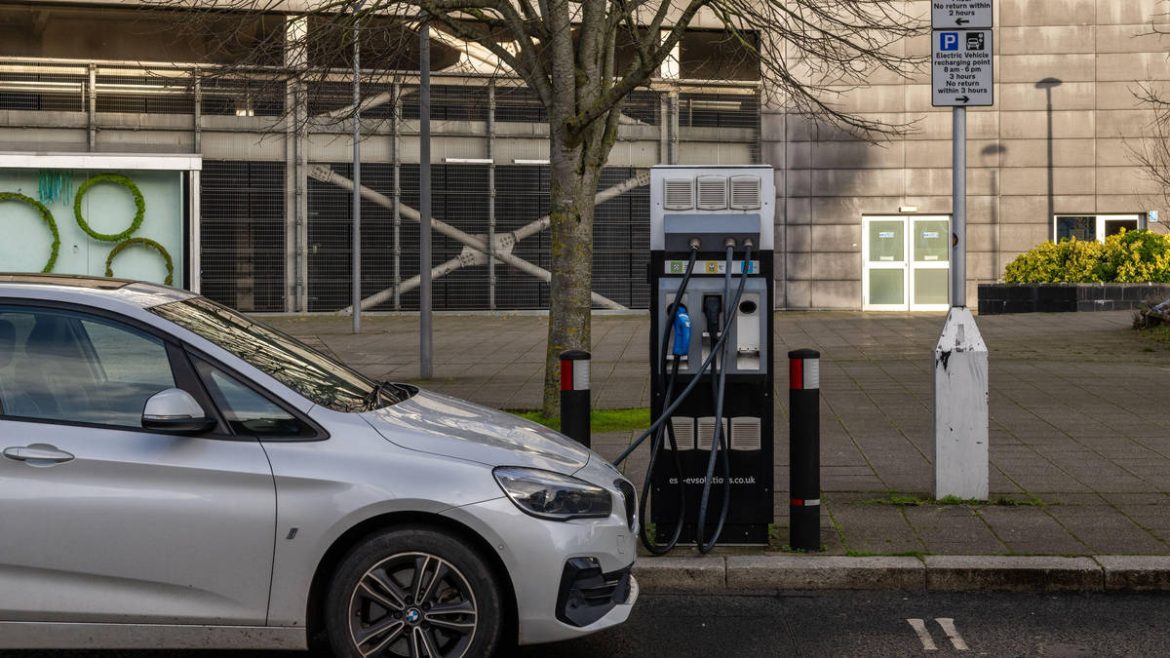
The Government has launched a consultation on its zero-emission vehicle (Zev) mandate, which currently sets a target for 80% of all new car sales to be zero-emission by 2030.
According to documents unveiled on Friday, the target could be cut to as low as 50%.
In a ministerial foreword to the consultation, Transport Secretary Heidi Alexander vowed to press on with efforts to put more electric vehicles on the roads, instead of cars with petrol or diesel engines.
But she added: “We are also aware of wider challenges and uncertainty faced by the UK automotive sector, related to energy price increases, growing international competition and uncertainty around the impact of potential changes to how UK-made vehicles will be treated in export markets.

Picture:
Alamy
“The Government must support the industry to play its part in the transition while ensuring it remains attractive for manufacturers to base operations in the UK, with all the benefits that brings in providing the green jobs of the future.”
Ms Alexander said: “The UK electric vehicle market is strong – sales are up, British manufacturers and charge point operators are investing billions, alongside our backing of £7.5 billion, including our Electric Car Grant that has helped over 160,000 people make the switch.
“It’s right we keep targets under review to ensure they’re practical and back British industry.
“The end goal hasn’t changed – but we need to take business with us on the journey and that’s exactly what we’re doing today by making sure industry has the chance to shape how we get there.”
Around one in four cars sold are now electric, according to the Government.
More than 160,000 drivers are thought to have used the Government’s £2 billion electric car grant to help with the upfront costs of buying an electric vehicle, while more than 120,000 public car chargers have been installed throughout the UK.
If the Government cuts its target to 50% by 2030, the number of Zev sales would need to grow rapidly over the following five years to meet the overall target of 100% by 2035, modelling shows.
Richard Holden, the shadow transport secretary, said his party wanted to scrap the Zev mandate altogether.
The Conservative frontbencher said: “After many months of unnecessary delay, it is positive to see the Government review the Zev mandate.
“Labour’s net zero obsession is piling costs on hardworking families and taxpayers, yet they appear wedded to ending the sale of hybrid, petrol and diesel vehicles.
“Rather than just launch a consultation, Burnham should take concrete action now to ease the pressure.
“Only Kemi Badenoch and the Conservatives have a fully costed, worked-through plan that will scrap the Zev mandate, end Labour’s ban on the sale of new hybrid, petrol and diesel cars, and allow drivers to decide what type of car is right for them and their family.”

Picture:
Getty
Nick Connor, chief executive of the Institute of the Motor Industry, said the consultation “will undoubtedly be welcomed by wide sections of the automotive industry”.
He warned his institute’s research had “shown that the automotive workforce has serious doubts about whether it can keep pace based on the current targets, so the skills and support to help them achieve this is key”.
The organisation surveyed 324 of its members this year and found 82% were not very confident or not at all confident that the workforce will be ready at the pace needed.
Mr Connor added: “The destination remains clear but what everyone needs – from manufacturers to frontline dealers and garages and, of course, motorists – is absolute clarity on the pace and pathway to get there.”
Greenpeace UK’s head of politics Ami McCarthy warned the move would be “a wrong turn for drivers, energy security, our climate and the economy”.
They said: “Electric vehicles are way cheaper to run than petrol and diesel cars, they don’t need foreign oil and the market is booming worldwide.
“Both the Iran war and this summer’s extreme weather have shown once again why we’re better off cutting our dependence on fossil fuels.
“This mandate is one of the most powerful policies we have to bring down planet-heating emissions, which is the only way to stop more deadly heatwaves in future.
“(Prime Minister Andy) Burnham can’t fulfil his promise of tackling the cost of living crisis and reindustrialising Britain without the green economy.
“So why put on the brakes now?”
And Colin Walker, head of transport at the Energy & Climate Intelligence Unit, said: “Proposing to water down the UK’s biggest climate policy the day after temperatures hit 38C, and a summer of heat and drought that risks the UK having its worst-ever harvest, may seem strange to the increasing number of people concerned by images of homes on fire, and the security and affordability of the food we eat.”
He said the first electric vehicles sold under the Zev mandate “are now turning up on the second-hand market – and any slowdown risks choking that off, adding to the cost of living for regular families at a time when there is a surge in demand for used electric vehicles”.
