
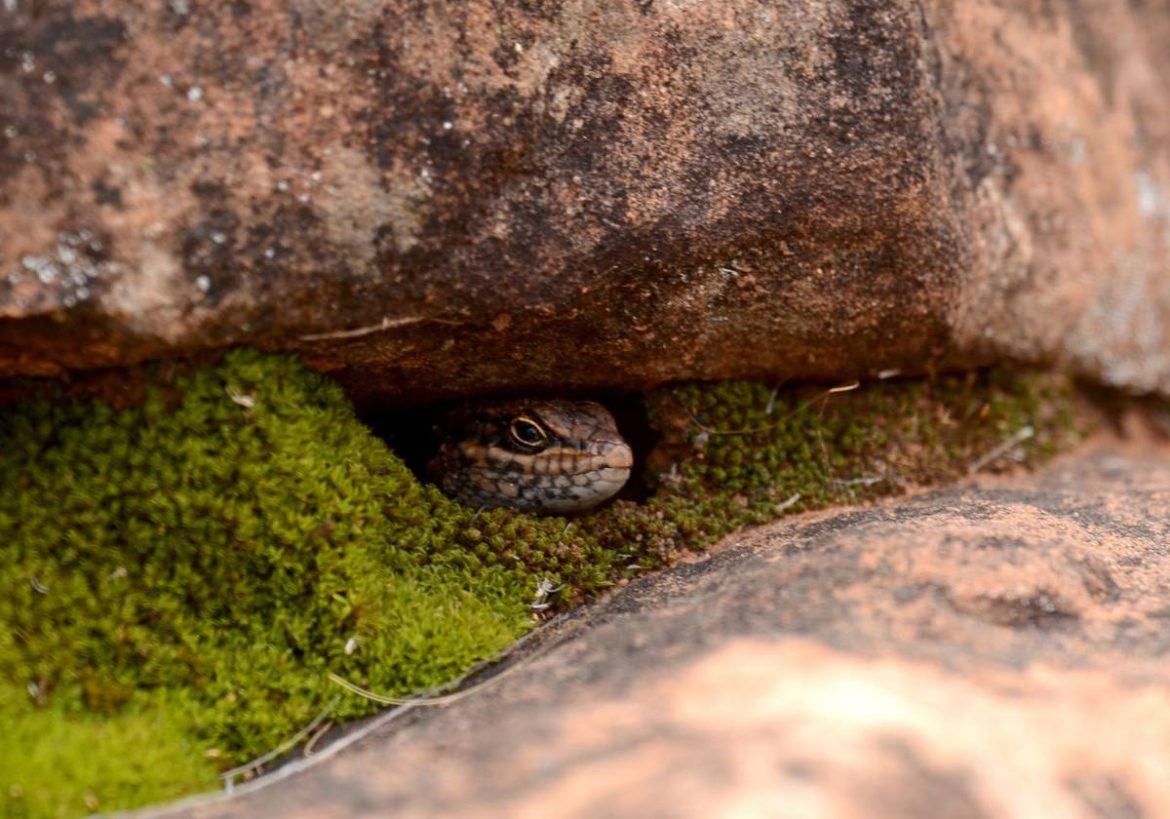
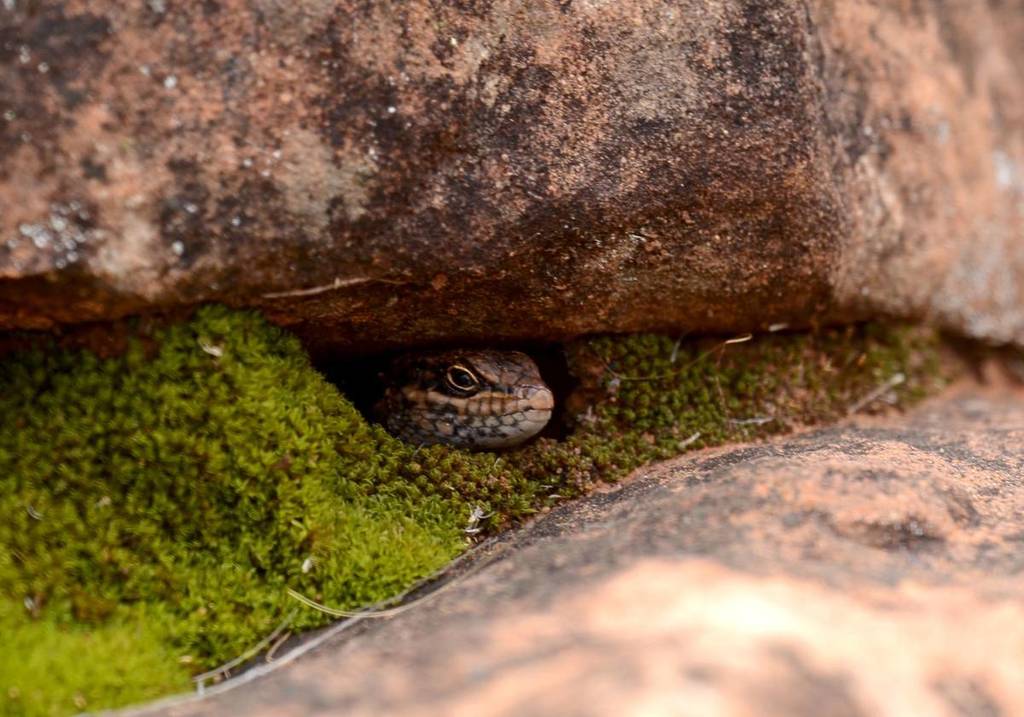

In the sunbaked gorges of Mutawintji National Park, scientists have discovered something remarkable—a lizard so elusive and rare that fewer than 20 are known to exist.
Researchers formally described the Kungaka—known to Wiimpatja Traditional Owners as “the Hidden One”—this week in the journal Zootaxa and confirmed it as a distinct species, marking one of Australia’s most significant reptile discoveries in recent years.
Ancient Lineage Hidden In Modern Landscape
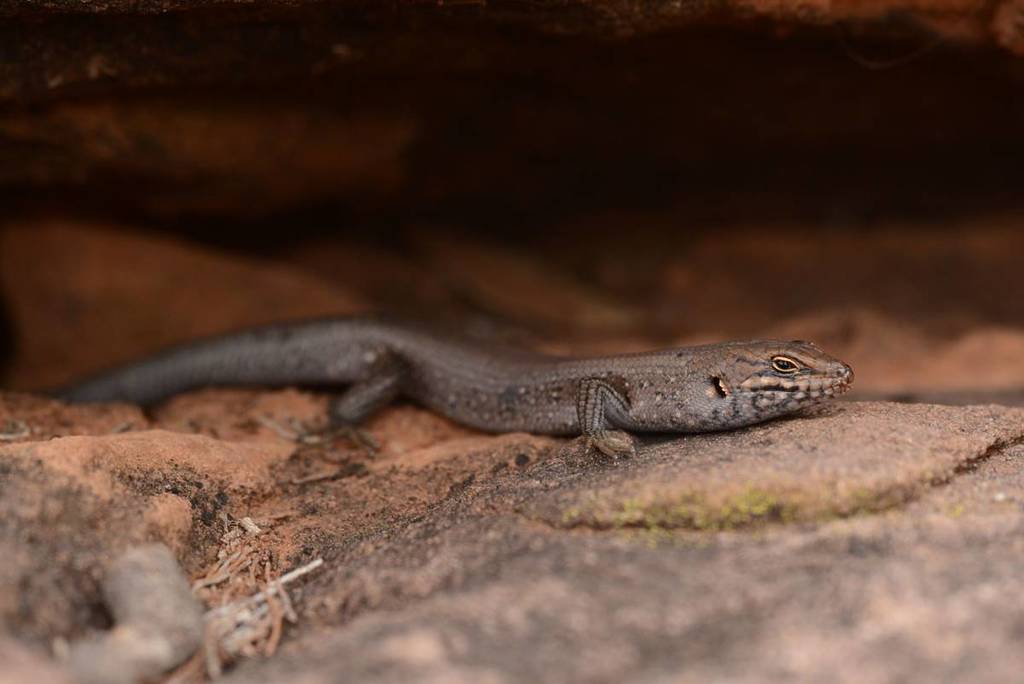
Researchers from the Australian Museum Research Institute (AMRI), working alongside Wiimpatja Aboriginal Owners and the NSW National Parks and Wildlife Service (NPWS), found that the Kungaka (Liopholis mutawintji) isn’t simply an unseen variant of the more common White’s Skink.
Genetic testing revealed it as a unique lineage, isolated for millennia in the rocky heart of Mutawintji, about 500 kilometres from its closest relatives.
“Our conservation efforts are helping identify at-risk species to ensure we act quickly to secure their future,” said Minister for the Environment Penny Sharpe, calling the finding “an exciting moment and a powerful reminder of how much there is still to protect.”
Dr Jodi Rowley, Curator of Amphibian and Reptile Conservation Biology at the Australian Museum and UNSW Sydney, said the Kungaka’s survival hinges on collaboration.
“With potentially fewer than 20 individuals remaining, the Kungaka stands on the brink of extinction. Their survival depends on sustained, long-term partnerships and continued monitoring,” she said.
Threats From The Ground Up
The species’ fragile existence tells a story of contrasts—a humid gorge pocket surrounded by harsh saltbush plains, where the small, pale-skinned lizard has quietly endured Australia’s changing climate.
Lead researcher Tom Parkin said the Kungaka represents “an ancient lineage that likely originated early in Australia’s history,” offering a glimpse into the country’s deep ecological past.
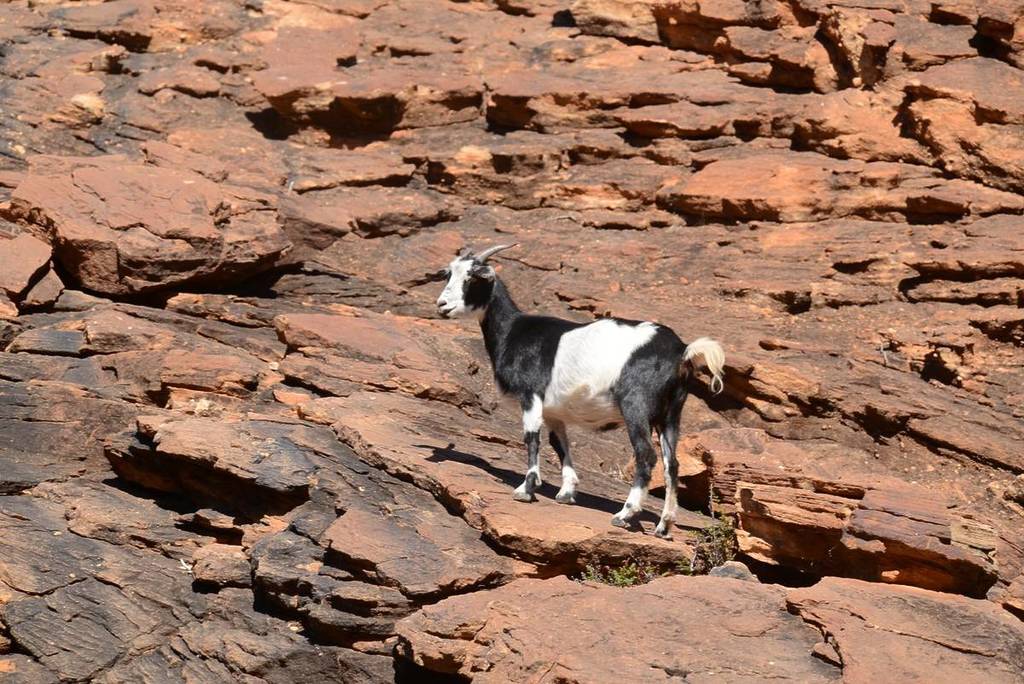
However, the Hidden One’s future is uncertain. Feral goats threaten its habitat through overgrazing and trampling, while foxes, cats and a drying climate exacerbate the skinks’ peril. Conservation teams from NPWS and the Mutawintji Board are now stepping up surveys to better understand the species’ needs and how to protect it.
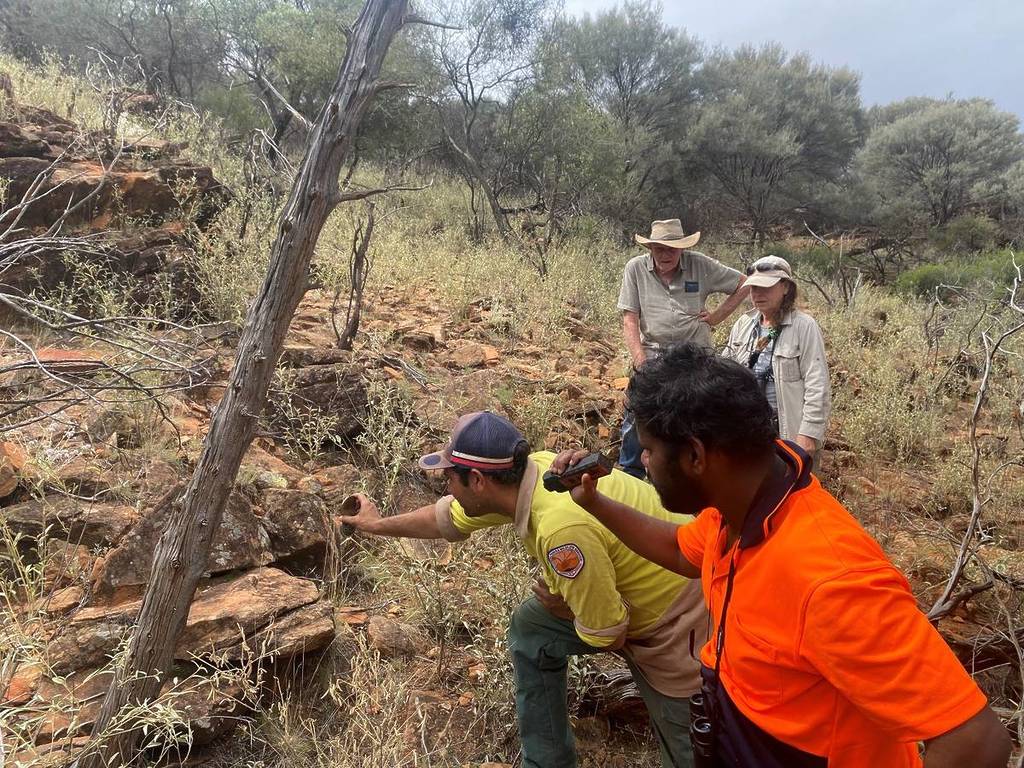
For the Wiimpatja people, the Kungaka has long held cultural significance—a guardian of Country hidden among the cliffs. Mutawintji Board of Management member Warlpa Thompson said naming the lizard in Wiimpatja parlku is a moment of pride and urgency.
“Our people have been leading the way in looking after this extremely rare lizard,” Thompson said. “Now that it’s been given the name Kungaka, the Hidden One, the world will know how special they are. But we need further support to create an in-Country sustainable solution.”
As scientists and Traditional Owners rally to protect what may be Australia’s most endangered skink, the discovery reminds us that even familiar landscapes still hold secrets hiding in plain sight.
