
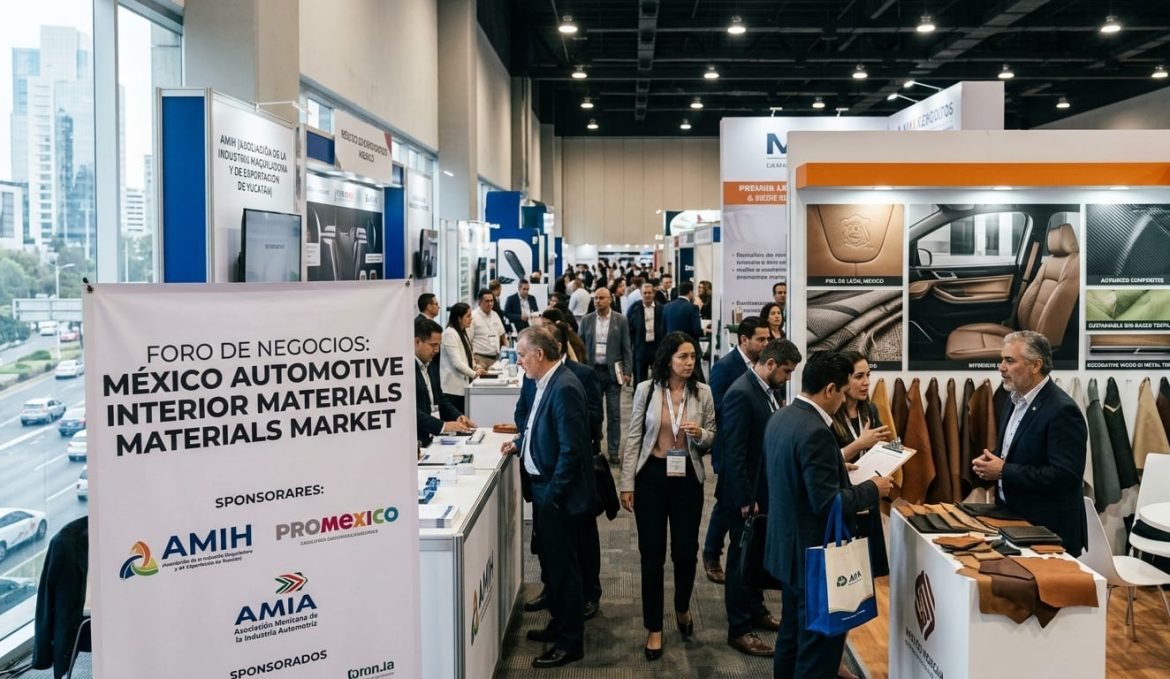
The automotive sector in Mexico is one of the world’s most robust manufacturing hubs, spurred by global OEM investment, production centered on exports, and a rapidly developing supplier base. As automobiles become increasingly sophisticated, comfortable and technology-centric, the need for high-quality automotive interior materials for both passenger and commercial vehicle applications is on the rise.
According to IMARC Group, the Mexico automotive interior materials market was valued at USD 947.6 million in 2025 and is projected to grow to USD 1,372.0 million by 2034, growing at a Compound Annual Growth Rate (CAGR) of 4.07% during the forecast period 2026-2034.
One of the main drivers fueling this growth is the robust growth of Mexico’s automotive manufacturing sector. The country has solidified its position as a significant global production base for automobiles, with increasing production levels for light vehicles, commercial vehicles, and models designed for export. This rise in production naturally boosts demand for automotive interior components, such as seating materials, dashboard panels, door trims and floors, which are essential to user comfort and the vehicle’s overall aesthetics.
Another key factor influencing the market is the growing consumer inclination towards comfort, safety and customization in their vehicles. Today’s automobile consumers are no longer primarily concerned with vehicle performance alone-they are looking for enriched in-cabin experiences, including premium textured fabrics, improved upholstery materials, soundproofing materials and configurable interiors. These consumer demands are propelling automakers to utilize advanced interior materials such as engineered polymers, synthetic leather, textiles, and composites.
A significant trend in this sector is the increasing adoption of lightweight and sustainable automotive interior materials. The focus on improved fuel efficiency and reduced emissions in the automotive industry has led to growing demand for recyclable, bio-based, and lightweight interior materials. These materials contribute to reducing the weight of vehicles while adhering to stringent environmental regulations and sustainability targets for the automotive sector.
The rise of electric vehicles (EVs) is another factor driving innovation in interior materials. The interior designs of EV models typically focus on modern, minimalist and integrated interiors that utilize sophisticated materials for soundproofing, heat retention, and superior digital interface capabilities. This trend opens up new opportunities for suppliers in the next-generation automotive interior sector.
Growth in the automotive aftermarket segment is an additional important driver of the market. The expanding vehicle ownership and increasing average age of automobiles is stimulating the demand for interior upgrades, replacements and custom finishes. Consumers are actively investing in premium seat covers, interior trims, floor mats and infotainment-integrated interiors, thereby creating steady demand for interior materials in the aftermarket sector.
From a segmentation perspective, the market includes critical automotive interior components such as cockpit modules, seats, door panels, floors and lighting systems. Seating and cockpit systems currently command the highest demand due to their substantial material content and direct impact on occupant comfort.
The market, classified by material type, encompasses materials like leather, fabric, vinyl, glass fiber composites, carbon fiber composites, and metals. Leather and synthetic alternatives continue to dominate as preferred choices for luxury vehicle interiors, while lightweight composites are increasingly integrated into the designs of contemporary vehicles.
Segmented by vehicle type, the market is further categorized into passenger cars and commercial vehicles. Due to the higher production volumes and focus on user comfort and aesthetics, passenger cars contribute the most to market demand, while durability and cost-efficiency remain primary considerations for commercial vehicle interiors.
Regionally, Northern and Central Mexico stand out as the leading markets due to their established automotive clusters, advanced manufacturing facilities, and extensive supplier networks. These areas benefit from proximity to the United States’ supply chain and a steady stream of foreign direct investment in automotive production.
The market’s importance is highlighted by its alignment with global automotive trends, including electrification, lightweighting, sustainability, and digitalization. Interior materials have transitioned beyond purely functional elements; they are now fundamental to a vehicle’s identity and the overall occupant experience.
Future prospects for the market appear bright, driven by anticipated growth in vehicle production, increased adoption of EVs, and rising demand for luxury and customized interiors. As the design of automobiles continues to evolve, interior materials are poised to remain a key area of innovation, significantly shaping the future of transportation in Mexico.
Detailed Mexico Automotive Interior Materials Market forecast and trends
