
Also Read: From Bengal to Assam, Hindutva rewrites the east: BJP’s landslide ends era of regional strongmen
“There should be some consumption growth in the states that held elections, though it may not be very large. Consumers tend to save part of the money and spend on discretionary items they aspire to own,” said Lalit Agarwal, managing director of value fashion retailer V-Mart Retail.
Retailers said the dole could act as a purchase trigger, especially at a time when prices of most electronic goods, including mobile phones, have risen by up to 20% this year due to higher raw material costs.

 ET Bureau
short-term boost Discretionary items likely to see higher demand, say industry execs
“Mobile phone prices have risen sharply, putting purchases out of reach for many consumers. These schemes will benefit such buyers. We have seen in the past that elections tend to boost mobile phone sales. Some of the spending may also flow into air coolers and refrigerators, given the summer season,” said Kailash Lakhyani, founder-chairman of the All India Mobile Retailers Association, which represents over 150,000 retailers
The BJP has promised to double monthly payments to women and unemployed youth in West Bengal from ₹1,500 per month to ₹3,000 per month, apart from implementing the Seventh Pay Commission and full dearness allowance for state government employees. In Assam, the party promised ₹3,000 per month to women. In Kerala, the Congress-led United Democratic Front has pledged to increase social welfare pensions and provide a monthly allowance for college-going girls. In Tamil Nadu, TVK has promised a mix of cash and non-cash benefits in its manifesto.
Also Read: Swaminathan Aiyar on what the BJP sweep in Bengal and Vijay’s rise in Tamil Nadu really mean
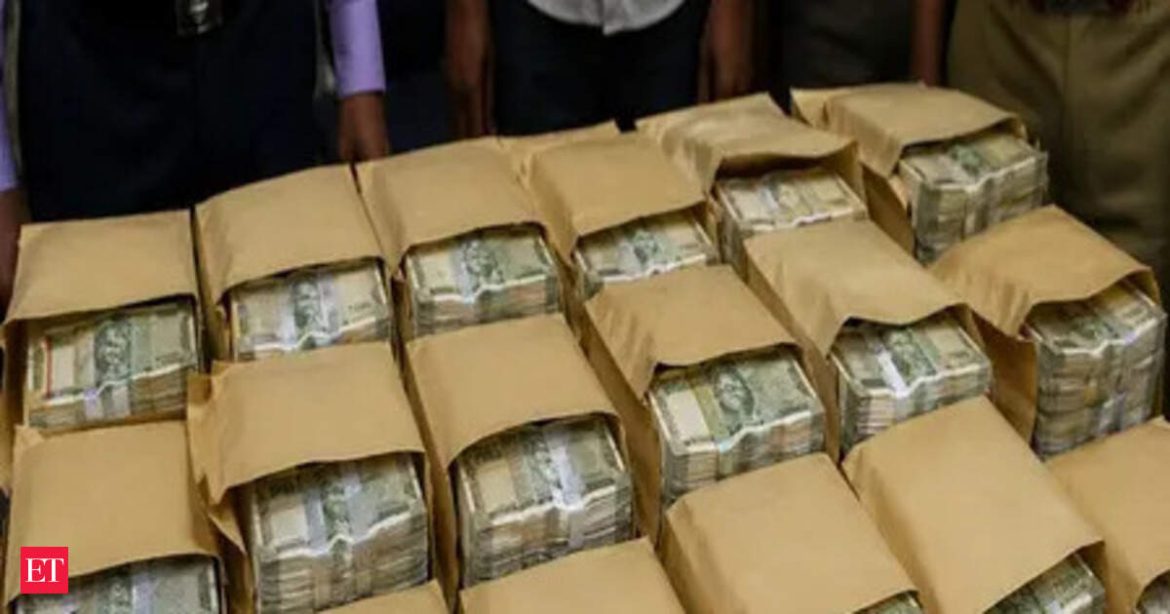
In the run-up to elections, India’s liquor shops often see a familiar surge because of pockets briefly flush with cash.
Amar Sinha, chief executive officer of Allied Blenders, said alcohol is among the earliest beneficiaries of this temporary liquidity pulse. “The effect, typically, fades within weeks as cash gets absorbed into daily consumption. Over the longer term, it is policy like changes in state excise regimes, distribution models, and pricing controls that have a far more durable impact on both revenues and growth,” Sinha added.
Analysts said most listed FMCG companies have reported healthy volume growth this quarter, and while GST-driven price-cuts helped channel demand, there could be an undercurrent of election-linked cash distribution playing a role in lifting near-term volumes.
