
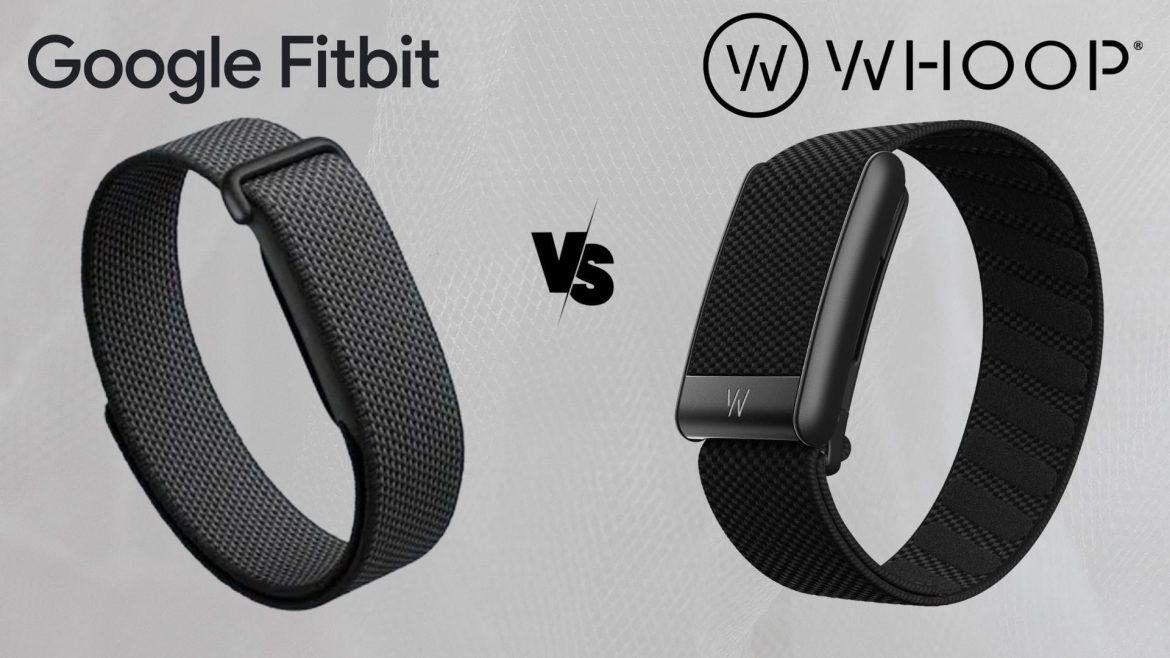

Fitbit Air and WHOOP 5.0 represent two of the most interesting approaches to screenless wearable technology in 2026. Both devices aim to deliver health and fitness insights without the distractions of a display. While they share a similar screen-free philosophy, they are designed with different goals, features, and user experiences in mind.
However, choosing between the two can be a daunting task. In this comparison, we’ll take a closer look at how the two devices differ and what each one brings to the table.
Fitbit Air vs WHOOP 5.0: What’s different between the two?
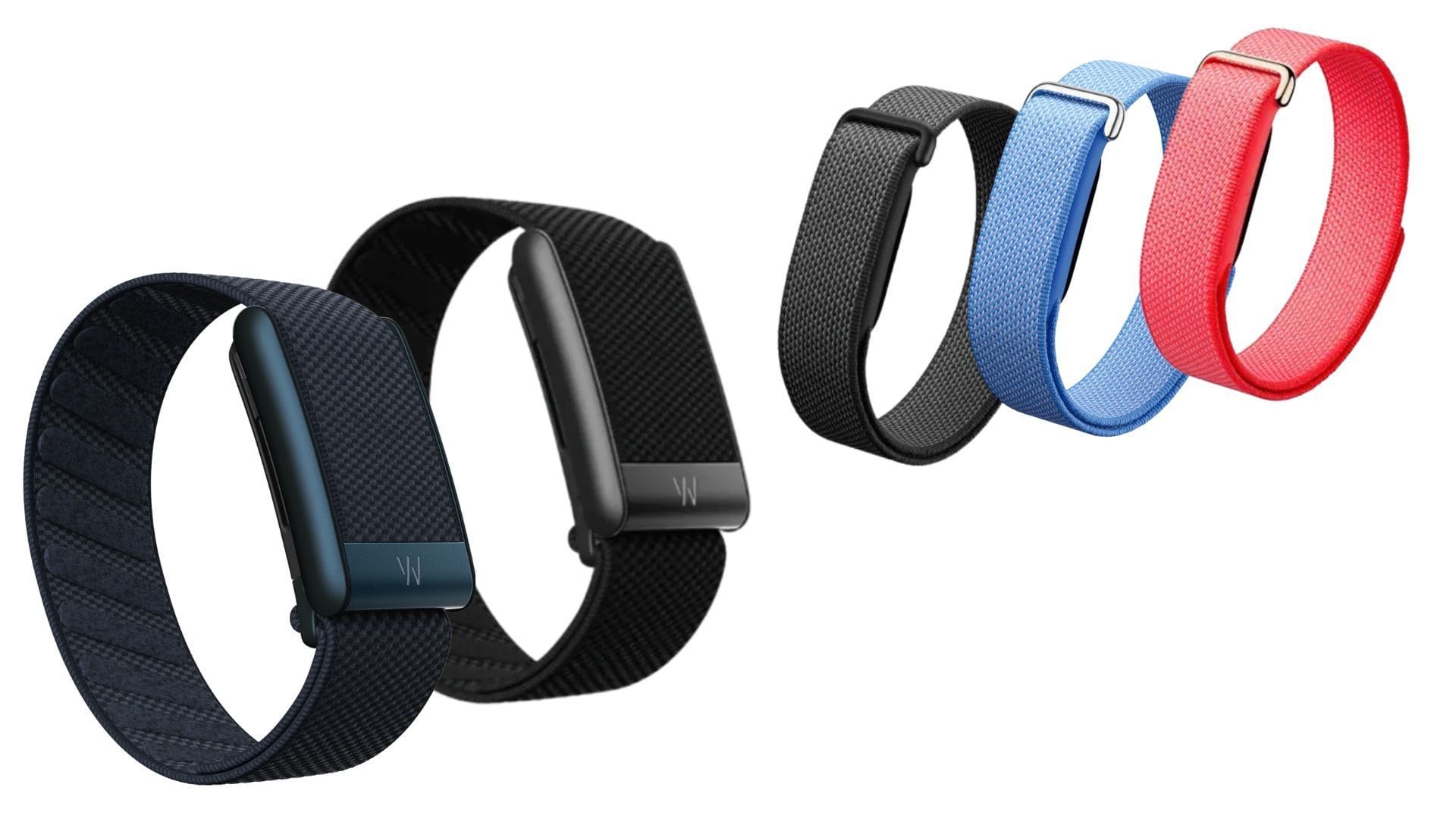
The Fitbit Air and WHOOP 5.0 are both screenless wearables designed to be worn throughout the day, collecting health and fitness data without the distractions of notifications, apps, or bright displays.
Fitbit’s new Air is currently priced at 99.99 Dollars in the US, making it a much more affordable entry into the screenless wearable category. WHOOP 5.0, on the other hand, follows a subscription-based model that starts at around 199 Dollars per year, with higher-tier plans costing even more.
The Fitbit Air has not officially launched in India yet, but Google has already rolled it out across several global markets. Reports suggest a release in India could happen in the near future, although the company has not confirmed a timeline so far.
Here are the key differences between the bands:
Also read: Luna Band wants to replace Fitbit and Whoop: How do they compare?
Health monitoring, recovery tracking, and AI insights
The Fitbit Air focuses on delivering core wellness features such as continuous heart-rate monitoring, sleep tracking, activity tracking, SpO2 measurements, and irregular heart rhythm notifications. The lightweight design also makes it comfortable for all-day and overnight wear, which is essential for collecting long-term health data.
WHOOP 5.0, meanwhile, is aimed more toward athletes and performance-focused users. Its platform places a strong emphasis on recovery, strain, sleep quality, HRV (Heart Rate Variability), and training readiness. Rather than simply showing health metrics, WHOOP attempts to explain how recovered your body is and whether you should push harder or take it easy on a given day.
In terms of AI insights, the Fitbit Air integrates Google’s AI-powered Health Coach, which can provide personalized wellness suggestions, workout recommendations, and health summaries based on collected data. WHOOP counters this with its own WHOOP Coach, which offers deeper recovery-focused guidance and training recommendations.
For casual users interested in general wellness, Fitbit Air may feel more approachable, while WHOOP’s analytics are likely to appeal to fitness enthusiasts looking for detailed performance insights.
Also read: Luna Band: Everything you need to know about the new screenless AI-powered fitness tracker
Subscription costs, battery life, and everyday usability
One of the biggest differences between these wearables is how users pay for them. Fitbit Air follows a traditional purchase model, costing around 99 Dollars upfront while still allowing access to core health tracking features without a subscription. Google does offer an optional Premium plan for advanced AI coaching and deeper insights, but the tracker remains functional even without it.
WHOOP 5.0 is tied directly to a subscription model, with plans starting at roughly 199 Dollars per year and increasing depending on the features included. If the subscription expires, much of the device’s functionality becomes inaccessible.
Battery life is better on the WHOOP band, with up to 14 days of usage compared to the Fitbit Air’s roughly 7-day endurance. In terms of comfort, both devices are designed for 24/7 wear, though Fitbit Air’s lighter build may appeal to users who prioritize minimalism and convenience.
Final Verdict
Choosing a winner between the Fitbit Air and the WHOOP 5.0 comes down to priorities. For most everyday users, the Fitbit Air offers a better balance of features, comfort, and long-term value thanks to its lower upfront cost and optional subscription model. However, serious athletes and fitness enthusiasts who rely heavily on recovery data may still find WHOOP 5.0 worth the premium investment.
Check out other articles by Sportskeeda:
Edited by Adith Pramod
