
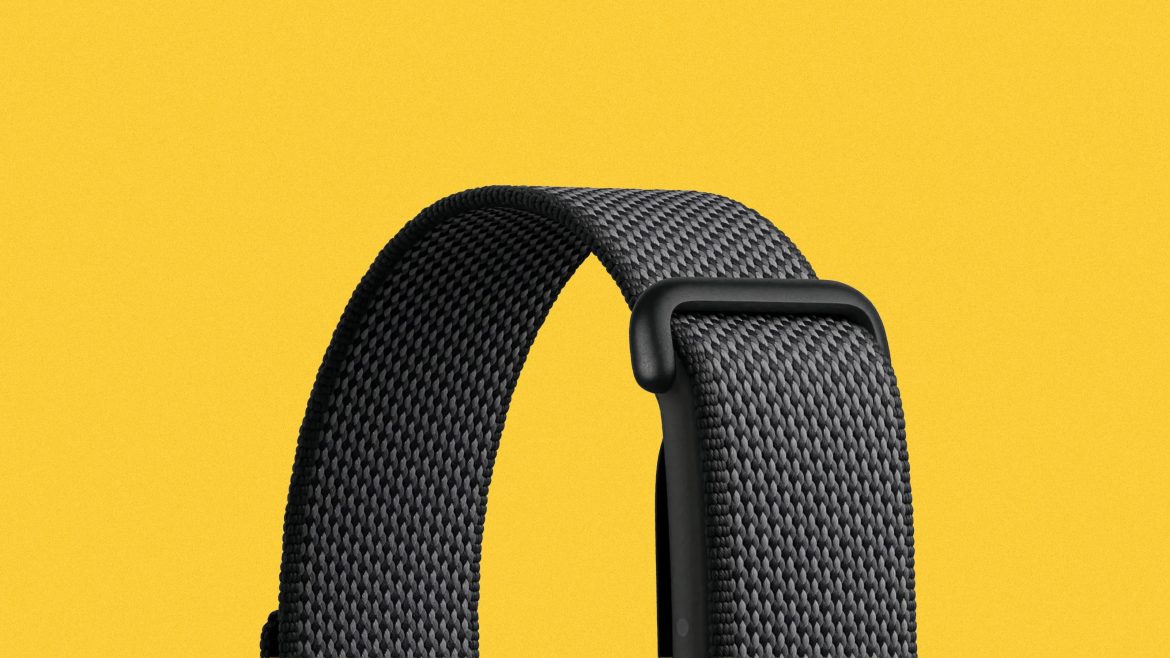
It’s an opening in the wearable market that Apple, despite its continued dominance in smartwatches, has shown surprisingly little interest in pursuing. At the same time, Whoop has remained laser-focused on securing the respect of a more intense and demanding subsegment.
The Fitbit Air may not threaten Whoop’s hold on serious athletes just yet, especially given the latter’s deeper recovery ecosystem and coaching tools. Nor is it likely to convince masses of entrenched Apple Watch users to suddenly abandon their ecosystem.
But the device also doesn’t need to do either to become important.
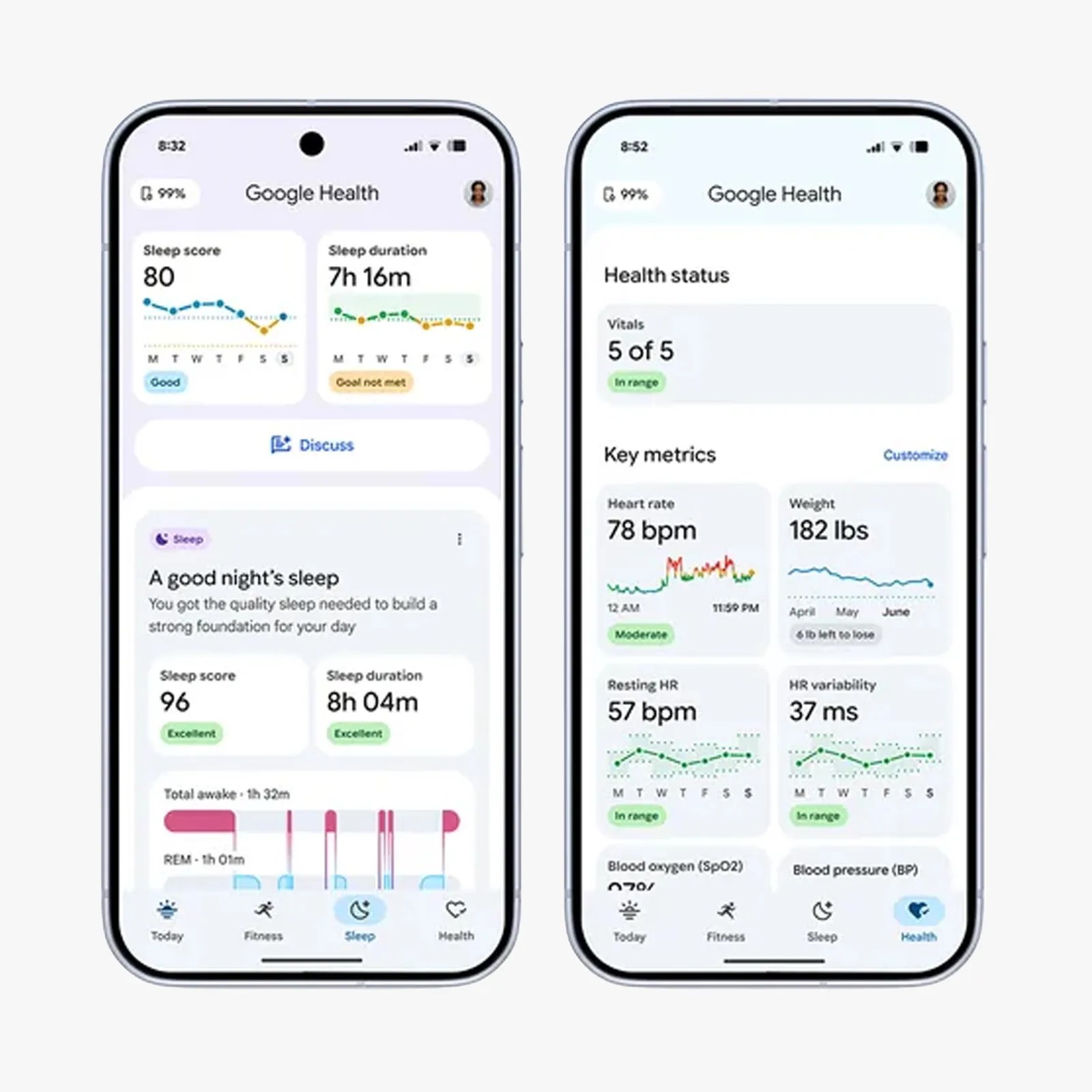
In the 17 years since Fitbit kicked off the wearable race, the industry has largely split into two directions, and the Fitbit Air feels like one of the first major reboots in years to seriously target the enormous middle ground sitting between those extremes.
The new Fitbit Air suggests Google has finally reassessed what made Fitbit compelling in the first place. Not as another screen competing for your attention, but as a simple piece of hardware quietly helping normalize the idea that everyday health data could be useful at scale.
Only now, the sensors, software and health ecosystem behind that original idea are dramatically more powerful than they were the first time around.
