
How Gen Z Made Natural Diamonds Cool Again
From stacked piercings to layered with mixed materials, Gen Z is giving diamonds a more relaxed, individual point of view.
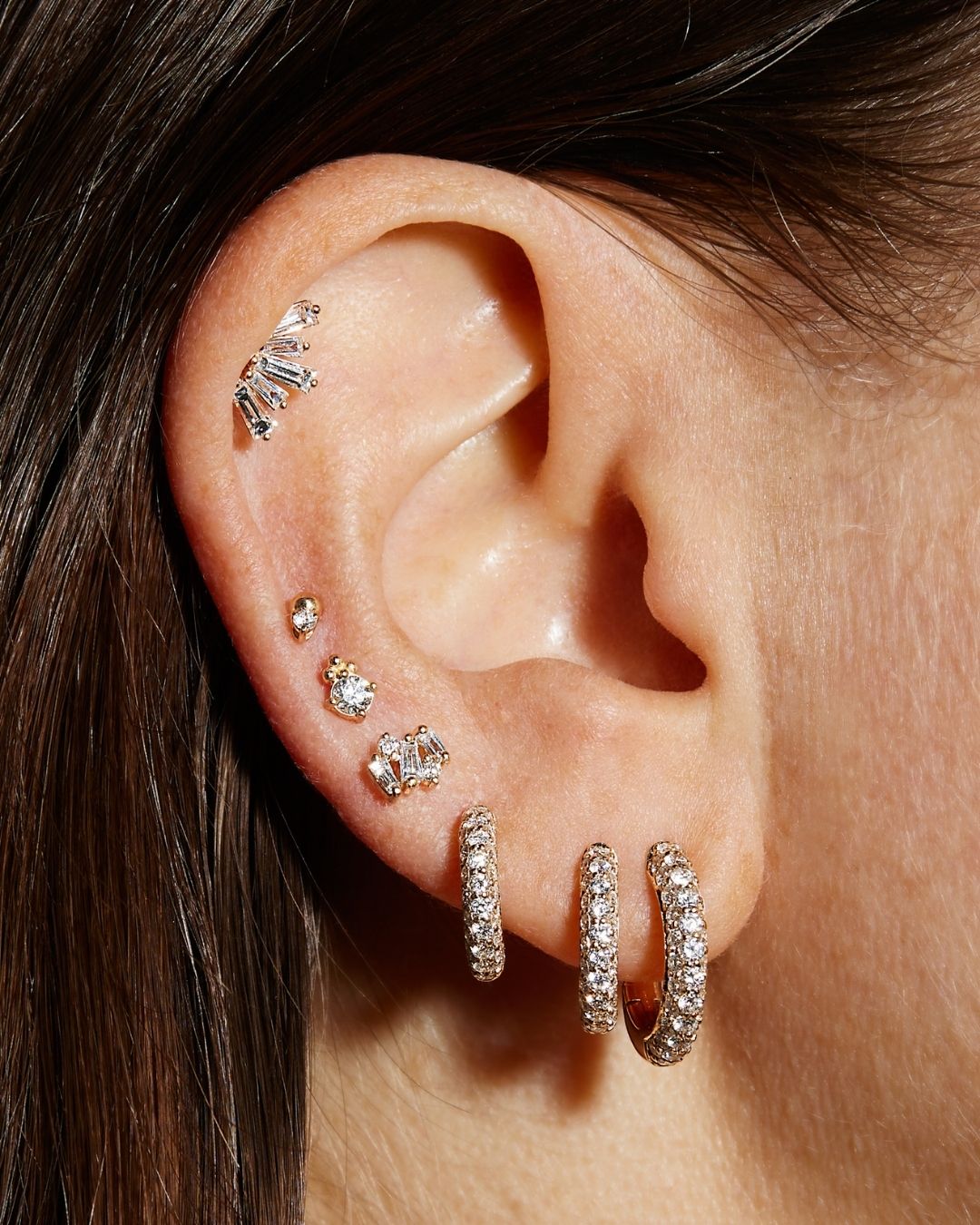
Ear stack from Wildlike Lifestyle. (Courtesy of Wildlike Lifestyle)
Quietly, diamonds are cool, but not in a flashy, red-carpet way. Gen Z is wearing them differently: mixed with beads and silver, stacked into piercings, worn 24/7 with vintage tees and sneakers. The vibe is a more personalized style that looks collected over time rather than basic.
This generation wants jewelry with meaning, but it still has to sparkle. The sweet spot is diamond pieces that feel authentic, every day, and connected to identity instead of old-school status signaling.
They want pieces with a story, and diamonds fit naturally into that mindset. They feel lasting, emotionally significant, and intentional—qualities that resonate with a generation trying to buy less but buy better.

Chase Buckley is a social media content creator based in Atlanta, Georgia. She specializes in fashion, lifestyle, and travel-related content.

Linda Cui Zhang is the Fashion Director for Nordstrom. She has over 10 years of experience in entrepreneurship, business development and B2B marketing.

Alysa Teichman is the President of Wildlike and Vice President of Business Development at Ylang 23. Both companies create opportunities for self-expression and joyful experiences.
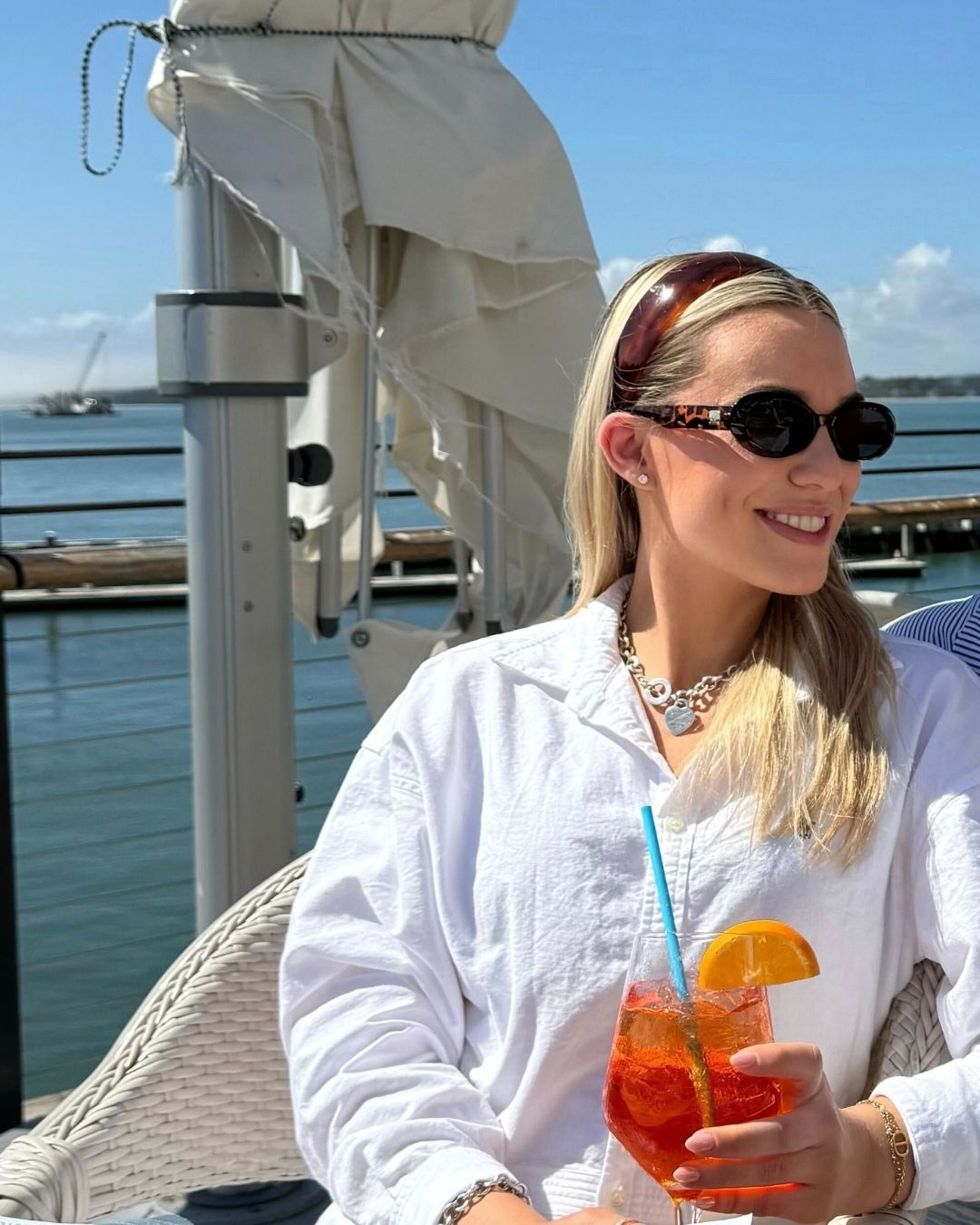
“I prefer to have a few really high-quality pieces that have emotional meaning to me versus lots of jewelry,” says Chase Buckley, 27, from Atlanta. Her current everyday essentials? Natural diamond stud earrings gifted by her boyfriend last Christmas and a David Yurman diamond solitaire pendant she never takes off.
“Diamond studs are luxury, classic, and go with everything,” says Buckley. “I’d take diamonds over a designer handbag any day.”
The New Rules of Diamond Jewelry
What’s interesting about Gen Z’s relationship to diamonds is that they’re stripping away the old rules without losing the emotional pull. Previous generations often treated diamond jewelry as aspirational saved for milestone events. Gen Z wants diamonds to live with them.
The shift says a lot about luxury right now. Gen Z isn’t rejecting luxury outright, but they are rejecting anything that feels overly prescribed and polished . They still want beautiful things, but they want them integrated into real life. A diamond necklace doesn’t need to scream status. It needs to feel totally personal.
Retailers are seeing the same instinct play out in how younger shoppers buy jewelry. Instead of waiting for one major purchase moment, Gen Z is building collections gradually: a diamond pendant for a promotion, a ring after a breakup, tiny studs after a first bonus paycheck. The emotional value matters as much as the carat weight.

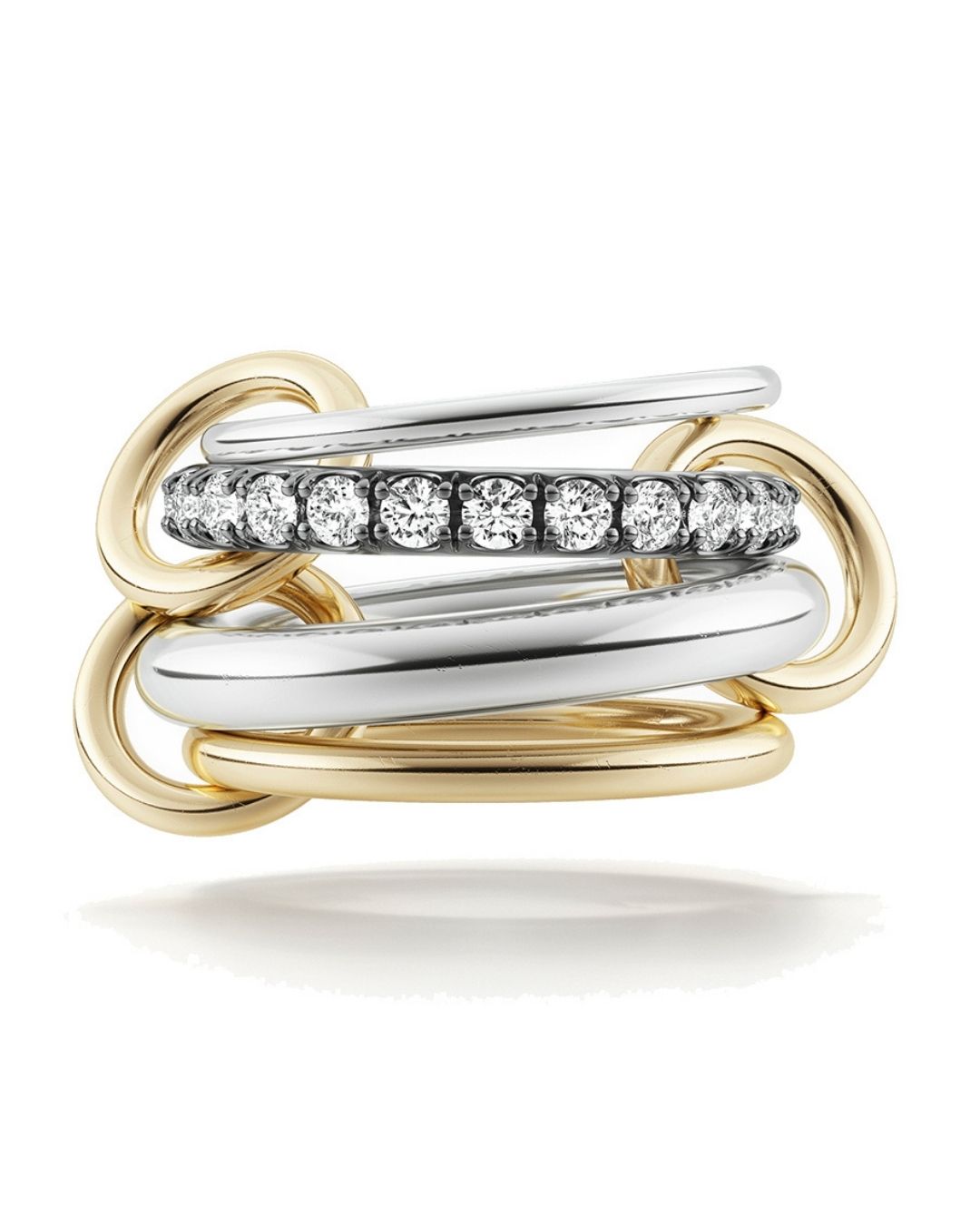
That’s the trend at Nordstrom, where younger shoppers want jewelry that they can buy now and wear forever, said Linda Cui Zhang, the store’s Fashion Director. “Pieces that build the modern, personal stack like pave and eternity rings are becoming a way to start a collection.” A great example is Spinelli Kilcollin’s new ring with a mix of sterling silver, gold, and diamond bands.
For a generation raised almost entirely online, physicality carries a different kind of weight. Gen Z consumes endless digital imagery, trend cycles, and algorithm-driven aesthetics all day long. Natural diamonds offer something surprisingly grounding.
They’re finite, old, and real. That authenticity resonates with younger consumers who are skeptical of marketing language and quick to reject anything that feels manufactured.
The Rise of the Diamond Ear Stack
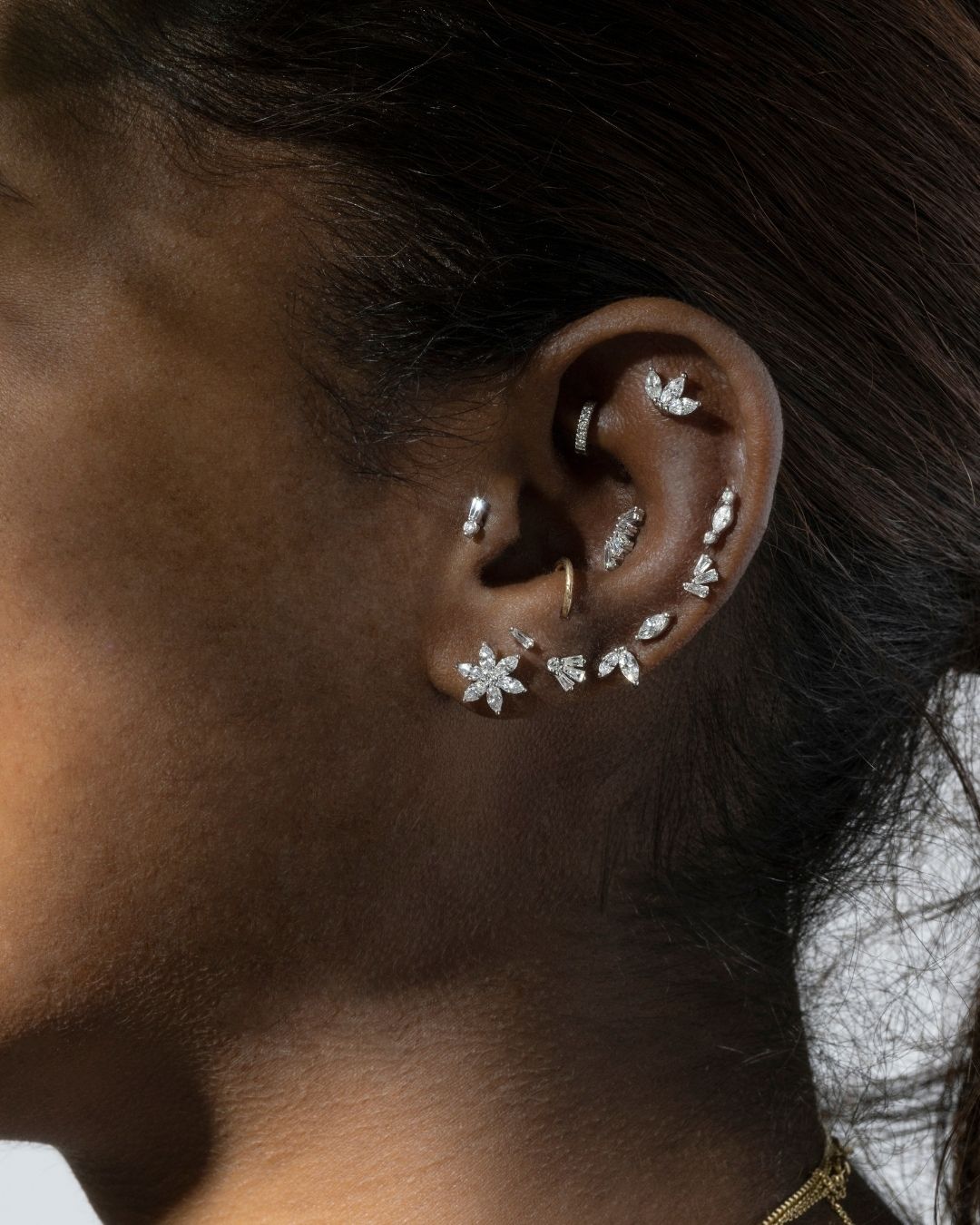
For Gen Z, ears have become one of the most noticeable forms of self-expression. Multiple piercings allow for constant reinvention, and diamonds have emerged as the pieces that makes the whole look feel elevated without looking overly done.
Shoppers are layering small diamond studs, pavé huggies, dangling chains, and tiny hoops into highly personal combinations. Some lean downtown and chaotic, others clean and minimal.
“There’s something magical about an earful of diamonds,” says Alysa Teichman, founder of Wildlike, a go-to source for piercing in New York and Dallas, and an owner of Ylang23 jewelry store in Dallas.
What’s notable is that these looks don’t rely on huge stones or overt glamour. The appeal is the sparkle, movement, and individuality. Diamonds are being used less as declarations and more as style and texture.
The Art of Mixing Highs and Lows
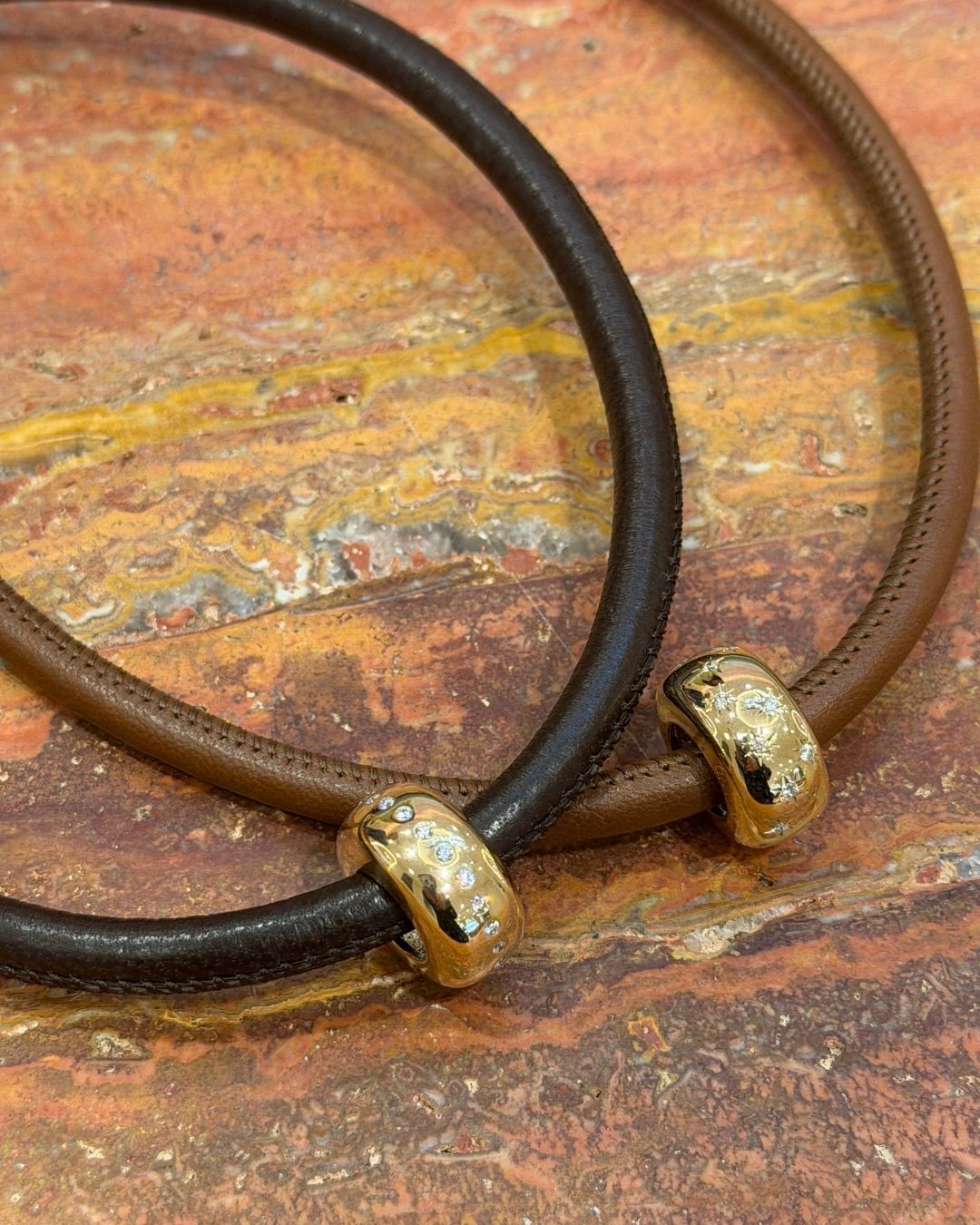
The same instinct explains why beaded necklaces, cords, symbolic charms, and mixed-material jewelry are so important right now. Gen Z likes luxury best when it’s slightly undone.
A diamond hanging from bright beads or hanging from a casual cord necklace feels younger than a formal matched set because it disrupts expectations. It suggests the wearer styled it themselves rather than buying directly into a trend.
That layered aesthetic mirrors how this generation consumes fashion generally: high-low mixing, vintage with fine jewelry, sentimental objects worn with trend items.
Designers like Kate Collins (cord necklaces with pendants set with a diamond bale), Jade Ruzzo (symbolic pendants with diamond centers), and Sydney Evan (colorful beaded bracelets with pave diamond charms) have tapped into that with pieces that feel expressive rather than too precious.
The layered, personal aesthetic is a strong movement at Nordstrom’s. “Adina Reyter nails this with styles like the Desert Rose Beaded Necklace, which mixes natural materials with diamond details for that effortless stacked look,” says Zhang. “Mejuri also delivers with pavé accents and diamond-dotted styles that mix seamlessly into a multi-piece, expressive jewelry moment.”
Diamonds, But Make Them Personal
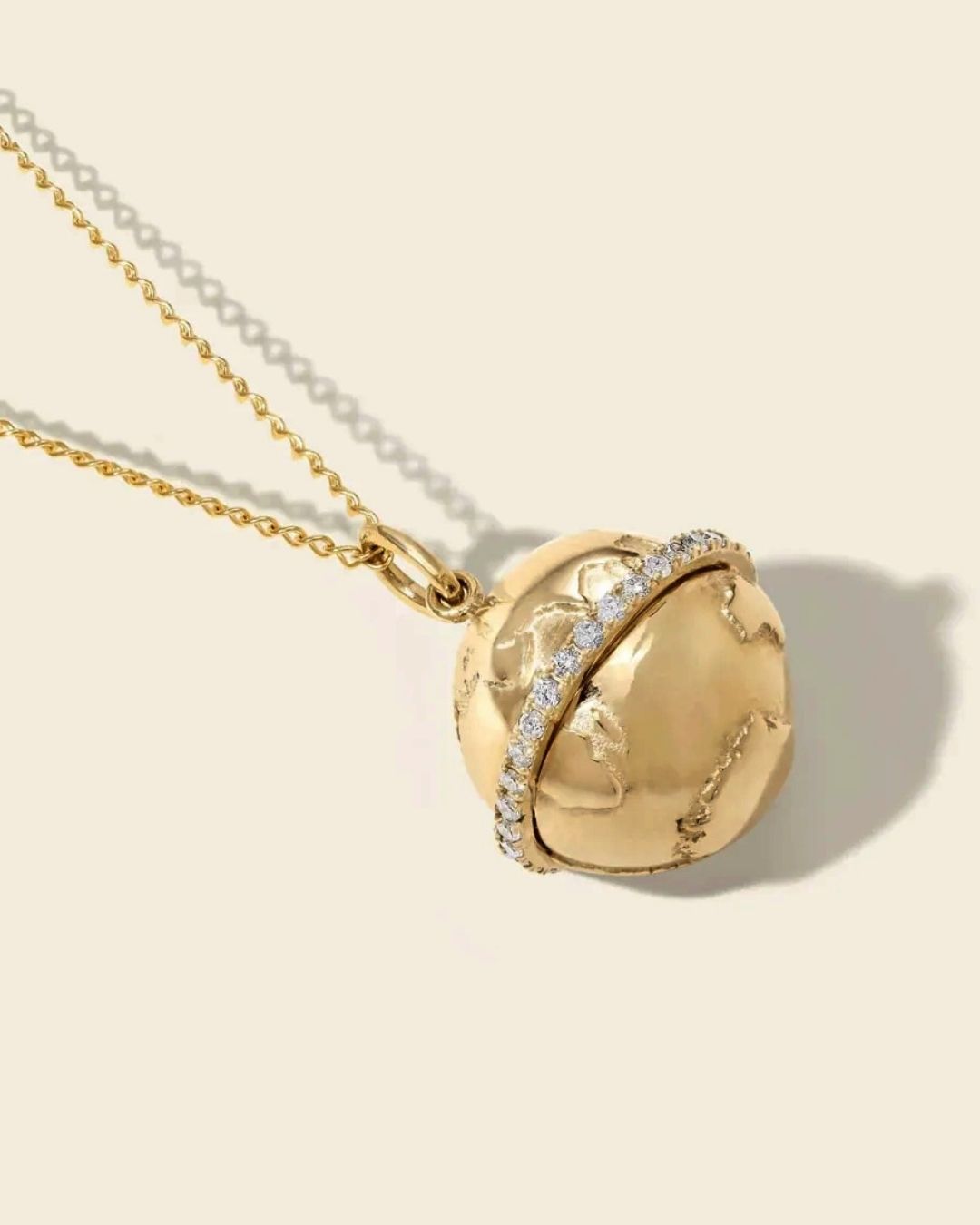
There’s also a broader cultural shift happening around what qualifies as a status symbol. Younger consumers are gravitating toward objects that feel emotionally loaded rather than immediately recognizable.
That’s part of the reason why diamonds are re-entering the conversation in a major way.
A diamond piece often carries memory, permanence, and intimacy. In an era of fast fashion and algorithmic sameness, that kind of emotional specificity has become its own form of luxury.
And unlike an “It” bag, diamonds don’t really expire culturally. They evolve with the person wearing them.
Which may be exactly why Gen Z is suddenly making them feel cool again.
